

Overview
Like a superhero swooping in when your car breaks down at midnight, a quality flashlight with the right batteries can save the day during automotive emergencies. The article recommends five battery types for car flashlights—18650 lithium-ion rechargeables, CR123A lithium, lithium AA, lithium AAA, and D-cell alkaline—comparing their performance in extreme temperatures, storage longevity, size considerations, and cost-effectiveness for different automotive needs.
Table of Contents
- Introduction
- Why You Need a Quality Flashlight for Car Care
- Battery Considerations for Automotive Flashlights
- Top 5 Battery Types for Car Flashlights
- Maintenance Tips for Car Flashlights
- Conclusion
- Frequently Asked Questions
Introduction
When your car decides to break down at 11 PM on a deserted road, a flashlight transforms from forgotten glove compartment item to essential rescue tool. After 15 years turning wrenches and helping stranded motorists, I’ve seen firsthand how the right light can make the difference between a quick fix and a long, frustrating night.
Not all flashlight batteries handle the harsh conditions inside your vehicle. From freezing winters to scorching summers, your car creates one of the toughest environments for battery performance and longevity.
The difference between spotting that loose timing belt and fumbling in the dark often comes down to what’s powering your flashlight. Let’s look at the five best battery options for automotive flashlights, helping you prepare for whatever roadside surprises might be waiting down the road.
Why You Need a Quality Flashlight for Car Care
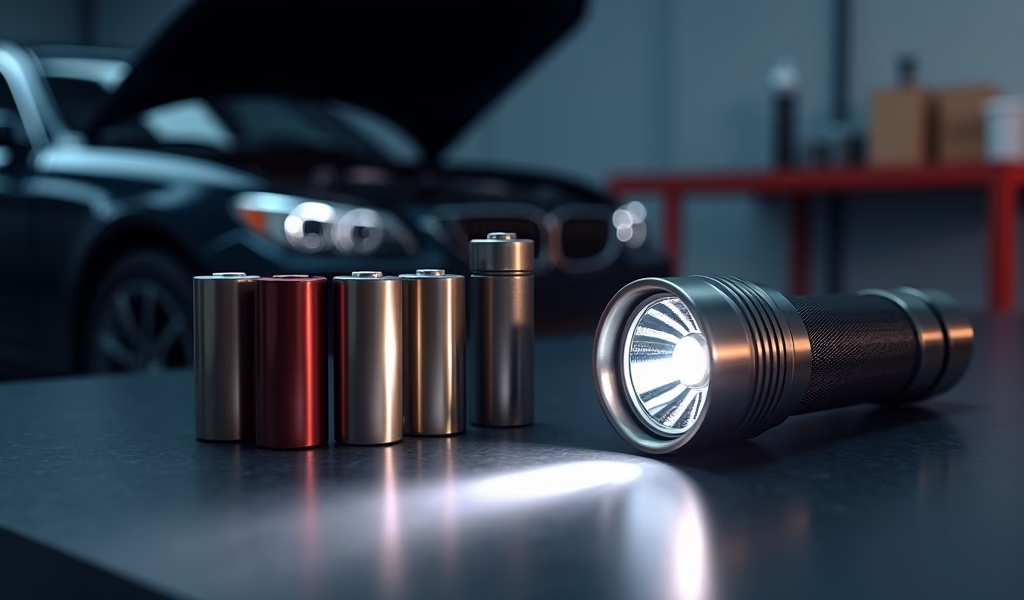
Ever had your check engine light pop on at midnight? Or dropped something important under your seat during a rainstorm? These automotive challenges demand proper illumination.
Emergency roadside situations are where a reliable flashlight proves invaluable. Whether you’re changing a flat in the dark or inspecting damage after a fender bender, good light transforms a stressful situation into a manageable one.
Under-hood inspections become significantly easier with proper lighting. That strange noise—like a squirrel playing maracas—becomes much easier to diagnose when you can actually see the engine components.
The space between car seats seems to operate under different laws of physics, somehow consuming keys, phones, and loose change without a trace. A dependable flashlight makes recovery missions possible.
In worst-case scenarios, your flashlight becomes a safety and signaling device, alerting passing motorists to your presence on the roadside or helping first responders locate you quickly.
Battery Considerations for Automotive Flashlights
Your car’s environment treats batteries about as kindly as a demolition derby treats paint jobs. Temperature extremes are the biggest battery killers—I’ve seen alkaline batteries leak by summer’s end and lose 80% of their power during cold snaps.
The ideal automotive flashlight battery should withstand temperature swings from sub-freezing to oven-hot without significant performance drops. It should also maintain its charge during long periods of non-use, ready to spring into action when you finally need it.
Power consistency matters too. A flashlight that starts like a lighthouse but dims to a birthday candle after five minutes won’t help you finish changing that tire.
Size and weight affect practicality. While bigger batteries generally last longer, they require larger flashlights that consume precious storage space in already crowded glove compartments.
Consider the economics of your choice. Those bargain batteries might seem like a deal until you’re replacing them every few months, turning your savings into a false economy.
Top 5 Battery Types for Car Flashlights
1. Lithium-Ion (18650) Rechargeable Batteries
If batteries were cars, lithium-ion 18650s would be the high-performance models—powerful, sophisticated, and surprisingly economical over time.
These cylindrical powerhouses deliver exceptional brightness and runtime, making them perfect for serious automotive work. Their performance stays remarkably consistent even when your car interior reaches temperature extremes.
The rechargeability factor is compelling for regular users. Many modern flashlights with these batteries recharge via USB ports in your vehicle, essentially turning your car’s electrical system into a perpetual power source for your lighting needs.
For those exploring 18650-powered options, models like the Fenix PD36R and ThruNite TC15 offer excellent performance in automotive environments. They combine tough construction with smart power management, ensuring you’re never left in the dark at critical moments.
2. CR123A Lithium Batteries
If the 18650 is a luxury vehicle, CR123As are the compact sports cars—small yet surprisingly powerful, with performance that belies their size.
These stubby powerhouses pack impressive energy into a package roughly half the size of an AA battery. This compact form allows manufacturers to create powerful tools that easily fit into tight storage spaces without consuming valuable real estate.
Where CR123As truly shine is longevity. With shelf lives often exceeding 10 years, these batteries define the “store it and forget it” approach. Your flashlight will likely be ready even if it’s been sitting unused since your last major oil change.
Temperature resilience is another major advantage. Whether subjected to Minnesota winters or Arizona summers, these batteries maintain consistent output when other types would surrender to the elements.
Streamlight ProTac 2L and Surefire G2X models showcase the perfect marriage between these batteries and automotive applications, delivering professional-grade illumination in pocket-sized packages.
3. AA Lithium Batteries
The AA battery—the reliable sedan of the battery world—gets a significant performance boost when switching from conventional alkaline to lithium chemistry.
While everyone recognizes the ubiquitous AA format, lithium versions elevate this familiar form factor to new heights. Their widespread availability means replacements can be found anywhere from gas stations to convenience stores.
When winter turns your car into an icebox, lithium AAs continue performing admirably where alkaline versions would struggle to produce more light than a candle. This cold-weather resilience makes them particularly valuable for drivers in northern climates.
The shelf-life advantage cannot be overstated. While alkaline AAs might greet you with corrosive leakage after a year in your glovebox, lithium versions remain ready and powerful for up to 20 years in storage.
Flashlights like the Fenix LD22 and ThruNite Archer 2A harness the power of lithium AAs to deliver exceptional performance without requiring specialized battery knowledge.
4. AAA Lithium Batteries
When space comes at a premium, AAA lithium batteries offer the compact approach to portable lighting solutions.
These miniature marvels enable flashlight designs so compact they can attach to keychains or fit in the smallest vehicle storage spaces. Their lightweight profile makes them ideal for emergency kits that must balance completeness with space efficiency.
Despite their small dimensions, lithium AAA batteries deliver performance that would have seemed impossible a decade ago. Modern LED technology has reduced power requirements to the point where these tiny cells can produce surprisingly useful light for emergency situations.
The ThruNite Ti3 and Olight i3E EOS represent the pinnacle of AAA-powered convenience, offering impressive brightness from flashlights barely larger than your thumb. These models exemplify the “best flashlight is the one you have with you” philosophy.
5. D-Cell Alkaline Batteries
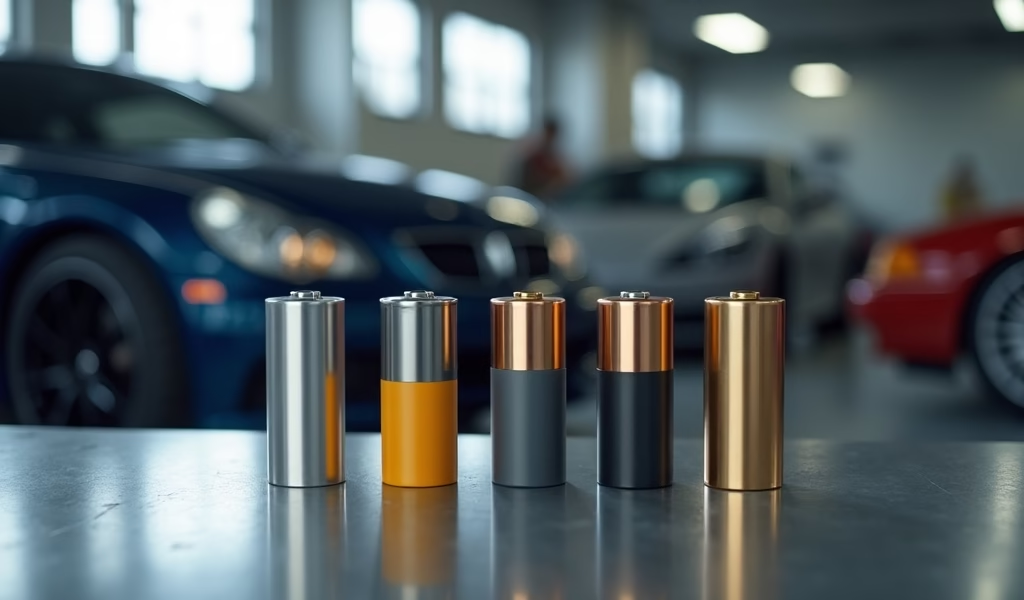
Sometimes bigger is better. D-cell alkaline batteries are the heavy-duty trucks of the battery world—not the most sophisticated option, but undeniably effective for specific applications.
The primary advantage of D-cells lies in their marathon-like runtime. When you need light for extended periods—perhaps during a prolonged roadside repair or while waiting for assistance—these substantial power cells deliver hour after hour of steady illumination.
While lithium alternatives exist, standard alkaline D-cells represent an economical choice for budget-conscious drivers. Their widespread availability and relatively low cost per hour of operation make them practical for occasional use scenarios.
Traditional flashlights like the Maglite ML300L showcase the enduring appeal of D-cell power. These substantial tools double as emergency impact tools in worst-case scenarios—a secondary function unique to this larger form factor.
The trade-off comes in storage requirements. D-cell flashlights demand significantly more space than their compact counterparts, often relegating them to trunk storage rather than immediate cockpit access.
Maintenance Tips for Car Flashlights
Like checking your oil regularly, establishing a flashlight testing schedule prevents unwelcome surprises. Mark your calendar for quarterly inspections—perhaps when you rotate your tires—to ensure your light remains in fighting form.
Storage location dramatically impacts battery life and flashlight reliability. Avoid placing your flashlight in direct sunlight on dashboards or in unconditioned areas where temperature extremes are most severe. The center console or glove compartment provides a more moderate environment.
For non-rechargeable batteries, implement a rotation system where batteries are replaced preventatively rather than reactively. This approach might seem wasteful, but it’s considerably less expensive than roadside assistance when your flashlight fails at a critical moment.
Regular maintenance should include cleaning battery contacts with isopropyl alcohol to remove corrosion or debris that might interrupt power flow. Also check rubber O-rings and seals, applying silicone grease if necessary to maintain water resistance.
Conclusion
The humble flashlight, powered by the right battery, transforms from a basic tool into an essential safety device for automotive emergencies. Your choice ultimately depends on your specific needs and priorities.
For maximum performance regardless of conditions, lithium-ion 18650 rechargeables offer unmatched power and convenience, though they require an initial investment in quality hardware.
CR123A lithium batteries provide the best balance of size, longevity, and performance resilience, making them ideal for vehicles that might sit unused for extended periods.
Lithium AA or AAA batteries offer familiar formats with significantly improved performance over alkaline counterparts, plus the advantage of universal availability.
D-cell options remain relevant for those prioritizing extended runtime over compactness, particularly in scenarios where prolonged illumination might be necessary.
In my years as a mechanic, I’ve found that preparation prevents predicaments. A quality flashlight with appropriate batteries represents one of the most cost-effective insurance policies against roadside misfortunes. When darkness falls on your automotive adventures, the right light makes all the difference between an inconvenience and an ordeal.
Frequently Asked Questions
How long do lithium batteries typically last in a car flashlight?
Lithium batteries can last 5-10 years in storage and provide 2-5 hours of continuous use depending on the flashlight’s brightness setting. Their superior temperature resistance makes them ideal for the automotive environment.
Can I use regular alkaline batteries in my car flashlight?
Yes, but they’re not recommended for long-term storage in vehicles due to poor temperature tolerance and potential leakage. They also lose power significantly faster than lithium alternatives in extreme temperatures.
What’s the best battery type if my car sits unused for long periods?
CR123A lithium batteries offer the best combination of long shelf life (10+ years) and temperature resistance for seldom-used vehicles. They maintain their charge even after years of sitting in varying conditions.
Are rechargeable batteries worth the higher initial cost for car flashlights?
Absolutely, especially if you use your flashlight regularly for car maintenance or other purposes. Rechargeable 18650 batteries typically pay for themselves after 5-10 charging cycles compared to disposable alternatives.
How often should I check and replace the batteries in my car flashlight?
Inspect your car flashlight quarterly and test it briefly to ensure proper function. For non-rechargeable batteries, consider preventative replacement annually regardless of apparent condition, or more frequently in extreme climates.