
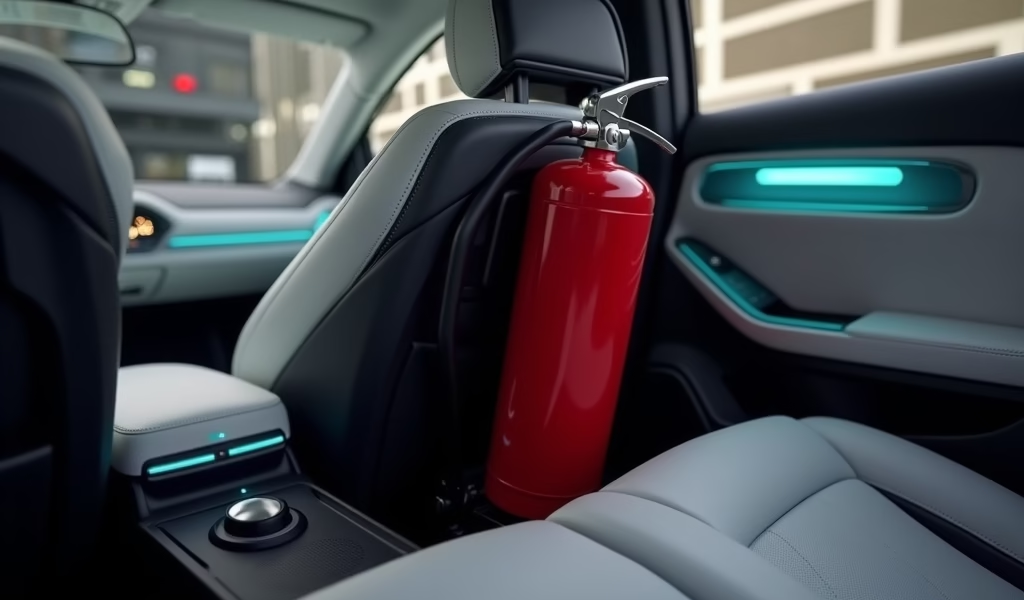
Overview
For the driver who prefers not to become a human s’more, this article details five critical vehicle safety upgrades beyond just buckling up – starting with proper fire extinguisher mounting (to combat the 174,000 annual vehicle fires), and extending to emergency escape tools, enhanced first aid kits, backup communication devices, and visibility equipment. These affordable upgrades (costing around $150-200 total) provide crucial protection during emergencies, with regular maintenance ensuring they’re ready when seconds count between a minor incident and a potential tragedy.
Table of Contents
- Introduction: Vehicle Safety Beyond Seat Belts
- Why Vehicle Fire Extinguishers Matter
- Safety Upgrade #1: Proper Fire Extinguisher Mounting Solutions
- Safety Upgrade #2: Emergency Escape Tools
- Safety Upgrade #3: Enhanced First Aid Kit
- Safety Upgrade #4: Emergency Communication Devices
- Safety Upgrade #5: Visibility and Warning Equipment
- Installation and Maintenance Tips
- Conclusion
- Frequently Asked Questions
Introduction: Vehicle Safety Beyond Seat Belts
Every time you slip behind the wheel, you’re probably following the same routine—buckle up, adjust mirrors, maybe check your fuel gauge. But how many of us have truly prepared for the unexpected? As a mechanic with 15 years in the field, I’ve seen firsthand what happens when preparation meets emergency—and when it doesn’t.
According to the National Fire Protection Association, nearly 174,000 vehicle fires occur annually in the United States alone. These incidents claim approximately 300 lives and cause 1,250 injuries each year. That’s roughly one car fire every three minutes.
Vehicle safety isn’t just about defensive driving or regular maintenance—though those are certainly part of learning proper car maintenance. Sometimes, it’s the safety equipment you install that makes all the difference between a close call and a tragedy.
In my garage, we have a saying: “Hope for smooth roads, but pack for potholes.” Fire extinguisher mounting and other crucial safety upgrades fall firmly into that “packing for potholes” category—they’re precautions you hope to never use, but you’ll be eternally grateful to have when needed.
Let’s dive into five essential safety upgrades every vehicle owner should consider, starting with proper fire extinguisher mounting—a simple addition that could literally save your life.
Why Vehicle Fire Extinguishers Matter
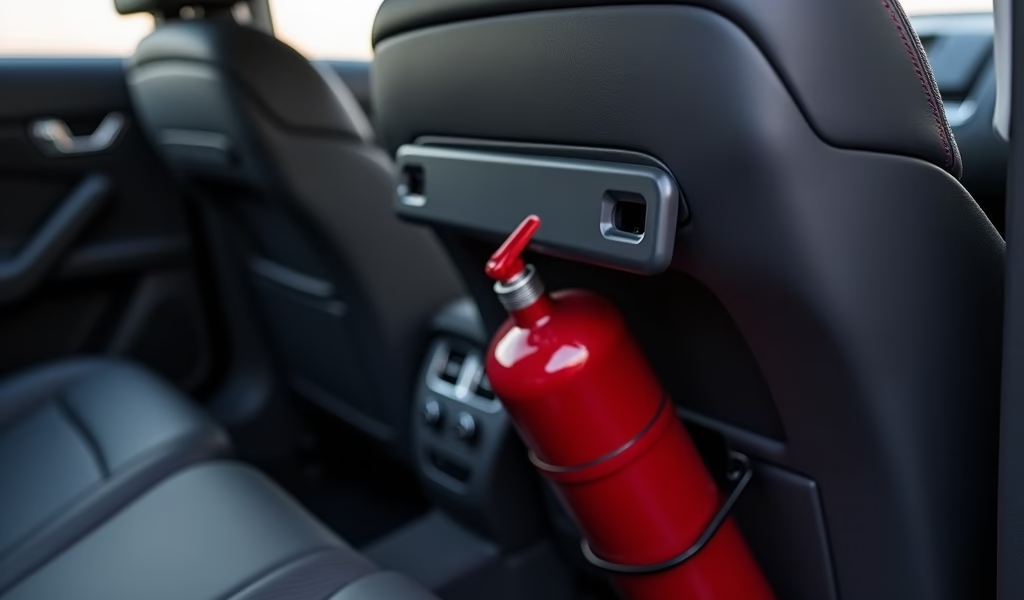
Contrary to what action movies suggest, cars don’t typically explode at the slightest provocation. However, they absolutely can catch fire, and when they do, the situation escalates rapidly. A vehicle fire typically engulfs the entire car within 5-7 minutes—barely enough time for emergency services to arrive, even in urban areas.
In my 15 years as a mechanic, I’ve seen vehicle fires start from numerous sources:
- Electrical short circuits in aging wiring
- Fuel line leaks after minor collisions
- Overheated engines during summer travel
- Oil dripping onto hot exhaust components
- Battery failures and charging system issues
Last summer, a client named Mike pulled into my shop with a singed jacket and a harrowing tale. His engine had caught fire on the highway after a minor fuel leak. Thanks to the compact fire extinguisher mounted beside his driver’s seat, he managed to suppress the flames before they reached the main fuel line. That $35 extinguisher saved his $35,000 truck—and possibly his life.
Fire extinguishers aren’t just for commercial kitchens or industrial settings. They’re critical safety tools for any vehicle, whether you’re commuting to work or taking a cross-country road trip. Unlike many expensive vehicle accessories, this is one investment that delivers returns measured not in convenience but in safety and peace of mind.
Safety Upgrade #1: Proper Fire Extinguisher Mounting Solutions
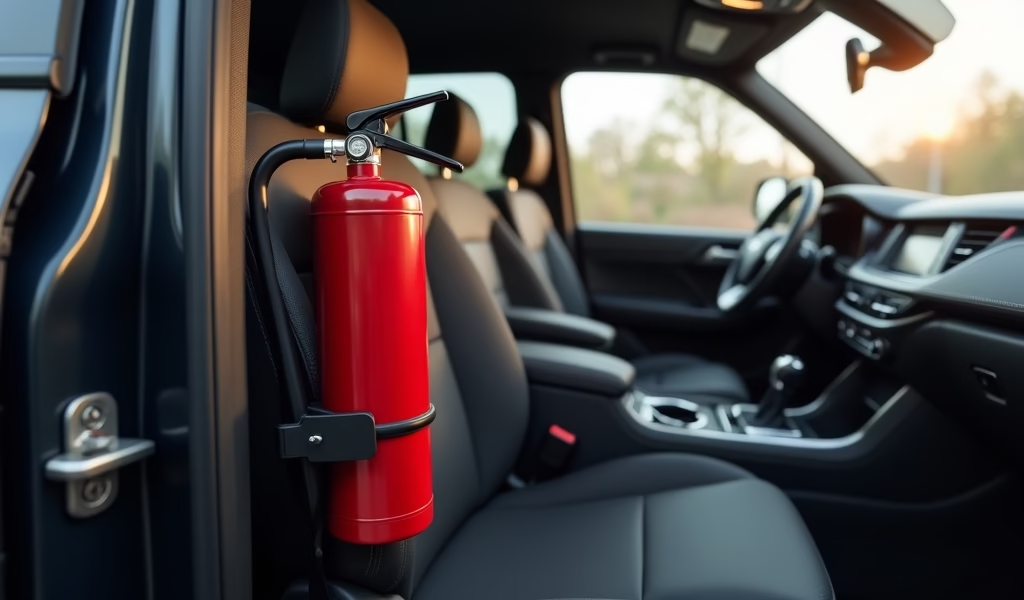
Having a fire extinguisher in your vehicle is only half the solution—mounting it properly where you can access it quickly during an emergency is equally crucial. Fire extinguisher mounting isn’t just about convenience; it’s about accessibility in those critical first moments of a fire.
For optimal placement in different vehicle types:
- Sedans and compact cars: Mount on the side of the driver’s seat or secured to the floor just in front of the seat using a quick-release bracket.
- SUVs and trucks: Consider mounting to the side of the center console, on the back of the front passenger seat, or along the side wall of the cargo area.
- RVs and campers: Mount near exits and cooking areas, with at least one extinguisher accessible from the driver’s seat.
The hardware you use matters significantly. Look for vehicle-specific mounting brackets that can withstand vibration and sudden stops. Brands like Amerex and Kidde offer quality mounting solutions designed specifically for automotive use.
When installing your extinguisher mount, position it so that:
- The extinguisher label faces outward for quick identification
- The safety pin is easily accessible
- The handle can be gripped naturally when removing it
- It doesn’t interfere with leg movement or driving controls
For most personal vehicles, a 2-5 pound ABC-rated dry chemical extinguisher provides the best balance of effectiveness and size. These versatile extinguishers can handle Class A (ordinary combustibles), Class B (flammable liquids), and Class C (electrical) fires—covering most vehicle fire scenarios.
Remember, a fire extinguisher rolling around your floorboard isn’t just ineffective—it’s potentially dangerous in a collision or sudden stop. Proper fire extinguisher mounting keeps both you and your safety equipment secure, ready when you need it most.
Safety Upgrade #2: Emergency Escape Tools
While we’re bolstering your vehicle’s safety arsenal, let’s talk about getting out when conventional exits become unusable. Emergency escape tools complement your fire extinguisher perfectly, creating a comprehensive safety system.
These compact devices typically combine:
- A seatbelt cutter to free you from restraints that won’t release
- A window breaker (usually spring-loaded or hammer-style) to shatter tempered glass
- Sometimes a flashlight or emergency beacon
The ideal mounting location is within arm’s reach of the driver but secured so it doesn’t become a hazard during normal driving. Popular mounting spots include:
- On the side of the center console
- Attached to the driver’s sun visor
- Secured to the driver’s door pocket
- For multi-tool versions, sometimes in the glove compartment
Here’s a scenario I’ve unfortunately witnessed: A customer’s vehicle caught fire after a collision. She used her extinguisher to fight the initial flames, but smoke was filling the cabin and the doors were jammed from impact. Her escape hammer made quick work of the side window, allowing her to exit safely.
Quality matters with these tools. Avoid bargain bin options that might fail when needed. Look for brands like ResQMe, LifeHammer, or INGEAR that have been tested in real-world conditions. Expect to spend $10-20 for a reliable tool that could make all the difference in an emergency.
Like fire extinguisher mounting, the installation of these tools requires thoughtful placement. They should be secure enough to stay put during driving but accessible enough to grab quickly in an emergency—even in darkness or when the vehicle is tilted at an odd angle.
Safety Upgrade #3: Enhanced First Aid Kit
Let’s be honest—that tiny factory-included first aid kit (if your car even came with one) isn’t going to cut it in a real emergency. A properly stocked first aid kit complements your fire extinguisher and escape tools, creating a comprehensive safety net for whatever the road throws your way.
Beyond the basics of band-aids and antiseptic wipes, an enhanced automotive first aid kit should include:
- Burn cream and specialized burn dressings (critical for fire-related injuries)
- Emergency mylar blankets for shock or extreme weather
- Instant cold packs for sprains and swelling
- Nitrile gloves (at least 2-3 pairs)
- Sterile eye wash solution
- Medical-grade tape and butterfly closures
- Trauma shears that can cut through seat belt material
- CPR face shield
Organization is crucial during an emergency. Use clear, compartmentalized containers or color-coding systems so you can quickly find what you need. Waterproof storage protects your supplies from the elements and inevitable spills.
Where should you keep this kit? Ideally, secure it in your trunk or cargo area where it won’t become a projectile during a collision, but still remains accessible. Some drivers keep a smaller “quick-response” kit in the glove compartment with the most critical items, backed up by a more comprehensive kit in the trunk.
Pro tip from the shop: Include a small but powerful flashlight in your kit. I’ve seen many drivers try to address injuries using only their phone’s flashlight, which drains the battery you might need for emergency calls. A dedicated flashlight with fresh batteries can be a lifesaver, especially during night emergencies.
When saving money on car maintenance, your safety equipment is not the place to cut corners. A quality first aid kit costs $30-50 and could make the difference between a minor incident and a major emergency.
Safety Upgrade #4: Emergency Communication Devices
In our hyper-connected world, it’s easy to assume your smartphone will save the day in any emergency. But what happens when you’re in a remote area with no service, your phone is damaged in an accident, or the battery dies at the worst possible moment?
Backup communication options complement your other safety equipment, including your fire extinguisher mounting system, by ensuring you can always call for help when you need it most.
Consider adding these communication tools to your vehicle:
- Power banks or hand-crank chargers for your existing devices
- CB radio for highway travel (especially useful for truckers and RV owners)
- Emergency satellite beacons for remote travel (models from Garmin or SPOT)
- Traditional whistle (sometimes the simplest tools are the most reliable)
- Signal mirror for daytime emergencies in remote areas
Additionally, consider installing emergency-focused apps like what3words, which can pinpoint your location with just three words, even when traditional addresses aren’t available. The American Red Cross First Aid app provides guidance for treating injuries when professional help isn’t immediately available.
A client of mine who frequently drives through mountain passes keeps a dedicated emergency phone in his glove compartment—an older model phone with a prepaid SIM card that’s always fully charged and used only for emergencies. It’s saved him twice when his primary phone was damaged or depleted.
Mount or store these communication devices in accessible locations, but separate from your primary phone. This distribution strategy increases the likelihood that at least one communication method will survive whatever incident compromises your vehicle.
Safety Upgrade #5: Visibility and Warning Equipment
When your vehicle becomes disabled, especially at night or in poor weather, visibility becomes your best defense against secondary accidents. After deploying your fire extinguisher or while waiting for help, making yourself and your vehicle visible can prevent a bad situation from becoming worse.
Essential visibility equipment includes:
- Reflective triangles (place them at 50, 100, and 150 feet behind your vehicle)
- LED emergency lights or electronic flares (eliminating the fire risk of traditional road flares)
- High-visibility vests for all regular passengers
- A powerful flashlight with a strobe setting
- Reflective tape applied to your emergency kit and tools
These items create a safety perimeter around your vehicle and make you visible to oncoming traffic. I recommend storing these items together in a dedicated visibility kit, secured near your spare tire or in another accessible but out-of-the-way location.
I’ll never forget the customer who came in for repairs after a nighttime breakdown on a rural highway. She had set up her reflective triangles according to proper spacing guidelines. A semi-truck driver later stopped to help and told her he’d spotted her triangles from nearly a quarter-mile away—giving him plenty of time to safely change lanes and avoid her disabled vehicle.
“Those $25 triangles saved me from being a highway statistic,” she told me. It’s hard to argue with that kind of return on investment.
When selecting visibility equipment, opt for quality over bargain options. LED flares should have long battery life and weather resistance. Reflective triangles should be sturdy enough to stay upright in wind. High-visibility vests should fit over winter coats when needed.
Installation and Maintenance Tips
Safety equipment is only effective when it’s properly installed and maintained. Like essential car maintenance, your safety gear needs regular attention to ensure it’s ready when you need it most.
For fire extinguishers:
- Check pressure gauges monthly (the needle should be in the green zone)
- Verify mounting brackets remain tight every 3 months
- Inspect for corrosion or damage quarterly
- Have them professionally inspected annually
- Replace according to manufacturer guidelines (typically every 5-12 years)
- After any use, even a partial discharge, replace immediately
For emergency tools and kits:
- Check batteries in flashlights and electronic devices quarterly
- Replace any used or expired first aid supplies immediately
- Verify the functionality of escape tools annually
- Update emergency contact information as needed
- Inspect for water damage or deterioration after severe weather events
Pro tip from the garage: Set calendar reminders that coincide with seasonal maintenance like oil changes or tire rotations. This way, your safety check becomes part of your regular car care routine, not an easily forgotten afterthought.
When installing fire extinguisher mounting brackets or other safety equipment, pay attention to these details:
- Use appropriate hardware for your vehicle’s interior materials
- Avoid mounting locations that interfere with airbag deployment zones
- Ensure items are secure enough not to become projectiles in a collision
- Consider temperature extremes in your climate (some equipment degrades in high heat)
- Make sure all family members or regular passengers know where safety equipment is located
Remember that safety equipment maintenance isn’t just about function—it’s about confidence. When an emergency strikes, you want absolute certainty that your equipment will perform as expected. Regular checks and maintenance provide that peace of mind.
Conclusion
When it comes to vehicle safety upgrades, we’re not just talking about convenience features—we’re talking about potential lifesavers. From proper fire extinguisher mounting to comprehensive visibility equipment, each element builds a safety net that could make all the difference during those critical moments when seconds count.
The beauty of these five upgrades lies in their accessibility. For approximately $150-200 total, you can implement all the recommendations in this article. Compare that to the average cost of vehicle fire damage ($8,000+) or the incalculable value of preventing injury, and it becomes one of the most cost-effective insurance policies you’ll ever purchase.
As a mechanic who’s witnessed both the aftermath of preparedness and its absence, I can tell you that these simple upgrades represent some of the best investments you can make in your vehicle—and in your family’s safety.
Remember, the most effective emergency is the one that never escalates beyond a minor incident because you had the right tools at the right time. Your vehicle fire extinguisher, properly mounted and maintained, might sit quietly for years. But should the moment arise when you need it, that quiet sentinel becomes the difference between a story you tell and one you wish you could forget.
Drive safely, prepare thoroughly, and enjoy the road with the confidence that comes from knowing you’re ready for whatever lies ahead.
Frequently Asked Questions
Where is the best location to mount a fire extinguisher in my car?
The best location is within easy reach of the driver’s seat, typically secured to the side of the seat or the floor in front of it. Ensure it doesn’t interfere with pedal operation or become a hazard during sudden stops.
What type of fire extinguisher is best for vehicles?
An ABC-rated dry chemical extinguisher (2-5 pounds) is ideal for vehicles as it handles all common vehicle fire types. Look for models specifically designed for automotive use with vehicle-appropriate mounting brackets.
How often should I check my car fire extinguisher?
Check the pressure gauge monthly and inspect the mounting hardware quarterly. Have the extinguisher professionally inspected annually and replace it according to the manufacturer’s guidelines, typically every 5-12 years.
Can extreme temperatures affect my car fire extinguisher?
Yes, extreme temperatures can affect extinguisher performance and pressure levels. If you live in an area with temperature extremes, check your extinguisher more frequently and consider a model rated for wider temperature ranges.
Is it legal to have a fire extinguisher mounted in my personal vehicle?
Yes, it’s legal and encouraged in personal vehicles in all U.S. states. Commercial vehicles often have specific requirements for extinguisher type and mounting location based on vehicle size and purpose.