

Overview
This article outlines seven essential car maintenance tips that can extend vehicle life when paired with car-finding apps, covering oil changes, tire care, battery monitoring, brake maintenance, air filter replacement, timing belt service, and using technology for maintenance tracking. Beyond just locating parked vehicles, modern find-my-car apps serve as digital maintenance assistants that provide personalized service reminders based on driving habits, helping owners prevent costly repairs through proactive maintenance.
Table of Contents
- Introduction to Find My Car App
- Tip 1: Regular Oil Changes and Fluid Checks
- Tip 2: Tire Maintenance and Rotation
- Tip 3: Battery Care and Monitoring
- Tip 4: Brake System Maintenance
- Tip 5: Air Filter Replacement
- Tip 6: Timing Belt and Chain Maintenance
- Tip 7: Using Technology for Maintenance Reminders
- Conclusion
- Frequently Asked Questions
Introduction to Find My Car App
Ever walked out of a mall and completely blanked on where you parked? Or maybe you’ve had that sinking feeling when your engine makes a noise that wasn’t there yesterday? I’ve been there, friend. As a mechanic with 15 years under my belt (and plenty of grease stains to prove it), I’ve seen how technology can be a lifesaver for the everyday driver. The find my car app revolution isn’t just about locating your vehicle in a crowded parking lot—it’s becoming a powerful ally in maintaining your four-wheeled investment.
These nifty applications have evolved from simple location trackers to comprehensive maintenance assistants. They’re like having a pocket-sized mechanic who never takes a day off. Through my years fixing everything from temperamental transmissions to fidgety fuel pumps, I’ve discovered that the most reliable vehicles belong to folks who stay ahead of maintenance issues. And that’s exactly where a good find my car app shines.
In this guide, I’ll walk you through seven proven maintenance tips that, when paired with the right find my car app, will keep your vehicle purring like a contented cat. We’ll cover everything from oil changes (the lifeblood of your engine) to timing belt maintenance (the silent killer that can drain your wallet if ignored). So buckle up—we’re about to take your car care routine from “check engine light panic” to “smooth sailing confidence.”
Tip 1: Regular Oil Changes and Fluid Checks
Let’s kick things off with the most fundamental maintenance task: oil changes. I can’t count how many expensive engine repairs I’ve performed that could’ve been avoided with regular oil changes. Your find my car app can be programmed to remind you when it’s time for that fresh oil, taking the guesswork out of maintenance schedules.
Most modern vehicles need an oil change every 5,000 to 7,500 miles, though some synthetic oils can stretch to 10,000 miles. But here’s the kicker—your driving habits matter enormously. Short trips, stop-and-go traffic, and extreme temperatures all call for more frequent changes. A good find my car app will track your actual driving conditions and adjust recommendations accordingly, something that those little sticker reminders from quick-lube shops just can’t do.
Beyond oil, your vehicle has a veritable cocktail of fluids keeping things running smoothly. Transmission fluid, brake fluid, power steering fluid, coolant—they all need regular checking. The beauty of many find my car apps is their ability to create custom reminders for each fluid type based on your specific vehicle’s maintenance schedule. Some advanced apps even integrate with OBD-II devices to monitor fluid temperatures and alert you to potential problems before they leave you stranded.
According to a study by AAA, regular oil changes can extend engine life by up to 50%. That’s not just mechanic talk—that’s serious money saved on premature engine replacement. I’ve seen engines with 300,000+ miles still running strong, simply because their owners were religious about fresh oil.
Tip 2: Tire Maintenance and Rotation

Your tires are literally where the rubber meets the road, and they tell me more about how you treat your car than almost anything else. Uneven wear patterns? You’re probably overdue for an alignment. Scalloped edges? Your suspension components might be worn. The right find my car app can help you stay on top of tire maintenance with visual guides that show you exactly what to look for during inspections.
Regular rotations are crucial—I recommend every 5,000 to 8,000 miles. This ensures even wear across all four tires, extending their life and saving you a pretty penny. Many find my car apps now include tire rotation tracking that syncs with your mileage and can even suggest rotation patterns based on your specific vehicle’s drivetrain (front-wheel, rear-wheel, or all-wheel drive).
Don’t forget about tire pressure! It’s the maintenance task most drivers neglect, yet it affects everything from fuel economy to handling and safety. The National Highway Traffic Safety Administration reports that properly inflated tires can save you up to 11 cents per gallon on fuel. That adds up! Premium find my car apps can sync with tire pressure monitoring systems to give you real-time updates and alert you when pressure drops below optimal levels.
Here’s a pro tip from someone who’s changed thousands of tires: photograph your tire tread depth occasionally and store these images in your find my car app. This visual history helps you track wear patterns over time and can alert you to alignment or suspension issues before they become expensive problems.
Tip 3: Battery Care and Monitoring
Nothing ruins your day quite like a car that won’t start. In my years turning wrenches, I’ve seen countless folks stranded by batteries that gave up the ghost without warning. Here’s where your find my car app becomes particularly valuable—many newer versions can monitor battery health through OBD-II connections, giving you advance notice when your power source is starting to fade.
Most car batteries last 3-5 years, but extreme temperatures can dramatically shorten that lifespan. If you live somewhere that sees blistering summers or freezing winters (or both!), your battery is under extra stress. A good find my car app will factor in your local climate when predicting battery life and sending replacement reminders.
Battery terminals need regular cleaning to prevent corrosion. It’s a simple task that takes five minutes but can prevent frustrating no-start situations. Your find my car app should remind you to check for the white or bluish powdery substance that indicates corrosion is building up. Some of the more comprehensive apps even provide step-by-step guides with photos showing exactly how to clean terminals safely.
For the tech-savvy car owner, certain find my car apps can now pair with Bluetooth battery monitors that provide real-time voltage readings. These nifty devices can detect when your alternator isn’t charging properly or when your battery is struggling to hold a charge—often weeks before you’d notice any symptoms.
Tip 4: Brake System Maintenance
Your brakes aren’t just important—they’re literally a matter of life and death. As someone who’s rebuilt more brake systems than I can count, I can tell you that regular inspection and maintenance isn’t optional. Many drivers wait until they hear that telltale screech of metal-on-metal before bringing their vehicle in, but by then, they’re looking at rotors, calipers, AND pads instead of just a simple pad replacement.
A quality find my car app can track your mileage and driving habits to predict when brake inspections are needed. City drivers who are constantly stopping and starting will need more frequent brake service than highway cruisers. The smart algorithms in these apps adjust accordingly, giving you personalized maintenance schedules.
Brake fluid absorbs moisture over time, which lowers its boiling point and can lead to brake fade during heavy use. Most manufacturers recommend changing brake fluid every 2-3 years, regardless of mileage. Your find my car app should track this time-based maintenance item separately from mileage-based services and remind you when it’s due.
Here’s something many drivers don’t realize: modern vehicles with ABS and stability control systems rely on clean brake fluid to function properly. These advanced safety features can be compromised by old, contaminated fluid. The best find my car apps will explain these connections, helping you understand why fluid flushes matter beyond just the brake pedal feel.
When you do need brake work, some find my car apps can estimate costs based on your specific vehicle and location, helping you budget for the expense. They might even connect you with highly-rated service centers nearby that specialize in brake work.
Tip 5: Air Filter Replacement
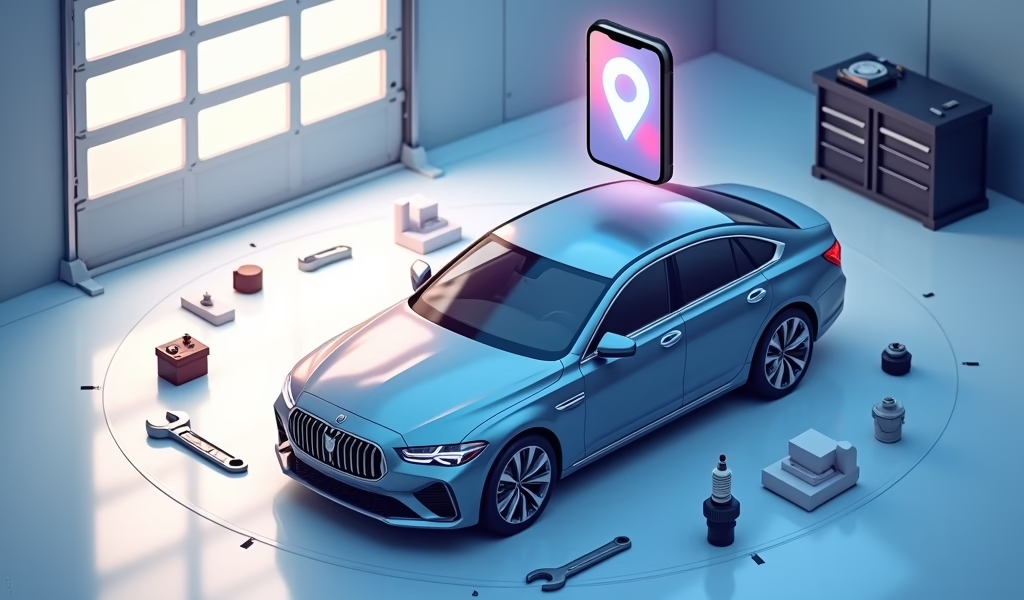
Your engine breathes through its air filter, and just like you wouldn’t run a marathon wearing a dust mask, your car needs clean airways to perform its best. I’ve seen engines running rich, burning excess fuel, and losing power—all because of a $15 air filter that should have been changed months ago. It’s one of the simplest maintenance tasks that delivers remarkable benefits.
Most manufacturers recommend changing your air filter every 15,000 to 30,000 miles, but this varies dramatically based on your driving environment. If you frequently travel dusty roads or live in a high-pollution area, you’ll need more frequent replacements. The beauty of advanced find my car apps is their ability to adjust recommendations based on your GPS data and local air quality reports.
Don’t forget about your cabin air filter! This often-neglected filter keeps the air inside your vehicle clean, which is especially important for allergy sufferers or anyone who values breathing clean air. Your find my car app should track both engine and cabin air filter changes separately, with visual reminders showing the difference between the two.
Some find my car apps now include augmented reality features that use your phone’s camera to show exactly where filters are located in your specific vehicle. This turns a potentially intimidating DIY job into a simple task anyone can handle. For the budget-conscious driver, the cost savings from DIY filter changes can add up to hundreds of dollars over the life of your vehicle.
According to the U.S. Department of Energy, replacing a clogged air filter can improve fuel economy by up to 10% in older vehicles with carbureted engines. While the improvement is smaller in modern fuel-injected engines, a clean filter still ensures optimal performance and reduces harmful emissions.
Tip 6: Timing Belt and Chain Maintenance
If I had a dollar for every engine ruined by a snapped timing belt, I could retire to a beach somewhere. Timing belts and chains are the silent workhorses of your engine, synchronizing the movement of valves and pistons. When they fail, the results can be catastrophic—bent valves, damaged pistons, and repair bills that make your eyes water.
Many vehicles use timing belts that need replacement every 60,000 to 100,000 miles. Others use timing chains that can last the lifetime of the engine (though “lifetime” doesn’t always mean what you might think). Your find my car app should identify which type your vehicle has and track the appropriate maintenance schedule. The best apps will even differentiate between interference and non-interference engines, explaining the higher stakes of timing component failure in interference designs.
Timing belt replacement isn’t cheap—typically $500 to $1,000 depending on your vehicle—but it’s a fraction of what an engine rebuild costs. Some find my car apps include maintenance cost forecasting features that help you budget for these larger expenses well in advance. They might even suggest bundling the timing belt replacement with water pump service, since the labor overlap makes this economically sensible.
For vehicles with timing chains, your app should help you recognize the warning signs of chain stretch or tensioner failure—unusual engine noises, check engine lights, or poor performance. Early detection of these issues can save you from much more expensive repairs down the road.
I’ve seen vehicles roll into my shop with 200,000+ miles on the original timing components because their owners followed proper maintenance schedules. Your find my car app can help you achieve this kind of longevity by keeping these critical but hidden components on your maintenance radar.
Tip 7: Using Technology for Maintenance Reminders
The days of oil change stickers and scribbled service records in your glove compartment are behind us. Today’s find my car app technology transforms maintenance tracking from a chore into an automated system that works silently in the background until you need it. But not all apps are created equal—some offer basic location services, while others provide comprehensive maintenance management.
The best find my car apps sync with your vehicle’s onboard computer through OBD-II connections, pulling real-time data about engine performance, fuel economy, and developing problems. They don’t just remind you when service is due—they can tell you WHY it’s necessary based on actual vehicle data. Some can even detect minor issues before they become major repairs, like slight changes in fuel pressure or cooling system efficiency.
Calendar integration is another game-changer. When your find my car app detects an upcoming maintenance need, it can automatically suggest appointment slots at your preferred service centers and add them to your digital calendar. The friction between knowing you need maintenance and actually scheduling it disappears, making you more likely to stay current with service.
Many apps now include service history documentation features that create a digital maintenance record far more detailed and secure than paper records. This comprehensive history can significantly increase your vehicle’s resale value by demonstrating your meticulous care to potential buyers. Some apps even generate shareable reports formatted specifically for vehicle sales listings.
Finally, don’t overlook the social features in some find my car apps that connect you with communities of owners driving the same vehicle. These forums can provide invaluable insights about common issues, DIY repair tips, and realistic maintenance intervals based on real-world experience rather than sometimes-optimistic manufacturer recommendations.
Conclusion
Throughout my years turning wrenches and diagnosing mysterious engine noises, I’ve seen a clear pattern: the vehicles that last longest belong to owners who stay ahead of maintenance, not those who react to problems. Your find my car app transforms from a simple parking spot locator into a powerful preventive maintenance tool when you embrace these seven proven tips.
From tracking essential fluid changes to monitoring complex timing components, today’s technology puts expert-level maintenance management in everyone’s pocket. The days of maintenance anxiety—wondering if you’ve missed something important or if that strange noise means trouble—can be behind you.
Remember that even the best find my car app is only as effective as your willingness to follow through on its recommendations. When it reminds you that an oil change is due or suggests having your battery tested before winter arrives, treat these notifications with the same seriousness you’d give my advice if we were standing in your driveway looking under the hood together.
Your vehicle is likely one of your largest investments. With the right find my car app and these maintenance fundamentals, you’re not just avoiding breakdowns—you’re protecting your investment, ensuring your safety, and likely saving thousands in premature repair and replacement costs. That’s not just smart car ownership—it’s smart financial planning.
Now, isn’t it time to check what maintenance your find my car app recommends this month?
Frequently Asked Questions
What’s the best find my car app for maintenance tracking?
Apps like aCar, CARFAX Car Care, and MyCarfax offer excellent maintenance tracking features. The best choice depends on your specific vehicle and whether you prefer DIY maintenance or professional service.
Can find my car apps really save me money on repairs?
Absolutely! By reminding you of preventive maintenance, these apps help you avoid costly repairs from neglected service. Many users report saving hundreds or even thousands of dollars annually.
Do find my car apps drain my phone battery?
Most modern find my car apps are optimized for low battery usage when running in the background. Only location-tracking features use significant power, and these can usually be configured to activate only when needed.
Can find my car apps work without internet connection?
Many find my car apps store basic information locally, allowing you to view maintenance history and upcoming service needs offline. However, features like GPS location and service appointment scheduling typically require connectivity.
Are premium versions of find my car apps worth the cost?
For most drivers, the premium features pay for themselves through prevented repairs and extended vehicle life. If you own a higher-value vehicle or plan to keep your car long-term, the investment is particularly worthwhile.