

Overview
When your car decides to throw a tantrum on the road, those little red triangles aren’t just fancy roadside decorations—they’re your ticket to not becoming roadkill. This article outlines five essential safety tips for properly using emergency triangles during vehicle breakdowns, maintaining your car to prevent emergencies, building a complete emergency kit, following proper roadside safety protocols, and preparing your vehicle seasonally to minimize the chances of ending up stranded.
Table of Contents
- Understanding Emergency Triangles: Your First Line of Defense
- Tip 1: Proper Placement of Your Emergency Triangle
- Tip 2: Regular Maintenance Checks for Peace of Mind
- Tip 3: Building Your Essential Car Emergency Kit
- Tip 4: Roadside Safety Protocols Every Driver Should Know
- Tip 5: Seasonal Preparation for Your Vehicle
- Conclusion
- Frequently Asked Questions
Understanding Emergency Triangles: Your First Line of Defense
The emergency triangle might seem like a simple piece of plastic, but it’s actually one of the most crucial safety devices you can keep in your vehicle. As a mechanic with 15 years of experience, I’ve responded to countless roadside emergencies where this humble tool made all the difference between safety and potential disaster.
Emergency triangles are reflective warning devices designed to alert oncoming traffic that a vehicle is stopped or disabled ahead. They’re particularly vital during night-time breakdowns or in poor visibility conditions where a stranded vehicle might otherwise go unnoticed until it’s too late.
Most quality emergency triangles are constructed with highly reflective materials that can be seen from hundreds of feet away, giving approaching drivers ample time to slow down and maneuver safely. In many countries and states, carrying at least one emergency triangle in your vehicle isn’t just a good idea—it’s the law.
I’ve witnessed firsthand how these simple devices can prevent secondary accidents when a car is disabled on the roadside. The few minutes it takes to set up your emergency triangle could quite literally save lives—including your own.
Tip 1: Proper Placement of Your Emergency Triangle
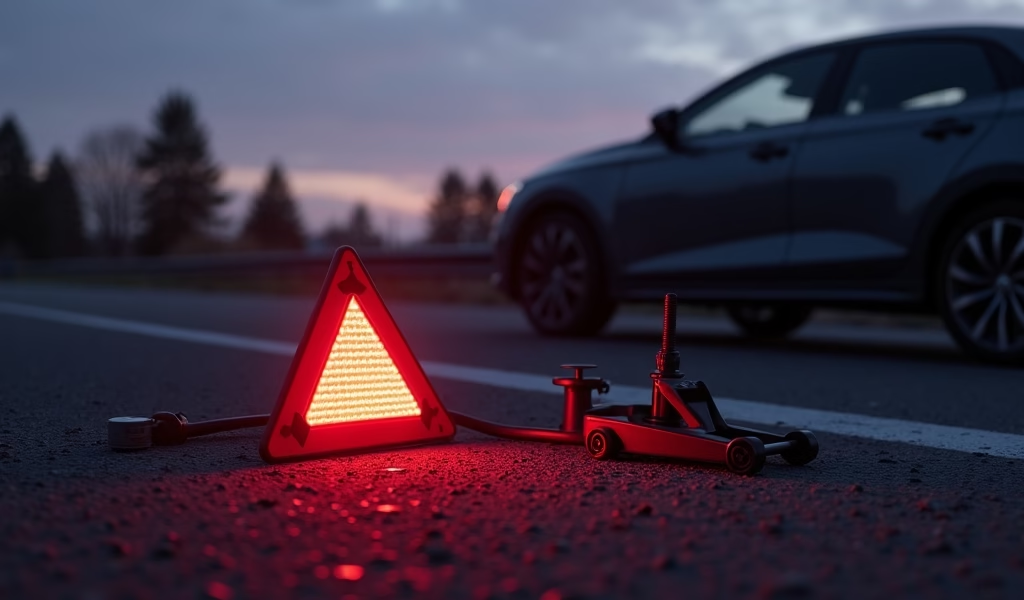
Knowing how to correctly position your emergency triangle can make all the difference when you’re stranded roadside. The general rule of thumb is to place your first triangle about 50 feet behind your vehicle on city streets, 100 feet on regular roads, and at least 200 feet on highways or when visibility is poor.
If you have multiple triangles (which I highly recommend), create a warning path. Place the first triangle closest to your vehicle, the second at a middle distance, and the third furthest back to give approaching drivers plenty of notice. This graduated warning system is particularly important on curves or hills where visibility is limited.
Remember these key placement tips:
- On two-lane roads, place triangles 100 feet behind your vehicle and 100 feet in front
- On divided highways, all triangles should be placed to the rear of your vehicle
- In urban areas with speed limits below 30 mph, 50 feet of distance is generally sufficient
- Always ensure triangles are stable and won’t be blown over by wind or passing vehicles
When setting up your emergency triangle, always face traffic and remain alert. I’ve seen too many close calls where drivers become so focused on their disabled vehicle that they forget about the danger of passing traffic. Your safety should always be the priority—which is why knowing how to change a flat tire safely goes hand-in-hand with proper emergency triangle placement.
Interestingly, research from the National Highway Traffic Safety Administration shows that properly placed warning devices can reduce the likelihood of secondary crashes by up to 40%. Those few minutes spent properly positioning your emergency triangle could quite literally save lives.
Tip 2: Regular Maintenance Checks for Peace of Mind
Prevention is always better than cure—especially when it comes to roadside emergencies. As a mechanic, I can’t stress enough how many breakdowns I’ve responded to that could have been entirely prevented with basic maintenance checks.
Establishing a regular maintenance routine doesn’t require expert knowledge. Even if you’re new to car maintenance for beginners, there are simple checks you can perform to keep your vehicle running smoothly and reduce the likelihood of needing that emergency triangle in the first place.
Start with these fundamental maintenance checks:
- Check your tire pressure monthly and before long trips (including your spare)
- Inspect tire tread depth using the penny test—insert a penny with Lincoln’s head upside down; if you can see his entire head, your treads are too worn
- Monitor all fluid levels: oil, coolant, brake fluid, and windshield washer fluid
- Test all lights regularly, including headlights, turn signals, brake lights, and hazard flashers
- Listen for unusual noises and pay attention to how your car feels when driving
I recommend creating a monthly maintenance calendar reminder on your phone. It takes just 15 minutes to perform these basic checks, but they can save you hours of waiting by the roadside and potentially hundreds of dollars in towing and emergency repair costs.
Your vehicle’s owner’s manual contains a wealth of information about recommended maintenance schedules specific to your car. According to Consumer Reports, following these manufacturer-recommended service intervals can extend your vehicle’s life by years and prevent up to 70% of mechanical breakdowns.
Tip 3: Building Your Essential Car Emergency Kit
While the emergency triangle is a crucial safety tool, it’s just one component of a well-prepared car emergency kit. After years of helping stranded motorists, I’ve developed what I consider the perfect emergency kit—one that’s saved countless drivers from extended roadside waits and potentially dangerous situations.
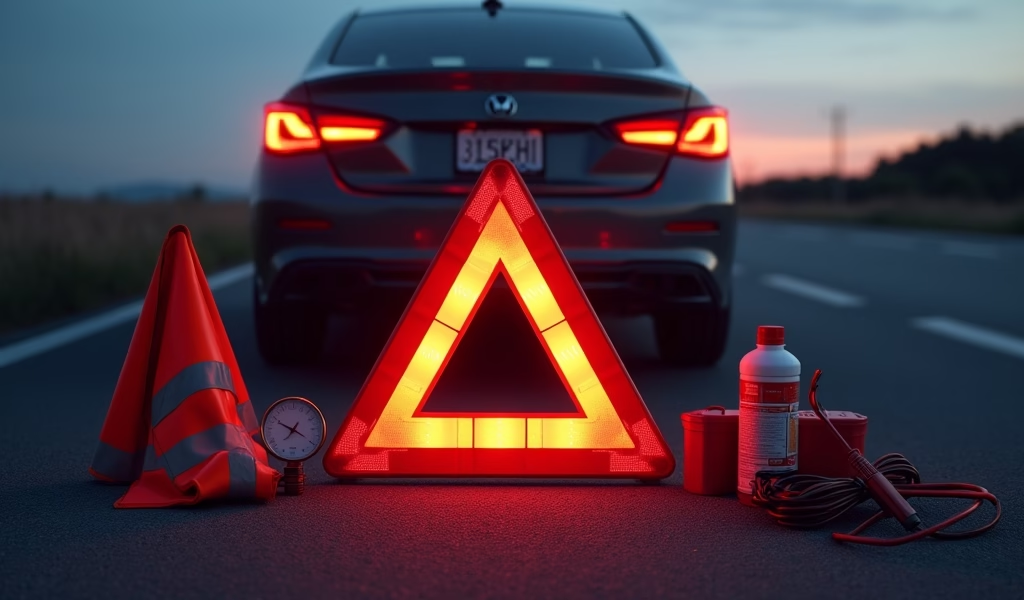
Your comprehensive car emergency kit should include:
- Multiple emergency triangles (ideally a set of three)
- A fully charged power bank or phone charger that works with your vehicle
- Basic first aid supplies including bandages, antiseptic wipes, and pain relievers
- Flashlight with extra batteries (or a hand-crank model)
- Multipurpose tool or basic tool kit with screwdrivers, pliers, and adjustable wrench
- Jumper cables or a portable jump starter
- Tire pressure gauge and portable air compressor
- Emergency blankets that reflect body heat
- Non-perishable snacks and bottled water
- Weather-appropriate extras (ice scraper, rain poncho, etc.)
Store these items in a durable, water-resistant container in your trunk or cargo area where they won’t slide around. The goal is to have everything organized and easily accessible when needed. Remember to check your kit twice yearly (I recommend when the clocks change) to replace expired items and ensure everything’s in working order.
For those in extreme climates, consider adding season-specific items like hand warmers, extra clothing layers, or sunscreen. These small additions can make a huge difference during an extended roadside wait. Your emergency kit should be tailored to your typical driving conditions and personal needs.
One often overlooked aspect of emergency preparedness is maintaining key essential car maintenance tips for your specific vehicle. This knowledge, combined with your well-stocked emergency kit, provides comprehensive protection against roadside troubles.
Tip 4: Roadside Safety Protocols Every Driver Should Know
When your vehicle breaks down, what you do in those first few minutes can determine whether the situation remains a minor inconvenience or escalates into something more dangerous. Having responded to thousands of roadside emergencies over my career, I’ve developed a clear protocol that prioritizes safety above all else.
If you experience a breakdown or need to stop due to a vehicle issue:
- Signal and move your vehicle as far off the roadway as safely possible
- Turn on your hazard lights immediately
- Set up your emergency triangle(s) according to the placement guidelines we discussed earlier
- Stay inside your locked vehicle with seatbelts fastened if you’re in a high-traffic area
- Call for assistance using your cell phone or roadside assistance service
If you must exit your vehicle, always do so from the passenger side, away from traffic. Wear bright or reflective clothing if available, especially during low-light conditions. Keep all passengers, especially children and pets, safely inside the vehicle and away from the road.
When assessing a vehicle problem, never position yourself between your disabled vehicle and oncoming traffic. I’ve witnessed too many close calls when drivers become focused on checking under the hood and lose awareness of approaching vehicles.
If you’re stranded in remote areas or during extreme weather, conserve fuel by running the engine only periodically to maintain warmth or cooling. This approach ensures you’ll have sufficient battery power for communications and enough fuel until help arrives.
According to AAA emergency roadside data, drivers who follow proper roadside safety protocols are significantly less likely to experience secondary incidents while waiting for assistance. The few minutes it takes to follow these safety steps could make all the difference in an emergency situation.
Tip 5: Seasonal Preparation for Your Vehicle
Your vehicle faces different challenges as seasons change, and preparing accordingly can prevent many roadside emergencies before they happen. As someone who’s helped drivers in everything from scorching summer heat to blinding blizzards, I can tell you that seasonal preparation isn’t just helpful—it’s essential.
For winter preparation:
- Test your battery—cold weather significantly reduces battery power
- Check antifreeze levels and condition
- Switch to winter-grade oil if recommended for your vehicle
- Install winter tires when temperatures consistently drop below 45°F
- Pack additional emergency supplies like a shovel, traction mats, and extra warm clothing
For summer readiness:
- Ensure your cooling system is working properly—check for leaks and proper coolant levels
- Test your air conditioning before the heat arrives
- Check that your tire pressure matches recommendations (heat causes pressure to increase)
- Replace wiper blades that show signs of sun damage or cracking
- Add extra water to your emergency supplies
The transitional seasons of spring and fall are perfect times for thorough vehicle inspections. These “maintenance checkpoints” allow you to prepare for the more extreme conditions of summer and winter while addressing any issues that developed during the previous season.
I particularly recommend a pre-trip inspection before any long journey. This quick check should include fluid levels, tire condition, all lights, and a test of your emergency triangle’s reflectivity. A simple 10-minute inspection could save you hours of delay and potential danger.
Studies from the U.S. Department of Transportation show that proper seasonal preparation can reduce weather-related vehicle incidents by nearly 30%. That’s a compelling reason to give your vehicle the seasonal attention it deserves.
Conclusion
Your emergency triangle represents more than just a plastic reflective device—it symbolizes a comprehensive approach to vehicle safety and preparedness. Throughout this guide, we’ve explored not just how to use this essential tool correctly, but how it fits into a complete system of vehicle maintenance, emergency preparedness, and roadside safety protocols.
From proper triangle placement to seasonal maintenance checks, building a comprehensive emergency kit to knowing exactly what to do when stranded—these five proven tips form a complete safety net for you and your loved ones on the road.
Remember that most roadside emergencies are preventable with regular attention to your vehicle’s needs. The time you invest in maintenance and preparation is minimal compared to the hours saved avoiding breakdowns and the peace of mind that comes with knowing you’re prepared for whatever the road might bring.
As a mechanic who’s seen both the consequences of unpreparedness and the success stories of well-equipped drivers, I can assure you that implementing these five tips will significantly enhance your safety on the road. Your emergency triangle is just the beginning—it’s the mindset of preparation and safety awareness that truly protects you behind the wheel.
Drive safely, stay prepared, and may your emergency triangle remain neatly packed away in your trunk—ready if needed, but ideally never put to use.
Frequently Asked Questions
How far should I place my emergency triangle behind my vehicle?
On highways, place it at least 200 feet behind your vehicle. For regular roads, 100 feet is sufficient, while 50 feet works for city streets with lower speed limits.
Are emergency triangles legally required in all vehicles?
Requirements vary by location, but many countries and some U.S. states legally require vehicles to carry emergency triangles. Check your local transportation laws for specific requirements.
How many emergency triangles should I carry in my vehicle?
Ideally, carry a set of three triangles for maximum visibility and safety. This allows you to create a warning path that gives approaching drivers plenty of notice.
Do emergency triangles expire or need replacement?
While they don’t technically expire, emergency triangles can become less effective if the reflective surfaces get damaged or dirty. Inspect them annually and replace if they show significant wear or reduced reflectivity.
Can I use my emergency triangle during daytime breakdowns?
Absolutely. While emergency triangles are especially valuable at night, they significantly improve visibility during daylight hours too, particularly in fog, rain, or when stopped around curves or hills.