
Overview
While your Durango’s transmission might seem mysterious, understanding the warning signs (delayed engagement, rough shifting, unusual noises) and following proper maintenance (regular fluid changes with the correct specification) can save you thousands in repair costs. From the older 4-5 speed transmissions to the newer 8-speed automatics, each Durango generation has specific quirks, but with proper care and prompt attention to minor issues, your transmission can easily surpass 150,000 miles of reliable service.
Table of Contents
- Understanding Durango Transmissions
- Warning Signs to Watch For
- Common Failure Points
- Maintenance Tips
- Repair Options
- Cost Considerations
- Extending Transmission Life
- Conclusion
- Frequently Asked Questions
Understanding Durango Transmissions
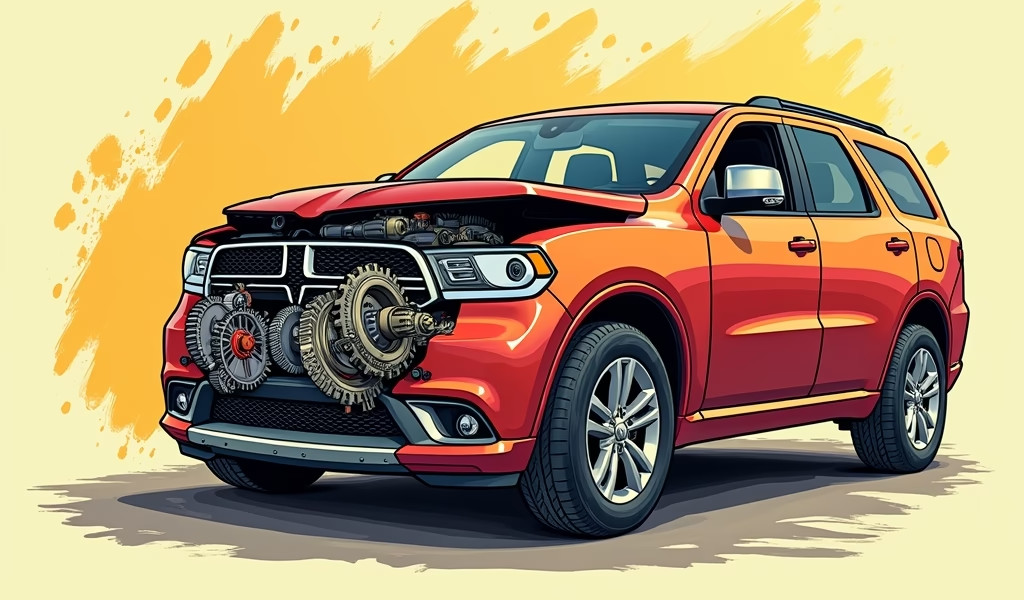
Let’s talk shop about your Dodge Durango’s transmission – the heart of your SUV’s power delivery system. Throughout the years, Dodge has equipped these capable vehicles with several different transmission types, each with its own personality and quirks.
The first and second-generation Durangos (1998-2009) typically came with either 4-speed or 5-speed automatic transmissions. When Dodge revamped the Durango for its third generation in 2011, they initially used 5-speed automatics for V6 models and 6-speed units for the HEMI V8 versions.
The real game-changer arrived in 2014 when Dodge introduced the 8-speed automatic transmission across the lineup. This sophisticated ZF-designed transmission improved both performance and fuel economy, though it did add more complexity to the system.
Each of these transmissions has different service requirements and potential trouble spots. Knowing which one sits in your Durango is the first step toward keeping it healthy for the long haul. You can usually find this information in your owner’s manual or by checking your vehicle identification number (VIN) with a dealership.
Warning Signs to Watch For
Your Durango won’t usually go from perfect operation to complete transmission failure without showing some warning signs first. Think of these symptoms as your vehicle’s way of asking for help before things get serious.
Delayed engagement is often one of the earliest red flags. If you shift from Park to Drive and notice a distinct pause before the vehicle actually moves, your transmission is trying to tell you something. This hesitation might be subtle at first—perhaps just a second or two—but can worsen over time.
Rough shifting is another common symptom. A healthy transmission should change gears almost imperceptibly. If you feel shuddering, grinding, or a distinct “clunk” when shifting, something’s not right. This is particularly common in Durangos when downshifting or when the transmission is cold.
Pay attention to unusual noises too. Listen for whining, buzzing, or clunking sounds that change with vehicle speed or occur during shifts. In Durangos, a high-pitched whine often points to pump problems, while clunking might suggest worn components or mount issues.
Fluid leaks are telling indicators of developing problems. Transmission fluid is typically reddish when fresh and darkens as it ages. If you spot fluid beneath your parked Durango, check its color and consistency. It should never be gritty or smell burnt. Common leak spots include the pan gasket, front pump seal, and cooler lines.
That burning smell during or after driving shouldn’t be ignored either. This odor, particularly after driving in traffic or towing, often signals overheating transmission fluid. The Durango’s transfer case and transmission cooling system can sometimes struggle with heavy-duty use, leading to fluid breakdown.
Warning lights deserve immediate attention. The check engine light or dedicated transmission warning light can detect problems before they’re obvious to you. These warnings often relate to solenoid function, pressure issues, or temperature concerns in modern Durangos.
In advanced cases, your Durango might get stuck in one gear (often second gear as part of a “limp home” mode) or refuse to engage any gear at all. This indicates a serious problem requiring immediate attention from a qualified mechanic.
Common Failure Points
After working on countless Dodge transmissions over the years, I’ve noticed several recurring issues specific to Durangos that owners should be aware of.
The torque converter often becomes problematic, especially in 2014-2015 models with the 8-speed transmission. This component acts as the fluid coupling between your engine and transmission, and when it starts failing, you’ll notice shuddering, lockup problems, or complete failure requiring replacement.
Solenoid failures plague many Durangos, particularly the 2011-2013 models. These electrical components control fluid flow throughout the transmission system. When they fail, erratic shifting or complete gear engagement problems follow. The good news is that solenoid replacement is usually less expensive than other major transmission repairs.
The valve body is another frequent trouble spot. This complex component houses the shifting valves, springs, and passages that direct fluid flow. When it malfunctions, you’ll experience irregular shifting patterns, slipping, or harsh engagements. According to transmission repair specialists, valve body replacement resolves many Durango shifting issues.
Durango transmissions can also suffer from overheating issues, particularly in V8 models used for towing or mountain driving. The factory cooling system sometimes struggles to keep up with demanding conditions. When transmission fluid overheats repeatedly, it breaks down rapidly, losing its lubricating properties and protective qualities.
Electronic control module problems have become more common in newer models. As Durangos have grown more computerized, software issues, sensor failures, or communication problems between the transmission control module and other vehicle systems can create shifting problems that mimic mechanical failures.
Some model years show higher rates of transmission problems than others. Notably, 2014-2015 Durangos with the then-new 8-speed transmission experienced more issues as the technology was being refined. Similarly, some 2004-2005 models had higher failure rates in their 5-speed units.
Maintenance Tips
The good news? Most transmission problems can be prevented with proper maintenance. Following these simple but effective practices can save you thousands in repair costs.
Regular fluid changes are your best defense against transmission troubles. For 2011 and newer Durangos, change the transmission fluid every 60,000 miles under normal conditions, or every 30,000 miles if you frequently tow or drive in mountainous terrain. For 2010 and older models with the 4-speed or 5-speed transmissions, aim for a 40,000-mile interval.
The type of fluid matters enormously. The 8-speed transmissions are particularly sensitive to fluid specifications. Using the wrong fluid can cause rapid damage even if you change it regularly. Always use the manufacturer-specified fluid for your model year, which you can find in your owner’s manual or by consulting with a Dodge technician.
Replace the transmission filter with every fluid change. In Durangos with the 8-speed, this may require partial disassembly of the transmission and is best handled by a professional. Earlier models have more accessible filters that make this job simpler.
Your transmission service interval should be based on your actual driving conditions, not just what the owner’s manual states for “normal” use. Heavy traffic, hot climates, frequent short trips, and towing all count as “severe” conditions that warrant more frequent maintenance.
Consider adding an auxiliary transmission cooler if you regularly tow or drive in hot climates. This relatively inexpensive addition can significantly extend transmission life by keeping fluid temperatures in the optimal range. Many aftermarket options are available that integrate seamlessly with your Durango’s cooling system.
Adjust your driving habits to protect your transmission. Avoid these transmission-killing behaviors:
- Rocking between Drive and Reverse to get out of snow (use gentle momentum instead)
- Shifting to Park or Reverse while the vehicle is still moving
- Holding the vehicle on an incline using the transmission rather than the brakes
- Aggressive driving with hard acceleration and abrupt stops
Repair Options
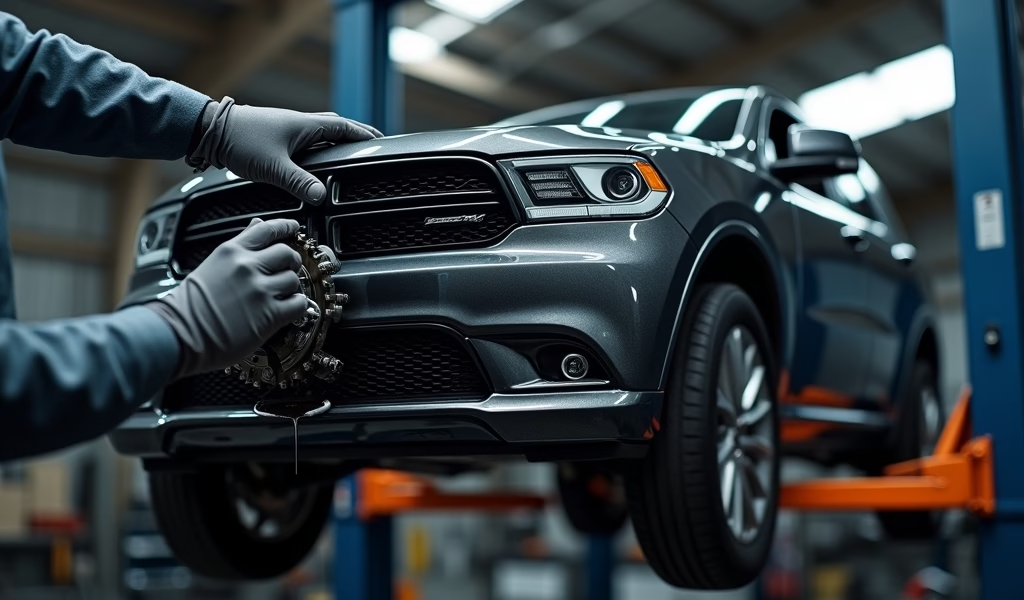
When problems do arise, you’ll need to weigh your repair options carefully. The right choice depends on the severity of the issue, your vehicle’s age and value, and your long-term plans for the Durango.
Minor repairs like replacing solenoids, sensors, or addressing small leaks typically cost between $300-$800 including parts and labor. These targeted repairs often solve specific shifting issues and are usually worthwhile even on older Durangos.
Moderate repairs such as valve body replacement usually run between $1,200-$2,500 depending on model year and shop rates. This repair often resolves most shifting problems if the rest of the transmission is in reasonable condition and can be a cost-effective solution for many owners.
Complete rebuilds involve disassembling the transmission, replacing worn parts, and reassembling with new seals and gaskets. This typically costs between $2,800-$4,500, with the 8-speed commanding higher prices due to its complexity. A rebuild can give your transmission a new lease on life but requires a skilled technician.
Replacement with a remanufactured unit is often the most reliable option if your transmission has suffered major internal damage. This usually costs between $3,500-$6,000 installed, but typically comes with a warranty ranging from 1-3 years, providing peace of mind with your investment.
If you’re considering the DIY route, proceed with caution. While checking fluid levels and performing basic diagnostics can be done at home, internal transmission work requires specialized tools and knowledge. Even fluid changes on the 8-speed transmissions need special procedures and equipment to be done correctly.
When selecting a transmission shop, look for ASE certification, specific experience with Dodge/Chrysler transmissions, and positive reviews mentioning transmission work specifically. ATRA-certified shops (Automatic Transmission Rebuilders Association) typically maintain higher standards of quality.
Cost Considerations
Nobody likes surprise repair bills. Understanding potential costs can help you plan accordingly.
Minor solenoid or sensor replacements typically range from $300-$800, including parts and labor. These focused repairs often solve specific shifting issues without breaking the bank.
Valve body replacement, a common fix for erratic shifting, usually costs between $1,200-$2,500. This moderate repair addresses a frequently-failing component and can resolve multiple symptoms at once.
Complete rebuilds run between $2,800-$4,500, with the 8-speed commanding higher prices due to its complexity. While expensive, a quality rebuild can provide years of reliable service.
Replacement with a remanufactured unit typically costs between $3,500-$6,000 installed but offers peace of mind with warranty coverage. The 8-speed transmissions are at the higher end of this range.
Several factors affect these costs:
- Geographical location (labor rates vary by up to 40% nationwide)
- Dealership vs. independent shop (dealers typically charge 20-40% more)
- New vs. remanufactured parts
- Warranty length offered
- Additional repairs discovered during disassembly
When weighing repair costs, consider the 40% rule: if the repair exceeds 40% of your Durango’s current market value, you might want to consider alternatives. For a $15,000 Durango, that means thinking twice about any repair over $6,000.
Don’t forget to check for possible warranty coverage. Dodge typically provides a 5-year/60,000-mile powertrain warranty. Some model years (particularly 2014-2015) with known issues received extended warranty coverage for specific transmission components. Check with your dealer using your VIN to see if you qualify.
Several Durango model years have had transmission-related recalls or technical service bulletins that might cover repairs. The NHTSA website lets you check for any open recalls using your VIN.
Extending Transmission Life
With proper care, your Durango’s transmission can easily surpass 150,000 miles of service. Here are my top recommendations for maximizing transmission longevity.
Follow a proactive maintenance schedule rather than waiting for problems to develop. Regular fluid and differential service following the schedule appropriate for your driving conditions is the single most effective way to prevent transmission issues.
Pay attention to your towing habits. The Durango’s impressive capabilities can tempt owners to push limits, but staying at least 10-20% below maximum rated capacity gives your transmission a safety margin. Always use the tow/haul mode when pulling loads to optimize shift patterns and reduce transmission stress.
Consider driving style adjustments that reduce transmission wear. Gentle acceleration from stops, allowing the vehicle to fully stop before selecting reverse, and using your brakes (not the transmission) to hold position on hills all reduce stress on internal components.
Address minor issues promptly before they escalate. That slight hesitation or occasional hard shift might seem trivial, but these early symptoms often signal developing problems that are much less expensive to fix early.
Keep your engine cooling system in top shape since it directly affects transmission temperature. Overheating is a transmission killer, and your Durango’s transmission relies on proper engine cooling for temperature regulation.
For serious towing or performance driving, consider aftermarket upgrades like a high-capacity transmission pan, an auxiliary cooler, or a transmission temperature gauge. These relatively affordable modifications can significantly extend transmission life in demanding conditions.
Conclusion
Your Dodge Durango’s transmission is a remarkable piece of engineering that delivers thousands of miles of trouble-free service when properly maintained. The key to avoiding costly breakdowns lies in understanding the warning signs, following appropriate maintenance intervals, and addressing small issues before they become major problems.
Remember that each generation of the Durango has its own transmission quirks and requirements. Taking time to understand your specific model’s needs creates the foundation for effective care. Whether you’re driving a first-generation classic or the latest model with the sophisticated 8-speed, transmission health should remain a priority.
By following the preventative maintenance guidelines outlined here, most catastrophic failures can be avoided. The modest investment in regular fluid changes and prompt attention to early warning signs pays enormous dividends compared to the cost of major transmission work.
With some mechanical sympathy and regular care, your Durango’s transmission will continue delivering the performance and reliability you expect from this capable SUV for many years to come.
Frequently Asked Questions
How often should I change the transmission fluid in my Dodge Durango?
For 2011 and newer models, change fluid every 60,000 miles under normal conditions or every 30,000 miles with frequent towing. For 2010 and older models, a 40,000-mile interval is recommended despite some “lifetime fluid” claims.
What are the first signs of Durango transmission problems?
Early warning signs include delayed engagement when shifting from Park to Drive, hesitation between gear changes, and unusual noises. Strange burning smells and fluid leaks underneath the vehicle are also common early indicators.
Can I tow with my Durango if I’m experiencing minor transmission issues?
Avoid towing any significant weight if you notice transmission symptoms, as towing increases system stress. Even minor issues can quickly escalate to major failures under the added strain of pulling a trailer.
Are aftermarket transmission parts reliable for Dodge Durangos?
Quality varies dramatically between manufacturers. For critical components like valve bodies and torque converters, OEM or premium remanufactured parts are worth the extra cost for reliability.
What transmission fluid should I use in my Durango?
Always use the exact fluid specification listed in your owner’s manual, especially for 8-speed transmissions. Using incorrect fluid, even if it’s a Mopar product for a different model, can cause rapid damage to sensitive components.