
Overview
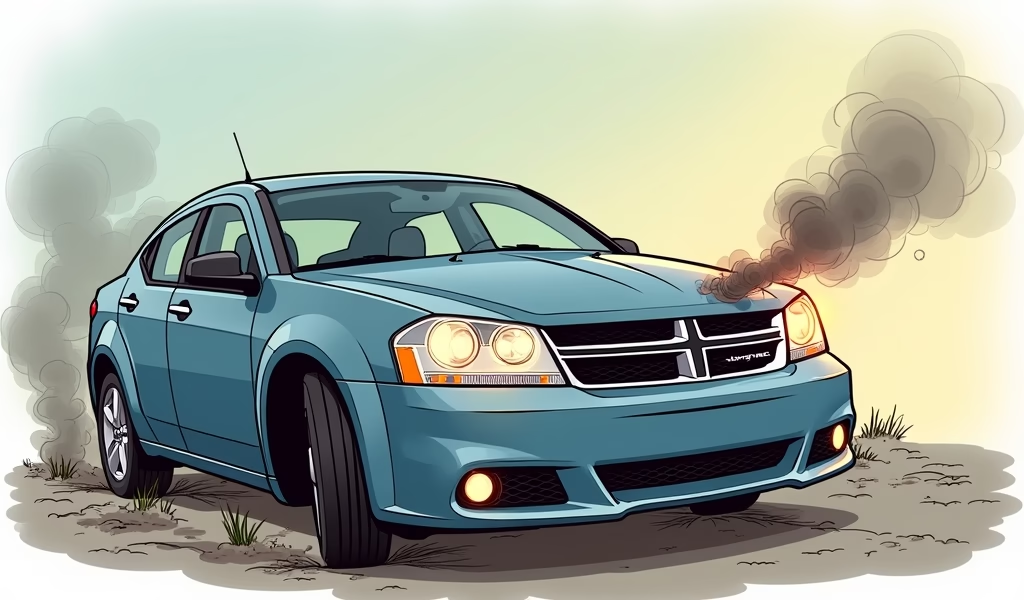
Dodge Avenger models, particularly those from 2008-2010, are prone to transmission issues including delayed shifting, strange noises, and complete failures that typically appear between 60,000-90,000 miles. Regular maintenance including fluid changes every 30,000-40,000 miles (rather than the factory-recommended 60,000) can prevent many problems, while repair options range from simple fluid services ($150-$300) to complete transmission replacements ($3,000-$4,500) depending on the severity of the issue.
Table of Contents
- Understanding Dodge Avenger Transmission Problems
- Common Symptoms of Dodge Avenger Transmission Issues
- Specific Model Years Most Affected
- Diagnosing Transmission Problems Yourself
- Preventative Maintenance Tips
- Repair Options and Costs
- When to Contact a Professional
- Conclusion
- Frequently Asked Questions
Understanding Dodge Avenger Transmission Problems
The Dodge Avenger, particularly models produced between 2008 and 2014, has developed quite a reputation for Dodge Avenger transmission issues among both owners and mechanics like myself. After spending over 15 years elbow-deep in transmissions, I’ve seen these problems firsthand in my shop more times than I can count.
Dodge Avengers typically came equipped with either a 4-speed or 6-speed automatic transmission, depending on the model year and trim. While these units were designed to be reliable, certain manufacturing quirks and design choices have led to recurring issues that can turn a smooth ride into a rough, frustrating experience.
The good news? With proper knowledge and preventative care, many of these transmission headaches can be avoided altogether. And that’s precisely why I’m writing this guide – to help you understand what’s happening under your hood and save you from that sinking feeling when transmission repair quotes start rolling in.
Most Avenger transmission problems stem from a few core issues: torque converter failures, solenoid malfunctions, and valve body complications. The transmission control module (TCM) can also be a culprit, especially in models where software updates were overlooked during regular maintenance.
Let’s break down these issues in plain English, because nobody deserves to be mystified by mechanic jargon when their car’s acting up.
Common Symptoms of Dodge Avenger Transmission Issues
Your car talks to you – not with words, but with sounds, sensations, and behaviors that signal something’s amiss. When it comes to Dodge Avenger transmission problems, here are the warning signs that should make your ears perk up:
Delayed or Rough Shifting
If your Avenger hesitates before shifting gears or lurches forward unexpectedly, that’s the transmission equivalent of clearing its throat. You might notice this especially when accelerating from a complete stop or when the transmission needs to downshift for passing power.
This hesitation often indicates worn clutch packs or solenoid problems. Think of solenoids as the gatekeepers of transmission fluid – when they malfunction, the fluid doesn’t flow correctly, leading to delayed engagement.
Strange Noises
Whining, buzzing, or clunking sounds while driving can indicate various transmission problems. A high-pitched whine often points to low transmission fluid or a failing torque converter. Clunking or thudding, particularly during gear changes, might signal worn bearings or damaged gear teeth.
Don’t ignore these sounds! They rarely resolve themselves and usually worsen over time, potentially leading to more extensive damage.
Slipping Transmission
Ever feel like your engine is revving but your car isn’t accelerating as expected? That’s transmission slipping, and it’s about as concerning as it feels. Your engine increases RPM, but the power isn’t effectively transferring to the wheels.
This symptom often relates to low fluid levels, worn clutch plates, or damaged bands. It’s particularly common in Avengers with higher mileage where regular transmission service intervals might have been neglected.
Warning Lights
The check engine light or dedicated transmission warning light on your dashboard isn’t just festive illumination – it’s your car’s way of saying “Hey, we need to talk.” Modern Avengers have sophisticated computer systems that monitor transmission performance and can detect issues before they become catastrophic.
When these lights illuminate, it’s time to connect a diagnostic scanner. The resulting error codes can pinpoint specific transmission problems, saving you from the guessing game that less technologically advanced vehicles might require.
Don’t delay when these symptoms appear. Transmission problems rarely improve with time, and early intervention can be the difference between a minor repair and a complete transmission rebuild or replacement.
Specific Model Years Most Affected
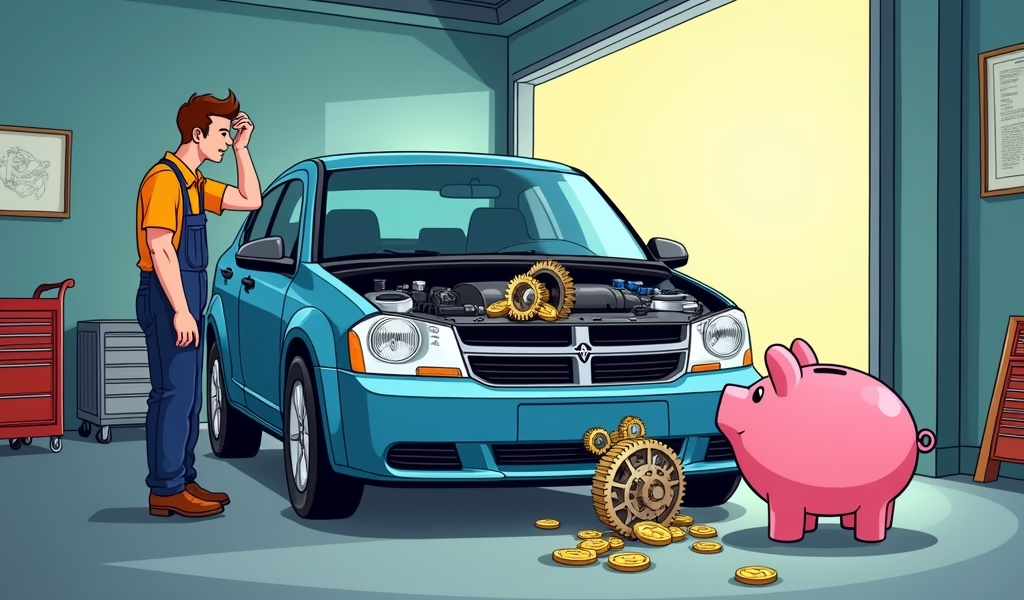
Not all Dodge Avengers were created equal when it comes to transmission reliability. Based on my experience in the shop and verified by aggregated owner complaints to the National Highway Traffic Safety Administration (NHTSA), certain model years stand out as particularly problematic.
2008-2010: The Most Troublesome Years
The early second-generation Avengers (2008-2010) suffered the most transmission-related complaints, with issues often appearing between 60,000 and 90,000 miles. These models frequently experienced premature torque converter failure, causing shuddering and vibration, especially at highway speeds between 40-50 mph.
The 2008 model year seems to have been the worst offender, with numerous reports of complete transmission failure requiring replacement rather than repair. If you’re looking at purchasing a used Avenger from this period, I’d recommend extraordinary caution and a thorough pre-purchase inspection by a transmission specialist.
2011-2012: Improved But Not Perfect
By 2011, Chrysler had addressed some of the most glaring issues, but problems still persisted. These model years showed improvements in overall reliability, but continued to struggle with solenoid pack failures and electrical problems in the transmission control module.
The good news is that these issues were often repairable without complete transmission replacement, though repairs could still be costly without proper warranty coverage.
2013-2014: The Final and Most Reliable Years
The last two years of Avenger production saw the most reliable transmissions in the lineup. By this point, Chrysler had worked out many of the kinks, and these models tend to have fewer transmission problems overall.
That said, they aren’t immune to issues, particularly if regular maintenance has been neglected. Even these improved models can develop problems if fluid changes and system inspections aren’t performed according to the manufacturer’s recommendations.
Understanding these model-specific tendencies can help you make an informed decision when purchasing a used Avenger or anticipating potential issues with one you already own. Remember, however, that individual vehicle history and maintenance play enormous roles in transmission longevity, regardless of model year.
Diagnosing Transmission Problems Yourself
While complex transmission issues require professional diagnosis, there are several checks you can perform yourself to get a better understanding of what might be happening before heading to the shop. This preliminary detective work can save you time and potentially money by narrowing down the possible causes.
Checking Transmission Fluid
One of the simplest yet most revealing diagnostic steps is checking your transmission fluid. Unlike engine oil, transmission fluid should be checked with the engine running and warmed up, usually with the car in Park or Neutral.
Here’s how to do it properly:
- Park on level ground and let the engine run until it reaches normal operating temperature
- Locate the transmission dipstick (typically with a red handle or marked “TRANS”)
- Pull the dipstick out, wipe it clean, reinsert completely, then pull it out again
- Check both the fluid level and condition
The fluid should be at the “Full” mark and appear clear with a reddish tint. If it’s brown, has a burnt smell, or contains particles, that’s a strong indication of internal transmission problems. Low fluid levels could point to a leak that needs addressing before it causes further damage.
Using OBD-II Scanners
Modern vehicles like the Avenger store trouble codes when systems aren’t functioning correctly. An affordable OBD-II scanner (available online or at auto parts stores for $30-100) can retrieve these codes from your vehicle’s computer.
Transmission-related codes typically start with “P07XX” and can provide valuable clues about specific malfunctioning components. Even if you’re not mechanically inclined, having these codes when you talk to a mechanic demonstrates you’ve done your homework and can help ensure an accurate diagnosis.
Test Drive Diagnostics
Sometimes, the way a transmission behaves during specific driving situations can narrow down the problem. Try these diagnostic driving tests:
- Acceleration test: From a complete stop, accelerate moderately. Note any hesitation, shuddering, or slipping
- Shifting test: Drive at a steady speed, then slightly increase pressure on the accelerator to force a downshift. The transmission should respond promptly without harsh engagement
- Coast-down test: While driving at about 40 mph, take your foot off the accelerator and let the vehicle coast. The transmission should shift smoothly into lower gears
Document exactly when and how problems occur. Does the transmission slip only when cold? Does the shifting improve after the car warms up? These patterns provide valuable diagnostic information for you or your mechanic.
While DIY diagnosis has its limits, these steps can help you communicate more effectively with your mechanic and potentially avoid unnecessary tests or repairs. Remember, though, that modern transmissions are complex systems, and some issues will require professional diagnostic equipment to properly identify.
Preventative Maintenance Tips
An ounce of prevention truly is worth a pound of cure when it comes to Dodge Avenger transmissions. In my years as a mechanic, I’ve seen countless transmission failures that could have been prevented with proper maintenance. Here’s how to keep your transmission healthy and avoid those eye-watering repair bills.
Regular Fluid Changes
Despite what you might have heard about “lifetime” transmission fluid, regular fluid changes are essential for transmission longevity. The factory recommendation for the Avenger is typically every 60,000 miles, but I personally recommend more frequent changes – every 30,000-40,000 miles, especially if you do any of the following:
- Drive in stop-and-go traffic regularly
- Tow or carry heavy loads
- Live in an area with extreme temperatures
- Notice your transmission fluid darkening before the recommended interval
Fresh transmission fluid maintains proper lubrication, cooling properties, and hydraulic pressure. It’s one of the most cost-effective ways to extend transmission life and performance.
Transmission Cooling System Maintenance
Heat is the enemy of transmissions. Many Avenger transmission problems stem from overheating, which breaks down fluid and damages internal components. Ensure your transmission cooling system is in good working order by:
- Checking for leaks in transmission cooler lines
- Ensuring the radiator (which often includes the transmission cooler) is clean and unobstructed
- Considering an auxiliary transmission cooler if you frequently drive in hot conditions or heavy traffic
A transmission running at proper temperature can last tens of thousands of miles longer than one regularly subjected to excessive heat.
Driving Habits That Extend Transmission Life
How you drive significantly impacts transmission longevity. Adopt these transmission-friendly habits:
- Allow your vehicle to warm up for a minute or two before driving, especially in cold weather
- Come to a complete stop before shifting between Drive and Reverse
- Avoid “launching” your vehicle with heavy acceleration from a standstill
- When stopped on an incline, use the brake rather than holding position with the accelerator
- Regularly check for and address clutch adjustment frequency issues if you notice changes in shifting behavior
These small adjustments to your driving style cost nothing but can add years to your transmission’s service life.
Remember, preventative maintenance is always more affordable than reactive repairs. Even if your Avenger’s transmission seems to be working perfectly now, implementing these practices can help ensure it stays that way for the long haul. And if you’ve already experienced minor issues, proper maintenance might prevent them from developing into major, expensive problems.
Repair Options and Costs
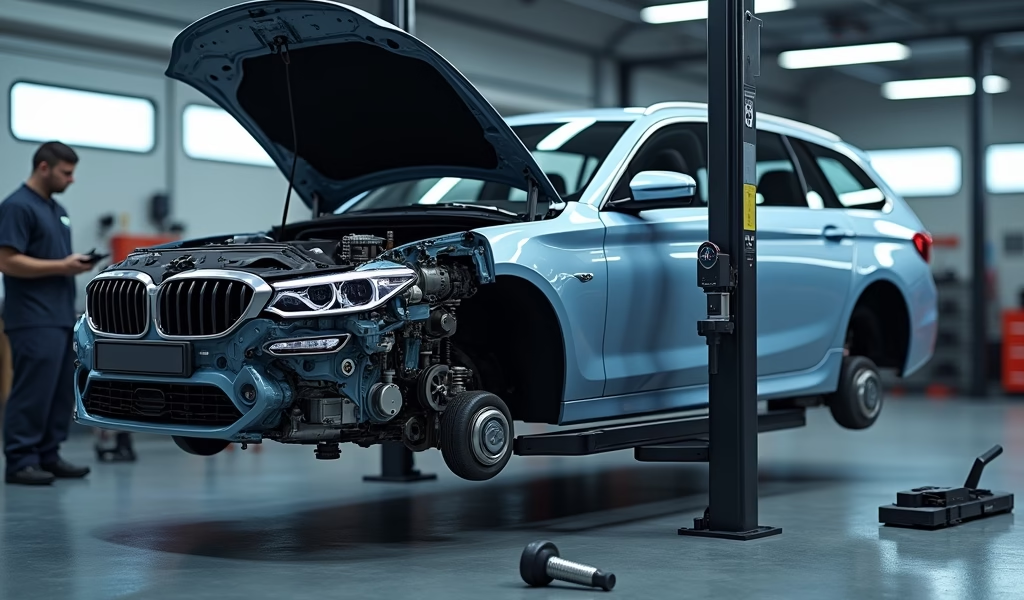
When Dodge Avenger transmission problems move beyond prevention into the “needs fixing now” territory, you have several options, each with different cost implications. Having given countless repair quotes over the years, I can help you understand what you’re facing financially and what options might make the most sense for your situation.
Transmission Fluid Service vs. Rebuild vs. Replacement
Let’s break down your three main options:
1. Transmission Service ($150-$300): This includes draining old fluid, replacing the filter, cleaning the pan, and adding new fluid. Sometimes a transmission service with fresh fluid will resolve minor shifting issues, especially if the fluid was severely degraded or the filter clogged. However, this is primarily preventative maintenance rather than a fix for significant mechanical problems.
2. Transmission Rebuild ($1,800-$3,500): A rebuild involves disassembling your transmission, inspecting all components, replacing worn or damaged parts, and then reassembling it with new gaskets, seals, and clutches. The advantage here is that you keep your original transmission with only the problematic components replaced. This option makes sense when your transmission has specific identifiable issues but isn’t completely failed.
3. Transmission Replacement ($3,000-$4,500): This involves removing your failed transmission and installing either a remanufactured or new transmission. While more expensive upfront, replacement often comes with longer warranties and less uncertainty than a rebuild. For severely damaged transmissions, this may be more cost-effective in the long run.
Warranty Considerations
Before paying for repairs, check if your vehicle might still be covered under:
- Original powertrain warranty (typically 5 years/60,000 miles from original purchase date)
- Extended warranty if purchased
- Special coverage extensions (Chrysler issued some for specific transmission issues)
- Emissions warranty (which can sometimes cover transmission control modules)
Even if your car is outside the standard warranty period, it’s worth contacting a Dodge dealership with your VIN to check for any applicable technical service bulletins (TSBs) or special policy adjustments that might cover part of your repair costs.
DIY vs. Professional Repairs
Some transmission issues, like solenoid replacement or fluid leaks, can be tackled by dedicated DIYers with moderate mechanical skills and proper repair guides. However, most internal transmission repairs require specialized tools and knowledge.
If you’re considering the DIY route, honestly assess:
- Your mechanical experience and comfort level
- Access to a lift or adequate jack stands and safety equipment
- Availability of model-specific repair information
- The cost of specialized tools you might need to purchase
For most owners, major transmission work is best left to professionals. However, finding the right shop can significantly impact both cost and quality. Independent transmission specialists often offer better rates than dealerships while maintaining expertise in transmission-specific repairs.
Remember to get multiple quotes, check reviews, and ask about warranty terms before committing to any major transmission work. A quality shop should be willing to explain their diagnosis in terms you can understand and justify their recommended repair approach.
When to Contact a Professional
While I’m all for empowering car owners with knowledge, there comes a point when DIY approaches need to give way to professional intervention. Knowing when to make that call can save you time, money, and potentially prevent a complete transmission failure that leaves you stranded.
Red Flags That Shouldn’t Be Ignored
Some transmission symptoms demand immediate professional attention, regardless of your mechanical aptitude. Contact a professional immediately if:
- Your transmission is slipping severely between gears
- You notice dark red or brown fluid leaking underneath your vehicle
- The transmission makes loud grinding or clunking noises
- Your vehicle won’t shift into certain gears at all
- The check engine light is on with confirmed transmission-related codes
- The transmission overheats, producing a burnt smell
These symptoms typically indicate problems beyond routine maintenance and often require specialized diagnostic equipment to properly assess.
Finding a Reputable Transmission Specialist
Not all mechanics are equally qualified to work on transmissions. Automatic transmissions are complex hydraulic, mechanical, and electronic systems requiring specialized knowledge. To find a reputable transmission specialist:
- Look for shops that specialize specifically in transmissions rather than general repair facilities
- Check for ASE (Automotive Service Excellence) certification in automatic transmissions
- Read reviews focusing specifically on transmission-related repairs
- Ask about their experience with Dodge/Chrysler transmissions specifically
- Verify what type of warranty they offer on transmission work
A good transmission specialist should be willing to explain their diagnosis process and show you the problematic parts they’ve identified. Be wary of shops that immediately recommend complete replacement without diagnostic testing.
Questions to Ask Your Mechanic
When you do consult a professional, coming prepared with questions helps ensure you’re getting proper service. Ask:
- “Can you perform a complete diagnostic scan with transmission-specific codes?”
- “What specific components appear to be causing the problem?”
- “Are there any technical service bulletins for my specific issue?”
- “What options do I have besides complete transmission replacement?”
- “If rebuilding, which parts will be replaced and which will be reused?”
- “What type of warranty comes with the repair?”
A transparent, knowledgeable transmission specialist will welcome these questions and provide clear, non-technical explanations. If you feel you’re being rushed or the answers are vague, consider seeking a second opinion.
Remember that investing in quality professional service at the first sign of serious transmission issues often costs less in the long run than attempting partial DIY fixes that may allow the problem to worsen. With transmissions, early expert intervention typically leads to more economical outcomes.
Conclusion
Throughout this guide, we’ve taken a comprehensive look at Dodge Avenger transmission problems – from identifying early warning signs to understanding your repair options. As I’ve emphasized, many transmission issues can be prevented with proper maintenance, while others are unfortunately part of the design limitations of certain model years.
The key takeaway should be that proactive care saves money. Regular fluid changes, attention to early symptoms, and adjustment of driving habits can dramatically extend your transmission’s life. Even with the Avenger’s known transmission vulnerabilities, many owners have successfully kept their transmissions functioning well beyond 150,000 miles through diligent maintenance.
If you’re currently experiencing transmission issues, remember that not all problems require complete replacement. Consult with a qualified transmission specialist who can provide an accurate diagnosis before making major repair decisions. And if you’re shopping for a used Avenger, factor in the potential for transmission work when negotiating price, particularly for the more problematic 2008-2010 model years.
Transmission problems can be frustrating and costly, but with the knowledge you’ve gained from this guide, you’re better equipped to make informed decisions about your vehicle’s care. Whether that means implementing a more rigorous maintenance schedule, addressing minor issues before they escalate, or knowing when it’s time to call in professional help, you now have the information you need to keep your Dodge Avenger running smoothly for years to come.
Frequently Asked Questions
How long does a Dodge Avenger transmission typically last?
With proper maintenance, a Dodge Avenger transmission can last 120,000-180,000 miles. Earlier models (2008-2010) tend to have shorter lifespans, while later models (2011-2014) often reach the higher end of this range.
What is the average cost to replace a Dodge Avenger transmission?
Complete transmission replacement typically costs between $3,000-$4,500 including parts and labor. Costs vary based on whether you choose a new, remanufactured, or used transmission and local labor rates.
Can I drive with a slipping transmission?
Driving with a slipping transmission is not recommended and can lead to complete failure. A slipping transmission generates excess heat that accelerates wear on internal components and can result in being stranded.
Is there a recall on Dodge Avenger transmissions?
While there was never a formal recall specifically for Avenger transmissions, Chrysler did issue several Technical Service Bulletins (TSBs) addressing transmission issues. Some vehicles qualified for extended warranty coverage on specific transmission components.
What transmission fluid does a Dodge Avenger use?
Most Dodge Avengers require ATF+4 (Automatic Transmission Fluid) specified by Chrysler. Using incorrect fluid can cause shifting problems and may void remaining warranty coverage.