
Overview
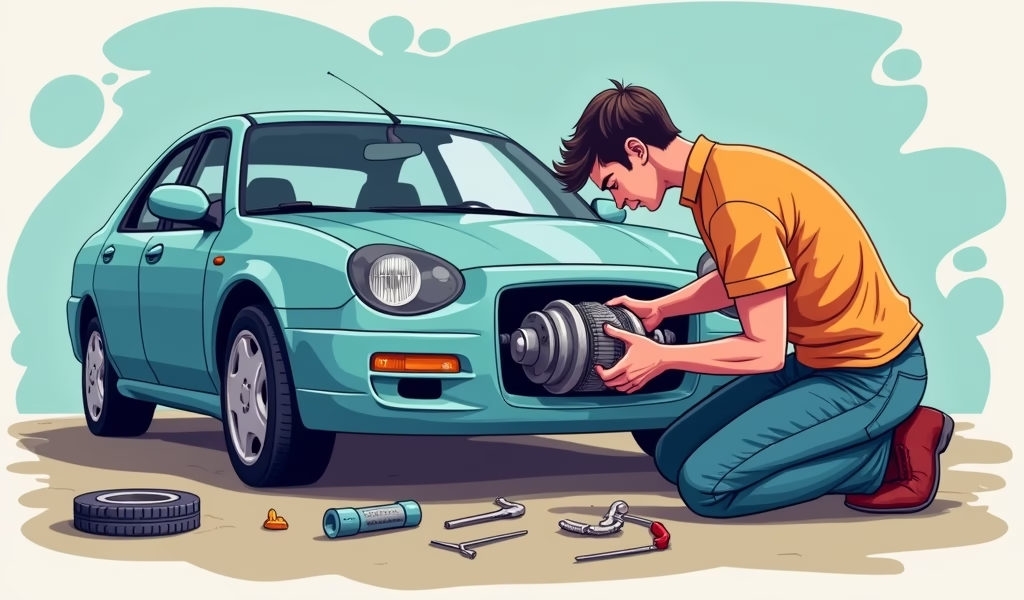
Just like that friend who always has your back, your vehicle’s differential quietly enables every turn while transferring power from engine to wheels—yet most drivers overlook this critical component until costly repairs loom. Regular differential maintenance (every 30,000-60,000 miles for most vehicles) not only prevents the financial sting of $1,500-3,000 repairs but also ensures safer handling, extended vehicle life, and better performance during the hundreds of thousands of turns your vehicle will make.
Table of Contents
- Understanding Differentials: The Unsung Hero of Your Vehicle
- Why Regular Differential Service Matters
- Warning Signs Your Differential Needs Attention
- Recommended Service Intervals for Different Vehicles
- DIY vs. Professional Differential Service
- Preventing Differential Leaks Before They Start
- Cost Comparison: Regular Service vs. Major Repairs
- Conclusion: Protecting Your Differential, Protecting Your Wallet
- Frequently Asked Questions
Understanding Differentials: The Unsung Hero of Your Vehicle
When it comes to vehicle maintenance, your differential often gets overshadowed by more familiar services like oil changes and brake jobs. Yet this ingenious mechanical component deserves your attention as part of a complete car maintenance routine. In my 20 years as a professional mechanic, I’ve seen countless expensive repairs that could have been avoided with simple preventive care.
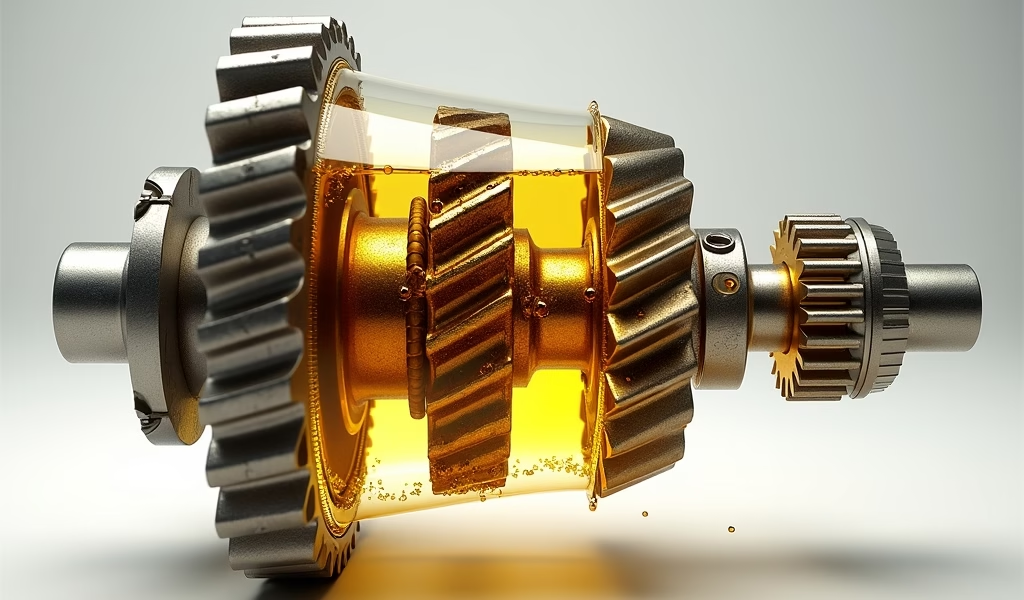
So what exactly is this mysterious part? Your differential is the mechanical marvel that allows your vehicle’s wheels to rotate at different speeds when turning corners. Without it, your wheels would skip and hop during turns, destroying your tires and making handling unpredictable. It’s essentially a set of gears housed in a case filled with specialized fluid that reduces friction and dissipates heat.
Different vehicles use various differential types. Front-wheel drive cars typically incorporate the differential into the transmission, while rear-wheel and four-wheel drive vehicles have separate units. Each design serves the same core purpose – allowing wheels to turn at different rates while delivering power from your engine to the ground.
Why Regular Differential Service Matters
The fluid inside your differential does more than just lubricate – it’s the lifeblood of the entire system. This specialized gear oil captures wear particles, reduces friction, prevents corrosion, and dissipates the tremendous heat generated by meshing gears. Over time, this fluid breaks down and becomes contaminated, losing its protective properties.
When differential fluid degrades, metal-on-metal contact creates excessive wear on precision components. Think of it like running your engine without oil – catastrophic failure isn’t a question of if, but when. The resulting repair bills can easily reach $1,500-3,000, compared to a simple $150-200 service.
Beyond the financial impact, differential problems affect your vehicle’s handling, particularly during turns or in adverse weather conditions. This creates a genuine safety concern that shouldn’t be ignored.
Warning Signs Your Differential Needs Attention
Your vehicle usually provides clear signals when differential problems are developing. Recognizing these early warning signs can save you from expensive repairs down the road.
Unusual Noises
- Whining or howling during acceleration
- Grinding sounds, especially during turns
- Clunking when shifting from drive to reverse
These noises indicate potential gear wear, bearing failure, or improper gear mesh – all serious issues requiring prompt attention.
Fluid Leaks
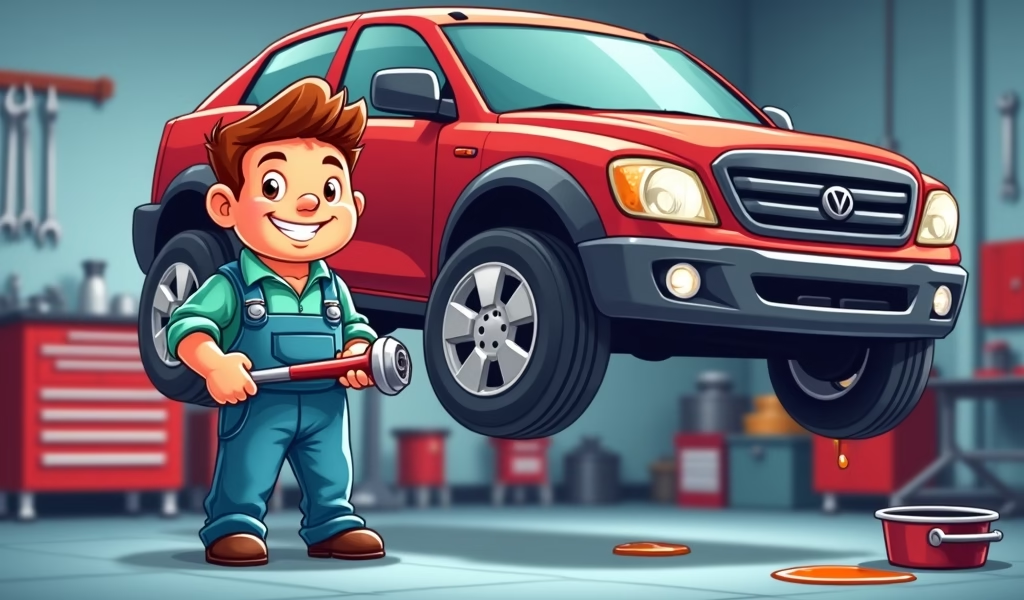
Differential fluid is typically thick, dark, and has a distinct smell. Check underneath your vehicle, particularly around the differential housing and axle seals. Even small leaks deserve immediate attention before they lead to fluid starvation.
Vibrations
Unusual vibrations, especially those that change with vehicle speed or worsen during turns, can signal differential problems. These vibrations might feel similar to wheel balance issues but specifically relate to drivetrain components.
Handling Issues
If your vehicle feels unstable during turns or shows decreased traction, particularly in wet conditions, your differential may be failing. This affects not just comfort but safety as well.
The moment you notice any of these symptoms, schedule an inspection with a qualified technician. Early intervention often means the difference between a simple fluid service and a complete rebuild.
Recommended Service Intervals for Different Vehicles
Like most maintenance requirements, differential service intervals vary based on your vehicle type, driving conditions, and manufacturer recommendations. While your owner’s manual provides the baseline schedule, here are general guidelines based on my decades in the shop:
Passenger Cars
Most passenger vehicles benefit from differential service every 30,000-60,000 miles under normal driving conditions. If you primarily drive on highways with minimal stop-and-go traffic, you can generally follow the longer interval.
Trucks and SUVs
These vehicles typically carry heavier loads and may see more demanding use. I recommend servicing differentials every 30,000 miles, or even more frequently if you regularly tow or haul heavy items.
Performance Vehicles
Sports cars and performance vehicles generate more heat and stress on drivetrain components. For these vehicles, differential service every 15,000-30,000 miles helps maintain optimal performance and prevent premature wear.
Special Use Considerations
Certain driving conditions warrant more frequent service regardless of vehicle type:
- Regular towing or hauling (every 15,000-30,000 miles)
- Off-road driving (inspect after each significant outing)
- Track days or aggressive driving (inspect after events)
- Frequent water crossing or dusty conditions (every 15,000 miles)
When in doubt, follow these essential maintenance tips and consult with a specialized technician who understands your specific vehicle and driving habits.
DIY vs. Professional Differential Service
For hands-on vehicle owners, differential service presents an achievable DIY project with some important caveats. Here’s what you need to consider before deciding whether to tackle this job yourself:
Required Tools and Materials
- Floor jack and jack stands rated for your vehicle’s weight
- Socket set and wrenches
- Torque wrench
- Catch pan (at least 3-quart capacity)
- Fluid pump or transfer device
- Gasket scraper and new gasket material
- Correct differential fluid for your specific vehicle
- Limited-slip additive (if applicable)
Basic DIY Procedure
The general process involves safely raising and supporting your vehicle, removing the differential cover or drain plug, draining the old fluid, inspecting for metal particles, cleaning the housing and magnet, replacing the gasket, and refilling with the correct type and amount of fluid.
While this sounds straightforward, several factors might push this job into professional territory. Rear differentials often require precise fill levels measured through the fill hole rather than simply filling the housing. Limited-slip differentials need specific additives to function properly. Most importantly, incorrect reassembly can lead to leaks or even differential failure.
When to Choose Professional Service
Consider professional service if:
- You notice metal particles in the drained fluid
- You don’t have the correct fluid pump or tools
- Your vehicle has specialized differentials (electronic, torque-vectoring, etc.)
- You’re uncomfortable working underneath a supported vehicle
- You’ve noticed unusual noises or performance issues
Professional differential service typically costs $150-300 depending on your vehicle and location – a reasonable investment considering the potential consequences of improper service.
Preventing Differential Leaks Before They Start
Differential leaks represent one of the most common issues I see in the shop, and they’re often preventable with proper maintenance. These leaks typically occur at a few predictable points:
Common Leak Sources
- Differential cover gasket
- Input/pinion seal
- Axle seals
- Vent plug
- Housing cracks (less common)
Preventive measures start with regular fluid changes using the correct fluid type and viscosity. Fresh fluid contains conditioners that keep seals pliable and functioning properly. Old, degraded fluid allows seals to harden and crack, leading to leaks.
Another crucial preventive step involves checking the differential vent. This small component allows pressure to equalize as the differential heats up and cools down. When clogged, pressure builds inside the housing, forcing fluid past seals and gaskets. A quick inspection and cleaning of this vent during service can prevent many leaks.
Finally, be mindful of how you drive. Excessive heat is the enemy of differential components. Aggressive driving, frequent towing in high temperatures, and sustained high speeds all increase operating temperatures that accelerate seal deterioration. Learning how to maintain your car with smoother driving habits will extend the life of your differential and prevent premature leaks.
Cost Comparison: Regular Service vs. Major Repairs
The financial case for preventive differential maintenance is compelling. Let’s break down the numbers based on typical shop rates and parts costs:
Preventive Maintenance Costs
- Basic differential fluid service: $150-300
- Premium synthetic fluid upgrade: Additional $50-100
- Early-stage leak repair (pinion seal): $250-450
Repair Costs After Neglect
- Complete differential rebuild: $1,200-2,000
- Replacement differential assembly: $1,500-3,000
- Associated driveline damage: $500-1,500 additional
- Towing and rental car expenses: Variable
The math speaks for itself – regular maintenance costs a fraction of major repairs. Even more valuable is the peace of mind knowing you won’t face a catastrophic failure at an inconvenient time or location.
For those considering the long-term value proposition, proper differential maintenance also preserves your vehicle’s resale value. Documentation of regular differential service demonstrates to potential buyers that you’ve maintained the entire vehicle properly, not just the obvious items.
According to Consumer Reports, regular maintenance of often-overlooked components like differentials can extend vehicle lifespan by years while reducing overall ownership costs.
Conclusion: Protecting Your Differential, Protecting Your Wallet
Your vehicle’s differential deserves more attention than it typically receives. This hardworking component enables every turn you make while transferring power from your engine to your wheels. With proper maintenance according to a consistent differential service schedule, it can last the lifetime of your vehicle.
Remember that prevention is always less expensive than repair. Regular fluid changes, prompt attention to small leaks, and awareness of warning signs will save you thousands in potential repair costs while keeping your vehicle safe and reliable.
Whether you choose DIY maintenance or professional service, the important thing is establishing a regular differential service schedule appropriate for your vehicle and driving habits. Your differential works hard for you every day – return the favor with proper care, and it will continue delivering smooth, reliable performance for many miles to come.
Frequently Asked Questions
How often should differential fluid be changed?
Most vehicles need differential service every 30,000-60,000 miles under normal conditions. Trucks, performance vehicles, or those used for towing should receive service more frequently, typically every 15,000-30,000 miles.
How can I tell if my differential fluid needs changing?
Check for fluid that appears dark brown or black, smells burnt, or contains metal particles. Other signs include unusual noises during acceleration or turns, or visible leaks around the differential housing.
Can I use any gear oil for my differential?
No, you must use the specific fluid type and viscosity recommended by your vehicle manufacturer. Using incorrect fluid can cause noise, premature wear, or complete differential failure, especially in limited-slip units.
What causes differential leaks?
Common causes include deteriorated gaskets and seals, a clogged differential vent, impact damage, or excessive heat. Regular maintenance with correct fluids helps keep seals pliable and prevents many leaks.
Is differential service covered under warranty?
Routine differential maintenance is typically considered normal maintenance and not covered under most factory warranties. However, premature differential failure might be covered if it occurs within the warranty period and wasn’t caused by neglect.