

Overview
This article is the window tint whisperer’s bible—teaching car owners how to choose between dyed, metalized, carbon, ceramic, and crystalline tints, then maintain them with gentle, ammonia-free cleaning and proper sun protection. It covers troubleshooting common issues like bubbles and peeling, provides specific maintenance recommendations for each tint type, and explains when to replace aging film (2-5 years for budget options, 10+ years for premium ceramic).
Table of Contents
- Introduction
- Common Types of Car Window Tint
- General Maintenance Tips for All Tint Types
- Specific Maintenance Tips by Tint Type
- Troubleshooting Common Tint Issues
- Extending the Life of Your Window Tint
- When to Replace Your Window Tint
- Conclusion
- Frequently Asked Questions
Introduction
Ever sat in your car on a scorching summer day and felt like you were slowly cooking? That’s where window tinting comes to the rescue. Beyond just making your ride look sleek, quality window tint is essentially a sunscreen for your vehicle’s interior and everyone inside it.
As I often tell my customers, “A good tint job doesn’t just make your car look cool—it literally keeps it cool.” With over 15 years in automotive care, I’ve seen firsthand how different types of tint can transform a vehicle’s comfort, privacy, and protection.
Window tinting reduces glare, blocks up to 99% of harmful UV rays, enhances privacy, improves security, and helps maintain a comfortable cabin temperature. But even premium window tint requires proper maintenance to deliver years of performance.
Without regular care, your investment can bubble, peel, fade, or scratch—turning your slick ride into something that looks neglected and worn. Let me walk you through the different types of window tint films available and share professional maintenance tips to maximize their lifespan and performance.
Common Types of Car Window Tint
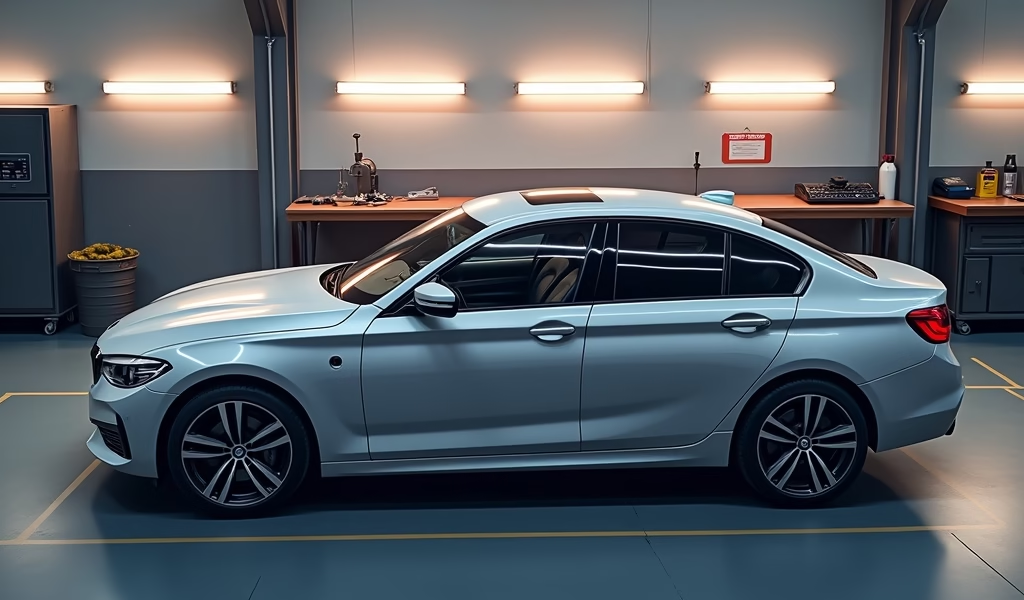
Not all window films are created equal. Understanding what’s actually on your windows helps you maintain it properly and get the most value from your investment.
Dyed Window Tint
Dyed window film is the entry-level option in the tinting world. It uses multiple layers of dye to absorb solar heat and block some UV rays. While it’s the most affordable option, it’s also the least durable.
“Dyed tint is like buying economy seats on a flight,” I tell my clients. “It gets you there, but don’t expect all the amenities.” This option provides privacy and looks good initially but will fade faster than premium alternatives.
Metalized Window Tint
Stepping up in quality, metalized tint contains tiny metallic particles that reflect heat and UV rays away from your vehicle. These films are significantly more durable than dyed options and maintain their color and appearance much longer.
The downside? Those metallic particles can interfere with electronic signals like cell phones, GPS, or radio reception. It’s a compromise between durability and connectivity that works well for many drivers.
Carbon Window Tint
Carbon tint contains carbon particles that effectively block infrared light—the heat-carrying portion of the light spectrum. This matte-finish tint offers excellent heat rejection without containing metal, so your electronic devices work without interference.
As I often explain to customers, “Carbon tint is where performance meets practicality.” It costs more than dyed or metalized options but delivers superior heat protection and longevity without signal issues.
Ceramic Window Tint
The premium choice in window tinting, ceramic film contains non-conductive ceramic particles that block up to 99% of UV rays and offer superior heat rejection. These high-end films don’t interfere with electronic signals, maintain their appearance for years, and provide the best clarity.
“Ceramic tint is like installing a high-performance air conditioner for your windows,” I explain. “The upfront cost is higher, but the long-term benefits make it worth every penny.” For vehicles that see daily use in sunny climates, ceramic tint is the gold standard.
Crystalline Window Tint
A specialized option that offers heat and UV rejection without significant darkening. This technology is perfect for windshields or for drivers who want the benefits of tint without changing their car’s appearance dramatically.
Crystalline tint is also ideal for areas with strict tinting laws, providing thermal protection while remaining nearly invisible to the naked eye. It’s stealth protection for your vehicle’s interior.
General Maintenance Tips for All Tint Types
Regardless of which tint type adorns your windows, these universal maintenance practices will help preserve its appearance and performance:
Waiting Period After Installation
The most important rule of new tint: hands off! After installation, your tint needs time to cure properly.
“Getting handsy with fresh tint is like touching a wet painting—you’ll leave marks that might become permanent,” I warn all my customers. Wait at least 3-5 days before cleaning your windows, and during this time:
- Keep all windows completely rolled up
- Avoid touching or applying pressure to the film
- Be patient with any haziness or water droplets (they’ll disappear as the tint dries)
- Don’t clean the windows—even if they look dusty
Proper Cleaning Technique
When it’s time to clean your tinted windows, technique matters as much as the products you use. Always:
- Spray cleaner onto your microfiber cloth, not directly onto the window
- Clean using straight, even strokes rather than circular motions
- Apply gentle, consistent pressure—never scrub
- Clean the entire window surface, paying special attention to edges
- Finish with a dry, clean microfiber cloth to prevent streaking
According to the International Window Film Association, proper cleaning significantly extends tint lifespan.
Recommended Cleaning Products
Your tint-friendly cleaning arsenal should include:
- Microfiber cloths (never paper towels or newspapers)
- Ammonia-free glass cleaner
- Soft spray bottle for plain water
- Gentle soap solution (for stubborn dirt)
I recommend products specifically formulated for tinted windows, but in a pinch, a solution of mild dish soap and distilled water works well. Just be sure to rinse thoroughly to prevent residue buildup.
What to Avoid When Cleaning Tinted Windows
Treat your tint with care by avoiding these tint-killers:
- Ammonia-based cleaners (they cause tint to purple and break down)
- Abrasive materials like rough sponges, brushes, or paper products
- Razor blades or sharp objects
- Steam cleaners or high-pressure washers
- Vinegar-based solutions
- Alcohol-based products
I’ve seen too many quality tint jobs ruined by a single cleaning with the wrong products. When in doubt, plain water and a clean microfiber cloth are always safe options.
Specific Maintenance Tips by Tint Type
Each tint variety has its own quirks and care requirements. Follow these type-specific guidelines to maximize performance and longevity.
Dyed Tint Maintenance
Dyed tints are the most vulnerable to fading, especially in sunny climates. To extend their lifespan:
- Clean more gently than you would other tint types
- Park in shaded areas whenever possible
- Use a UV protectant product specifically designed for tinted windows
- Watch for signs of fading and bubbling, which happen more quickly with this tint type
- Clean more frequently but with extremely light pressure
“With dyed tint, an ounce of prevention is worth a pound of replacement,” I tell my budget-conscious customers. Proper care can double the lifespan of these economical films.
Metalized Tint Care
This durable tint can handle a bit more, but beware of scratching the metallic particles:
- Avoid any abrasive materials that might scratch the metal content
- Clean in straight motions rather than circular to prevent swirl marks
- Be extra careful around the edges where peeling typically begins
- Use cleaners specifically formulated for tinted windows
- Check for interference with electronic devices periodically
Carbon Tint Upkeep
Carbon tints offer a matte finish that can show fingerprints and smudges more readily:
- Clean more frequently to maintain the sleek appearance
- Use a microfiber cloth slightly dampened with water for quick touch-ups
- Avoid oil-based products that can create streaks on the matte finish
- Apply even pressure when cleaning to maintain uniform appearance
Ceramic Tint Preservation
You’ve invested in the premium option, so treat it accordingly:
- Use only high-quality, ammonia-free cleaners
- Clean with extra care to preserve the ceramic particles’ effectiveness
- Follow a consistent cleaning schedule to prevent dirt buildup
- Consider professional cleaning annually to maintain optimal performance
- Inspect edges quarterly for any signs of peeling or damage
Crystalline Tint Protection
This nearly clear tint requires vigilance since damage might not be immediately visible:
- Inspect regularly in bright light for any signs of peeling or damage
- Clean with minimal product to avoid streaking
- Use microfiber cloths in perfect condition—even slight roughness can cause scratches
- Avoid extreme temperature fluctuations when possible
Troubleshooting Common Tint Issues
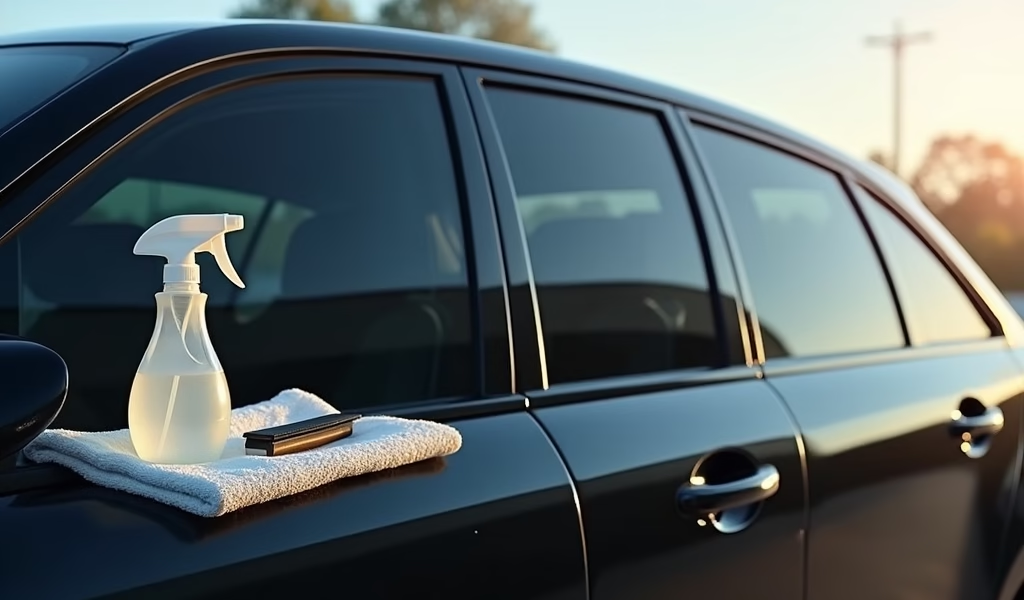
Even with proper care, issues can arise. Here’s how to address common problems before they require complete replacement.
Addressing Bubbles
Small bubbles might appear over time, particularly in older tints. For minor bubbling:
- Clean the window thoroughly and allow to dry completely
- Use a heat gun or hairdryer on low setting to warm the area gently
- With a clean microfiber cloth, press and smooth the bubble toward the nearest edge
- Hold pressure until the area cools
- If bubbles persist or are widespread, seek professional help
“Bubbles are like weeds,” I often explain. “Catch them early and they’re manageable—let them spread and you’ve got a much bigger problem.” Never puncture bubbles, as this creates permanent damage to the film.
Dealing with Peeling Edges
The edges are typically the first area to fail:
- Never pull or pick at peeling edges (this will make it worse)
- For minor peeling, a small amount of professional-grade adhesive applied carefully can help
- Clean the area thoroughly before attempting any repair
- For significant peeling, see a professional immediately before it spreads
As I remind my clients, “Edge peeling is like a tear in fabric—address it immediately or watch it run.” Once peeling begins, it rarely resolves without intervention.
Fixing Scratches
Minor scratches might be manageable:
- Clean the area thoroughly
- For very light surface scratches, a dedicated window film polish may help reduce visibility
- Apply with an extremely soft microfiber cloth using minimal pressure
- Deep scratches typically require professional repair or replacement
Scratches in window tint are similar to scratches in paint—once they penetrate beyond the surface layer, DIY fixes are rarely successful. Prevention is your best strategy.
When to Seek Professional Help
DIY has its limits. Call a professional when:
- Bubbles cover more than a small area of the window
- Tint is peeling significantly
- Purple discoloration appears (indicating breakdown)
- Any damage obstructs visibility
- Moisture becomes trapped between the film and glass
“When in doubt, call it out,” is my motto with window tint issues. Professional help costs less than replacing improperly repaired tint, and proper detailing techniques can sometimes save a tint job that looks beyond repair.
Extending the Life of Your Window Tint
With proper care, quality tint can last 5-10+ years. These practices will help maximize your investment.
Parking Strategies to Minimize Sun Exposure
UV rays are tint’s natural enemy:
- Use covered parking whenever possible
- Position your vehicle so the most vulnerable windows face away from direct sun
- Use a windshield sun shade to reduce overall interior temperature
- Consider a car cover for long-term parking in sunny areas
Research from Consumer Reports shows that prolonged sun exposure is the leading cause of premature tint degradation, especially for lower-quality films.
Seasonal Considerations
Adapt your tint care routine by season:
- Summer: Clean more frequently and watch for heat-related issues
- Winter: Be gentle with tint when scraping ice or snow (never scrape the inside!)
- Spring: Check for damage after winter and address promptly
- Fall: Prepare for winter by ensuring all edges are secure
“Your tint faces different enemies in different seasons,” I remind my customers. “In summer it’s UV rays; in winter it’s temperature fluctuations and ice scrapers.” Adjust your care routine accordingly.
Products that Can Extend Tint Life
A few investments can pay dividends:
- UV protection sprays designed for window tint
- High-quality microfiber cloths (replace when they become rough)
- Ammonia-free, tint-safe glass cleaners
- Car covers and sun shades
I’ve seen quality products add years to a tint job’s lifespan. Think of them as preventative maintenance that costs a little now but saves a lot later.
When to Replace Your Window Tint
Even with perfect maintenance, window tint eventually needs replacement. Knowing when to upgrade helps you plan accordingly.
Signs of Aging Tint
Watch for these telltale signs:
- Purple discoloration (especially in dyed tints)
- Bubbling that cannot be repaired
- Scratches that affect visibility
- Peeling that continues to spread
- Fading or change in color
- Decreased heat rejection performance
As tint ages, its effectiveness diminishes even if visible problems aren’t obvious. If you notice your car getting hotter despite tinted windows, the UV and infrared protection may be failing.
Average Lifespan by Tint Type
Know what to expect from your investment:
- Dyed tint: 2-5 years
- Metalized tint: 5-7 years
- Carbon tint: 7-10 years
- Ceramic tint: 10+ years
- Crystalline tint: 7-10 years
These estimates assume proper maintenance and reasonable climate conditions. As I tell my customers in Arizona, “Tint in Phoenix ages in dog years compared to tint in Seattle.” Climate dramatically affects longevity.
Cost Considerations for Replacement
When budgeting for replacement:
- Higher quality tint costs more upfront but lasts significantly longer
- Professional installation is always worth the investment
- Consider upgrading to a better tint type when replacing
- Factor in the cost of potential interior damage from UV exposure if you delay replacement
When you properly maintain your vehicle’s appearance, including window tint, you protect not just your comfort but your resale value. Quality tint is one of the few car improvements that can actually deliver return on investment.
Conclusion
Window tint is far more than a cosmetic enhancement—it’s a functional upgrade that protects your vehicle’s interior, improves comfort, and enhances privacy and security. With the variety of tint types available today, from budget-friendly dyed films to premium ceramic options, there’s a perfect solution for every vehicle and climate.
Proper maintenance is the key to maximizing your tint investment. By following the type-specific care guidelines outlined in this article, addressing minor issues promptly, and adopting preventative practices like strategic parking and regular cleaning, you can significantly extend your window tint’s lifespan.
“The best tint job is the one you barely notice is there,” I often tell my clients. “It should quietly do its job year after year without calling attention to itself.” With proper care, your tint can deliver exactly that experience—protecting you and your vehicle without demanding constant attention.
Remember that even the highest quality window film will eventually need replacement. When that time comes, consider it an opportunity to upgrade to a more advanced tint technology that will deliver even better performance and longevity.
Frequently Asked Questions
How long after tint installation can I roll down my windows?
Wait at least 3-5 days before rolling down newly tinted windows. This allows the adhesive to cure properly and prevents the film from peeling or shifting.
Can I use Windex on tinted windows?
No, never use Windex or other ammonia-based cleaners on tinted windows. Ammonia breaks down the adhesive and causes discoloration.
Which window tint provides the best heat rejection?
Ceramic window tint provides the best heat rejection, blocking up to 80% of infrared heat. It outperforms all other tint types in temperature reduction.
Is it legal to tint my windshield?
Most states allow a non-reflective tint strip at the top of the windshield, but full windshield tinting is generally restricted. Check your local regulations as tint laws vary significantly by state.
How much does professional window tinting typically cost?
Professional window tinting typically costs between $200-800 for a complete vehicle. The price varies based on tint quality, vehicle size, and regional labor rates.