

Overview
This article details seven warning signs of transmission problems that vehicle owners should watch for, including unusual noises, gear slipping, delayed engagement, burning smells, fluid leaks, dashboard warning lights, and emphasizes the importance of early detection and regular maintenance. Addressing these symptoms promptly can prevent catastrophic failure, saving thousands in repair costs while ensuring vehicle safety and reliability.
Table of Contents
- Understanding Transmission Problems: Why Early Detection Matters
- Unusual Noises: When Your Transmission Is Trying To Tell You Something
- Gear Slipping: The Unsettling Feeling of Lost Connection
- Delayed Engagement: The Concerning Pause Before Movement
- Burning Smell: A Warning You Should Never Ignore
- Transmission Fluid Leaks: Spotting and Addressing the Problem
- Dashboard Warning Lights: Your Vehicle’s Digital Distress Signal
- Preventing Transmission Problems: Maintenance Tips That Save Money
- Conclusion: Taking Action on Transmission Warning Signs
- Frequently Asked Questions
Understanding Transmission Problems: Why Early Detection Matters
Recognizing the common signs of transmission problems can save you thousands in repair costs and prevent you from being stranded on the side of the road. Your transmission is the unsung hero of your vehicle—transferring power from the engine to the wheels and allowing you to control speed and direction. When it starts failing, the entire driving experience becomes compromised.
In my 20+ years as an ASE-certified technician, I’ve seen countless transmissions fail simply because warning signs were ignored. The average transmission repair costs between $1,800 and $3,400, while complete replacements can run upwards of $5,000. Catching issues early often means the difference between a minor repair and a major overhaul.
Let’s explore the telltale indicators that your transmission needs attention. Some might be obvious, while others are subtle warnings that many drivers miss. Being proactive about these signs not only protects your wallet but also ensures your safety on the road.
Unusual Noises: When Your Transmission Is Trying To Tell You Something
Your vehicle has a language of its own, and unusual sounds are its primary way of communicating trouble. When it comes to transmission problems, your ears can be your best diagnostic tool.
Healthy transmissions operate quietly. If you start hearing strange noises, especially when the car is in neutral, it’s time to pay attention. The most common transmission-related sounds include:
- Humming or whining noises that increase with speed
- Clunking sounds during gear shifts
- Buzzing or grinding, particularly in manual transmissions
- A constant “shaking” sound that seems to come from underneath the vehicle
These noises often indicate issues with transmission fluid, worn gears, damaged bearings, or problems with the torque converter. In my experience, noise-related symptoms rarely resolve themselves and typically worsen over time.
A patient, experienced mechanic can often pinpoint the exact source of transmission noises by listening carefully during a test drive. As AAA automotive experts note, addressing these sounds promptly can prevent catastrophic transmission failure.
If you notice these sounds change with vehicle speed or gear position, that’s an important diagnostic clue. For example, a noise that only appears in reverse suggests different problems than one that occurs at highway speeds. Make note of when the noise happens to help your mechanic diagnose car problems more efficiently.
Gear Slipping: The Unsettling Feeling of Lost Connection
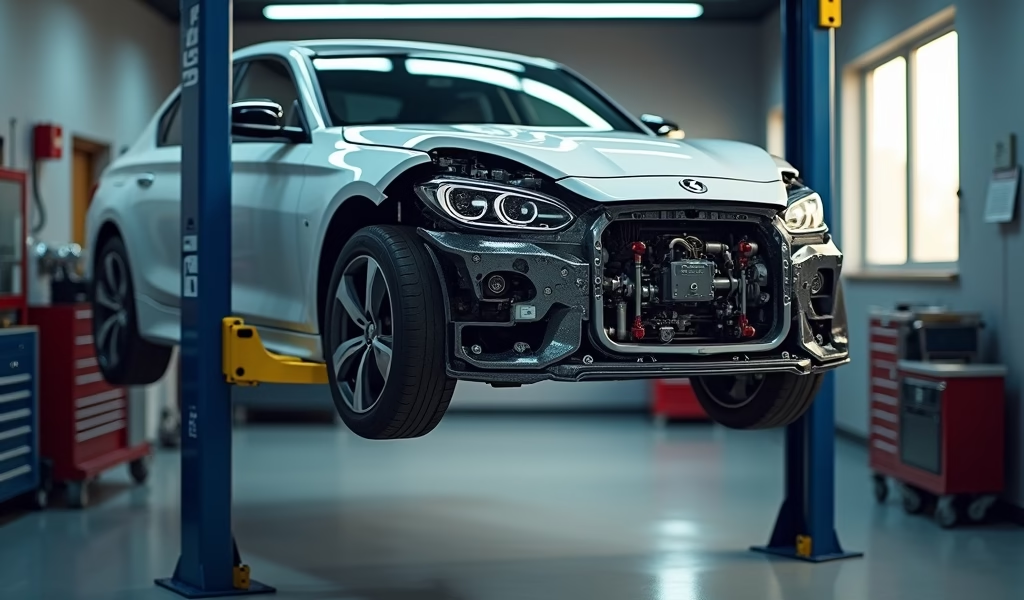
Gear slipping ranks among the most unsettling common signs of transmission problems. It feels as though your vehicle suddenly shifts into neutral on its own, causing the engine to rev without delivering power to the wheels. This momentary disconnect between engine and transmission can be frightening, especially in heavy traffic or when climbing hills.
When gears slip, you’ll notice your engine RPMs climb unexpectedly without corresponding acceleration. Your vehicle might suddenly feel underpowered, or you’ll experience a noticeable delay between pressing the gas pedal and feeling the car respond. This symptom often indicates worn internal components or insufficient transmission fluid levels.
I once had a customer describe gear slipping as “feeling like the car is trying to swim through molasses.” It’s an apt description of how your vehicle loses its crisp responsiveness. The transmission should engage firmly and hold each gear until you (or your automatic transmission) decide to shift.
Gear slipping tends to worsen gradually. You might initially notice it only when accelerating hard or climbing steep hills, but eventually, it can happen during normal driving conditions. This progressive deterioration makes it tempting to delay repairs, but that’s a costly mistake.
If you’re experiencing slipping, check your transmission fluid level immediately. Low fluid is a common cause that’s relatively easy to fix. However, if the fluid level is fine, internal wear is likely the culprit—and that requires professional attention before more extensive damage occurs.
Delayed Engagement: The Concerning Pause Before Movement
Have you ever shifted your car into drive or reverse, only to wait a disconcerting few seconds before the vehicle actually moves? This delay—often called delayed engagement—is among the most common signs of transmission problems that bring vehicles into my shop.
This symptom typically feels like a noticeable pause between selecting a gear and your car responding. You press the gas pedal, but there’s a lag before the transmission engages and transfers power to the wheels. The delay might be brief initially, perhaps just a second or two, but tends to worsen as the underlying problem progresses.
Delayed engagement often results from low or degraded transmission fluid, worn clutch packs, or problems with the transmission pump. The hesitation occurs because the hydraulic pressure needed to engage gears builds up more slowly than it should. In hydraulic systems like transmissions, even minor pressure problems can cause noticeable performance issues.
I find this symptom particularly concerning because it can lead to dangerous situations. Imagine waiting to turn left across traffic, expecting your car to move promptly when you press the gas, only to experience that heart-stopping moment when nothing happens immediately. That’s why addressing delayed engagement promptly is crucial for both mechanical health and driver safety.
If you’re experiencing delayed engagement, first check your transmission fluid level and condition. Fluid that looks dark brown or has a burnt smell indicates internal transmission damage that requires professional evaluation. For those who want to understand more about transmission types and potential issues, learning about automatic versus manual transmissions can provide valuable context.
Burning Smell: A Warning You Should Never Ignore
Few warning signs demand immediate attention like the distinctive burning odor of overheating transmission fluid. This acrid, somewhat sweet smell—often compared to burning toast with a chemical edge—indicates your transmission is running too hot and fluid is breaking down.
Transmission fluid serves multiple critical functions: it lubricates moving parts, transfers power through hydraulic pressure, and carries away heat. When fluid overheats, it loses these abilities rapidly. The resulting friction between internal components creates more heat, accelerating damage in a dangerous cycle.
In my years as a mechanic, I’ve seen transmissions destroyed in just a few hundred miles of driving after this burning smell appeared. Normal transmission operating temperature should be around 175°F, but when fluid exceeds 220°F, its lifespan drops dramatically. At temperatures above 240°F, damage can occur within minutes.
Several conditions can cause transmission overheating:
- Low fluid levels due to leaks
- Towing loads beyond your vehicle’s capacity
- Driving in stop-and-go traffic on hot days
- Blocked transmission cooler lines
- Internal clutch or band slippage
If you detect this smell, safely pull over as soon as possible and let your vehicle cool down. Continuing to drive can turn a repairable issue into a complete transmission failure. According to Consumer Reports’ transmission experts, addressing overheating promptly can prevent thousands in repair costs.
When you smell burning transmission fluid, consider it an emergency warning. Have your vehicle towed to a qualified shop rather than risking further damage by driving it. This is one situation where being overly cautious pays off.
Transmission Fluid Leaks: Spotting and Addressing the Problem
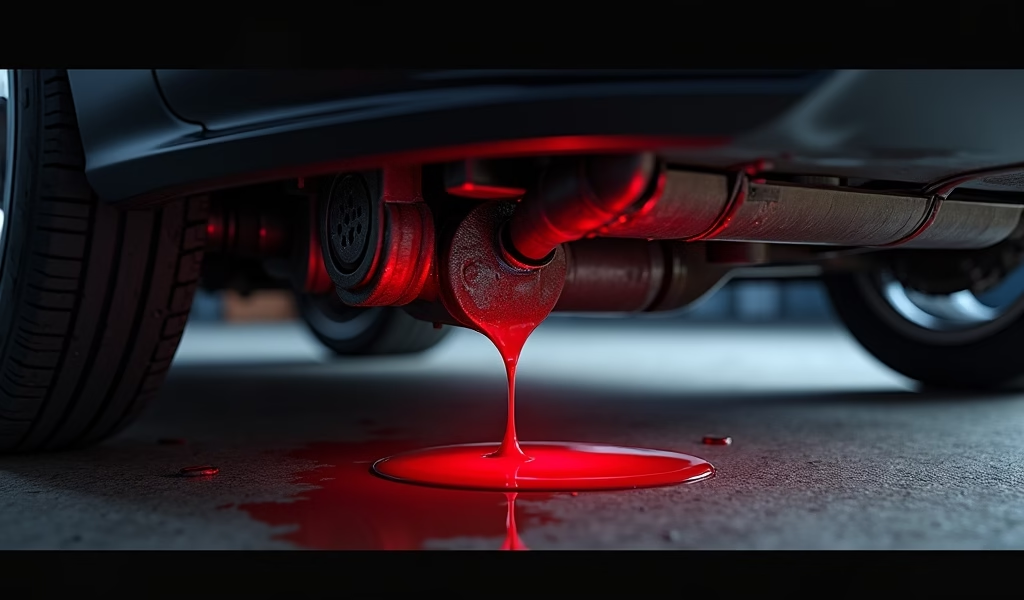
Transmission fluid leaks rank among the most visible common signs of transmission problems, yet they’re frequently overlooked. Unlike engine oil leaks (which are typically black or brown), transmission fluid is usually bright red or pinkish, making it relatively easy to identify under your vehicle.
These leaks typically appear as small puddles where you park, often near the center or front-center of your vehicle. As transmission fluid ages or burns, its color darkens to a brownish-red or even brown. This color change itself is a warning sign, as healthy transmission fluid should maintain its bright red color.
In my repair experience, transmission leaks commonly originate from:
- Damaged pan gaskets or loose pan bolts
- Cracked fluid lines or cooler connections
- Failed seals around the input or output shafts
- Cracked transmission cases (often from impact damage)
- Defective torque converter seals
The severity of leaks varies widely. Small seepage might simply require monitoring, while active dripping demands immediate attention. Even minor leaks should never be ignored completely, as they inevitably worsen and lead to low fluid levels that damage internal components.
To check if a suspicious fluid is indeed coming from your transmission, place a piece of light-colored cardboard under your parked vehicle overnight. In the morning, examine any fluid spots—transmission fluid has a distinctive slick feel and sweet-smelling odor that differentiates it from other automotive fluids.
Remember that automatic transmissions depend completely on hydraulic pressure to function. Even small fluid losses can reduce this pressure, causing slipping, hard shifts, and eventually complete failure. If you spot a leak, consulting with a transmission specialist about proper diagnostic procedures should be your next step.
Dashboard Warning Lights: Your Vehicle’s Digital Distress Signal
Modern vehicles are equipped with sophisticated computer systems constantly monitoring transmission performance. When something isn’t right, your dashboard often provides the first indication through warning lights—valuable early indicators of transmission problems.
The most direct warning is the transmission temperature light, which illuminates when fluid temperatures rise to potentially damaging levels. However, other indicators can also signal transmission issues:
- Check Engine Light (especially with certain transmission-related trouble codes)
- “PRNDL” display flashing or showing incorrect gear position
- Traction Control or ABS lights (on vehicles where these systems interface with transmission control)
- Specific transmission fault indicators (varies by manufacturer)
Today’s transmissions are increasingly integrated with other vehicle systems, making diagnostic trouble codes crucial for accurate diagnosis. When warning lights illuminate, they’re typically storing specific codes that tell mechanics exactly where to look for problems.
I’ve seen countless cases where drivers ignored warning lights for weeks or months, turning minor issues into major repairs. These lights aren’t designed to be ignored until your next scheduled service—they’re urgent communications from your vehicle’s monitoring systems.
If a transmission-related warning light appears, don’t reset it without addressing the underlying cause. Many drivers disconnect the battery to clear codes temporarily, but this merely masks the problem while damage continues. Most auto parts stores will read codes for free, giving you valuable information about what’s triggering the warning.
Remember that computer monitoring often detects problems before they become apparent to drivers. A warning light might be your only indication of an issue before more serious symptoms develop. Taking these digital distress signals seriously can save you from extensive transmission damage.
Preventing Transmission Problems: Maintenance Tips That Save Money
An ounce of prevention truly is worth a pound of cure when it comes to transmission health. After decades working on failed transmissions, I can confidently say that most catastrophic failures could have been prevented with proper maintenance.
The cornerstone of transmission care is regular fluid service. Unlike engine oil, transmission fluid doesn’t burn off—it either leaks out or degrades in place. Many manufacturers claim their transmissions have “lifetime” fluid, but this optimistic term refers to the expected lifetime of the transmission, not your vehicle.
For most vehicles, I recommend transmission fluid changes every 30,000-60,000 miles, depending on driving conditions. If you regularly tow, drive in mountainous areas, or face stop-and-go traffic, lean toward the shorter interval. Fresh fluid provides better lubrication, cooling, and hydraulic performance.
Beyond fluid changes, these practices significantly extend transmission life:
- Allow your engine to warm up briefly before driving, especially in cold weather
- Come to a complete stop before shifting between drive and reverse
- Avoid aggressive acceleration, which puts excess strain on transmission components
- Don’t exceed your vehicle’s towing capacity
- Address small issues (like minor leaks or soft shifts) before they become major problems
Transmission coolers are an excellent investment for vehicles used for towing or in hot climates. These affordable add-ons can lower transmission operating temperatures by 30-50 degrees, dramatically extending component life. As Motor Trend’s transmission specialists point out, cooler operating temperatures are the single best way to prevent premature failure.
Finally, having your transmission fluid condition checked during routine oil changes gives you regular opportunities to catch problems early. Many transmission issues develop gradually, and professional eyes can spot concerning trends before they lead to roadside breakdowns.
Conclusion: Taking Action on Transmission Warning Signs
Recognizing the common signs of transmission problems is your first defense against costly repairs and unexpected breakdowns. From unusual noises and gear slipping to burning smells and fluid leaks, your transmission provides clear warning signs before catastrophic failure.
Throughout this guide, we’ve explored the importance of being attentive to these symptoms and responding promptly. The progressive nature of transmission issues means early intervention can often save thousands in repair costs. What starts as a minor fluid leak or occasional hesitation can quickly escalate to complete transmission failure if ignored.
Remember that modern transmissions are sophisticated systems designed to operate smoothly and quietly. Any departure from normal operation warrants attention—not after your next paycheck or when it’s convenient, but as soon as possible. Your transmission doesn’t take days off, and problems don’t resolve themselves.
I encourage you to develop a relationship with a qualified transmission specialist before problems arise. Having a trusted professional to call when symptoms appear gives you confidence in the diagnosis and recommended repairs. Not all automotive issues require immediate action, but transmission problems almost always worsen with time and miles.
By staying vigilant about maintenance and responding quickly to warning signs, you’ll maximize the lifespan of your transmission and avoid the stress and expense of major repairs. Your transmission is quite literally what keeps you moving forward—give it the care and attention it deserves.
Frequently Asked Questions
What is the most common sign of transmission failure?
Gear slipping is typically the most obvious and concerning sign of impending transmission failure. When gears slip, you’ll notice your engine revving without corresponding acceleration, which indicates internal components are wearing out.
How much does it typically cost to repair transmission problems?
Minor transmission repairs like replacing sensors or solenoids typically cost $300-800, while major repairs range from $1,500-3,500. Complete transmission replacement is the most expensive option, usually costing between $4,000-8,000 depending on the vehicle.
Can I drive with a slipping transmission?
Driving with a slipping transmission is not recommended as it can cause complete failure, potentially leaving you stranded. Each time the transmission slips, internal components experience increased wear that compounds the original problem.
How often should transmission fluid be changed?
Most mechanics recommend changing transmission fluid every 30,000-60,000 miles for conventional automatic transmissions. Vehicles used for towing or in severe conditions should have more frequent service intervals, closer to the 30,000-mile mark.
Can transmission problems cause check engine lights?
Yes, transmission issues frequently trigger check engine lights in modern vehicles. The transmission control module monitors various sensors and will set trouble codes when it detects abnormal operation, often illuminating the check engine light.