
Overview
When your Chrysler Aspen starts giving you that sinking feeling—literally sagging to the ground—you’re facing the common but costly air suspension problems that can range from $200 for minor fixes to $5,000 for complete system replacement. This comprehensive guide walks owners through the components, warning signs, and repair options—including DIY fixes and conversion kits that offer reliable alternatives at $1,000-$1,800—helping you make informed decisions that balance ride quality against your budget.
Table of Contents
- Introduction: The Sinking Feeling
- What is the Air Suspension System in Your Chrysler Aspen?
- Why Your Air Suspension Matters
- Common Symptoms of Chrysler Aspen Air Suspension Failure
- Main Causes of Air Suspension Problems
- Expected Lifespan of Chrysler Aspen Air Suspension
- Maintenance Tips to Extend Your Air Suspension Life
- When Replacement Becomes Necessary
- Cost Breakdown: What to Expect
- DIY vs. Professional Repairs
- Common Repair Mistakes to Avoid
- Conversion Kits: An Alternative Solution
- Conclusion
- Frequently Asked Questions
Introduction: The Sinking Feeling
Ever walked out to your Chrysler Aspen and noticed it’s sitting a bit too close to the ground? That sinking feeling in your stomach probably matches your vehicle’s new, unintended lowrider stance. When your once-majestic SUV starts looking like it’s taking a nap, you’re facing the all-too-common Chrysler Aspen air suspension problem.
I’ve seen countless owners panic when facing repair quotes ranging from $1,500 to a jaw-dropping $5,000 at the dealership. But here’s some good news – understanding what’s happening can save you thousands and extend the life of your suspension system.
After working on these systems for years, I can tell you that with the right approach, you can avoid those budget-busting repair bills. Let’s dive into what’s really going on with your Aspen’s air suspension and explore your options for getting back on the road without emptying your wallet.
What is the Air Suspension System in Your Chrysler Aspen?
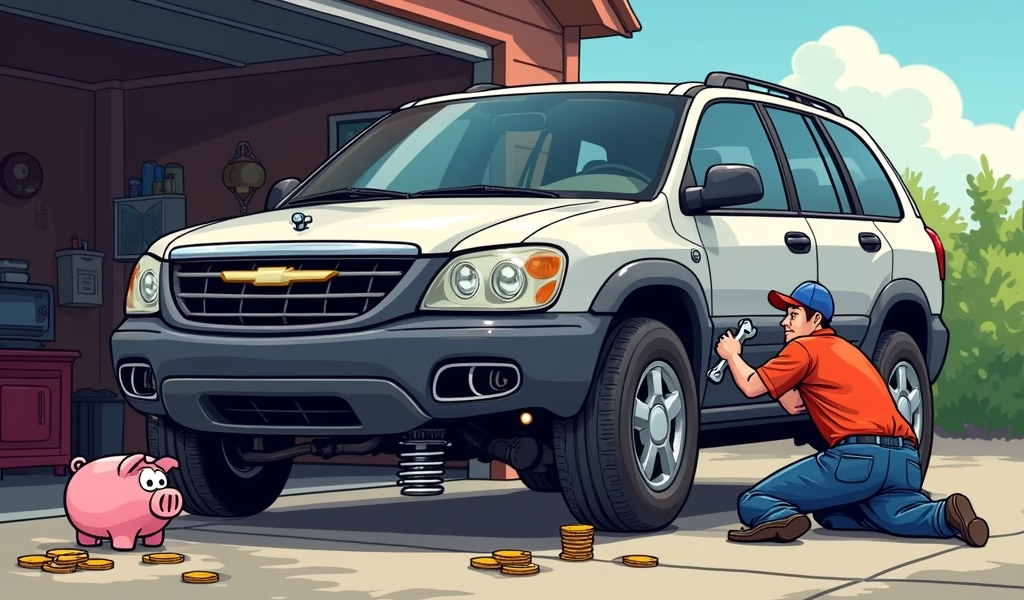
Think of your Chrysler Aspen’s air suspension as the sophisticated cousin of traditional spring suspensions. Instead of metal coil springs, this system uses air-filled rubber bellows (air springs or air bags) that can be inflated or deflated to maintain the perfect ride height regardless of load or road conditions.
The system consists of several key components working together like a well-rehearsed orchestra:
- Air Springs/Bags: Rubber and polyurethane bellows that inflate to support your vehicle’s weight
- Compressor: The hardworking heart of the system that pumps air to maintain pressure
- Air Lines: Rubber or plastic tubing that delivers air throughout the system
- Height Sensors: Electronic monitors that constantly check your vehicle’s stance
- Control Module: The brain that processes sensor data and controls the compressor
- Reservoir Tank: Stores compressed air for quick height adjustments
- Solenoid Valves: Control the airflow to individual springs
When working properly, this system automatically maintains your ride height by inflating or deflating the air springs based on what the sensors detect. The beauty lies in its adaptability – it can level your Aspen when you’re hauling a heavy load or lower it slightly at highway speeds for better aerodynamics and fuel efficiency.
The advantages over traditional suspension include adjustable ride height, superior handling, exceptional comfort, and automatic load leveling. This is precisely why luxury SUVs like the Chrysler Aspen incorporated this technology – when functioning correctly, it delivers a driving experience that conventional springs simply can’t match.
Why Your Air Suspension Matters
Your Aspen’s air suspension does far more than just provide that cloud-like ride quality you’ve come to love. It’s actually a critical system that affects nearly every aspect of your vehicle’s performance and safety.
Ride comfort is the most obvious benefit – the system’s ability to adapt to road conditions means it absorbs impacts from potholes and rough pavement far better than conventional springs. This translates to fewer spilled coffees and happier passengers on long trips.
But the benefits go much deeper. Your suspension system directly impacts handling and safety by maintaining optimal weight distribution and keeping your vehicle’s center of gravity where engineers intended it. When the system fails, your Aspen may handle unpredictably, especially during emergency maneuvers when you need performance the most.
The load-leveling capability is another crucial feature. Whether you’re packing for a family vacation or towing a boat, the air suspension automatically compensates for the added weight, maintaining proper ride height and headlight aim regardless of how much you’re carrying.
Speaking of towing, the Chrysler Aspen was designed with this capability in mind, and the air suspension plays a vital role in maintaining stability and control when pulling heavy loads. A failing system can dramatically reduce your safe towing capacity and put unnecessary strain on other components like your transmission and brakes.
Perhaps most importantly, proper ride height protects other expensive components. When your suspension sags, it can accelerate wear on shocks, CV joints and compressor connections, ball joints, and even tires, potentially turning one problem into many expensive repairs.
Common Symptoms of Chrysler Aspen Air Suspension Failure
Catching problems early can save you thousands in repairs. Here are the telltale signs that your air suspension is waving the white flag:
The most obvious symptom is uneven vehicle height. If one corner sits noticeably lower than the others, you likely have a leaking air spring or a failing height sensor in that area. This asymmetrical stance is typically the first visible symptom and shouldn’t be ignored.
The “overnight sag” is another classic warning sign. You park your Aspen perfectly level in the evening, but by morning, it’s settled significantly lower. This indicates a slow leak that allows air to escape when the compressor isn’t running to compensate.
Keep an eye on your dashboard too. The air suspension warning light is a direct communication from your vehicle’s computer that it’s detected an issue. This isn’t a “maybe get to it someday” kind of warning – it’s your Aspen’s way of sending an urgent text message about its health.
Listen for your compressor running constantly or cycling on and off frequently. This means it’s working overtime to compensate for a leak somewhere in the system. Not only is this annoying, but it can lead to premature compressor failure – an expensive repair you definitely want to avoid.
Pay attention to ride quality changes. When air springs fail, they can’t properly absorb road imperfections. You’ll notice increased harshness over bumps or a distinctive bouncing sensation that continues after hitting a bump – similar to the feeling of riding in a boat on choppy water.
Unusual noises are another giveaway. Listen for knocking, thumping, or hissing sounds, especially when going over bumps or making turns. These can indicate worn components or air escaping from the system.
Finally, excessive body roll during cornering is a sure sign of air suspension problems. This creates an unstable sensation that reduces driver confidence and can even create dangerous handling situations in emergency maneuvers.
Main Causes of Air Suspension Problems
Understanding why your air suspension fails is the first step in preventing future issues. After diagnosing hundreds of these systems, I’ve found these to be the most common culprits:
Air spring leaks top the list. The rubber and polyurethane components naturally degrade over time, developing small cracks often around seams or connection points. Environmental factors like road salt, ozone exposure, and UV radiation significantly accelerate this deterioration. In the Midwest and Northeast, where road salt is heavily used, I’ve seen air springs fail as early as 60,000 miles.
Compressor failure is another frequent issue. As the workhorse of the system, the compressor can burn out from overuse, especially when compensating for leaks elsewhere in the system. Water contamination is particularly damaging – even small amounts of moisture can rust internal components and cause premature failure. According to research by the Society of Automotive Engineers, moisture is responsible for approximately 60% of air suspension compressor failures.
Electrical issues often masquerade as mechanical problems. A blown fuse or bad relay can prevent the compressor from activating, causing the system to gradually lose pressure. These are actually the cheapest fixes, but they’re frequently overlooked, leading to unnecessary part replacements.
Moisture damage extends beyond just the compressor. Water can freeze in winter, causing cracked lines and fittings. Chrysler Aspens in humid or coastal regions are particularly vulnerable to this type of damage due to the higher moisture content in the air.
Height sensors can become misaligned, damaged, or simply fail electronically. When this happens, the control module receives incorrect data and makes improper adjustments – sometimes overinflating air springs to the point of damage. Regular sensor calibration intervals are critical for preventing these issues.
The control module itself can develop software glitches or hardware failures as vehicles age. Sometimes a simple reset can resolve these electronic gremlins, but in other cases, replacement becomes necessary.
Finally, normal wear and tear affects even perfectly maintained systems. The constant cycles of inflation and deflation, combined with road vibration and temperature fluctuations, eventually take their toll on components designed with inevitable obsolescence in mind.
Expected Lifespan of Chrysler Aspen Air Suspension
Based on my experience working with these vehicles, the Chrysler Aspen’s air suspension components typically last between 80,000 and 100,000 miles before requiring significant attention, though I’ve seen plenty of variations. Here’s what you can generally expect from each component:
- Air Springs/Bags: 70,000-100,000 miles
- Compressor: 80,000-120,000 miles
- Air Lines: Often last the vehicle’s lifetime if not damaged
- Height Sensors: Usually good for 100,000+ miles
- Control Module: Generally very durable, often lasting 150,000+ miles
- Reservoir Tank: Typically lasts the vehicle’s lifetime
Several factors affect how long your system will last. Frequent short trips can actually be harder on the system than highway driving, as the compressor cycles more often. Climate plays a huge role – vehicles in hot, humid environments or areas with harsh winters and road salt face accelerated deterioration of rubber components.
Many Chrysler Aspen owners aren’t aware that Chrysler released several technical service bulletins addressing air suspension issues. These TSBs sometimes extended warranty coverage for specific components known to fail prematurely. It’s worth checking if any apply to your vehicle’s VIN before paying for repairs out-of-pocket.
Your driving habits matter too. Frequently loading your Aspen to maximum capacity or towing heavy trailers puts additional stress on the air suspension system. This doesn’t mean you shouldn’t use your vehicle’s capabilities – that’s what they’re designed for – but be aware that heavy use accelerates wear.
Maintenance makes a significant difference in longevity. Regular inspection of air lines and connections can catch small issues before they become expensive failures. Similarly, keeping your Aspen’s undercarriage clean, especially after winter driving in salt-treated areas, can add years to your suspension’s life.
Maintenance Tips to Extend Your Air Suspension Life
An ounce of prevention is worth a pound of cure when it comes to air suspension systems. Follow these professional tips to maximize component lifespan and avoid costly repairs:
First, establish a regular inspection routine. Every oil change, take a moment to visually check your Aspen’s ride height. Is it level? Are any corners sagging? This simple 30-second check can catch problems early before they cascade into multiple component failures.
Learn to listen to your compressor’s behavior. A healthy compressor typically runs briefly and quietly when you start your vehicle, then remains silent unless you change ride height settings. If you notice it working harder or more frequently, investigate promptly. The National Institute for Automotive Service Excellence recommends having a technician check any compressor that runs for more than 30 seconds at startup.
Keep components clean but be gentle. When washing your vehicle, pay attention to suspension components. Gently spray the air springs and lines to remove road salt and debris, but avoid direct high-pressure spraying of electronic components, which can force water into sealed areas.
Protect from temperature extremes when possible. If you have the option, park in a garage during extreme heat or cold. Temperature fluctuations accelerate rubber deterioration, and consistent extreme temperatures can reduce component lifespan by as much as 30%.
Practice proper load management. While your Aspen can handle heavy loads, consistent overloading stresses the system. When carrying maximum capacity becomes routine rather than occasional, consider upgrading to heavier-duty components designed for constant heavy use.
Check for software updates periodically. Manufacturers occasionally release control module updates that improve system performance and longevity. Ask your dealer if any updates are available for your vehicle – sometimes these free software updates can resolve emerging issues before components fail.
Address small issues immediately. That minor leak won’t fix itself, and driving with it forces other components to work harder. Small repairs prevent bigger expenses down the road.
When Replacement Becomes Necessary
Eventually, even the best maintenance routine gives way to the inevitable need for replacement. Here’s how to know when that time has arrived:
Multiple component failures within a short timeframe signal system-wide aging. When several parts fail in quick succession, it often indicates the entire system is reaching the end of its service life. At this point, comprehensive replacement typically makes more financial sense than piecemeal repairs.
Compressor death is a critical decision point. When the compressor fails completely, you’re facing a significant repair bill just for that component. Given the cost of a new compressor (often $800-1,500 installed), this is when many owners evaluate complete system replacement versus conversion to conventional springs.
Persistent warning lights after initial repairs suggest deeper issues within the control system. When the warning light refuses to stay off despite replacing obvious failed components, you’re likely dealing with control module issues or multiple small problems that add up to big headaches. Diagnostic costs can accumulate quickly in these situations.
In emergency situations, temporary fixes can get you home. Special inflatable jacks can support your vehicle until proper repairs can be made. Some owners use wooden blocks between the frame and axle as a very short-term solution – think “getting to a repair shop” only, not “driving for weeks.” I’ve seen the damage caused by prolonged driving on makeshift solutions, and it’s never pretty or cheap to fix.
The conversion versus repair decision becomes particularly relevant for vehicles approaching 100,000 miles. Modern conversion kits provide surprisingly good ride quality at a fraction of the cost of repairing the air system, making them an attractive option for older vehicles facing significant repair bills.
Cost Breakdown: What to Expect
Let’s talk dollars and cents. Air suspension repairs aren’t cheap, but knowledge is power when it comes to managing costs:
At the dealership, expect premium pricing for both parts and labor:
- Complete system replacement: $3,000-$5,000
- Air spring replacement (each): $400-$700
- Compressor replacement: $800-$1,500
- Control module: $700-$1,200
- Height sensor: $200-$400
Independent shops typically charge 30-40% less than dealerships, but results vary based on the shop’s experience with air suspension systems. Seek mechanics who specialize in Chrysler products – generic shops often lack the specific expertise needed for these complex systems.
The OEM versus aftermarket parts decision significantly impacts your costs. Genuine Chrysler parts cost more but offer perfect fitment and reliability. Quality aftermarket brands like Arnott and Strutmasters provide excellent alternatives at 20-40% savings. I’ve installed hundreds of Arnott components with excellent results, though I recommend avoiding ultra-cheap parts from unknown manufacturers that may fail prematurely.
Consider system age when deciding between complete replacement and individual components. If your compressor fails at 100,000 miles, other components are likely nearing their end too. Sometimes complete replacement or conversion makes more long-term financial sense than replacing parts one breakdown at a time.
DIY vs. Professional Repairs
For the mechanically inclined, some air suspension repairs are definitely within reach, while others demand professional attention:
DIY-friendly repairs include air spring replacement (moderate difficulty), air line repairs (relatively easy), and relay/fuse replacement (easy). Basic diagnostics using a multimeter to check for power to components is also quite manageable for a home mechanic with basic electrical knowledge.
The tools and knowledge required for DIY repairs include a floor jack and jack stands rated for your vehicle’s weight, basic socket and wrench sets, a multimeter for electrical testing, and possibly a spring compressor for certain repairs. You’ll also need a service manual or reliable online guidance, plus a methodical approach and plenty of patience.
Know when to call in the professionals. Control module programming or replacement, complex electrical diagnostics, compressor replacement (which requires system evacuation in many cases), and situations with multiple failed components are best left to experienced techs. Also, if you lack proper lifting equipment, attempting suspension work can be dangerous.
You can perform basic diagnostics before calling a professional to save on diagnostic fees. Check for visible leaks by spraying soapy water on components (bubbles indicate leaks). Use a multimeter to verify the compressor is receiving power. Listen for air leaks when the system is pressurized – they often make a distinctive hissing sound that helps pinpoint the problem area.
Common Repair Mistakes to Avoid
Even experienced DIYers and some professionals make these common mistakes with Chrysler Aspen air suspension repairs:
Using incorrect parts is a frequent error. Air springs and other components may look very similar across models but have subtle differences in mounting points or pressure ratings. Using the wrong part guarantees future problems and potentially unsafe handling. Always verify part numbers against your specific vehicle’s configuration.
Ignoring related components is another costly mistake. Replacing a leaking air spring without checking the lines that feed it is asking for continued issues. Air suspension systems fail as a whole, not in isolation – when one part goes, others are typically not far behind.
Incomplete diagnostics waste money and time. Replacing parts based on assumptions rather than proper testing is a gamble that rarely pays off. That sagging rear end might not be bad air springs – it could be a sensor, relay, or control issue that no amount of new air bags will fix.
Temporary fixes have a nasty habit of becoming permanent solutions. That quick fix to get you home can cause major damage if you continue driving for weeks. Air suspension components work as a system – bypassing one part puts unnatural stress on others, creating a cascade of failures.
Overlooking electrical issues is perhaps the most common mistake I see. Many air suspension problems stem from electrical faults, not mechanical failures. Corroded connections, damaged wires, and blown fuses can perfectly mimic component failure but cost far less to repair when correctly diagnosed.
Forgetting system calibration after repairs is like installing new tires without balancing them. After certain repairs, the system needs recalibration to establish proper ride height. Skipping this step can cause premature wear on new components and lead to handling issues.
Conversion Kits: An Alternative Solution
When facing significant repair costs, many Chrysler Aspen owners consider conversion kits as a permanent solution to ongoing air suspension headaches:
Quality conversion kits typically include conventional steel springs (usually progressive rate for comfort), matching shock absorbers tuned to work with the springs, all necessary mounting hardware, and sometimes electronic ride height simulators for systems that require signals to prevent warning lights.
Cost comparison makes conversion particularly attractive. Quality kits typically range from $700-$1,200, with installation adding $300-$600 if professionally done. That’s a total of roughly $1,000-$1,800 versus $3,000-$5,000 for full air system replacement – savings that can’t be ignored.
The advantages of converting include eliminating future air component failures, significantly lower upfront and long-term costs, no more compressor noise, often a lifetime warranty on components, and consistently predictable ride height regardless of temperature or conditions.
There are tradeoffs, however. You’ll lose the automatic load-leveling capability that makes towing and hauling easier. The ride quality, while good with premium kits, is typically slightly firmer than a properly functioning air system. You can no longer adjust ride height, which some owners use for off-road situations. Some argue it may affect resale value for luxury trim levels, though this is debatable given the notorious repair costs of aging air systems.
If you’re considering conversion, stick with established brands. Strutmasters, Arnott, and Unity make reliable conversion kits specifically engineered for the Chrysler Aspen. Premium kits include gas-charged shocks and carefully rated springs that closely mimic the comfort of the original air system. Based on customer feedback and my own installations, these kits typically deliver 85-90% of the original ride quality – a difference most drivers barely notice in everyday driving.
Installation complexity is moderate. With basic mechanical skills, conversion kits are typically a 3-6 hour project. The most challenging aspects are safely supporting the vehicle and dealing with potentially corroded hardware that may require penetrating oil and patience to remove without damage.
Conclusion
Your Chrysler Aspen’s air suspension represents both a luxury feature and a potential repair challenge as the vehicle ages. By understanding the system, recognizing early warning signs, and knowing your repair options, you can make informed decisions that save thousands while maintaining a safe, comfortable ride.
For newer Aspens with isolated component failures, repairing the original system often makes the most sense. You’ll maintain the vehicle’s designed ride characteristics and optimal functionality. Quality aftermarket parts can reduce costs while providing reliability comparable to OEM components.
For higher-mileage vehicles facing multiple failures, conversion kits offer a pragmatic solution that eliminates the worry of future air suspension problems. Modern kits provide surprisingly comfortable ride quality while delivering peace of mind that comes from simpler, more reliable technology.
Whichever route you choose, addressing problems promptly prevents cascade failures that can multiply repair costs. That early warning sign – whether a dashboard light or slight sagging – is your opportunity to save significant money through timely action.
Remember, the most expensive repair is almost always the one you postpone. With proper attention and the right approach to your Chrysler Aspen’s air suspension, you can enjoy many more years of comfortable driving without breaking the bank.
Frequently Asked Questions
How much does it cost to fix Chrysler Aspen air suspension?
Repairs range from $200 for simple air line fixes to $5,000 for complete dealer system replacement. Independent shops typically charge 30-40% less than dealerships for the same repairs.
Can I drive with a failing air suspension?
Limited driving to reach a repair shop is possible, but extended driving can damage other components including ball joints, CV axles, and tires. The lower ride height also affects alignment and compromises safety systems.
Is it worth fixing or should I convert to regular springs?
For vehicles under 6 years old with fewer than 100,000 miles, repairing the air system often makes sense. For older vehicles or those with multiple suspension issues, conversion kits provide reliability and cost savings while maintaining good ride quality.
Why does my Chrysler Aspen suspension keep failing?
Repeated failures usually indicate systemic issues like electrical problems or air line deterioration in multiple locations. Environmental factors like extreme temperatures and road salt significantly accelerate component deterioration.
How long should Chrysler Aspen air suspension last?
With proper maintenance, expect 80,000-100,000 miles before major components need replacement. Climate, driving habits, and maintenance significantly impact longevity, with some owners reporting longer lifespans in ideal conditions.