
Overview
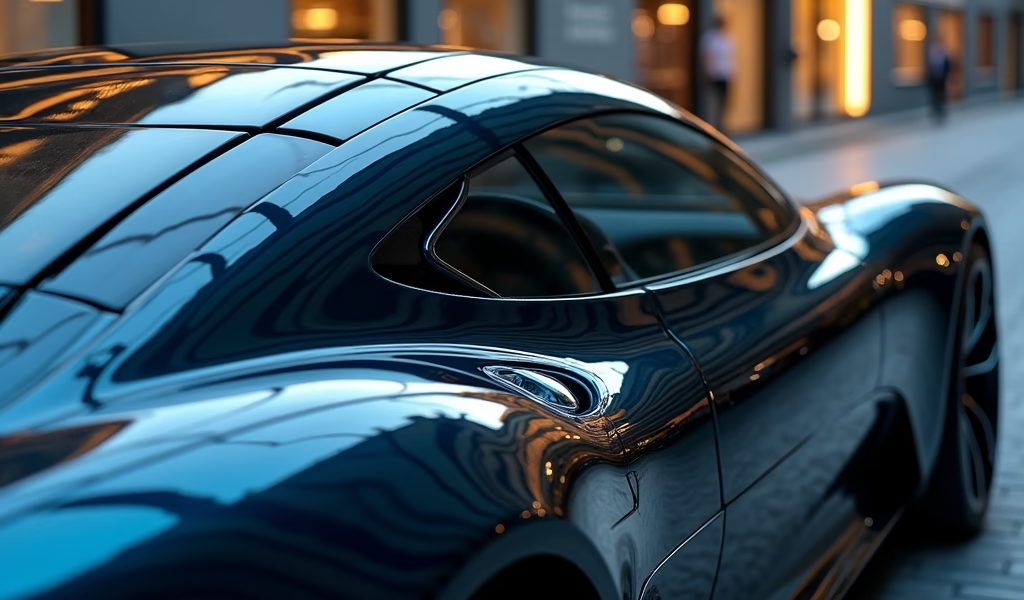
Chrome window tint is like that flashy friend who demands attention but also needs constant reassurance—it requires proper cleaning techniques, protection from environmental elements, professional maintenance, prompt damage repair, and quality protection products to maintain its mirror-like finish. Follow these five expert care tips from a 15-year veteran mechanic to extend your tint’s lifespan from a measly 1-2 years to an impressive 5-7 years, keeping your vehicle looking showroom-fresh and turning heads in any parking lot.
Table of Contents
- Introduction
- Proper Cleaning Techniques
- Protection from Environmental Elements
- Professional Maintenance Schedule
- Addressing Minor Damage Promptly
- Quality Protection Products
- Conclusion
- Frequently Asked Questions
Introduction
Chrome window tint transforms an ordinary vehicle into something extraordinary. As a mechanic who’s worked with all types of automotive finishes for over 15 years, I’ve seen firsthand how this mirror-like finish can completely change a car’s appearance, giving it that head-turning, luxury aesthetic that stands out in any parking lot.
But here’s the thing about chrome window tint – it’s not just install-and-forget. Like a high-performance engine, it needs regular maintenance to keep that showroom shine. Without proper care, that reflective surface can quickly deteriorate, becoming dull, bubbled, or discolored.
After helping hundreds of car owners maintain their chrome tints, I’ve developed these five proven care tips that will extend the life of your investment and keep that mirror finish looking fresh for years. These aren’t just suggestions – they’re essential practices based on real-world experience and automotive materials science.
Proper Cleaning Techniques
The foundation of chrome tint maintenance starts with proper cleaning. Think of it like changing your oil – skip it, and you’re asking for trouble down the road.
I recommend cleaning your chrome tinted windows every two weeks under normal conditions. If you live in coastal areas with salt air, dusty regions, or during heavy pollen season, you’ll want to clean more frequently – perhaps weekly.
The Right Cleaning Arsenal
Having spent countless hours restoring damaged tint jobs, I can tell you that using the wrong products is the fastest way to ruin your chrome finish. Here’s what you should use:
- pH-neutral automotive soap (never household cleaners)
- Premium microfiber cloths (the softest you can find)
- Distilled water for final rinsing (prevents mineral spotting)
- Specialized automotive glass cleaner (ammonia-free)
The cleaning process should follow these steps:
- Rinse the windows with clean water to remove loose dirt and debris
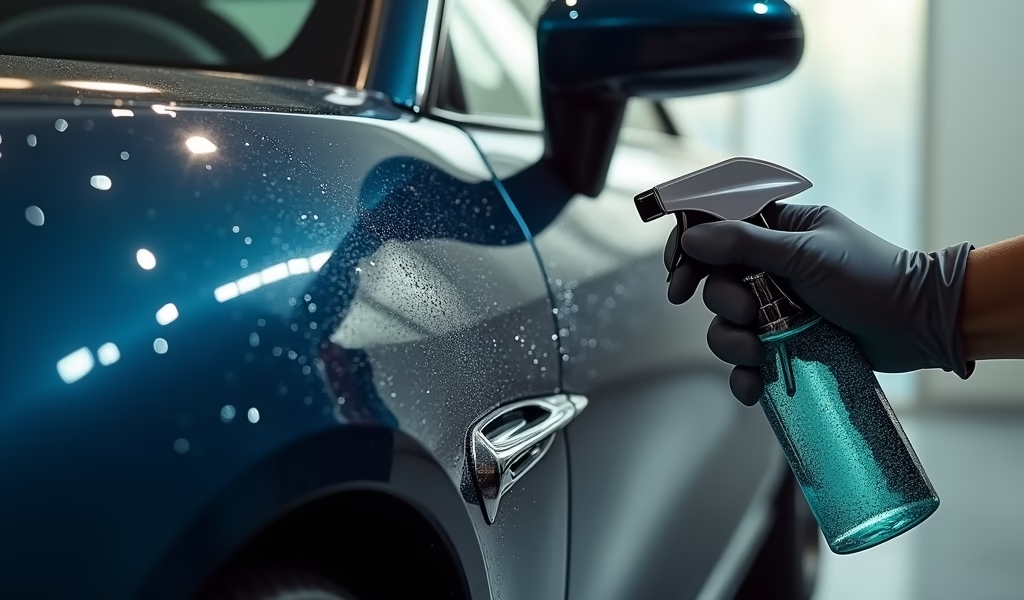
- Apply a small amount of cleaner to a damp microfiber cloth (never spray directly)
- Wipe in straight, overlapping motions (avoid circular patterns which can create swirls)
- Rinse thoroughly to remove all cleaning solution
- Dry immediately with a clean, dry microfiber towel
Just as important as what to use is what to avoid. These common cleaning mistakes can permanently damage your chrome tint:
- Ammonia-based products (they break down the tint adhesive)
- Paper towels or newspaper (too abrasive)
- Abrasive brushes or scrubbing tools
- Automatic car washes with brushes
- Cleaning in direct sunlight (causes streaking and premature drying)
According to Consumer Reports’ automotive maintenance experts, proper cleaning technique is the single most important factor in preserving any automotive window treatment.
Protection from Environmental Elements
The environment is constantly working against your chrome tint. UV rays, acid rain, tree sap, bird droppings – they’re all enemies of that perfect mirror finish you love.
The sun is particularly problematic. Those UV rays that give you a sunburn are also damaging your tint, causing gradual degradation that leads to color shifting, bubbling, and adhesive failure. After examining hundreds of damaged tint jobs, I can tell you that sun exposure is the number one culprit.
Practical Protection Strategies
You can significantly extend your chrome tint’s lifespan by implementing these protection strategies:
- Park in garages or covered areas whenever possible
- Use a high-quality car cover for long-term outdoor parking
- Consider a portable carport if you don’t have garage access
- Avoid parking under trees that drop sap, berries, or attract birds
- Position your car to minimize direct sun exposure on tinted windows
Different seasons present different challenges for chrome tint maintenance. Having detailed cars professionally in every climate, I’ve developed these seasonal tips:
Seasonal Considerations
Summer: This is when your tint is most vulnerable. Increase your cleaning frequency and apply UV protectants more often. Try to park in shaded areas, and if you must park in direct sun, use a windshield sunshade to reduce interior temperatures (which can affect tint adhesion).
Winter: Road salt and de-icing chemicals are highly corrosive to chrome tint. Rinse your windows thoroughly whenever temperatures allow. In freezing conditions, never use hot water to clear ice from tinted windows – the thermal shock can cause the tint to crack or delaminate.
Spring: Pollen creates a fine film that’s surprisingly abrasive when wiped. Rinse windows thoroughly before wiping to avoid scratching the chrome finish.
Fall: Tree sap and falling leaves contain acids that can etch into your tint. Remove them promptly, and consider applying a protective sealant before the fall season begins.
Professional Maintenance Schedule
Even with diligent home care, professional maintenance is essential for long-lasting chrome tint. As someone who’s performed countless tint restorations, I can spot early warning signs that most car owners miss until significant damage has occurred.
I recommend scheduling professional assessments twice yearly. These check-ups allow experts to evaluate the condition of your tint using specialized equipment that can detect issues invisible to the naked eye.
What Professional Maintenance Includes
A proper professional maintenance session typically involves:
- Microscopic examination of tint edges for early delamination
- Adhesive integrity testing
- Professional-grade cleaning with specialized equipment
- Edge resealing where necessary
- Application of commercial-grade protectants
- UV damage assessment
Many quality tint shops offer maintenance packages for returning customers. These services typically cost between $50-100 and can prevent repairs that might cost five times as much. Having seen the difference between well-maintained and neglected tint jobs, I can assure you this investment pays dividends.
The Insurance Institute for Highway Safety notes that regular maintenance of vehicle glass treatments not only preserves appearance but can maintain the safety benefits of proper visibility.
Addressing Minor Damage Promptly
In my years working on chrome tints, I’ve learned that small problems quickly become big ones if ignored. That tiny bubble along the edge of your window might seem insignificant now, but it’s an entry point for moisture and contamination that can spread across the entire window.
The most common minor issues I see include:
- Small bubbles or air pockets (especially along edges)
- Fine surface scratches
- Edge lifting or peeling
- Slight discoloration in small areas
DIY Solutions for Minor Problems
For small bubbles: You can sometimes work these out using a plastic credit card wrapped in a microfiber cloth. Gently push the air toward the nearest edge, being careful not to scratch the tint. This works best when the window is warm.
For minor scratches: Specialized chrome polish applied with an extremely soft microfiber cloth can sometimes diminish the appearance of surface scratches. Always test in an inconspicuous area first.
For edge lifting: Clear, tint-safe edge sealer can temporarily stabilize minor edge peeling. Apply a tiny amount with a toothpick, then press down with a microfiber cloth until dry.
When to Seek Professional Help
After fixing thousands of tint issues, I’ve identified clear warning signs that DIY won’t cut it:
- Bubbles larger than a dime
- Multiple bubbles appearing suddenly
- Discoloration that continues to spread
- Any lifting or bubbling in the middle of the window (not just edges)
- Rainbow effects or color shifting across the tint
When these issues appear, seeking professional help immediately can often save the tint. Waiting typically means complete replacement will be necessary. As I tell my customers, you can pay a little now or a lot later – the choice is yours.
Having detailed cars step by step for years, I can confirm that early intervention is always more cost-effective than waiting until problems worsen.
Quality Protection Products
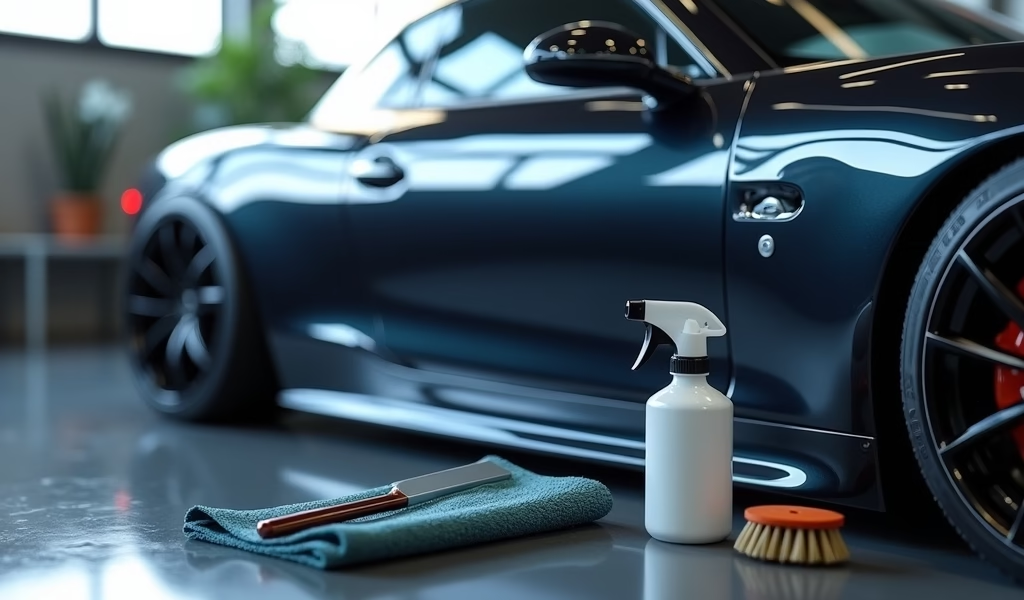
The final piece of the chrome tint care puzzle is using quality protection products. These create a barrier between your tint and environmental hazards, much like wax protects your paint.
After testing dozens of products on various vehicles in different climates, I’ve found three categories that deliver real results:
Types of Protection Products
- Nano-ceramic coatings: These create a semi-permanent protective layer that can last 1-2 years. They require professional application but offer the best protection against UV damage, chemical etching, and minor scratches.
- Polymer sealants: More affordable and DIY-friendly than ceramic coatings, these products typically last 4-6 months. They provide good UV protection and make cleaning easier.
- UV-resistant sprays: The most affordable option, these sprays are easy to apply but require monthly reapplication. They primarily protect against UV damage rather than physical damage.
Application Tips from the Trenches
After applying protectants to hundreds of vehicles, I’ve learned these crucial tips:
- Always apply in a shaded, dust-free environment
- Temperature matters – most products work best between 60-75°F
- Less is more – applying too much product creates streaking and hazing
- Follow proper curing times – rushing this step ruins the protection
- Apply protectants after thorough cleaning (never on dirty windows)
Quality protectants make everyday maintenance easier by creating a surface that repels dirt and contaminants. Many of my customers notice they can go longer between cleanings after applying a good protectant.
For those interested in learning car painting techniques, many of the same principles apply to protecting chrome tint – proper preparation, thin even coats, and patience during curing.
According to the International Detailing Association, using appropriate protective products can extend the life of automotive films by up to 30% under identical conditions.
Conclusion
Chrome window tint isn’t just an upgrade for your vehicle – it’s a statement. The mirror-like finish turns heads and elevates your car’s appearance, but only when properly maintained.
By following these five proven care tips – proper cleaning techniques, environmental protection, professional maintenance, prompt damage control, and quality protection products – you’ll maximize your investment and keep that showroom shine for years longer than the average owner.
Remember that consistency is key. A regular maintenance schedule prevents most problems before they start. Even the most expensive chrome tint will fail prematurely without proper care, while even moderately priced tint can look spectacular for years with the right attention.
As a professional who’s seen thousands of vehicles come through my shop, I can confidently say that the difference between chrome tint that lasts for years and tint that fails in months isn’t luck – it’s maintenance.
Take these tips to heart, establish a regular care routine, and you’ll continue to enjoy those admiring glances and compliments on your vehicle’s striking appearance for many miles to come.
Ready to give your chrome window tint the care it deserves? Start implementing these strategies today, and feel free to reach out with any questions – I’m always happy to help fellow automotive enthusiasts protect their investments.
Frequently Asked Questions
How long does chrome window tint typically last?
With proper maintenance, quality chrome window tint can last 5-7 years. Without regular care, however, it may begin deteriorating in as little as 1-2 years.
Can I use regular glass cleaner on chrome window tint?
No, standard glass cleaners often contain ammonia which breaks down tint adhesive. Always use ammonia-free, tint-safe cleaners specifically formulated for window films.
Why is my chrome tint bubbling at the edges?
Edge bubbling typically indicates adhesive failure due to moisture intrusion or heat damage. This is often caused by cleaning with improper chemicals or prolonged exposure to extreme temperatures.
Is chrome window tint legal in all states?
No, legality varies by state based on VLT (Visible Light Transmission) percentages. Check your state’s specific regulations as chrome tint often has reflective properties that may exceed legal limits in some areas.
Can damaged chrome tint be repaired or must it be replaced?
Minor edge lifting or small bubbles can sometimes be repaired by professionals. Significant damage including large bubbles, discoloration, or peeling generally requires complete replacement.