
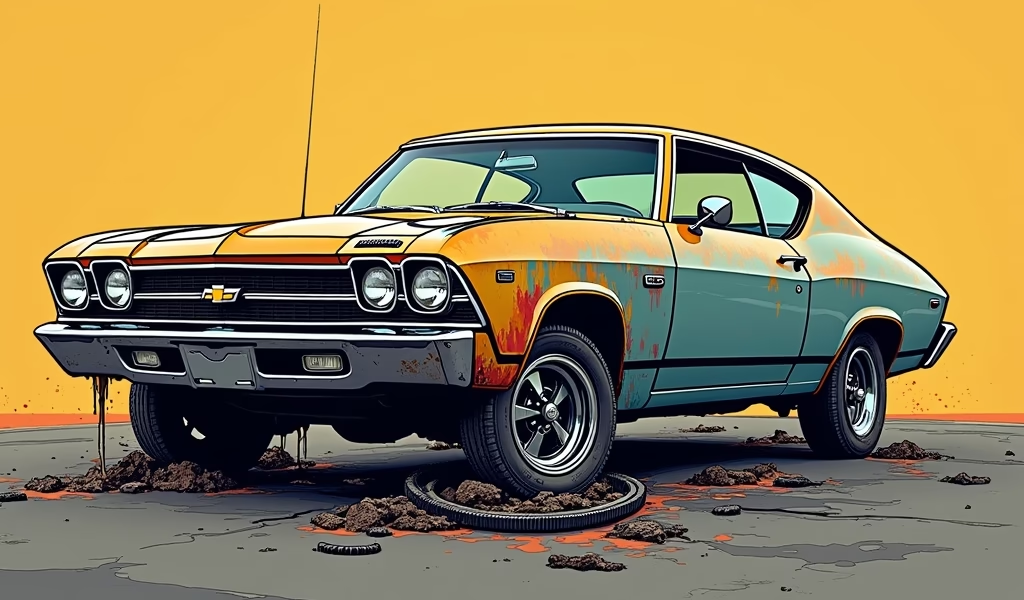
Overview
Just like that sinking feeling when your car hesitates between gears, Chevrolet Malibu owners face common transmission issues that vary by model year—with the 2010-2012 and 2016-2018 vehicles being particularly problematic. From preventative maintenance like regular fluid changes to repair options ranging from $300 for minor fixes to $4,000 for full replacements, understanding early warning signs and being proactive can save owners thousands in transmission repairs.
Table of Contents
- Understanding Chevrolet Malibu Transmission Issues
- Common Symptoms of Transmission Problems
- Specific Model Years with Transmission Issues
- Prevention Tips to Extend Transmission Life
- DIY Maintenance for Your Malibu Transmission
- Understanding Repair Costs and Options
- When to Seek Professional Help
- Conclusion
- Frequently Asked Questions
Understanding Chevrolet Malibu Transmission Issues
Look, we’ve all been there – that moment when your Chevrolet Malibu transmission starts acting up, and your heart sinks thinking about the potential repair costs. I’ve spent over 25 years working on these systems, and I’m here to tell you that understanding the problem is the first step to avoiding those hefty repair bills.
The Chevrolet Malibu has developed quite a reputation for transmission-related problems, particularly in certain model years. As someone who’s had their hands deep in these transmissions for decades, I can tell you that many of these issues are preventable or, at the very least, manageable if caught early.
Most Malibu transmission problems stem from a few common sources: worn solenoids, torque converter issues, or electronic control problems. The good news? Many of these can be addressed before they lead to complete transmission failure – which is when things get really expensive.
The different types of automatic transmissions in Malibus have evolved over the years, with the 6T40, 6T45, and 6T70 being common in more recent models. Each has its own quirks and potential failure points that we’ll explore in this guide.
Common Symptoms of Transmission Problems
Your car talks to you – you just need to know how to listen. When it comes to Chevrolet Malibu transmission issues, there are several telltale signs that shouldn’t be ignored.
First off, delayed engagement is a big red flag. You know that moment when you shift from park to drive and there’s an awkward pause before the car actually moves? That’s not normal, and it’s your transmission sending up a distress signal.
Another common symptom is rough shifting. If your Malibu jerks, slams, or hesitates when changing gears, something’s not right in the transmission department. Trust me, smooth shifting isn’t just about comfort – it’s a sign that all components are working together properly.
Then there’s the dreaded transmission slipping. You’re cruising along, and suddenly your engine revs but your speed doesn’t increase accordingly. It’s as if the car is trying to shift but can’t quite make it happen. This is often a sign that the transmission fluid is low or burnt, or that internal components are wearing out.
Unusual noises can also indicate trouble. Whining, buzzing, or clunking sounds – especially when in neutral or during gear changes – often point to transmission issues. And let’s not forget about warning lights. If your check engine light comes on, it might be transmission-related, particularly if accompanied by a “reduced power” message.
Strange burning smells or leaking fluid beneath your car are also warning signs. Transmission fluid should be bright red and have a sweet smell. If it’s dark, burnt-smelling, or leaving puddles under your car, you’ve got a problem on your hands.
According to Car Complaints data, these symptoms tend to appear most frequently between 75,000 and 100,000 miles in problematic model years. Early detection can mean the difference between a minor repair and a complete transmission replacement.

Specific Model Years with Transmission Issues
Not all Chevrolet Malibus are created equal when it comes to transmission reliability. Having worked on these cars for years, I’ve noticed clear patterns in which model years tend to visit my shop most frequently for transmission work.
The 2010-2012 Malibus with the 6T40 and 6T45 transmissions have had their fair share of problems. These years often experience torque converter issues, leading to shuddering and vibration, especially between 40-50 mph. I’ve seen this problem so many times that I can almost diagnose it just from a customer’s description on the phone.
The 2013-2015 models represent another troublesome generation. The wave plate failure in these transmissions is so common that many Chevy technicians (myself included) have developed a sixth sense for diagnosing it. When these fail, you’ll typically notice harsh shifting and eventual slipping between gears.
Perhaps the most notorious are the 2016-2018 Malibus with the 6T35 transmission. These models can experience electronic control module failures that cause the transmission to go into limp mode or fail to shift properly. The frustrating part? Often the transmission itself is mechanically sound – it’s the electronic control that’s the culprit.
Interestingly, the Chevrolet Malibu generally ranks well for overall reliability, which makes these transmission issues all the more surprising to many owners. The 2019 and newer models have shown improvement, though it’s still too early to declare them problem-free.
The National Highway Traffic Safety Administration (NHTSA) has documented hundreds of complaints related to Malibu transmissions over the years. According to NHTSA data, transmission-related complaints peak in the problematic model years I’ve mentioned above.
If you own one of these model years, don’t panic – but do be vigilant. Knowing what to watch for can save you thousands in repair costs.
Prevention Tips to Extend Transmission Life
Listen, preventing transmission problems is always cheaper than fixing them. After years of seeing preventable failures roll into my garage, I’ve developed some tried-and-true prevention strategies that can add years to your Malibu’s transmission life.
Regular fluid changes are absolutely non-negotiable. I don’t care what anyone tells you about “lifetime fluid” – that’s a marketing term, not a mechanical reality. For most Malibu models, I recommend changing the transmission fluid every 50,000 miles, or even more frequently if you do a lot of stop-and-go driving or live in a hilly area.
Pay attention to the type of fluid you use. These transmissions are picky, and using the wrong fluid can accelerate wear or cause shifting problems. The owner’s manual specifies DEXRON VI for most models, and this is one case where following the manufacturer’s recommendation is crucial.
Another prevention tip: warm up your transmission before driving hard, especially in cold weather. The fluid needs to reach operating temperature to provide proper lubrication and protection. Give your car a couple of minutes to idle, or drive gently for the first few miles.
Here’s a prevention checklist that has saved my customers thousands over the years:
- Check transmission fluid monthly (if equipped with a dipstick)
- Listen for unusual noises when shifting
- Avoid aggressive “jackrabbit” starts
- Don’t shift while the vehicle is moving (park to reverse, etc.)
- Allow the transmission to fully engage before accelerating
- Use your parking brake on hills instead of relying solely on “Park”
One often overlooked aspect of transmission health is cooling. Overheating is the number one killer of automatic transmissions. If you tow frequently or drive in hot climates, consider having an auxiliary transmission cooler installed. It’s relatively inexpensive insurance against major repairs.
According to research from transmission specialists, consistent maintenance can extend transmission life by up to 100,000 miles beyond the average failure point. That’s potentially thousands of dollars saved just by being proactive.
DIY Maintenance for Your Malibu Transmission
Now, I know what you’re thinking – “Can I really do transmission maintenance myself?” The answer is yes, with some limitations. While I wouldn’t recommend a complete transmission rebuild as your first DIY project, there are several maintenance tasks that even novice mechanics can handle.
Checking your transmission fluid level and condition is DIY 101. Newer Malibu models (roughly 2016 and later) often don’t have traditional dipsticks, making this more challenging, but many 2010-2015 models still allow for fluid checks. The fluid should be bright red, not brown or black, and should smell sweet rather than burnt.
If your model has a serviceable filter, changing it along with the fluid can make a significant difference. This job typically requires dropping the transmission pan, which sounds intimidating but is actually straightforward if you have basic tools and a weekend afternoon to spare.
For those feeling a bit more adventurous, cleaning the transmission cooler lines can prevent restrictions that lead to overheating. This involves disconnecting the lines at the radiator and flushing them with transmission fluid or an approved cleaning solution.
Here’s a step-by-step guide for a basic DIY transmission fluid change:
- Gather supplies: correct transmission fluid, gasket (if replacing the pan), drain pan, and basic tools
- Warm up the transmission by driving for 15-20 minutes
- Raise and secure the vehicle safely using proper jack stands
- Place a large drain pan under the transmission
- Remove the drain plug or pan bolts (work from one side to control fluid flow)
- Allow all fluid to drain completely
- If accessible, replace the filter and clean the magnet in the pan
- Reinstall the pan with a new gasket if removed
- Add new fluid through the fill tube or check plug
- Check for leaks and proper fluid level
Remember, even with DIY maintenance, some issues require professional diagnosis. If you’re experiencing shifting problems, unusual noises, or warning lights, it’s time to consult a professional before attempting any DIY repairs.

Understanding Repair Costs and Options
Let’s talk money – because that’s usually what makes people break out in a cold sweat when transmission problems arise. Having priced out countless Malibu transmission jobs over the years, I can give you the unvarnished truth about what repairs typically cost.
Minor issues like solenoid replacements or fluid leaks might run you between $300-$800, depending on labor rates in your area. That’s not pocket change, but it’s manageable for most folks with some planning. These repairs often resolve shifting issues if caught early.
Torque converter replacements fall into the mid-range category, typically costing $800-$1,500. This is a common repair for the 2010-2012 models that experience shuddering. While expensive, it’s still significantly cheaper than a full transmission replacement.
Now for the number that makes everyone cringe – a complete transmission replacement or rebuild. For a Chevrolet Malibu, this typically ranges from $2,500 to $4,000, depending on whether you choose a remanufactured unit, a used transmission, or a complete rebuild of your existing unit.
But here’s something many shops won’t tell you: you have options. Consider these alternatives before shelling out for a complete replacement:
- Remanufactured transmissions often come with warranties and can save $500-1,000 over new units
- Transmission rebuild kits allow a skilled mechanic to fix only what’s broken
- Used transmissions from salvage yards can be viable if they’re thoroughly inspected and come from low-mileage vehicles
- Independent transmission shops often charge 20-30% less than dealerships for the same work
- Some issues can be resolved with a transmission fluid flush and adaptive learning procedure
One cost-saving tip I’ve shared with many customers: if your Malibu is diagnosed with transmission issues while still under warranty, make sure to have it documented, even if the problem isn’t severe enough for immediate repair. This documentation can be invaluable if the problem worsens after warranty expiration, potentially qualifying for goodwill assistance from the manufacturer.
When to Seek Professional Help
Despite our best DIY efforts, some transmission issues require professional intervention. After all, modern transmissions are complex beasts – part mechanical, part hydraulic, part electronic. Knowing when to wave the white flag and call in the pros can save you time, frustration, and sometimes even money.
First off, any time you see transmission fluid leaking, it’s best to get professional eyes on the problem quickly. What looks like a simple leak can sometimes indicate internal pressure problems or failing seals that could lead to more significant damage if not addressed.
If your Malibu’s check engine light comes on with transmission-related codes, that’s another sign to seek help. Modern transmissions are controlled by complex computers that require specialized diagnostic equipment to properly interpret error codes and test electronic components.
Erratic shifting, complete failure to shift into certain gears, or strange noises from the transmission area all warrant professional diagnosis. These symptoms can indicate internal mechanical problems that require expertise and special tools to fix properly.
When seeking professional help, consider these tips:
- Get recommendations for transmission specialists, not just general mechanics
- Ask about diagnostic fees and get written estimates before authorizing work
- Inquire about warranty options on any repair work
- Consider a second opinion for expensive repair recommendations
- Ask if the shop has specific experience with Chevrolet Malibu transmissions
Remember, a good transmission specialist will take the time to explain what’s wrong, show you the problematic parts if possible, and discuss all available repair options. They should never pressure you into the most expensive solution without justification.
If you’re dealing with a transmission issue in a newer Malibu that’s close to the warranty cutoff, don’t hesitate to contact Chevrolet customer service. According to data from the Better Business Bureau’s auto line program, manufacturers sometimes offer goodwill adjustments for known issues just outside warranty coverage.
Conclusion
We’ve covered quite a journey through the world of Chevrolet Malibu transmission issues – from identifying the warning signs to understanding your repair options and preventive maintenance strategies. If there’s one thing I hope you take away from this guide, it’s that being proactive can save you thousands.
Remember, those strange noises, hesitations, or fluid leaks are your car’s way of asking for help. Ignoring these early warning signs is like ignoring a small leak in your roof – what starts as a minor problem can quickly cascade into a major expense.
The most troublesome model years (2010-2012 and 2016-2018) deserve extra attention, but even if you own one of these, regular maintenance can help you beat the odds. Those DIY fluid changes and careful driving habits we discussed aren’t just suggestions – they’re your first line of defense against costly repairs.
When repairs are necessary, remember that you have options beyond the dealership quote. Independent specialists, remanufactured units, and even partial repairs can often resolve the issue without emptying your savings account.
After 25 years working on these transmissions, I’ve seen too many people forced into difficult financial decisions because they missed the early signs or skipped basic maintenance. Don’t let that be you. Your Malibu can provide many more years of reliable service if you listen to what it’s telling you and respond accordingly.
The road ahead is yours to navigate – hopefully with a smoothly shifting transmission beneath you!
Frequently Asked Questions
How long do Chevy Malibu transmissions typically last?
With proper maintenance, a Chevrolet Malibu transmission should last between 150,000-200,000 miles. Regular fluid changes and gentle driving habits can significantly extend this lifespan.
What is the most common transmission problem in Chevy Malibus?
The most common issue is torque converter failure, especially in 2010-2012 models, causing shuddering at highway speeds. This typically manifests as vibration between 40-50 mph during light acceleration.
Does Chevrolet offer any extended warranty for transmission issues?
Chevrolet has offered special coverage for specific transmission issues in certain model years. Check with your dealer using your VIN to determine if your vehicle qualifies for any extended coverage programs.
How much does it cost to replace a Chevy Malibu transmission?
A complete transmission replacement typically costs between $2,500-$4,000 depending on your location and whether you choose new, remanufactured, or used. Independent shops generally charge 20-30% less than dealerships.
Can I drive with a slipping transmission?
While you might be able to drive temporarily with a slipping transmission, it’s not recommended for extended periods. Continued driving can cause complete failure, leaving you stranded and facing more expensive repairs.