
Overview
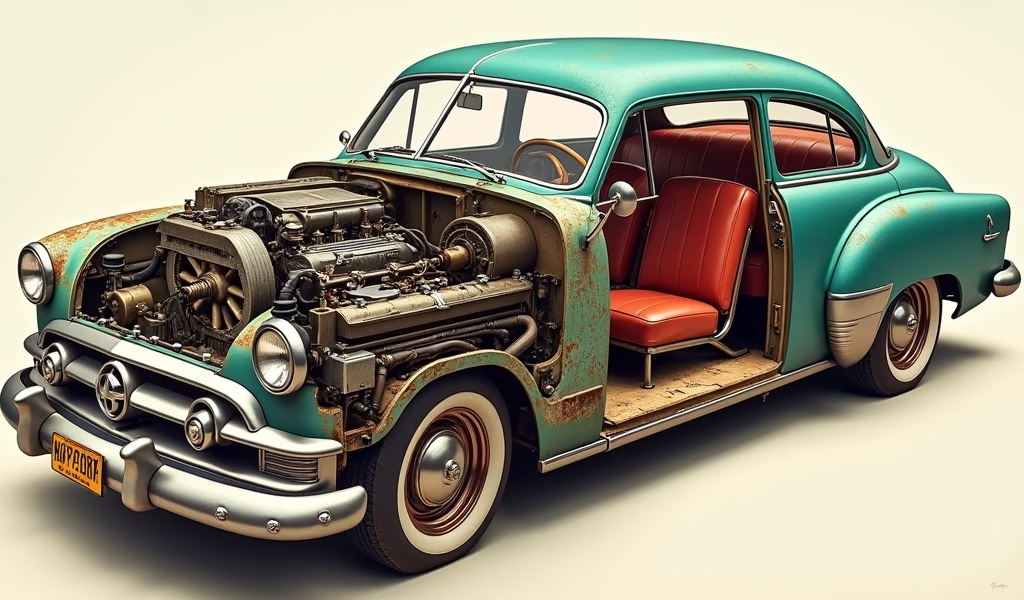
Cuba’s classic cars aren’t just photogenic time capsules—they’re daily drivers kept running through seven ingenious maintenance techniques born of necessity under trade restrictions. From creating homemade oil filtration systems and multi-layer air filters to religious preventative maintenance schedules and MacGyver-worthy carburetor repairs, Cuban mechanics have developed a remarkable philosophy that extends engine life far beyond conventional expectations despite limited resources.
Table of Contents
- The Unique World of Cars in Cuba
- Historical Context: Why Cuban Cars Are Special
- Tip 1: Engine Oil Management in Limited Supply Conditions
- Tip 2: Maintaining the Cooling System Under Tropical Conditions
- Tip 3: Air Filtration Solutions for Dusty Cuban Roads
- Tip 4: Carburetor Care and Adjustment
- Tip 5: Dealing with Variable Fuel Quality
- Tip 6: Electrical System Preservation
- Tip 7: Preventative Maintenance Schedule
- Conclusion
- Frequently Asked Questions
The Unique World of Cars in Cuba
There’s something magical about the cars in Cuba that captivates the imagination of anyone who visits the island. As you walk down the streets of Havana, you’re transported back in time, surrounded by vibrant Chevrolets, elegant Fords, and stylish Cadillacs from the 1940s and 1950s. These aren’t museum pieces – they’re daily drivers, the lifeblood of Cuban transportation, surviving against incredible odds for over six decades.
What makes Cuban car maintenance truly extraordinary isn’t just the age of these vehicles but the remarkable ingenuity their owners display in keeping them running. With limited access to original parts and conventional tools, Cuban mechanics have become masters of adaptation and innovation. This article will explore the unique challenges faced by cars in Cuba and provide seven proven maintenance tips specifically developed for extending engine life under these challenging conditions.
Whether you’re a classic car enthusiast, planning a visit to Cuba, or simply curious about how these automotive time capsules keep running, these insights will give you a deeper appreciation of Cuban mechanical ingenuity. Let’s dive into the fascinating world where necessity truly is the mother of invention.
Historical Context: Why Cuban Cars Are Special
To understand why maintaining cars in Cuba is so unique, we need to step back to 1959. When Fidel Castro came to power, he quickly established an embargo on American imports – including vehicles and their parts. Overnight, the steady flow of American automobiles into Cuba came to a screeching halt. The cars that were already on the island – primarily American models from the 1940s and 1950s – suddenly became the final generation of their kind.
This historical quirk created what many call the world’s largest rolling car museum. But unlike museum pieces, these vehicles need to work every day in challenging conditions. The trade restrictions meant that original replacement parts became virtually impossible to find. Faced with this reality, Cuban mechanics developed a culture of “resolver” – making do with what’s available.
Today, most of these vehicles are kept running through a combination of creativity and technical prowess. Many have been fitted with engines from Soviet-era vehicles like Ladas and Moskvitches. Others feature handcrafted parts made from whatever materials could be sourced. The result is a unique automotive ecosystem where a 1955 Chevy might run on a diesel engine from a boat, with a water pump fabricated from household items.
This context is crucial because the maintenance tips that follow aren’t just good practice – they’re survival strategies developed through decades of necessity by some of the most resourceful mechanics on the planet.

Tip 1: Engine Oil Management in Limited Supply Conditions
When it comes to cars in Cuba, engine oil isn’t just a maintenance item – it’s liquid gold. With limited access to fresh supplies, Cuban mechanics have developed sophisticated approaches to oil management that maximize engine protection with minimal resources.
The first principle is extending oil life through filtration. Many Cuban mechanics have created homemade oil filtration systems that can remove contaminants from used oil, allowing it to be reused several times. These systems typically involve a series of increasingly fine filters, sometimes made from repurposed household items like coffee filters or tightly woven cloth. The filtered oil isn’t as good as fresh oil, but it’s far better than running an engine with heavily contaminated lubricant.
Another key practice is the addition of oil supplements and additives. Many Cuban mechanics add a small amount of heavier weight oil to create custom blends that provide better protection for older engines. Some also use natural additives like a few drops of castor oil to improve lubricity when dealing with borderline oil conditions.
Here’s how to implement Cuban-inspired oil management techniques:
- Check oil levels religiously – daily if possible, but at least twice weekly
- Look for oil that’s specifically formulated for high-mileage engines
- Consider using oil stabilizers to extend the life of your existing oil
- Learn to “read” your oil – changes in color, smell, or texture can indicate issues before they become serious
- Keep a spare container of oil in your vehicle at all times
One research study on lubricant life extension confirms what Cuban mechanics have known through experience: proper filtration and condition monitoring can significantly extend oil change intervals without damaging the engine. This approach isn’t just economical – it’s environmentally responsible as well.
Tip 2: Maintaining the Cooling System Under Tropical Conditions
The tropical Cuban climate presents unique challenges for cooling systems in vintage cars. With temperatures regularly climbing into the 90s (Fahrenheit) and high humidity levels year-round, preventing overheating becomes critical to engine longevity. Cuban mechanics have developed specialized approaches to cooling system maintenance that work even with limited resources.
Water is the foundation of any cooling system, and in Cuba, it’s carefully managed. Rather than using commercial coolants (which are often unavailable), many Cuban mechanics use distilled water with homemade additives to prevent corrosion. A common mixture includes water with a small amount of dish soap (to reduce surface tension) and baking soda (to neutralize acidity). While not as effective as commercial products, this mixture provides adequate protection when properly maintained.
Radiator maintenance takes on special importance in this environment. Without access to replacement radiators, Cuban mechanics have become experts at cleaning and repairing existing units. They regularly flush systems using pressure-washing techniques and repair leaks with creative solutions like egg whites (which coagulate when heated, sealing small leaks) for temporary fixes.
Here are cooling system maintenance strategies inspired by Cuban practices:
- Flush your cooling system thoroughly twice yearly to remove sediment and scale
- Inspect all hoses and connections monthly, looking for softness, cracking, or leaking
- Clean your radiator fins from both directions (front and engine side) to remove all debris
- Test your thermostat regularly – an overheating engine might simply have a stuck thermostat
- Consider adding a secondary electric fan if you frequently drive in stop-and-go traffic
Cuban mechanics also pay special attention to water pump maintenance, as this critical component can be difficult to replace. They’ve developed techniques for repacking water pump seals using materials like waxed string or specially prepared leather. While these methods may seem primitive compared to simply replacing a part, they’ve kept countless engines running for decades beyond their expected lifespan.
Tip 3: Air Filtration Solutions for Dusty Cuban Roads
Cuba’s combination of unpaved rural roads and urban pollution creates significant challenges for engine air filtration. Clean air is essential for proper combustion, yet commercial air filters can be nearly impossible to find on the island. This scarcity has led to some remarkably creative solutions among Cuban mechanics.
The most common approach involves creating multi-layer filtration systems using locally available materials. A typical homemade Cuban air filter might include layers of window screen (for large particles), fabric from old clothing (for medium particles), and moistened gauze (for fine dust). These layers are often arranged in a way that allows for cleaning and reuse, with only the innermost layer requiring occasional replacement.
Some mechanics have adapted Soviet-era oil bath air cleaners to work with American engines. These systems, which use oil to trap dust particles, can be remarkably effective and require minimal maintenance beyond occasional oil changes. The adaptation process requires considerable skill in fabricating mounting brackets and intake connections, showcasing the mechanical creativity that defines Cuban car culture.
Here are practical air filtration techniques inspired by Cuban ingenuity:
- Inspect your air filter weekly when driving in dusty conditions
- Learn to clean and reuse your existing filter with compressed air (blowing from the inside out)
- Consider pre-filtering options like wrapping a thin, porous material around your existing air filter
- Pay attention to the condition of your filter housing – even small cracks can allow unfiltered air into your engine
- When replacing filters, consider “performance” options with higher flow rates but maintain filtration effectiveness
According to research from automotive engineering experts, even minor improvements in air filtration can significantly extend engine life, particularly in high-dust environments. This validates the attention Cuban mechanics place on this often-overlooked maintenance area.
Tip 4: Carburetor Care and Adjustment
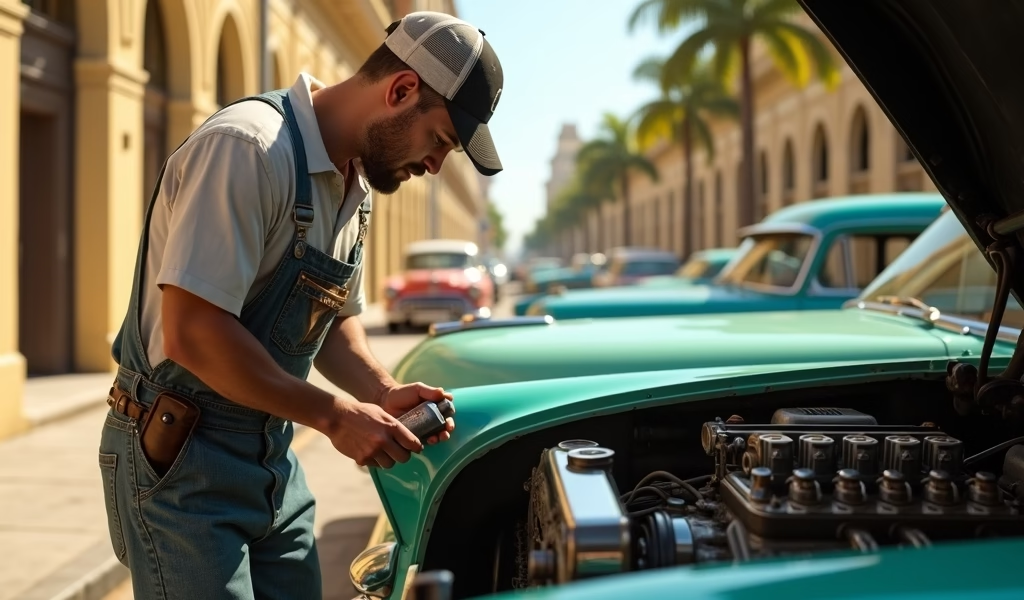
Most vintage cars in Cuba still run on their original carburetors or locally rebuilt versions. While the rest of the automotive world has largely moved on to fuel injection, Cuban mechanics have developed a deep expertise in carburetor maintenance and tuning that keeps these older systems running efficiently despite challenges.
Regular cleaning is the foundation of Cuban carburetor maintenance. Without access to commercial carburetor cleaners, many mechanics use a mixture of gasoline and kerosene for soaking, followed by careful cleaning with wire brushes and compressed air. They pay special attention to the small jets and passages that control fuel flow, as even minor blockages can significantly affect performance.
Tuning takes on a different dimension in Cuba, where mechanics often lack modern diagnostic equipment. Instead, they’ve developed acute sensory skills – tuning by ear, feeling vibrations, and even interpreting the smell of exhaust gases. Many can detect subtle changes in engine performance that would escape notice without electronic sensors.
Here are carburetor maintenance strategies drawing from Cuban techniques:
- Clean your carburetor thoroughly at least twice yearly, paying special attention to the idle circuit
- Learn the basics of mixture adjustment – richer for cold weather, leaner for hot
- Inspect the choke mechanism regularly to ensure proper operation, especially in seasonal transitions
- Replace the float needle and seat as a preventative measure every few years
- Consider installing an inline fuel filter between the fuel pump and carburetor for additional protection
One fascinating aspect of Cuban carburetor maintenance is the creation of custom parts when originals can’t be found. Some mechanics have developed techniques for fabricating throttle shafts, choke parts, and even venturis using basic machine shop tools. These handcrafted components might not look factory-original, but they’re precisely calibrated to maintain proper engine operation.
Tip 5: Dealing with Variable Fuel Quality
Fuel quality in Cuba can vary dramatically, presenting significant challenges for engine maintenance. Cuban mechanics have developed specialized approaches to protect engines from the potential damage caused by inconsistent fuel supplies.
The first line of defense is extensive filtration. Many Cuban cars feature multiple fuel filters – sometimes three or more in series – to ensure that only clean fuel reaches the carburetor. These filtration systems often include at least one clear filter that allows the driver to visually inspect fuel quality. Some even incorporate water separators made from repurposed containers to deal with occasionally contaminated fuel supplies.
Fuel tank maintenance receives special attention in Cuba. Without access to commercial tank cleaning services, mechanics have developed manual cleaning methods using chains (to dislodge sediment) and various filtering techniques. Many vehicles have had their original fuel tanks replaced with alternatives made from more readily available materials, often incorporating improved filtration systems.
Here are practical strategies for dealing with variable fuel quality:
- Install a high-quality, transparent fuel filter that allows you to monitor fuel condition
- Consider adding a water separator if you notice frequent moisture issues
- Develop a relationship with a trusted fuel station known for consistent quality
- Keep your tank reasonably full to minimize condensation in humid conditions
- Add a fuel stabilizer if your vehicle will sit unused for extended periods
Cuban mechanics also pay close attention to fuel system cleaning. Without access to commercial injector or carburetor cleaners, they’ve developed alternatives using available chemicals. Some use small amounts of acetone or alcohol additives to help clean deposits, though these approaches require careful calibration to avoid damage.
Research from the Society of Automotive Engineers supports the Cuban approach, confirming that enhanced filtration and regular system cleaning can significantly mitigate the effects of variable fuel quality on engine performance and longevity.
Tip 6: Electrical System Preservation
The electrical systems in vintage cars in Cuba present unique challenges due to both age and the harsh tropical environment. High humidity and salt air create perfect conditions for corrosion, while limited access to replacement parts means that preservation is essential. Cuban mechanics have developed specialized approaches to electrical maintenance that extend component life far beyond normal expectations.
Battery maintenance receives particular attention in Cuba. Without easy access to replacement batteries, mechanics focus on extending battery life through careful charging practices and electrolyte maintenance. Many use distilled water combined with aspirin (acetylsalicylic acid) to rejuvenate batteries with declining performance. This practice, while not recommended by battery manufacturers, can extend the usable life of a battery that would otherwise be discarded.
Wire protection is another area where Cuban mechanics excel. They often use natural waxes or locally produced petroleum jelly to coat connections and prevent corrosion. More extensive rewiring projects might involve repurposing wires from other applications, carefully matching diameter and current capacity to ensure safety.
Here are electrical system maintenance strategies inspired by Cuban practices:
- Clean battery terminals monthly, applying a thin protective coating of petroleum jelly
- Inspect all visible wiring for cracks or exposed conductors, particularly around movement points
- Test your charging system output quarterly to catch alternator or generator issues early
- Protect fuse boxes and electrical connections from moisture with appropriate covers
- Consider upgrading to LED lighting where possible to reduce electrical system load
Generator and alternator maintenance is particularly important in Cuba, where replacements can be nearly impossible to find. Many mechanics have developed techniques for rewinding alternator stators and rebuilding voltage regulators using locally available materials. These rebuilt components might not match factory specifications exactly, but they keep electrical systems functioning under difficult circumstances.
Tip 7: Preventative Maintenance Schedule
Perhaps the most valuable lesson from cars in Cuba is the importance of preventative maintenance. Without access to new vehicles or readily available parts, Cuban drivers and mechanics must anticipate problems before they occur. This proactive approach has been refined into a comprehensive maintenance philosophy that extends vehicle life far beyond what most would consider possible.
Daily inspections form the foundation of Cuban preventative maintenance. Drivers typically check basic fluid levels, listen for unusual noises, and visually inspect critical components before starting their vehicles each day. This constant vigilance allows them to detect small issues before they develop into major problems.
Cuban mechanics also emphasize the importance of “driving with mechanical sympathy” – essentially, operating the vehicle in ways that minimize stress on vulnerable components. This includes practices like gentle acceleration, avoiding sudden stops, and allowing proper warm-up time before demanding full performance from the engine.
Here’s a preventative maintenance schedule inspired by Cuban practices:
- Daily: Check oil level, coolant level, and visually inspect for leaks
- Weekly: Check tire pressure, battery condition, and all lights
- Monthly: Inspect belts and hoses, check transmission fluid, test brakes
- Quarterly: Change oil, clean air filter, check ignition system, inspect suspension
- Bi-annually: Flush cooling system, rebuild carburetor, check valve adjustment
- Annually: Inspect entire fuel system, check wheel bearings, test charging system
Many Cuban mechanics also perform “predictive maintenance” based on their extensive experience with particular models. They might, for example, preemptively rebuild water pumps on certain engines known to develop leaks at predictable intervals, rather than waiting for failure. This approach requires deep knowledge of specific vehicles but can prevent catastrophic failures and expensive repairs.
Conclusion
The remarkable longevity of cars in Cuba stands as a testament to what’s possible when necessity meets ingenuity. Through careful oil management, innovative cooling system maintenance, creative air filtration, precise carburetor care, fuel quality adaptations, electrical system preservation, and comprehensive preventative maintenance, Cuban mechanics have developed a maintenance philosophy that extends engine life far beyond conventional expectations.
These seven proven maintenance tips aren’t just relevant for vintage American cars in tropical environments – they represent fundamental principles of mechanical care that can benefit any vehicle owner. By adopting even some of these practices, you can extend your engine’s lifespan, reduce operating costs, and develop a deeper connection with your vehicle.
The next time you see images of those colorful classics cruising the streets of Havana, remember that they represent more than just nostalgic beauty. They embody a mechanical culture that has turned limitation into innovation and scarcity into sustainability. In an age of disposable technology, the cars in Cuba remind us that with proper care and creative maintenance, the things we build can last far longer than their designers ever imagined.
Frequently Asked Questions
Why are there so many classic American cars in Cuba?
The U.S. trade embargo imposed in 1960 prevented new American cars from entering Cuba. Cubans had to maintain existing vehicles, resulting in the preservation of 1950s American classics that now serve as everyday transportation.
Are the classic cars in Cuba all original?
Most are not entirely original under the hood. Many run on replacement engines from Soviet-era vehicles like Ladas, while others have handmade parts and various modifications to keep them running with locally available resources.
Can tourists drive classic cars in Cuba?
Yes, tourists can rent classic cars with drivers for city tours or longer excursions. Self-drive rentals of classic cars are less common but available through specialized agencies.
How do Cuban mechanics get replacement parts?
They rely on a combination of salvaged parts from other vehicles, handmade fabrications, and adaptations from non-automotive sources. Some parts are now imported through limited channels or brought in by visitors.
What fuel do classic cars in Cuba use?
Most run on regular gasoline, though some have been converted to diesel. Fuel quality can be inconsistent, so many vehicles have enhanced filtration systems to protect their engines.