
Overview
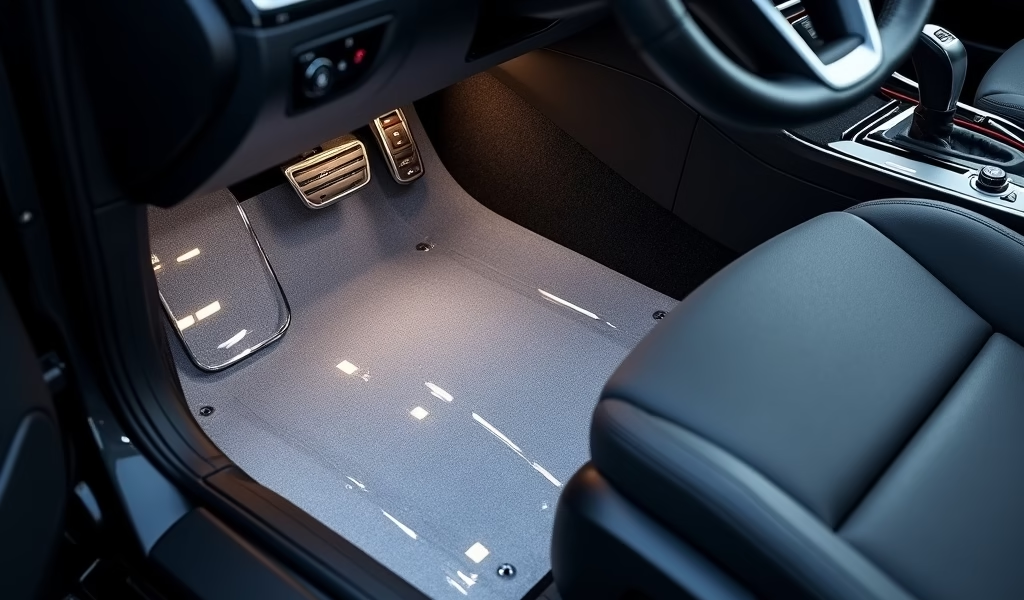
Carpet protection film acts as your car floor’s superhero, guarding against spills, stains, and everyday wear while preserving your vehicle’s resale value by up to 15%. The article examines various film types (vinyl vs polyurethane), installation methods (DIY vs professional), maintenance requirements, and cost considerations—ultimately concluding that this $250-600 investment prevents expensive carpet replacement and delivers significant financial returns when selling your vehicle.
Table of Contents
- What is Carpet Protection Film?
- Why You Need Carpet Protection Film
- Types of Carpet Protection Films
- Benefits of Using Carpet Protection Film
- Installation Guide: DIY vs. Professional
- Maintenance and Cleaning
- Cost Analysis: Is It Worth It?
- Top Brands Reviewed
- Common Mistakes to Avoid
- Conclusion
- Frequently Asked Questions
What is Carpet Protection Film?
Listen up, folks! If you’ve ever spilled coffee on your car’s carpet or tracked in mud after a weekend adventure, you’re about to discover your new best friend. Carpet protection film is basically a superhero cape for your car floors – a tough, transparent layer that shields your original carpeting from all the nasty stuff life throws at it.
I’ve seen countless cars roll into my shop with stained, worn-out carpets that make the whole interior look beat. Trust me when I say this stuff is a game-changer. It’s typically made from durable vinyl or polyurethane materials specifically designed to take a beating so your actual carpet doesn’t have to.
Unlike those flimsy paper floor mats at the dealership, carpet protection film is a semi-permanent solution that can last for years. The science backs this up too – according to a study by the Automotive Interior Materials Association, properly installed protection films can extend carpet life by up to 70%. That’s not just me talking shop – that’s cold, hard facts!
Why You Need Carpet Protection Film
Let me paint you a picture I see every single day in my shop. Joe rolls in with his three-year-old sedan that looks ten years old on the inside. The carpets are stained with everything from coffee to who-knows-what, there’s wear patterns where his heels rest, and don’t even get me started on what’s happening in the back where his kids and dog hang out.
Here’s the kicker – carpet replacement isn’t cheap! You’re looking at anywhere from $200-800 depending on your vehicle, plus labor. And that’s if you can even find an exact match for your specific make and model. Proper interior cleaning helps, but prevention is always better than cure.
The real truth about car carpets? They’re basically giant sponges for everything nasty. A recent automotive industry report revealed that the average car carpet harbors over 17,000 bacteria per square inch – more than your household toilet seat! Still want to let your kids play down there without protection?
Beyond just keeping things clean, carpet protection film preserves your car’s resale value. According to data from Kelley Blue Book, vehicles with well-maintained interiors can fetch up to 15% more at resale time. That’s potentially thousands of dollars back in your pocket just for installing some protective film. Makes sense, right?
Types of Carpet Protection Films
Alright, gear heads, let’s dive into the different types of carpet protection films you’ll encounter in the wild. Not all films are created equal – and choosing the wrong one is like putting regular gas in a Ferrari… it’ll work, but it ain’t pretty.
Clear Vinyl Films
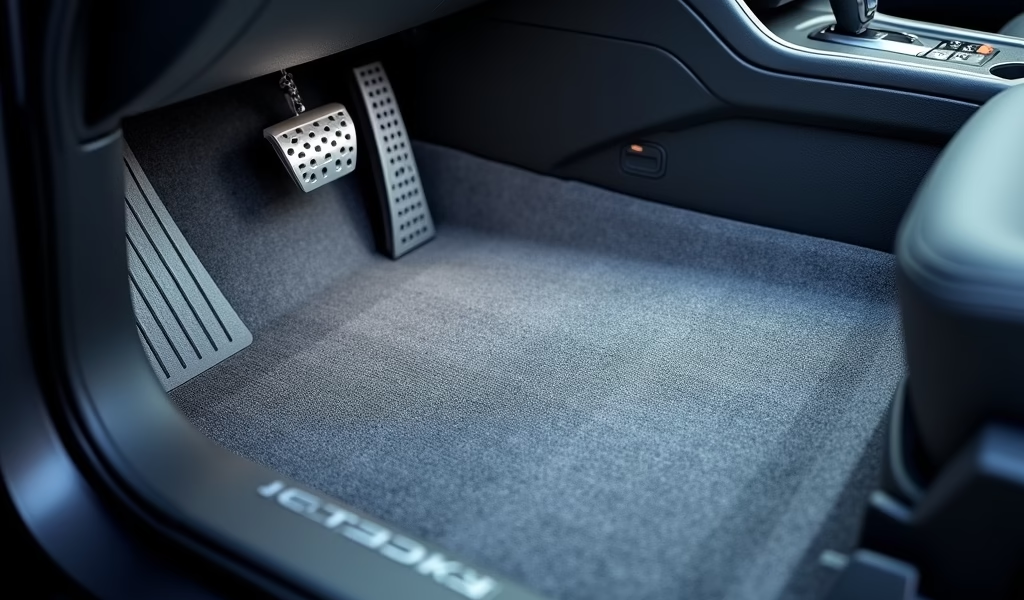
These bad boys are the OG of carpet protection. Clear vinyl gives you that “nothing’s there” look while providing solid protection. It’s like having invisible armor for your floors!
The main advantage here is aesthetics – you can still show off your factory carpet color and texture. However, vinyl can get brittle in extreme temperatures, so if you’re parking in Alaska in January or Arizona in July, keep that in mind.
Polyurethane Films
Now we’re talking serious business. Polyurethane films are the heavyweight champions in the protection game. These films can take a serious beating and still look good doing it.
They’re typically more expensive, but as I tell my customers – you get what you pay for. Polyurethane offers better conformability to your carpet’s contours and can handle temperature swings better than vinyl. Scientific studies on polyurethane films show they maintain flexibility even after years of use.
Textured vs. Smooth
This choice comes down to function vs. fashion. Smooth films look sleeker but can get slippery when wet. Textured films provide better grip for your feet and help hide small scratches or damage to the film itself.
For families with kids or active lifestyles, I almost always recommend textured. The last thing you need is to be sliding around in your seat footwell when you’re trying to hit the brakes!
Benefits of Using Carpet Protection Film
Let me drop some knowledge on why carpet protection film is one of the smartest investments you can make for your ride. After 15 years in this business, I’ve seen what happens to unprotected carpets, and it ain’t pretty.
Superior Stain Protection
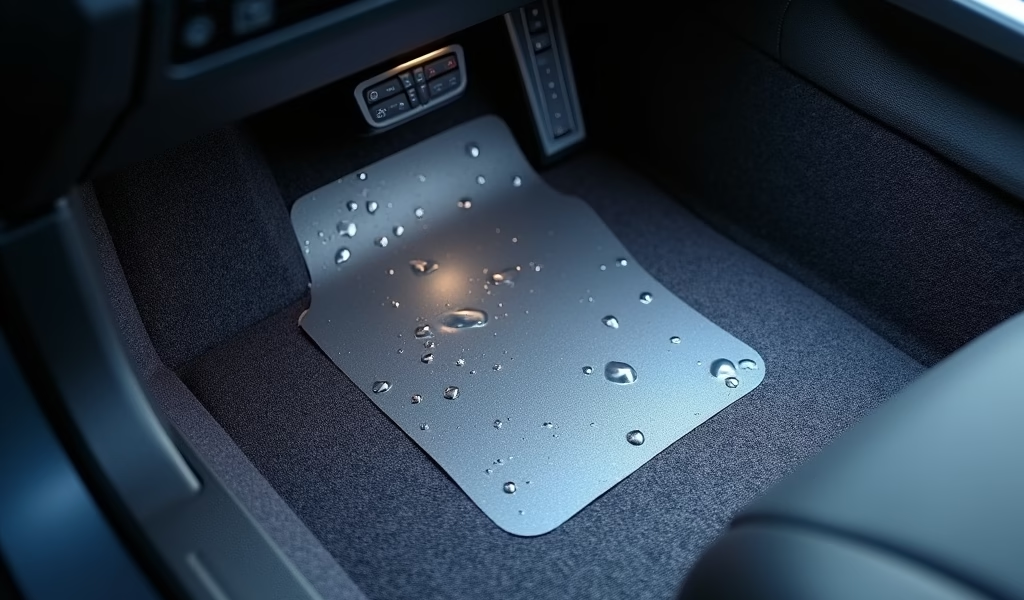
Coffee spills? Kids with juice boxes? That mysterious “what the heck is that?” puddle? No problem. Quality carpet protection film creates a waterproof barrier that keeps liquids on the surface where you can easily wipe them away.
Without protection, those spills soak right into the carpet fibers and padding underneath. Once that happens, good luck ever getting it completely clean. I’ve seen folks spend hundreds on professional carpet cleaning that still couldn’t remove deep stains.
Wear and Tear Prevention
Your driver’s side floor takes a beating every single day. That constant heel pivot when moving between pedals creates wear patterns that are impossible to fix without replacement.
Protection film distributes that pressure and creates a sacrificial surface that takes the abuse instead of your carpet. Think of it as having a stunt double for your floors – it takes the hits so the star doesn’t have to!
Resale Value Protection
I can’t stress this enough – clean, undamaged carpets can significantly impact your vehicle’s resale value. Detailed cars with pristine interiors consistently command higher prices in both private sales and trade-ins.
A $200 investment in quality carpet protection film can easily return $1000+ when it’s time to sell or trade your vehicle. That’s what I call a no-brainer return on investment!
Easier Cleaning and Maintenance
Here’s where it gets really beautiful. Protected carpets require minimal maintenance – most dirt and debris stays on the surface where you can quickly vacuum it up. No more grinding dirt particles deeper into the carpet fibers.
For deeper cleaning, you can simply wipe the film with a damp cloth instead of breaking out specialized carpet cleaners. Some folks even remove their films once a year for a thorough cleaning, then reinstall them for continued protection.
Installation Guide: DIY vs. Professional
Alright, time for some real talk about installation. I’ve seen too many DIY disasters roll into my shop, so let me break down what you’re really getting into here.
DIY Installation
Feeling handy? DIY installation is definitely possible if you’ve got patience and some basic skills. Most kits come pre-cut for specific vehicle models or as universal sheets you’ll need to trim.
The key to successful DIY is proper prep work. You’ll need to thoroughly clean your carpets first – and I mean THOROUGHLY. Any dirt or debris under the film will be visible and can prevent proper adhesion. Professional detailing techniques can help ensure your carpet is truly clean before installation.
Budget about 2-3 hours for your first installation. Work in a warm environment (above 70°F) for best results, as the film becomes more pliable and easier to work with. Always start from the center and work outward, smoothing as you go to prevent air bubbles.
Professional Installation
If you want it done right the first time, professional installation is the way to go. A good shop will have experience with your specific vehicle model and access to perfectly pre-cut films.
Professional installation typically costs between $150-300 depending on your vehicle and location. The pros have specialized tools to ensure perfect adhesion and can work around complex floor shapes and obstacles.
The main advantage here is peace of mind. When I install protection films for customers, I guarantee the work. If there’s any lifting, bubbling or fit issues, we fix it – no questions asked. That’s worth something when you’re trying to protect your investment.
Maintenance and Cleaning
Listen up, because this is where most folks go wrong. Proper maintenance of your carpet protection film is stupid simple, but skipping it will drastically reduce its lifespan. And that’s just throwing money away!
Regular Cleaning
For day-to-day cleaning, a quick vacuum is all you need. The beauty of these films is that dirt stays on top instead of embedding in carpet fibers. Use a soft brush attachment to avoid scratching the film surface.
For spills and stains, act fast! Most liquids will bead up on the surface, but if left to sit, they can eventually work around the edges. A quick wipe with a microfiber cloth handles most messes. For tougher stuff, a mild soap and water solution works wonders.
What NOT To Use
Here’s where I see people destroy their protection films in record time. Avoid harsh chemicals like acetone, ammonia-based cleaners, or anything with alcohol. These break down the film’s structure and cause it to become brittle and crack.
And for the love of all things automotive, don’t use abrasive scrubbers or brushes with stiff bristles! You’re not scrubbing a BBQ grill here – gentle pressure is all you need. According to Consumer Reports’ vehicle maintenance guides, gentle cleaning products extend the life of all interior surfaces.
Long-term Care
Every 6-12 months, I recommend removing the film for a deep cleaning if possible. This prevents any moisture or debris from getting trapped underneath and gives you a chance to inspect the condition of both the film and your carpet.
UV exposure is the silent killer of all automotive plastics. If you regularly park in direct sunlight, consider a UV protectant specifically designed for vinyl/plastic surfaces. A quick spray every few months works wonders for preventing yellowing and brittleness.
Cost Analysis: Is It Worth It?
Let’s talk money, folks. Is carpet protection film actually worth your hard-earned cash? I’ve been in this game long enough to give you the straight facts.
Initial Investment
Quality carpet protection film typically runs $100-300 for materials alone, depending on your vehicle size and the brand you choose. Add another $150-300 if you’re going with professional installation.
So you’re looking at approximately $250-600 all-in for a quality job. That might seem steep at first glance, but let’s break down what you’re really getting.
Cost vs. Replacement
Full carpet replacement in most vehicles starts around $500 for basic models and can easily exceed $1,500 for luxury vehicles with sound insulation and premium materials. And that’s just materials – labor can add another $300-500 to the bill.
Even professional carpet cleaning services run $100-200 per treatment, and if you’ve got deep stains, you might need multiple treatments with no guarantee of success. I’ve seen folks spend more trying to clean stained carpets than they would have spent on protection in the first place!
The Resale Factor
Here’s where the math gets really interesting. Cars with well-maintained interiors typically command 10-15% higher resale values. On a $20,000 vehicle, that’s $2,000-3,000 back in your pocket when it’s time to sell!
Even if you’re leasing, protection film can save you hundreds in wear-and-tear charges when you return the vehicle. Lease return inspectors love to ding you for carpet stains and damage – I’ve seen charges of $300-500 for carpet issues alone.
The bottom line? A few hundred dollars now for quality protection can save you thousands down the road. In my professional opinion, that’s what we call a smart investment.
Top Brands Reviewed
After installing hundreds of carpet protection films over the years, I’ve developed some strong opinions on which brands deliver and which ones leave you hanging. Let me break down the top contenders.
3M Scotchgard™ Auto Carpet Protector
The OG in the protection game, 3M brings serious science to their films. Their advanced polymer technology provides excellent stain resistance and durability.
Pros: Superior adhesion, resists yellowing, backed by extensive R&D.
Cons: Higher price point, sometimes less flexible than competitors.
My take? If you’re planning to keep your vehicle long-term (5+ years), the extra investment in 3M pays off. Their stuff just lasts, plain and simple.
Husky Liners X-Act Contour
These guys specialize in custom-fit protection solutions that conform perfectly to your specific vehicle model. Their laser measurement technology ensures precise coverage of every nook and cranny.
Pros: Perfect fit, excellent warranty, great customer service.
Cons: Limited universal options, sometimes too rigid for complex floor shapes.
Best for newer, popular vehicle models where they’ve already developed the exact patterns. The fit is so good people will think it came from the factory!
WeatherTech FloorLiner™
WeatherTech has built their reputation on premium protection products, and their carpet films are no exception. Their digital fit technology creates protection that follows every contour.
Pros: Outstanding durability, high sidewalls for superior spill containment, made in USA.
Cons: Premium pricing, sometimes slippery when wet.
If you’re hard on your vehicles (contractors, outdoor enthusiasts, families with kids), WeatherTech is worth every penny. I’ve seen their products outlast the vehicles they were installed in!
Budget-Friendly Options
Not everyone wants to drop big bucks on floor protection. Brands like Armor All and Fasmov offer decent protection at lower price points.
Pros: Affordable, widely available, easy DIY installation.
Cons: Shorter lifespan, less precise fit, may need replacement sooner.
For leased vehicles or if you’re planning to sell within 2-3 years, these budget options can provide adequate protection without breaking the bank. Just don’t expect the same durability as the premium brands.
Common Mistakes to Avoid
After fixing countless DIY protection film disasters, I’ve seen all the ways people mess this up. Let me save you some headaches by sharing the most common blunders.
Skipping Proper Cleaning
This is mistake #1 by a country mile. Folks get excited about their new protection film and slap it on dirty carpets. Big mistake! Any dirt, hair, or debris under the film becomes permanently visible and prevents proper adhesion.
Take the time to vacuum thoroughly, then use a carpet cleaner to get deeper grime. Let it dry COMPLETELY before installation. That one step alone makes the difference between a professional-looking job and a mess.
Choosing the Wrong Type
Not all protection films are created equal. That bargain bin special might seem like a deal, but if it’s too thin or made from the wrong materials, you’ll be replacing it in months instead of years.
Match the film to your lifestyle. Got kids and pets? You need maximum durability. Live in extreme climates? Look for temperature-resistant options. Sometimes spending a bit more upfront saves money in the long run.
Poor Installation Techniques
Rushing the installation is a recipe for bubbles, wrinkles, and lifting edges. Take your time and work methodically from the center outward, smoothing as you go.
Temperature matters too – I always tell customers to warm up their car interior before installation. The ideal temperature is 70-80°F, which makes the film more pliable and easier to work with. This simple trick makes DIY installation much more successful.
Forgetting About Edges
The edges of your protection film are the most vulnerable points for lifting and peeling. Many DIYers focus so much on the main surface that they neglect proper edge sealing.
Use a heat gun (on LOW) or blow dryer to gently warm edges after installation, then press firmly to ensure adhesion. For high-traffic areas, consider edge sealing products specifically designed for carpet films. These extra steps add years to your installation’s lifespan.
Conclusion
Look, I’ve been elbow-deep in car interiors for over 15 years now, and I’ve seen it all – from pristine showroom floors to carpets so disgusting you’d need a hazmat suit to clean them. The difference almost always comes down to one thing: prevention.
Carpet protection film is hands-down one of the smartest investments you can make in your vehicle. For a relatively small upfront cost, you’re buying peace of mind and preserving your car’s value for years to come.
Whether you’re a neat freak who cringes at the thought of a coffee spill or a weekend warrior who regularly tracks mud into your ride, quality protection film pays for itself many times over. The data doesn’t lie – protected interiors command higher resale values and require far less maintenance.
If you decide to go the DIY route, take your time and follow the guidance in this article. If you’d rather leave it to the pros, find a reputable shop with specific experience in your vehicle model. Either way, your future self will thank you when your car’s interior still looks fresh years down the road.
Remember: your car’s carpet is the literal foundation of your interior. Everything else might look great, but stained, worn carpets will drag down the entire appearance. Protect it right from the start, and you’ll enjoy a cleaner, more valuable vehicle for the duration of your ownership.
Frequently Asked Questions
How long does carpet protection film typically last?
Quality carpet protection film typically lasts 3-5 years with proper care. Premium brands in vehicles with moderate use can sometimes last the lifetime of the vehicle.
Can I remove carpet protection film without damaging my original carpets?
Yes, most quality films can be removed without damage if done carefully. Warm the film slightly with a hair dryer to loosen the adhesive for easier removal.
Will carpet protection film work with heated floors?
Most modern carpet protection films are compatible with heated floors. Check the manufacturer’s specifications to confirm temperature resistance ratings for your specific vehicle.
Can I install carpet protection film on wet or damp carpets?
Never install protection film on wet or damp carpets. Moisture trapped under the film can lead to mold growth and prevent proper adhesion.
Is carpet protection film worth it for leased vehicles?
Absolutely! Protection film can save you hundreds in wear-and-tear charges when returning a leased vehicle. It’s easily removable before lease return with no trace.