
Overview
Just like we lock our front doors before leaving home, protecting your vehicle’s cargo area prevents everyday mishaps from turning into expensive repairs and lost resale value. From custom-fit liners that shield against spills and pet damage to DIY solutions for budget-conscious owners, the article outlines how proper cargo protection pays for itself many times over by preserving your vehicle’s condition across various real-world scenarios.
Table of Contents
- Why Cargo Area Protection Matters
- Types of Cargo Area Protection
- Choosing the Right Protection for Your Vehicle
- Installation Tips for Cargo Liners
- Maintenance and Cleaning
- Cost-Benefit Analysis
- DIY Cargo Protection Solutions
- Real-World Protection Scenarios
- Conclusion
- Frequently Asked Questions
Why Cargo Area Protection Matters
Cargo area protection is one of those vehicle investments that often gets overlooked until it’s too late. As a mechanic who’s seen countless preventable damage cases over my 20-year career, I can tell you that protecting your cargo area isn’t just about aesthetics—it’s about preserving your vehicle’s value and avoiding costly repairs down the road.
Think about what happens in your trunk or cargo area: grocery bags leak, sports equipment scratches surfaces, pets leave hair and claw marks, and moving items create unexpected wear patterns. Without proper protection, these everyday activities can lead to permanent stains, tears, and structural damage that’s expensive to repair.
The carpet lining most cargo areas is particularly vulnerable. It’s designed to be attractive, not necessarily durable against heavy use. When liquids penetrate this carpet, they can reach the metal beneath, potentially causing rust and compromising structural integrity. This is especially problematic in vehicles where the spare tire compartment sits beneath the cargo floor.
Additionally, cargo area damage can significantly impact resale value. In my experience helping customers prepare vehicles for trade-in, I’ve seen cargo area damage knock hundreds—sometimes thousands—off a vehicle’s value. A small investment in proper interior protection now can pay substantial dividends when it’s time to sell or trade your vehicle.
Types of Cargo Area Protection
When it comes to cargo area protection, you’ve got options that range from basic to premium. Understanding these options helps you make the right choice for your specific needs and vehicle type.
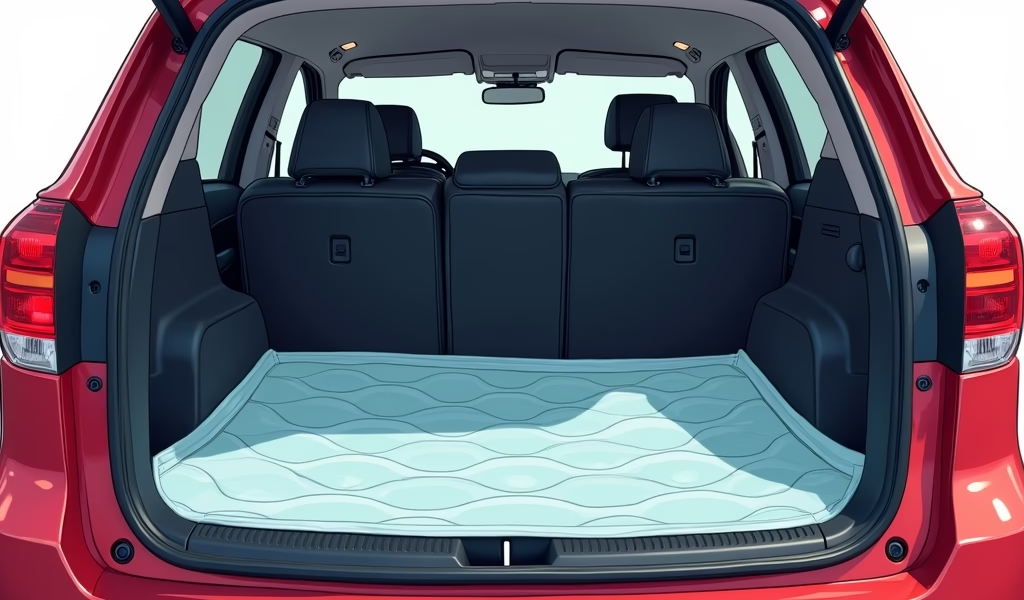
Cargo mats are the most straightforward solution. These flat, flexible covers sit atop your cargo area carpet, providing a layer of protection against minor spills and dirt. They’re typically made of rubber, carpet material, or vinyl and can be easily removed for cleaning. While affordable (usually $30-80), they offer limited protection against leaks and don’t cover the sides of your cargo area.
Cargo liners offer more comprehensive protection. Custom-fit to your specific vehicle model, these molded trays cover not just the floor but often extend up the sides of your cargo area. Made from durable thermoplastic or heavy-duty rubber, they create a waterproof barrier that contains spills and prevents leakage. They’re more expensive ($80-200) but provide significantly better protection.
Cargo trays are rigid, heavy-duty plastic containers that sit in your cargo area. They’re ideal for those who regularly transport messy items like plants, tools, or sports equipment. The rigid walls contain all debris and liquids, making cleanup a breeze. They tend to be the most expensive option ($100-250) but offer the most comprehensive protection.
Foldable cargo organizers serve a dual purpose—they protect your cargo area while also providing compartments to prevent items from sliding around. Many feature waterproof bottoms and removable dividers. They’re particularly useful for grocery shopping and everyday errands.
Temporary cargo protection solutions include moving blankets, tarps, and plastic sheeting. These aren’t permanent solutions but can be useful for occasional heavy-duty transport needs or when moving particularly dirty items.
Choosing the Right Protection for Your Vehicle
Selecting the ideal cargo area protection isn’t a one-size-fits-all proposition. Your choice should reflect your vehicle type, lifestyle, and specific usage patterns. Let’s break down how to make the right decision.
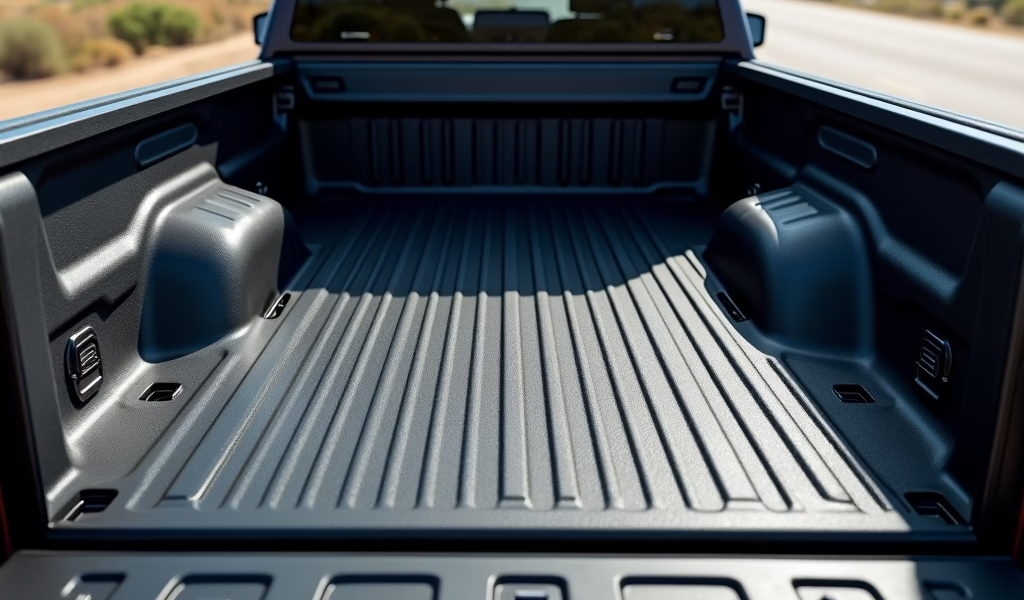
First, consider your vehicle type. SUVs and crossovers generally benefit most from custom-fit liners that account for their unique cargo area shapes and side walls. Pickup truck owners might need a combination of bed liners and cargo management systems. Sedan owners typically need simpler trunk mats, but those with fold-down seats should look for protection that covers the expanded area.
Next, evaluate your lifestyle needs. If you have dogs, look for cargo liners with raised edges to contain hair and prevent claw damage. Parents hauling sports equipment might prioritize durability and ease of cleaning. Outdoor enthusiasts transporting wet gear need waterproof materials and drainage features.
Material quality makes a significant difference in long-term performance. Premium thermoplastic liners like those from WeatherTech or Husky typically outlast generic rubber mats. Cheap materials can crack in extreme temperatures or deteriorate when exposed to automotive fluids. As a mechanic, I’ve seen $30 mats disintegrate after just one season, while quality liners often last the lifetime of the vehicle.
Consider these key features when shopping:
- Precise fit for your specific make, model, and year
- Raised edges to contain spills
- Non-slip bottom surface to prevent shifting
- UV-resistant materials if your vehicle is often parked in sunlight
- Weather-appropriate materials (some rubber formulations become brittle in extreme cold)
- Ease of removal for cleaning
The best approach is often layered protection. For example, a high-quality liner as your base protection, supplemented with removable organizers or temporary coverings for especially messy jobs. This strategy has saved many of my customers from expensive carpet replacements over the years.
Don’t overlook the importance of proper cargo area cleaning techniques when selecting your protection system. Some materials require specific cleaning methods to maintain their effectiveness and appearance over time.
Installation Tips for Cargo Liners
Proper installation of cargo area protection isn’t just about aesthetics—it affects functionality and longevity. Having helped countless customers with their cargo protection, I’ve developed some practical installation tips that make a real difference.
Start by thoroughly cleaning your cargo area before installation. This step is crucial but often overlooked. Remove all debris and vacuum thoroughly, then use an appropriate cleaner for your carpet type. For stubborn stains, a mixture of white vinegar and water often works wonders without damaging materials. Allow the area to dry completely—trapped moisture under your new liner can lead to mold and unpleasant odors.
When installing custom-fit liners, temperature matters. If you’re installing a thermoplastic liner in cold weather, bring it indoors for a few hours beforehand. The material becomes more pliable at room temperature, allowing it to conform better to your vehicle’s contours. Some premium liners even benefit from a quick blast with a hairdryer in stubborn areas.
Pay special attention to the liner’s positioning. Most quality liners include specific alignment points—usually matching them to factory tie-downs or other permanent features ensures proper fit. Take your time with this step; a slightly misaligned liner won’t provide optimal protection and may interfere with cargo area functionality.
For vehicles with third-row seating that folds flat, ensure your cargo protection accommodates different seating configurations. Some advanced liners include scored sections that can be trimmed or folded to match your specific needs. If you’re using a universal liner, you might need to make modifications—use sharp scissors and follow the contours carefully.
After installation, give the liner time to “settle” before loading heavy items. This is particularly important for molded liners that need to conform to your vehicle’s specific shape. I generally recommend waiting 24 hours if possible, especially in temperature extremes.
If your cargo liner has anti-slip features on the bottom, make sure they’re making proper contact with the carpet. Sometimes a gentle press along the edges and center helps establish this contact. This prevents the frustrating situation where your liner slides around when loaded with cargo.
Finally, check that your liner doesn’t interfere with any essential functions—cargo hooks, third-row seat latches, or power outlets should remain accessible. Quality car detailing techniques often incorporate proper attention to these functional elements.
Maintenance and Cleaning
Maintaining your cargo protection is surprisingly straightforward, but doing it correctly extends its lifespan significantly. From my years in the shop, I’ve noticed that well-maintained cargo protection can last 5-10 years, while neglected systems might need replacement in just 1-2 years.
Regular cleaning is the cornerstone of proper maintenance. For rubber or vinyl liners, a simple rinse with a garden hose is often sufficient for weekly cleaning. For more thorough cleaning, remove the liner completely and use mild soap and water. Avoid harsh chemicals like engine degreasers or bleach-based cleaners—they can break down the material over time and reduce its protective qualities.
Different materials require different cleaning approaches:
- Thermoplastic liners: Warm water and mild dish soap, followed by a protectant like 303 Aerospace Protectant
- Carpet mats: Vacuum regularly, spot clean with carpet cleaner, allow to dry completely before reinstalling
- Rubber mats: Soap and water, followed by a rubber conditioner to prevent cracking
- Canvas organizers: Brush off debris, spot clean with upholstery cleaner, air dry completely
Seasonal maintenance makes a difference, especially if you live in areas with extreme weather. In winter, remove salt residue promptly as it can degrade materials over time. In summer, apply UV protectant to prevent sun damage and cracking. These simple steps extend the life of your cargo protection significantly.
Pay special attention to the edges and seams of your cargo protection. These areas often collect debris that can cause premature wear. A soft brush helps remove this buildup without damaging the material. For stubborn grime in textured areas, an old toothbrush works wonderfully.
When cleaning, also check for damage or wear. Small tears or holes in waterproof liners compromise their effectiveness. Some materials can be repaired with manufacturer-recommended patches or specialty tapes designed for automotive applications. Catching these issues early prevents more significant damage to your vehicle’s cargo area.
After cleaning, ensure everything is completely dry before reinstallation. Moisture trapped between your liner and carpet can lead to mildew and even rust in extreme cases. This is particularly important for cargo areas that sit above spare tire compartments where moisture can cause significant damage.
Cost-Benefit Analysis
Let’s talk dollars and sense when it comes to cargo area protection. In my years working with customers, I’ve seen the financial impact of both protecting and neglecting cargo areas, and the numbers tell a compelling story.
The initial investment in quality cargo protection typically ranges from $50 for basic universal mats to $250 for premium custom-fit systems. While this might seem steep compared to other vehicle accessories, consider the potential costs you’re avoiding:
- Carpet replacement: $300-800 depending on vehicle
- Professional stain removal: $75-150 per treatment
- Rust repair (if spills penetrate to metal): $500-2,000
- Reduction in resale value: $200-1,000 for visible cargo area damage
A real-world example I encountered involved a customer who transported a potted plant that tipped over in their SUV’s cargo area. Without protection, the water and soil penetrated the carpet, reaching the spare tire well beneath. The resulting rust repair and carpet replacement cost nearly $1,200—far more than even the most premium cargo protection system.
The economics are particularly favorable for leased vehicles. Excessive wear and tear charges at lease-end often target cargo area damage, with charges typically starting at $350 for minor damage. A $150 liner can easily pay for itself by avoiding just one such charge.
Quality matters in the cost-benefit equation. From my experience, premium brands like WeatherTech, Husky, and Canvasback offer the best return on investment. Their products typically last 7-10 years with proper care, effectively amortizing the cost to $15-30 per year. Generic options might save money upfront but often require replacement every 2-3 years.
Consider the time savings as well. Detailed car cleaning of a soiled cargo carpet can take 1-2 hours, while cleaning most liners takes just 5-10 minutes. For busy professionals, this time efficiency alone can justify the investment.
The environmental impact is worth noting too. According to EPA recycling data, properly maintained vehicles produce less waste over their lifespans. By protecting your cargo area, you’re potentially extending the usable life of your vehicle and reducing the environmental footprint of repairs.
DIY Cargo Protection Solutions
While commercial solutions offer convenience and precision fit, DIY cargo protection options can be effective and budget-friendly alternatives. I’ve helped many cost-conscious customers develop creative protection systems that worked remarkably well for their specific needs.
One of the simplest DIY solutions is using heavy-duty utility rubber mats. These can be purchased at home improvement stores for a fraction of automotive-specific products. Look for 1/4-inch thick rubber matting sold by the foot—it’s durable enough for workshop floors, so it certainly handles cargo area abuse. You’ll need to trim it to fit, but a good utility knife makes this straightforward.
For temporary protection during specific activities, consider these accessible options:
- Moving blankets secured with bungee cords provide excellent protection for occasional furniture transport
- Plastic shower curtain liners make waterproof barriers for wet equipment or plants
- Painter’s canvas drop cloths work well for containing building materials and tools
- Interlocking foam floor tiles create cushioned protection for delicate items
One particularly clever DIY solution I’ve seen involved repurposing heavy-duty plastic storage container lids. A customer took the lid from a large storage tote, added small rubber furniture feet to the bottom to prevent sliding, and created an effective cargo tray for under $20.
For pet owners, combining a large waterproof picnic blanket with a raised edge created by pool noodles secured underneath provides surprisingly effective protection. The noodles create a barrier that contains hair and minor spills, while the blanket protects against scratches and moisture.
If you’re feeling ambitious, creating a custom-fit liner using heavy-duty cardboard as a template is possible. Trace the cargo area shape onto cardboard first, refine the fit, then transfer that pattern to rubber matting or marine vinyl. This approach takes time but results in a custom-fit solution at a fraction of commercial prices.
Remember that DIY solutions might not offer the perfect fit and comprehensive protection of commercial products, but they can be remarkably effective for specific needs. The key is matching your DIY approach to your actual usage patterns rather than trying to create a one-size-fits-all solution.
As a mechanic who’s seen the results of both commercial and DIY protection systems, I can confirm that thoughtful DIY solutions often outperform cheap universal products. Your knowledge of your specific needs is a powerful advantage in creating effective protection.
Real-World Protection Scenarios
The true value of cargo area protection becomes evident in specific scenarios. Let me share some real-world examples from my customers’ experiences that highlight why this protection matters.
Family road trips create unique cargo challenges. One customer’s story stands out: during a 3-week cross-country journey, their SUV’s cargo area contained everything from sandy beach toys to leaking coolers. Their weatherproof cargo liner contained countless spills that would have otherwise soaked into the carpet. When they returned, cleanup was a simple matter of removing and rinsing the liner—saving hours of detailed cleaning and preventing permanent damage.
Home improvement projects present serious cargo area risks. A weekend warrior transported bags of concrete mix in his trunk, and despite careful handling, one bag developed a small tear. Without his trunk liner, the fine cement dust would have penetrated deep into the carpet fibers—virtually impossible to remove completely. Instead, he simply removed the liner, shook it out, and continued with his project.
Pet owners face particular challenges. One customer who frequently transported their large, shedding dog installed a cargo liner with raised sides. Not only did this contain the abundant fur, but it also protected against muddy paws and the occasional accident. The liner’s textured surface also provided better footing for their elderly pet, making car trips more comfortable and secure.
Outdoor enthusiasts benefit tremendously from cargo protection. A customer who regularly transported wet kayaking gear found that their premium cargo liner prevented moisture from reaching the vehicle’s electronics housed beneath the cargo area. This potentially saved thousands in electrical repairs that moisture damage could have caused.
Emergency situations highlight another benefit. A customer who had to transport a passenger with a medical emergency was grateful for their easily removable cargo liner when bodily fluids reached the back of their vehicle. What could have been a permanent, unpleasant stain was contained entirely by the liner, which was easily cleaned afterward.
Seasonal transitions create cargo area challenges too. Transporting holiday decorations, pool equipment, or winter sports gear often involves awkward items that can tear or stain unprotected surfaces. Proper cargo protection makes these seasonal activities worry-free.
Even everyday grocery shopping benefits from cargo protection. A customer described how a leaking package of chicken created a small puddle in their cargo liner—an incident that would have left lingering odors in carpet fibers but instead required just a quick wipe with disinfectant.
Conclusion
Cargo area protection represents one of the smartest investments you can make in maintaining your vehicle’s condition and value. Throughout this article, we’ve explored how proper cargo area protection prevents costly damage, preserves resale value, and makes vehicle ownership more convenient and stress-free.
From custom-fit liners to DIY solutions, the options for cargo area protection are diverse enough to meet any budget and lifestyle need. The key is making a conscious decision to protect this vulnerable and often overlooked area of your vehicle before damage occurs.
Remember that the most expensive cargo protection is still far cheaper than repairing damage to your vehicle’s original surfaces. Whether you’re transporting family pets, adventure gear, home improvement supplies, or just everyday items, the right cargo protection system pays dividends in both financial savings and peace of mind.
As a mechanic who’s seen countless preventable cargo area damages, my advice is simple: invest in quality protection that matches your specific vehicle and usage patterns. Your future self will thank you when it’s time to sell or trade your vehicle—and you’ll enjoy a cleaner, more functional cargo area every day in between.
Cargo area protection may not be the most exciting vehicle accessory, but it’s certainly among the most practical. In a world where vehicle ownership costs continue to rise, this simple preventative measure stands out as a rare opportunity to actually save money while making your vehicle more enjoyable to use.
Frequently Asked Questions
What’s the difference between cargo liners and cargo mats?
Cargo liners are custom-fit, three-dimensional protection systems that cover the floor and often the sides of your cargo area, containing spills completely. Cargo mats are flatter, simpler options that protect against dirt and minor spills but don’t offer the same comprehensive coverage.
How much should I expect to spend on quality cargo protection?
Quality universal mats start around $50-80, while premium custom-fit cargo liners typically range from $120-250 depending on vehicle size and features. The investment typically pays for itself many times over by preventing damage that’s expensive to repair.
Can I install cargo protection myself?
Most cargo protection products are designed for easy DIY installation, requiring no tools or special skills. Custom-fit products are typically designed to align with factory anchor points for a precise, secure fit that takes just minutes to install.
How do I clean my cargo liner?
Most cargo liners can be removed, rinsed with a garden hose, and cleaned with mild soap and water. For stubborn stains, a soft brush and automotive cleaner appropriate for the liner material works well.
Will cargo protection affect my vehicle’s resale value?
Quality cargo protection typically improves resale value by preserving the original surfaces in like-new condition. Many buyers specifically look for vehicles with well-maintained interiors, including protected cargo areas.