

Overview
Got a car that smells more like a forgotten gym bag than a luxury ride? This article details five essential interior treatments—leather conditioning, dashboard restoration, carpet deep cleaning, glass treatment, and air system cleaning—along with maintenance routines to transform your vehicle’s cabin into a clean, healthy space that enhances driving comfort and preserves resale value.
Table of Contents
- Why Upgrade Your Car Interior?
- Essential Treatment #1: Leather Conditioning and Protection
- Essential Treatment #2: Dashboard and Vinyl Surface Restoration
- Essential Treatment #3: Carpet and Upholstery Deep Cleaning
- Essential Treatment #4: Glass Treatment and Protection
- Essential Treatment #5: Air Vent and System Cleaning
- Maintaining Your Upgraded Interior
- Conclusion
- Frequently Asked Questions
Why Upgrade Your Car Interior?
After 15 years of working as an automotive technician, I’ve seen firsthand how a vehicle’s interior can make or break its value and your driving experience. Your car’s cabin isn’t just a place to sit—it’s where you spend countless hours of your life, breathing the air, touching the surfaces, and experiencing your daily commute.
A well-maintained interior significantly impacts three crucial aspects: your vehicle’s resale value, your driving comfort, and surprisingly, your health. When properly cared for, a car’s interior can boost resale value by 5-15% compared to identical models with neglected cabins—that’s potentially thousands of dollars back in your pocket when it’s time to sell or trade in.
Beyond the financial benefits, proper interior maintenance creates a healthier driving environment. Vehicle interiors can harbor more bacteria than public restrooms according to research on vehicle microbiomes, with steering wheels, shifters, and seat cushions being particularly problematic areas.
The good news? A few targeted treatments can transform even the most neglected interior into something that feels fresh and inviting. Let’s dive into the five essential treatments that will give your car’s cabin that clean, professional finish you’re looking for.
Essential Treatment #1: Leather Conditioning and Protection
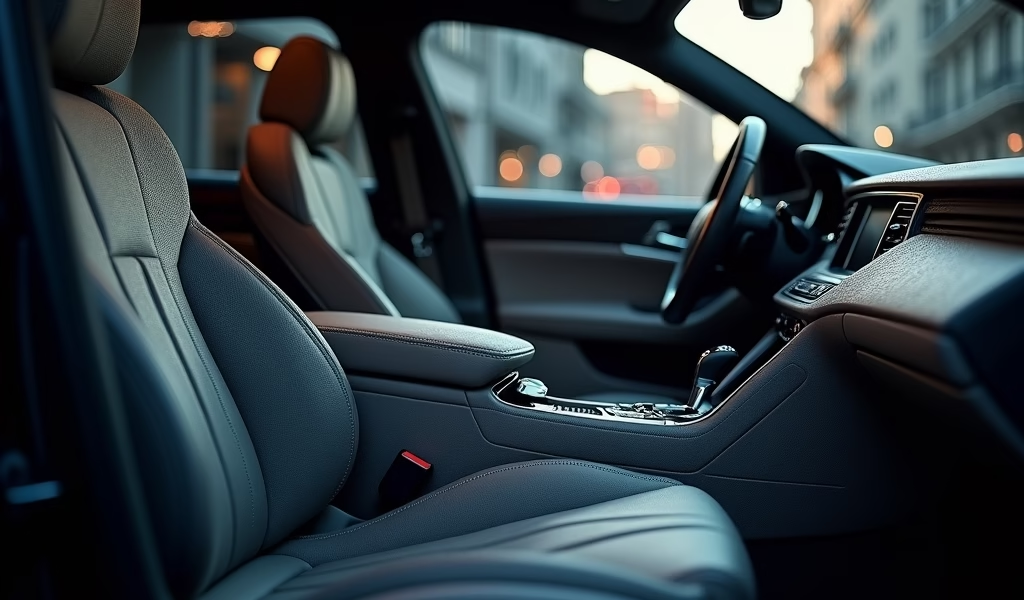
Leather seats are an investment that require proper maintenance to prevent the dreaded cracking, fading, and premature aging that I’ve seen happen all too often in my workshop. Think of leather conditioning as moisturizer for your seats—skip it, and you’ll see the consequences sooner than you’d expect.
Before applying any conditioner, thorough cleaning is essential. Start with a pH-balanced leather cleaner and a soft brush to remove embedded dirt from seams and perforations. Harsh all-purpose cleaners can strip natural oils and damage the leather’s finish, so always use products specifically formulated for automotive leather.
When applying conditioner, less is more. A quarter-sized amount will typically cover an entire seat panel when using quality products. Work it in using gentle circular motions with a microfiber applicator, paying special attention to high-wear areas like the driver’s seat bolster and entry points.
Step-by-Step Leather Care Process:
- Vacuum thoroughly to remove loose debris
- Clean with a proper leather cleaner using light pressure
- Allow surfaces to dry completely (typically 15-20 minutes)
- Apply a thin layer of conditioner with a microfiber applicator
- Let the conditioner penetrate for the time specified on the product (usually 30 minutes)
- Buff any excess with a clean, dry microfiber cloth
For optimal protection, condition your leather every 3 months, or more frequently if your vehicle experiences extensive sun exposure or extreme temperatures. Products containing natural oils like lanolin provide excellent nourishment without leaving a greasy residue that attracts dust and dirt.
Remember that leather is skin—it needs to breathe. Avoid silicone-heavy products that can seal the surface and lead to premature wear. Instead, look for breathable formulations that restore natural oils while maintaining proper moisture balance.
Essential Treatment #2: Dashboard and Vinyl Surface Restoration
Your dashboard and interior vinyl surfaces take a beating from UV exposure, temperature fluctuations, and everyday contact. Over time, these surfaces can fade, crack, and develop a chalky appearance that makes even newer vehicles look tired and neglected.
The primary enemy of plastic and vinyl components is ultraviolet radiation, which breaks down the molecular structure and leads to brittleness and discoloration. A quality UV protectant creates a sacrificial barrier that absorbs these harmful rays before they damage the underlying material.
When restoring dashboards and trim pieces, proper cleaning is crucial before applying any protectant. Use a dampened microfiber cloth with a dedicated interior cleaner to remove accumulated dust, oils, and environmental contaminants. For textured surfaces, a soft detailing brush can work the cleaner into recessed areas.
Dashboard Protection Tips:
- Clean thoroughly with a dedicated plastic/vinyl cleaner
- Apply protectant to your applicator pad, not directly to surfaces
- Work in sections, using straight-line motions (not circular)
- Buff immediately with a clean microfiber to prevent streaking
- Pay extra attention to the top of the dashboard where UV exposure is highest
I recommend water-based protectants over traditional silicone or petroleum formulations for several reasons. Water-based products provide a natural, factory-finish appearance without excessive shine or greasiness. They’re also less likely to cause glare on your windshield and won’t attract dust like many solvent-based alternatives.
For severely neglected surfaces showing significant fading, consider a vinyl restoration product rather than just a protectant. These specialized formulations contain mild solvents and dyes that can revitalize color while improving surface texture. Apply these products sparingly and with proper ventilation for best results.
Essential Treatment #3: Carpet and Upholstery Deep Cleaning
Vehicle carpets and fabric upholstery are magnets for dirt, stains, and odors—sometimes hiding years of accumulated grime beneath the surface. A proper deep cleaning doesn’t just improve appearances; it eliminates allergens, bacteria, and deeply embedded contaminants that regular vacuuming can’t touch.
In my years of interior restoration, I’ve found that most vehicle owners underestimate how much soil is actually trapped in their carpets. Even “clean-looking” interiors typically release surprising amounts of dirt during professional extraction, which explains lingering odors that air fresheners can’t seem to address.
The foundation of effective carpet cleaning is thorough pre-treatment. Before applying any cleaning solution, remove all floor mats and vacuum extensively using crevice tools to reach under seats and along edges. This preliminary step prevents dirt from turning to mud when moisture is introduced.
Carpet Cleaning Approaches Based on Soiling Level:
- Light soiling: Foaming carpet cleaner with a soft brush, then extract with a wet/dry vacuum
- Moderate soiling: Hot water extraction with a portable extractor and appropriate cleaning solution
- Heavy soiling: Pre-treat with enzyme cleaner, agitate with brush, then perform multiple extraction passes
For stubborn stains, identifying the contaminant determines the proper treatment approach. Protein-based stains (food, blood) respond best to enzymatic cleaners, while oil-based stains require degreasers or alcohol-based solutions. When in doubt, start with the gentlest effective method and progress as needed.
After cleaning, proper drying is essential to prevent mold and mildew growth. Use fans to increase airflow, and consider leaving windows cracked if weather permits. For deep carpet cleaning, I recommend allowing 4-6 hours of drying time before using the vehicle to ensure complete moisture evaporation.
As a final step, applying a fabric protectant creates a barrier against future spills and makes regular maintenance significantly easier. These products form an invisible shield that gives you precious extra seconds to blot spills before they can penetrate and become permanent stains.
Essential Treatment #4: Glass Treatment and Protection
Clean, clear glass isn’t just about aesthetics—it’s a critical safety component that affects your driving visibility. Professional glass treatments go far beyond the standard window cleaning most vehicle owners perform, addressing issues like water repellency, fog resistance, and mineral deposit prevention.
The most common complaint I hear about automotive glass is streaking after cleaning. This typically happens because of improper technique or residue from previous products. For streak-free results, use an automotive-specific glass cleaner (which contains no ammonia or silicones) and high-quality, low-lint microfiber towels designated exclusively for glass.
To achieve professional results, clean in straight lines—horizontal on the outside, vertical on the inside. This technique immediately shows you which side any remaining streaks are located on. For stubborn residues or water spots, a fine 0000-grade steel wool can safely remove contaminants without scratching the glass surface.
Advanced Glass Treatments Worth Considering:
- Rain repellent coating: Creates hydrophobic surface where water beads and rolls off at speeds above 40mph
- Anti-fog treatment: Prevents interior condensation during cold weather or high humidity
- UV protective film: Blocks harmful rays, reduces interior fading, and improves comfort
Professional-grade glass sealants typically last 6-12 months depending on environmental exposure and wiper usage. These treatments chemically bond to the glass surface, creating a hydrophobic barrier that significantly improves wet weather visibility and makes cleaning easier between applications.
Don’t forget the interior glass surfaces, which often develop a hazy film from off-gassing of interior materials and air pollutants. This film reduces visibility, especially at night when oncoming headlights can create dangerous glare. A dedicated automotive glass cleaner with vinegar or alcohol base cuts through this film effectively.
Essential Treatment #5: Air Vent and System Cleaning
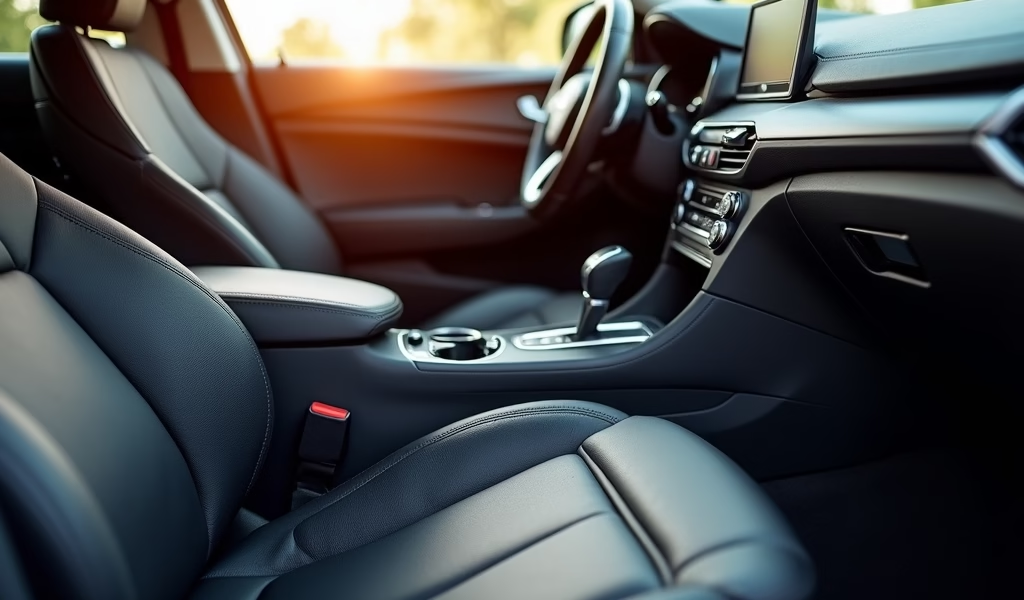
Your vehicle’s ventilation system often becomes the forgotten frontier in interior maintenance, yet it significantly impacts your driving comfort and health. As an HVAC specialist for several years before focusing on general automotive work, I’ve seen firsthand how neglected air systems can harbor mold, bacteria, and allergens that circulate throughout your cabin.
The visible components—dashboard vents and registers—are just the tip of the iceberg. Behind these access points lies a complex network of ducts, a blower motor, an evaporator core, and in many vehicles, a cabin air filter. Each component requires specific cleaning approaches for optimal system performance.
Maintaining your air conditioning system starts with the cabin air filter, which should be replaced every 15,000-30,000 miles depending on your driving environment. If you regularly drive on unpaved roads or in high-pollution areas, more frequent replacement is advisable. A clogged filter restricts airflow, reduces HVAC efficiency, and allows contaminants to bypass and enter the system.
Complete Air System Cleaning Process:
- Replace cabin air filter according to manufacturer recommendations
- Clean visible vents using compressed air and a detailing brush
- Treat evaporator core with EPA-registered disinfectant spray
- Clean blower motor housing if accessible
- Apply an antibacterial fogger treatment for comprehensive system disinfection
For persistent odors that return despite basic cleaning, the culprit is often microbial growth on the evaporator core—a component hidden behind the dashboard that condenses moisture from the air. This damp environment creates perfect conditions for mold growth. Professional-grade evaporator cleaners can be introduced through the system’s condensate drain or via the blower motor intake to address this issue.
Beyond the obvious benefit of fresher air, a clean ventilation system improves HVAC efficiency and reduces the strain on blower motors and other components. Many vehicle owners report improved airflow and quicker cooling or heating after a thorough system cleaning, according to research from the Society of Automotive Engineers.
Maintaining Your Upgraded Interior
After investing time and resources into these five essential treatments, maintaining your refreshed interior becomes significantly easier with a structured approach. As with most automotive care, prevention requires far less effort than restoration, and a simple maintenance schedule keeps your interior looking professionally finished.
The most effective maintenance strategy divides tasks into three categories: daily habits, weekly quick-cleans, and monthly deeper care. This tiered approach prevents the accumulation of soil and contaminants while extending the life of your interior components and treatments.
Daily Maintenance Habits:
- Remove trash and personal items when exiting the vehicle
- Keep disposable interior wipes for immediate spill management
- Use window shades when parking in direct sunlight for extended periods
Weekly Quick-Clean (15 minutes):
- Vacuum floor mats and accessible carpet areas
- Wipe down high-touch surfaces (steering wheel, shifter, door handles)
- Clean interior glass surfaces with a quick-detailer
Monthly Deep-Care (45-60 minutes):
- Remove and thoroughly clean floor mats
- Vacuum all carpet surfaces, including under seats
- Apply quick protectant to vinyl and plastic surfaces
- Inspect leather for signs of wear and spot-treat as needed
- Check cabin air filter condition
Seasonal considerations also play an important role in interior maintenance. Before winter, apply fabric protectant to carpets and upholstery to guard against salt, slush, and road chemicals. Before summer, refresh UV protectants on the dashboard and door panels to prevent sun damage during peak intensity months.
Keep a basic interior care kit in your vehicle for immediate response to spills and accidents. A minimal kit should include microfiber towels, interior quick detailer, glass cleaner, and stain removal wipes. This small investment prevents many spills from becoming permanent damage, saving significant restoration costs later.
Conclusion
Implementing these five essential interior treatments—leather conditioning, dashboard protection, carpet cleaning, glass treatment, and air system maintenance—creates a comprehensive approach to vehicle interior care that yields both immediate and long-term benefits. The difference between a properly maintained interior and a neglected one becomes increasingly apparent as vehicles age, affecting comfort, health, and financial value.
While some treatments can be effectively performed as DIY projects, others may benefit from professional assistance, particularly deep extraction cleaning and comprehensive air system disinfection. The investment in professional services often pays dividends through more thorough results and specialized equipment access.
Remember that interior care is not just about aesthetics—it’s about creating a healthier, more comfortable driving environment while protecting one of your most significant investments. Each time you slide into a clean, fresh-smelling vehicle with supple leather, clear glass, and properly functioning ventilation, you’ll appreciate the effort invested in these essential treatments.
Start with the treatment most needed in your specific vehicle, then systematically address each area until your interior achieves that clean, professional finish. Your driving experience, passengers, and future trade-in value will all benefit from your attention to these often-overlooked details.
Frequently Asked Questions
How often should I condition my leather seats?
Leather seats should be conditioned every three months under normal use. Increase frequency to monthly if your vehicle experiences extreme temperatures or direct sunlight regularly.
What’s the best way to remove coffee stains from car upholstery?
Blot excess liquid immediately, then treat with a mixture of cold water, white vinegar, and a drop of dish soap applied with a microfiber cloth. Work from the outside in, and avoid saturating the padding beneath.
Can I use household glass cleaner on my car windows?
Avoid household glass cleaners containing ammonia as they can damage window tint and interior components. Use automotive-specific glass cleaners that are ammonia-free for best results.
How do I get rid of persistent odors in my car’s interior?
Address the source by deep cleaning carpets and upholstery, replacing the cabin air filter, and using an enzymatic cleaner for organic odors. For comprehensive treatment, consider an ozone generator or professional antibacterial fogging.
Are leather cleaners and conditioners interchangeable with furniture products?
Automotive leather requires specific formulations designed for thinner, more heavily coated leather. Furniture products often contain oils and waxes that can damage automotive leather finishes and create unwanted shine.