

Overview
Just like relationships, car batteries need regular attention to avoid that devastating “it’s not me, it’s you” moment when you’re already late for work. This article provides seven essential battery maintenance strategies—including regular cleaning, avoiding short trips, managing electrical loads, temperature protection, regular driving, professional testing, and proper installation—all designed to extend your battery’s lifespan and prevent unexpected failures.
Table of Contents
- Understanding Your Car Battery: The Heart of Your Vehicle’s Electrical System
- Tip #1: Regular Inspection and Cleaning – Keep Those Connections Clean
- Tip #2: Minimize Short Trips – Give Your Battery Time to Recharge
- Tip #3: Manage Electrical Load – Reduce the Power Drain
- Tip #4: Protection from Temperature Extremes – Finding the Sweet Spot
- Tip #5: Regular Driving and Charging – Use It or Lose It
- Tip #6: Professional Battery Testing – Getting an Expert Opinion
- Tip #7: Proper Installation and Maintenance – Start with the Right Foundation
- Conclusion: Powering Up Your Battery Knowledge
- Frequently Asked Questions
There you are, turning your key in the ignition, and instead of your engine roaring to life, you hear that dreaded clicking sound. Your car battery has chosen this moment to call it quits. We’ve all experienced that sinking feeling when our trusty vehicle refuses to start at the most inconvenient time.
As a master technician with over 20 years in the garage, I’ve seen thousands of dead batteries that could have been saved with proper car battery care. The good news? With some simple maintenance habits, you can significantly extend your battery’s lifespan and avoid those frustrating moments of being stranded.
In this guide, I’ll walk you through seven proven car battery maintenance strategies that will help keep your battery performing at its peak. These tips aren’t just theory – they’re the same advice I give my own customers every day to help them get the maximum life from their automotive battery investment.
Understanding Your Car Battery: The Heart of Your Vehicle’s Electrical System
Before diving into maintenance tips, let’s understand what we’re working with. Your car battery is essentially a portable power plant that stores chemical energy and converts it to electrical energy when needed. This electricity provides the initial jolt needed to start your engine and powers your electronics when the engine isn’t running.
The typical car battery lasts between 3-5 years, though this varies based on usage patterns, climate, and how well you maintain it. Just like any other component, batteries show warning signs before completely failing:
- Slow engine crank (that sluggish “rur…rur…rur” sound)
- Dimming headlights, especially when idling
- Electronic features behaving erratically
- Illuminated battery warning light
- Swelling or leaking battery case
- Rotten egg smell (hydrogen sulfide gas)
Modern vehicles rely heavily on their electrical systems. Today’s cars contain dozens of computers and sensors that require consistent power. This makes proper vehicle maintenance more important than ever, with battery health being a critical component of that care.

Tip #1: Regular Inspection and Cleaning – Keep Those Connections Clean
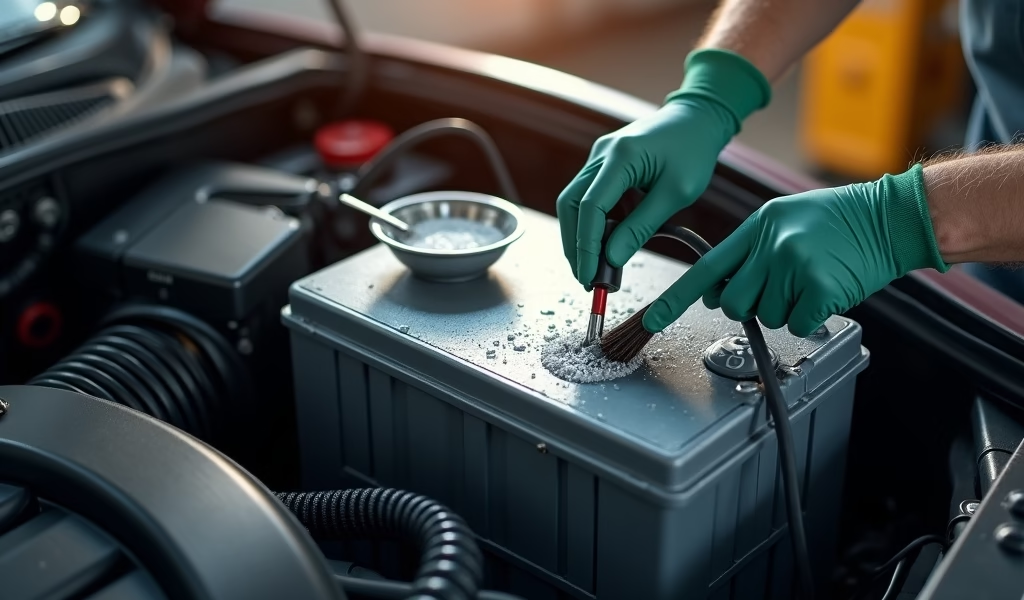
Battery terminals collect corrosion over time – it’s just part of the electrochemical reaction happening inside. This crusty buildup (usually appearing white, blue, or green) acts as an insulator that prevents proper electrical flow, forcing your battery to work harder than necessary.
To safely check and clean your battery:
- Turn off your engine and remove the keys from the ignition.
- Put on protective gloves and safety glasses – battery acid is caustic.
- Disconnect the negative terminal first (marked with a minus sign or black color), then the positive (marked with a plus sign or red color).
- Mix a tablespoon of baking soda with a cup of water to create a cleaning solution.
- Use an old toothbrush to scrub away corrosion from terminals and cable ends.
- Rinse with clean water and dry thoroughly with a clean cloth.
- Reconnect terminals in reverse order – positive first, then negative – ensuring connections are snug but not over-tightened.
- Apply a small amount of petroleum jelly or commercial battery terminal protectant to prevent future corrosion.
I recommend performing this simple maintenance every 3-6 months, or more frequently if you notice quick corrosion buildup. According to a study by the American Automobile Association, proper terminal maintenance can extend battery life by up to 20%.
Tip #2: Minimize Short Trips – Give Your Battery Time to Recharge
Short trips are battery killers. Here’s why: starting your engine requires a massive energy draw from your battery. During normal driving, your alternator recharges that power, but short trips don’t allow enough time for complete recharging.
Think about it like this – if you repeatedly withdraw money from your savings account but only make tiny deposits back, you’ll eventually drain your funds. Your battery operates on the same principle.
To protect your car battery health:
- Combine errands into one longer trip rather than several short ones
- For very short distances, consider alternative transportation if possible
- If short trips are unavoidable, take your vehicle for a 20-30 minute highway drive weekly to fully recharge the battery
- Consider a battery maintainer/trickle charger for vehicles used primarily for short commutes
This simple change in driving habits can add months or even years to your battery’s lifespan. It’s especially important during extreme weather when your battery is already working harder than usual.
Tip #3: Manage Electrical Load – Reduce the Power Drain
Modern vehicles come equipped with more electronics than ever before. While these features enhance comfort and convenience, they also place significant demands on your battery, particularly when the engine isn’t running to provide charging power.
To prevent unnecessary battery drain:
- Turn off headlights, interior lights, and all accessories before shutting down your engine
- Be cautious with aftermarket additions like powerful stereo systems or additional lighting
- Limit device charging when the engine isn’t running
- Check that all doors and trunks close properly to prevent interior lights from staying on
- Investigate any unusual battery drain with a professional – parasitic draws can silently kill batteries
I’ve rescued countless customers whose batteries failed prematurely due to small but persistent electrical drains. Often it’s as simple as a glove box light that doesn’t turn off or an aftermarket device improperly installed. A quality battery replacement won’t solve the problem if underlying electrical issues remain.
Tip #4: Protection from Temperature Extremes – Finding the Sweet Spot
Your battery performs best between 60-80°F (15-27°C). Beyond this range, performance declines rapidly. In hot weather, heat accelerates internal corrosion and evaporates electrolyte fluid. In cold weather, the chemical reactions slow down, reducing power output by as much as 60% when temperatures drop below freezing.
To shield your battery from temperature-related stress:
- Park in a garage whenever possible – this provides natural temperature regulation
- Use a battery insulation kit in extremely cold climates to retain warmth
- If garage parking isn’t available, try to park in shaded areas during summer
- Keep your battery clean – dirt acts as an insulator, trapping heat
- Consider a battery blanket for extreme winter conditions
Temperature management is particularly crucial for older batteries or those nearing the end of their service life. Even modest temperature protection can significantly extend function when a battery is already compromised.
In desert regions, where I’ve worked extensively, heat-related battery failure is common. Battery cases can literally warp and internal components deteriorate rapidly when regularly exposed to 100°F+ temperatures. Conversely, in extremely cold regions, morning starts become nearly impossible without proper battery care.
Tip #5: Regular Driving and Charging – Use It or Lose It
Batteries, like muscles, need regular exercise to maintain peak performance. A car that sits unused for extended periods will likely develop battery problems, as the natural self-discharge process depletes power over time.
For optimal battery health:
- Drive your vehicle at least once a week for a minimum of 20-30 minutes
- For seasonal vehicles or those used infrequently, invest in a quality trickle charger
- If using a trickle charger, ensure it has overcharge protection
- Consider disconnecting the battery for vehicles stored longer than a month
I’ve seen countless seasonal vehicles come into the shop with dead batteries after winter storage. A quality battery maintainer costs far less than a replacement battery and prevents the frustration of a non-starting vehicle when you’re ready to use it again.
When installing a new car battery, remember that proper connections are critical for maximum performance. Loose connections can mimic battery failure symptoms and create unnecessary wear.
Tip #6: Professional Battery Testing – Getting an Expert Opinion
Even with meticulous care, batteries need professional check-ups. Modern testing equipment provides insights that visual inspection can’t reveal, helping catch potential problems before they leave you stranded.
Professional tests measure:
- Battery capacity (how much charge it can hold)
- Cold cranking amps (starting power)
- Voltage under load
- Alternator output
- Parasitic draw (power consumption when the vehicle is off)
I recommend:
- Testing your battery before extreme weather seasons
- Annual testing for batteries over two years old
- Immediate testing if you notice any performance issues
Many auto parts stores offer free battery testing—take advantage of these services! For the technically inclined, digital battery testers are available for home use, though they typically provide less comprehensive data than professional equipment.
According to research from Battery Council International, proactive testing can prevent up to 70% of battery-related roadside assistance calls. That’s significant peace of mind for a few minutes of preventive care.
Tip #7: Proper Installation and Maintenance – Start with the Right Foundation
Using an incorrect battery type or improper installation creates problems from day one. Battery replacements might seem straightforward, but modern vehicles have specific requirements that must be met for optimal performance and longevity.
Key considerations for battery installation:
- Match the battery group size, terminal configuration, and cold cranking amps to your vehicle manufacturer’s specifications
- Ensure the battery is securely mounted to prevent vibration damage
- Use anti-corrosion washers or terminal protectors to slow corrosion buildup
- Consider professional installation for vehicles with complex electrical systems
While DIY battery replacement can save money initially, modern vehicles often require reprogramming various electronic systems after battery disconnection. This typically requires specialized equipment that most home mechanics don’t possess.
A proper installation sets the foundation for years of reliable service. I’ve seen countless batteries fail prematurely simply because they weren’t correctly secured in their trays, allowing damaging vibration to degrade internal components.
Conclusion: Powering Up Your Battery Knowledge
Your car’s battery doesn’t ask for much—just a little attention now and then. By implementing these seven car battery care tips, you can significantly extend battery life and avoid the frustration of unexpected failures.
To recap our power-packed advice:
- Regularly inspect and clean battery terminals
- Minimize short trips when possible
- Manage your vehicle’s electrical load
- Protect your battery from temperature extremes
- Keep your battery charged through regular driving or trickle chargers
- Get professional battery testing at recommended intervals
- Ensure proper battery installation and maintenance
These automotive battery health practices aren’t just theory—they’re proven methods I’ve used throughout my career to help customers maximize their battery investment. Preventive maintenance always costs less than emergency replacement, both financially and in terms of convenience.
Remember, your battery is the heart of your vehicle’s electrical system. Give it the care it deserves, and it will reliably power your journeys for years to come. A healthy battery relationship is like any other—it thrives on regular attention and care.
Frequently Asked Questions
How often should I replace my car battery?
Most car batteries last 3-5 years depending on climate, driving habits, and maintenance. Have your battery tested annually after it reaches three years old to monitor its condition.
Can I jump-start a dead battery myself?
Yes, but follow proper safety procedures: connect positive to positive first, then negative to the dead battery and ground on the running car. Always consult your owner’s manual as some modern vehicles have specific jump-starting requirements.
What causes a car battery to drain when not in use?
Parasitic drains from electronics, alarm systems, interior lights left on, or corroded/loose connections are common culprits. Modern vehicles naturally have small draws from computer systems, but excessive drain requires professional diagnosis.
Is it better to disconnect my battery when storing my vehicle long-term?
Yes, for storage longer than a month, disconnecting the battery (negative terminal first) prevents drain. Alternatively, a quality trickle charger or battery maintainer provides continuous low-level charging that keeps your battery healthy during storage.
How do I know if I need a new battery or just a jump-start?
If your vehicle starts normally after a jump and continues running well, your alternator is likely charging properly and you experienced a temporary discharge. Repeated need for jump-starts, a battery that won’t hold a charge overnight, or one showing physical damage indicates replacement is needed.