
Overview
Think you can’t teach an old car new leasing tricks? This article explains how used car leasing works through certified pre-owned programs, offering lower monthly payments than new vehicles while detailing five essential maintenance tips to avoid costly surprises at lease-end: following maintenance schedules, documenting all service, addressing minor issues promptly, preparing for inspections, and considering protective coverage plans.
Table of Contents
- Understanding Used Car Leasing: Is It Possible?
- Benefits and Drawbacks of Leasing a Used Car
- Certified Pre-Owned Programs: The Bridge to Used Car Leasing
- Maintenance Tip #1: Follow the Manufacturer’s Maintenance Schedule
- Maintenance Tip #2: Document Everything
- Maintenance Tip #3: Address Small Issues Before They Become Big Problems
- Maintenance Tip #4: Prepare for the Lease-End Inspection
- Maintenance Tip #5: Consider Lease-Specific Protection Plans
- Conclusion
- Frequently Asked Questions
Understanding Used Car Leasing: Is It Possible?
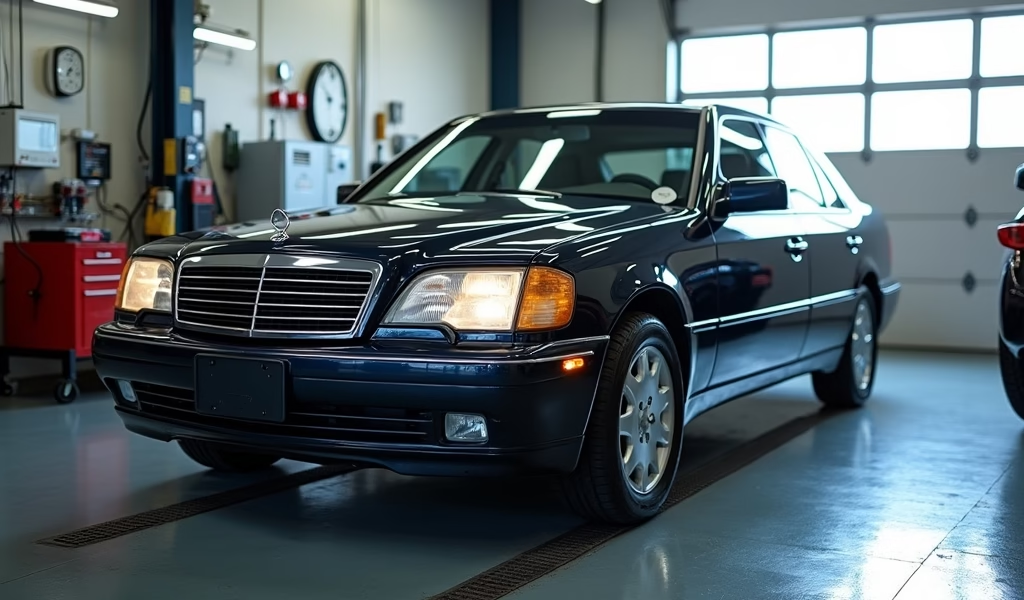
Yes, you absolutely can lease used cars—though it’s not as common as leasing new vehicles. As someone who’s spent years under the hood and guiding folks through their automotive decisions, I’ve seen more drivers exploring this option, especially as new car prices continue to climb. Used car leasing typically centers around certified pre-owned (CPO) vehicles, which offer a sweet middle ground between brand-new shiny models and completely used cars.
Think of it this way: when you lease a CPO vehicle, you’re essentially borrowing a gently-used car that’s been thoroughly inspected, refurbished, and certified by either the manufacturer or dealership. These vehicles usually come with extended warranties and have passed rigorous multi-point inspections. It’s like getting a “nearly new” car without paying the “just drove off the lot” price.
The concept makes financial sense for many drivers. You get lower monthly payments compared to leasing new, while still enjoying modern features and reliability. Plus, when you compare leasing to buying outright, the short-term financial benefits become even more apparent for budget-conscious drivers.
Benefits and Drawbacks of Leasing a Used Car
Let’s talk turkey about the advantages first. The most obvious benefit? Your wallet will thank you. Used car leasing typically means lower monthly payments and reduced down payments compared to leasing new models. You’ll also experience less depreciation since the vehicle already took its biggest value hit during its first years on the road.
Many CPO lease programs include remaining factory warranty coverage plus extended protection, giving you peace of mind without the premium price tag. And here’s something many folks don’t consider: with a used car lease, you might be able to afford a higher-end model that would otherwise be out of your price range if purchased new.
But I wouldn’t be giving you the full picture without mentioning some drawbacks. Used car leases can sometimes have higher interest rates (money factors in lease-speak) than new car leases. The selection is also more limited—you’re choosing from existing inventory rather than custom-ordering your dream configuration. And while CPO vehicles are thoroughly inspected, they naturally have more wear and tear than new cars, which means potential for more maintenance issues down the road.
Another consideration is that lease terms for used vehicles tend to be shorter, often 24-36 months, compared to the standard 36-48 months for new cars. This is because manufacturers prefer not to have vehicles under lease agreements as they approach the end of their warranty coverage periods, according to Edmunds’ leasing experts.
Certified Pre-Owned Programs: The Bridge to Used Car Leasing
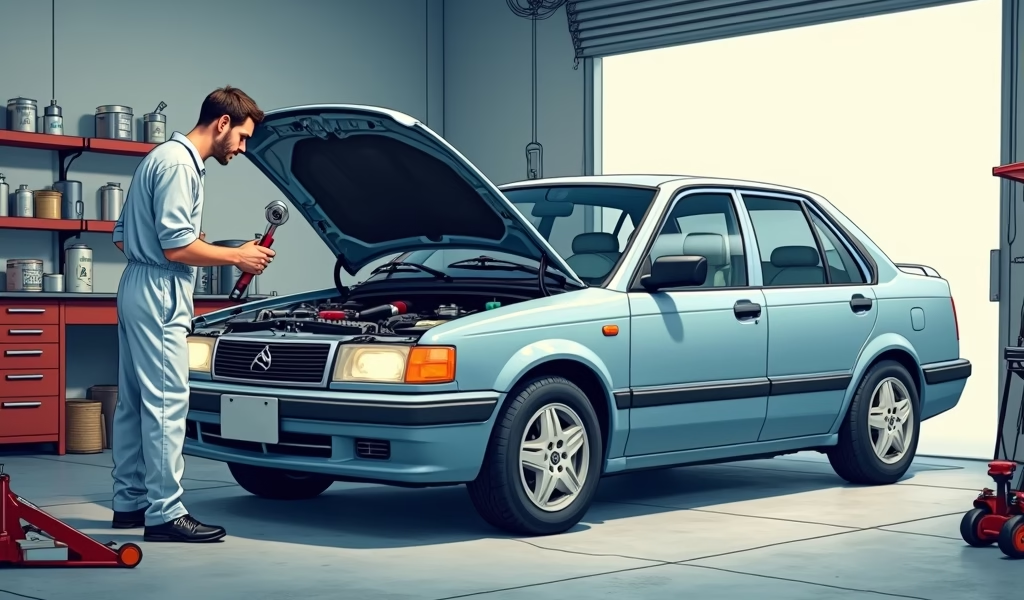
Certified pre-owned programs are the backbone of the used car leasing market. These aren’t just any used vehicles—they’re the cream of the crop, typically under 5 years old with lower-than-average mileage. Each manufacturer has their own specific CPO criteria, but most require vehicles to have clean title histories and undergo comprehensive inspections covering 100+ points.
What makes CPO leasing work is the predictable depreciation curve. Dealerships and leasing companies can more confidently determine the vehicle’s future value (residual value) because it’s already weathered its steepest depreciation period. This predictability makes it financially viable for them to offer these vehicles on lease terms.
Luxury brands like BMW, Mercedes-Benz, and Lexus were early pioneers in CPO leasing, and they continue to offer some of the most attractive programs. More mainstream manufacturers have followed suit, with brands like Honda, Toyota, and Ford now offering CPO lease options through select dealerships.
If you’re considering a certified pre-owned lease, I recommend asking specifically about the certification process. A proper CPO vehicle should come with a detailed inspection report and a vehicle history report like Carfax or AutoCheck. This transparency is part of what makes shopping for pre-owned vehicles increasingly popular among savvy consumers.
Maintenance Tip #1: Follow the Manufacturer’s Maintenance Schedule
When you’re leasing a CPO vehicle, adhering to the manufacturer’s maintenance schedule isn’t just a good idea—it’s often a requirement in your lease agreement. Skip this, and you might face penalties when returning the car. The good news? This schedule is your roadmap to avoiding most major problems.
The manufacturer’s maintenance schedule can typically be found in your owner’s manual or through the manufacturer’s website. It details exactly when services like oil changes, tire rotations, brake inspections, and fluid checks should be performed based on time or mileage intervals. Following this schedule helps ensure your leased vehicle remains in good working condition throughout the lease term.
Here’s what a typical CPO maintenance schedule might include:
- Every 5,000-7,500 miles: Oil change and filter replacement
- Every 15,000-30,000 miles: Air filter replacement
- Every 30,000 miles: Transmission fluid service
- Every 60,000 miles: Timing belt inspection/replacement (vehicle dependent)
Many lease agreements require service to be performed at authorized dealerships, but some allow service at qualified independent shops. What matters most is maintaining proper documentation—which brings us to our next tip.
Maintenance Tip #2: Document Everything
I can’t stress this enough: keep impeccable records of every maintenance service performed on your leased CPO vehicle. This documentation is your best defense against potential disputes when you return the vehicle at lease end. Think of it as building a paper trail that proves you’ve been a responsible custodian of the vehicle.
Create a dedicated folder (physical or digital) where you store all maintenance receipts, repair orders, and inspection reports. Make sure each document includes:
- The date of service
- Vehicle mileage at time of service
- Detailed description of services performed
- Parts replaced
- Name and contact information of the service provider
Many modern dealerships and service centers offer digital service records, which can be incredibly convenient. Some even have apps that track your vehicle’s maintenance history and send reminders when service is due. Taking advantage of these tools makes documentation nearly effortless.
Remember that lease-end inspections can be thorough, and the leasing company will be looking for evidence that you’ve maintained the vehicle according to requirements. Having organized documentation ready demonstrates your diligence and can help avoid charges for claimed maintenance neglect.
Maintenance Tip #3: Address Small Issues Before They Become Big Problems
One of the biggest mistakes I see CPO lease customers make is ignoring minor issues that later snowball into major (and expensive) problems. That unusual noise, warning light, or slight vibration? It’s trying to tell you something. Listen to your vehicle and address concerns promptly.
Early intervention typically means simpler, less expensive repairs. For example, replacing brake pads before they wear completely can save you from having to replace rotors too. Similarly, addressing a small fluid leak early can prevent engine or transmission damage that might cost thousands to repair.
Pay particular attention to these warning signs that shouldn’t be ignored:
- Warning lights on your dashboard
- Unusual noises (grinding, squealing, knocking)
- Vibrations or pulling while driving
- Reduced performance or fuel efficiency
- Fluid spots where you park
Many CPO leases include roadside assistance and even some level of wear-and-tear coverage, so don’t hesitate to use these benefits. According to Consumer Reports research, addressing minor issues promptly can save an average of $800 per year in avoided major repairs.

Maintenance Tip #4: Prepare for the Lease-End Inspection
The lease-end inspection can be anxiety-inducing if you’re unprepared, but with proper planning, it doesn’t have to be. About three months before your lease ends, schedule a pre-inspection with your dealer. This gives you time to address any issues they might flag during the final inspection.
Most lease agreements include a “wear and tear guide” that outlines what’s considered normal versus excessive damage. Familiarize yourself with these guidelines early in your lease, not just before turn-in. Typically, normal wear includes minor scratches (less than the size of a credit card), small dings, and reasonable tire wear. Excessive wear might include large dents, cracked glass, damaged wheels, or interior damage like tears or burns.
Before the official inspection, give your vehicle a thorough cleaning inside and out. This not only makes a good impression but also allows you to spot any issues that need attention. Check for:
- Exterior damage (scratches, dents, chips)
- Windshield chips or cracks
- Tire tread depth (should be at least 4/32″)
- Interior stains or damage
- Functioning of all electronics and features
If you discover issues, get estimates for repairs and compare them with the potential lease-end charges. Sometimes it’s more economical to fix problems independently rather than paying the leasing company’s fees. However, for more significant repairs, the lease company’s “excessive wear and tear” insurance (if you purchased it) might cover these costs.
Maintenance Tip #5: Consider Lease-Specific Protection Plans
When leasing a CPO vehicle, specialized protection plans can be valuable investments. While they add to your monthly costs, they may save you significant money at lease-end by covering expenses that might otherwise come out of pocket.
Excess wear and tear protection is particularly useful for CPO leases. These policies cover damage that exceeds what’s considered “normal wear and tear,” potentially saving you hundreds or thousands in end-of-lease charges. Some plans are comprehensive, covering everything from windshield chips to upholstery stains, while others focus on specific areas like tires and wheels.
Before purchasing any protection plan, do your homework:
- Read the fine print to understand exactly what’s covered
- Check for deductibles or coverage limits
- Compare the plan cost against the potential out-of-pocket expense
- Research the provider’s reputation for claim handling
Tire and wheel protection can be especially valuable for CPO leases. Since these vehicles already have some age and wear, the tires may need replacement during your lease term. A good protection plan will cover damage from road hazards and even provide full tire replacement if necessary.
Maintenance packages, while not insurance products, can also be worthwhile. Many dealerships offer prepaid maintenance plans that cover routine services at a discounted rate. These ensure your vehicle receives proper care while simplifying your budgeting process.
Conclusion
Leasing a used car, particularly through certified pre-owned programs, offers a practical middle ground for those seeking value without compromising quality. By following the five essential maintenance tips we’ve discussed—adhering to the manufacturer’s schedule, documenting everything, addressing issues promptly, preparing for lease-end inspection, and considering protection plans—you can navigate your CPO lease with confidence.
Remember that maintaining your leased vehicle isn’t just about avoiding fees; it’s about ensuring a safe, reliable driving experience throughout your lease term. The extra care you put into maintenance typically pays dividends in both driving satisfaction and financial outcomes when it’s time to return the vehicle.
As vehicle prices continue to rise, CPO leasing represents an increasingly attractive option for savvy consumers. With proper care and attention to maintenance details, you can enjoy the benefits of a premium vehicle at a more accessible price point, while minimizing the risk of unexpected costs at lease-end.
Frequently Asked Questions
What is the main difference between leasing a new vs. used car?
When leasing used cars, you’ll typically enjoy lower monthly payments but might face higher interest rates and shorter lease terms. The biggest advantage is reduced depreciation since the vehicle has already undergone its steepest value drop.
Can I negotiate the terms of a CPO lease?
Yes, many aspects of a CPO lease are negotiable, including the capitalized cost, money factor, and sometimes mileage allowances. Come prepared with research on comparable vehicles and current lease offers to strengthen your negotiating position.
Do I need to service my leased CPO vehicle at the dealership?
Most lease agreements don’t require dealership servicing, but they do require following the manufacturer’s maintenance schedule with qualified technicians. Always keep detailed records of all maintenance regardless of where it’s performed.
What happens if I exceed my mileage allowance on a CPO lease?
You’ll be charged an excess mileage fee at lease-end, typically ranging from $0.15 to $0.30 per mile. Consider purchasing additional miles upfront if you expect to exceed your allowance, as it’s usually cheaper than paying overage fees.
Can I purchase my leased CPO vehicle at the end of the term?
Yes, most CPO leases include a purchase option at a predetermined price (residual value) established in your initial lease contract. This can be advantageous if the vehicle’s market value exceeds its residual value or if you’ve grown attached to the car.