
Overview
Ever wondered if you can lease a car that’s already had someone else’s butt in the driver’s seat? This article explains the ins and outs of used car leasing, highlighting how it offers lower payments than new car leases (20-30% less) while requiring careful attention to maintenance, mileage limits, and lease-end conditions to avoid unexpected charges.
Table of Contents
- Understanding Used Car Leasing: What You Need to Know
- Can You Actually Lease a Used Car?
- Advantages and Disadvantages of Leasing a Used Car
- Where to Find Used Car Lease Opportunities
- 7 Proven Maintenance Tips for Your Leased Used Car
- Financial Considerations: Numbers You Should Know
- Conclusion: Is Leasing a Used Car Right for You?
- Frequently Asked Questions
Understanding Used Car Leasing: What You Need to Know
Yes, you can lease a used car, though it’s not as common as leasing a new vehicle. As a mechanic who’s seen the financial struggles many customers face with vehicle payments, I’ve watched used car leasing emerge as an attractive middle-ground option for budget-conscious drivers. This alternative path to getting behind the wheel combines the lower costs of pre-owned vehicles with the flexibility and predictable payments of a lease agreement.
Traditional leasing typically involves factory-fresh vehicles, but as new car prices continue climbing toward the stratosphere, the used car leasing market has gained traction. When you lease a used car, you’re essentially paying for the vehicle’s depreciation during your lease term, just like with a new car lease – but since much of that depreciation has already occurred, your payments are generally lower.
Think of it this way: new cars lose roughly 20-30% of their value in the first year alone. By leasing a car that’s already weathered this steep depreciation curve, you avoid paying for that initial value drop. Consequently, you can often secure a higher-quality vehicle for substantially less than you’d pay to lease it new.
Used car leasing is particularly appealing for those who want to drive a more premium vehicle than they could otherwise afford. For instance, that three-year-old luxury sedan with advanced safety features and comfortable amenities might be within reach through a used car lease, whereas the new model would break your monthly budget.
Can You Actually Lease a Used Car?
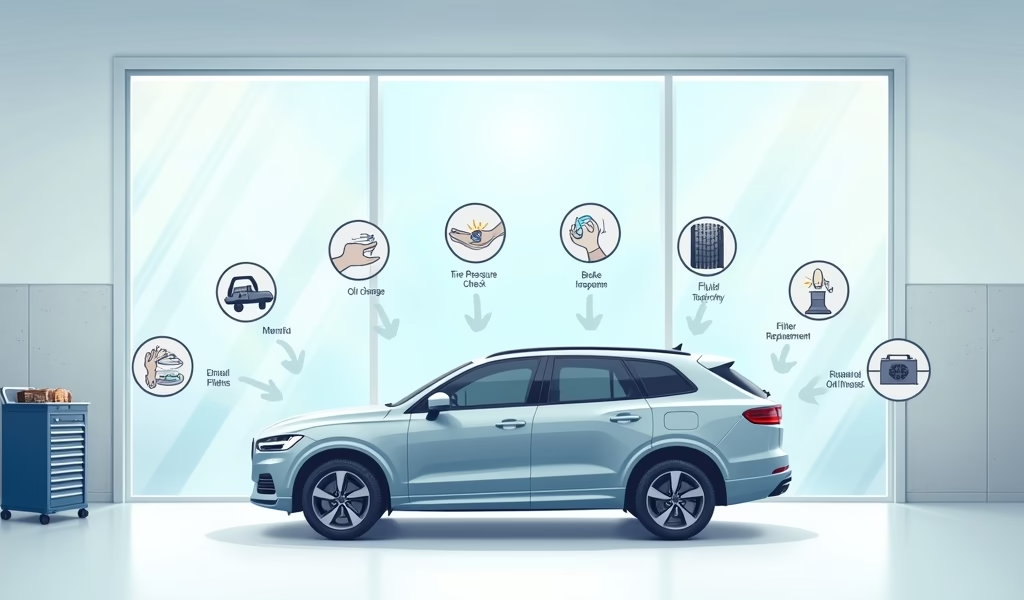
The short answer is yes – you absolutely can lease a used car, though it’s not as straightforward or widely available as leasing new vehicles. Most used car lease programs focus on certified pre-owned (CPO) vehicles, which undergo rigorous inspections and come with extended warranties. These programs provide the peace of mind that your pre-owned vehicle won’t turn into a money pit during your lease term.
Not every dealership or manufacturer offers used car leasing options, however. The practice is more common with luxury brands like BMW, Lexus, and Mercedes-Benz, though some mainstream manufacturers are expanding into this space as well. From my experience working with customers exploring different financing options, I’ve noticed that comparing lease versus buy options for used vehicles often reveals significant savings potential with leasing.
Used car leasing comes with some restrictions you should be aware of. Most leasing companies limit eligibility to vehicles that are:
- Relatively recent models (usually less than 4 years old)
- Low-mileage (typically under 48,000 miles)
- In excellent condition with no history of major accidents
- Popular makes and models with strong resale values
These restrictions exist because the leasing company needs to predict the vehicle’s future value with reasonable accuracy. Cars that are too old, have high mileage, or unusual configurations often don’t qualify because their future values are less predictable.
According to Edmunds’ car leasing experts, used car leasing represents about 4% of all lease transactions, though this number has been growing steadily in recent years as consumers seek more affordable alternatives to new car leasing.
Advantages and Disadvantages of Leasing a Used Car
Let’s be real about the pros and cons of leasing a used car. As someone who’s helped countless customers navigate vehicle decisions, I’ve seen both the upsides and the potential pitfalls.
Advantages of Leasing a Used Car
Lower monthly payments are perhaps the most compelling reason to consider a used car lease. Since you’re financing the depreciation of an already-depreciated vehicle, your payments will typically be 20-30% lower than leasing the same model new. This means you can often afford a higher trim level or more premium vehicle than you could with a new car lease.
Reduced down payments also make used car leases attractive. The initial costs – including the down payment, acquisition fees, and first month’s payment – are generally lower for used leases. For drivers watching their budget, this lower barrier to entry can be the difference between driving a reliable vehicle and stretching finances too thin.
Warranty coverage is another potential benefit. Most used car lease programs focus on certified pre-owned vehicles that include extended warranties. This means you’ll likely have comprehensive coverage throughout your lease term, minimizing the risk of unexpected repair costs. The peace of mind that comes with knowing major systems are covered can’t be overstated.
Potential Disadvantages to Consider
Limited availability remains the biggest hurdle for used car leasing. Not every dealership offers these programs, and you’ll have a more restricted selection of vehicles compared to new car leasing. This can mean spending more time searching for the right vehicle and dealership.
Higher money factors (the lease equivalent of interest rates) often apply to used car leases. Lenders typically consider used car leases slightly riskier than new car leases, resulting in higher financing costs. While your monthly payment will still be lower overall, the interest component may be proportionally higher.
Maintenance and wear concerns can’t be ignored, either. Even certified pre-owned vehicles have been driven by previous owners and may show more wear or require more maintenance than brand-new vehicles. As a mechanic, I’ve seen that while CPO vehicles undergo thorough inspections, they may still need more attention than their factory-fresh counterparts.
End-of-lease considerations also differ for used vehicles. When your lease ends, the vehicle will be older and potentially less desirable if you’re considering purchasing it. The residual value (the predetermined amount you can buy the car for at lease-end) may not represent as good a deal as it might with a new car lease.
Where to Find Used Car Lease Opportunities
If you’re intrigued by the prospect of leasing a used car, you’re probably wondering where to find these opportunities. From my experience guiding customers through the process, I’ve identified several reliable avenues:
Dealership CPO Programs
Franchise dealerships, particularly those representing luxury brands, often offer certified pre-owned lease programs. Brands like BMW, Mercedes-Benz, and Lexus have been pioneers in this space, though more mainstream manufacturers are beginning to catch up. These programs typically offer the most straightforward path to leasing a used vehicle, with structured terms and manufacturer backing.
When approaching these dealerships, specifically ask about CPO lease options, as they might not advertise them as prominently as their new car lease specials. Be prepared to negotiate – just as with any lease arrangement, terms can often be adjusted to better suit your needs.
Lease Takeover Marketplaces
Lease takeover platforms like SwapALease and LeaseTrader connect people who want to exit their lease early with those looking to take over existing leases. This approach offers several advantages:
- No down payment (in most cases)
- Shorter commitment periods (you’re taking over the remainder of an existing lease)
- Potential incentives from the person exiting the lease
- Wide variety of vehicles and terms
These marketplaces can be particularly valuable for finding shorter lease terms or special situations where the original lessee may offer cash incentives to take over their payments. Just remember to conduct a thorough inspection before taking over any lease – you’re responsible for the vehicle’s condition at the end of the lease term.
Independent Leasing Companies
Some independent leasing companies specialize in used car leases. These businesses often work with multiple dealerships and can offer greater flexibility in terms of vehicle selection and lease structures. They may be able to source specific vehicles that meet your criteria, even if they’re not immediately available on a dealership lot.
Credit unions sometimes offer used car leasing programs as well, often with more favorable terms than commercial leasing companies. If you’re a member of a credit union, it’s worth inquiring about these options, as they can represent significant savings over the life of your lease.
When exploring used car options, don’t limit yourself to traditional purchase methods – a used car lease might be the perfect solution for your situation. According to Consumer Reports, used car leasing is becoming increasingly popular among value-conscious consumers looking for flexibility without the high costs of new vehicle leasing.
7 Proven Maintenance Tips for Your Leased Used Car
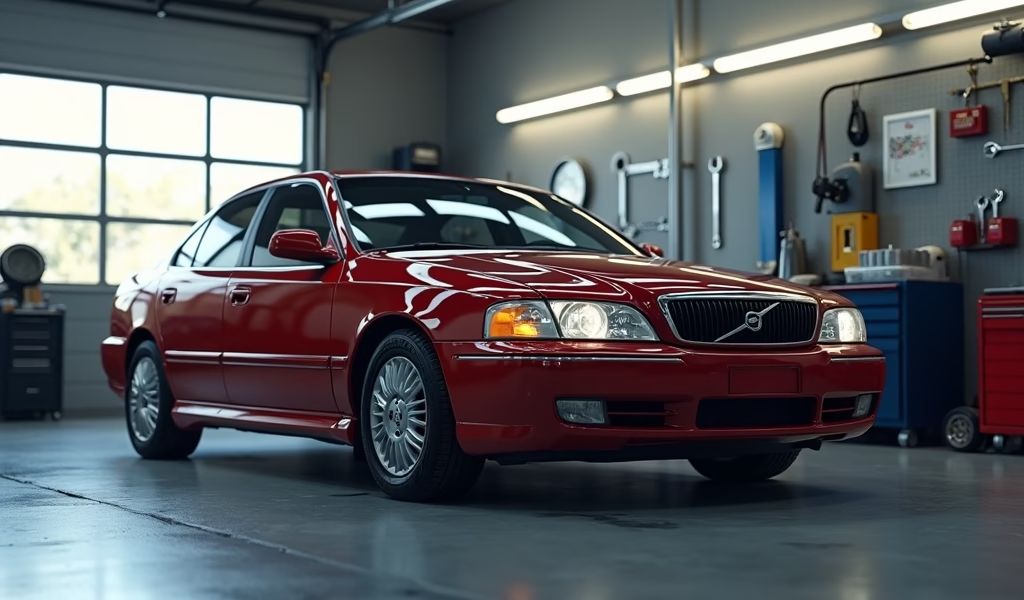
Proper maintenance is crucial for any vehicle, but it takes on special importance with a leased used car. As a mechanic, I’ve seen too many customers face hefty end-of-lease charges for neglected maintenance. Here are seven field-tested strategies to keep your leased used car in top condition and avoid painful lease-end penalties:
1. Stick Religiously to the Maintenance Schedule
The manufacturer’s maintenance schedule isn’t just a suggestion – it’s your roadmap to a trouble-free lease experience. With a used vehicle, adhering to these guidelines becomes even more critical. Missing oil changes or scheduled maintenance can lead to accelerated wear and potential mechanical issues that could haunt you at lease-end.
Keep meticulous records of every service performed. These documents serve as your protection against potential claims of neglected maintenance when you return the vehicle. I recommend creating a dedicated folder – either physical or digital – where you store all maintenance receipts and service records. Many modern shops now email receipts, making digital record-keeping simpler than ever.
2. Address Minor Issues Immediately
That strange noise when you brake? The slight hesitation when accelerating? These seemingly minor issues can rapidly evolve into major problems if ignored. With a leased vehicle, you’re responsible for maintaining its condition, and waiting too long to address small issues can lead to more extensive damage that exceeds normal wear and tear provisions.
I’ve seen countless cases where a $75 repair ignored for months turned into a $750 repair bill – and potential lease-end penalties. If something seems off with your vehicle, have it checked promptly. Most shops offer free or low-cost diagnostic services that can identify issues before they escalate.
3. Keep It Clean Inside and Out
Regular cleaning does more than keep your car looking nice – it preserves both the exterior finish and interior materials. Road salt, bird droppings, and tree sap can damage paint if left uncleaned, while spills and dirt can permanently stain interior surfaces. These cosmetic issues may seem minor, but they can lead to significant charges at lease-end.
Establish a regular cleaning routine:
- Weekly exterior rinse (more frequently in winter or if the car is parked under trees)
- Monthly thorough exterior wash including undercarriage (especially important in regions that use road salt)
- Quarterly interior deep clean
- Immediate cleanup of any spills or stains
Consider having the vehicle professionally detailed 2-3 months before your lease ends. This professional touch can help address minor cosmetic issues before they become lease-end charges.
4. Monitor Tire Wear Carefully
Tires represent one of the most common sources of lease-end charges. Most lease agreements require you to return the vehicle with adequate tire tread remaining – typically at least 4/32″ of tread depth. Uneven wear, damage, or excessive wear can result in charges for replacement.
To prevent tire-related issues:
- Maintain proper inflation (check monthly)
- Rotate tires according to the manufacturer’s schedule (typically every 5,000-7,500 miles)
- Align the vehicle if you notice uneven wear patterns
- Address any vibrations or pulling immediately
If your tires are approaching the wear limit as your lease end approaches, consider replacing them. While this represents an out-of-pocket expense, it’s often less costly than the marked-up tire replacement charges assessed by leasing companies.
5. Document Existing Damage at Lease Inception
When you first receive your leased used car, thoroughly document its condition. Take detailed photos of the exterior from multiple angles, capture any existing scratches, dents, or interior wear, and note these on your lease agreement. This documentation establishes the baseline condition of the vehicle and protects you from being charged for pre-existing damage at lease-end.
Store these photos securely and date them. If possible, have the dealership representative acknowledge this documentation – either by signing a condition report or by sending an email confirming the vehicle’s condition at delivery. This simple step has saved many customers from unfair charges for damage they didn’t cause.
6. Stay Within Mileage Limits
Mileage overages can quickly become the most expensive aspect of leasing. Most used car leases include annual mileage allowances between 10,000-15,000 miles, with penalties ranging from $0.15 to $0.30 per mile over the limit. These charges can add up alarmingly fast – exceeding your limit by just 5,000 miles could result in an additional $750-$1,500 at lease-end.
Track your mileage regularly and calculate your monthly “mileage budget.” If you notice you’re consistently exceeding this budget, take proactive steps like carpooling, using public transportation for certain trips, or considering a mileage extension purchase from your leasing company (buying miles in advance is almost always cheaper than paying overage fees at lease-end).
7. Know Your Lease-End Requirements
Familiarize yourself with exactly what your lease agreement considers “normal wear and tear” versus “excessive damage.” These definitions can vary significantly between leasing companies. Most leasing companies provide a wear and tear guide that outlines specific parameters for acceptable conditions upon return.
Approximately three months before your lease ends, perform a thorough self-inspection using these guidelines. This gives you ample time to address any issues that might incur charges. Many leasing companies also offer pre-inspection services where they’ll identify potential issues before the final turn-in, allowing you to handle repairs on your terms rather than paying their assessed fees.
According to Car and Driver’s research on lease-end inspections, customers who perform pre-inspections and address issues proactively save an average of $350-$750 in lease-end charges. This proactive approach transforms potential penalties into manageable maintenance costs.
Financial Considerations: Numbers You Should Know
Beyond maintenance, understanding the financial aspects of used car leasing can help you determine if it’s the right choice for your situation. Let’s break down some key numbers to consider:
Cost Comparison: New vs. Used Leasing
While specific figures vary by vehicle and lease terms, used car leases typically offer significant savings compared to new car leases. Based on industry averages, you can expect:
- Monthly payments: 20-30% lower than comparable new car leases
- Down payments: Usually $500-$1,500 less than new car leases
- Money factors (interest rates): Typically 0.5-1.5 percentage points higher than new car leases
- Total lease cost: Generally 15-25% less over the life of the lease
For example, a new midsize SUV might lease for $450 monthly with $3,000 due at signing, while a comparable 2-year-old certified pre-owned model might lease for $350 monthly with $2,000 due at signing. Over a 36-month lease, this represents a savings of $3,600 in monthly payments plus $1,000 upfront – a total reduction of $4,600.
Insurance Requirements and Costs
Like new car leases, used car leases require comprehensive insurance coverage. Leasing companies typically mandate:
- Liability coverage of at least 100/300/50 ($100,000 per person/$300,000 per accident for bodily injury, $50,000 for property damage)
- Comprehensive and collision coverage with deductibles no higher than $500-$1,000
- Gap insurance (covers the difference between what you owe and the car’s value if it’s totaled)
The good news is that insurance premiums for used vehicles are typically 10-20% lower than for new vehicles of the same model, resulting in additional monthly savings. Many leasing companies include gap insurance in their lease agreements, but always verify this rather than assuming it’s included.
End-of-Lease Options
As your lease approaches its conclusion, you’ll typically have several options:
- Return the vehicle (potentially incurring turn-in fees of $300-$500 unless waived)
- Purchase the vehicle at the predetermined residual value
- Extend the lease (usually on a month-to-month basis at the same payment)
- Lease or purchase another vehicle
The purchase option deserves careful consideration with used car leases. Unlike new car leases, where the residual value may be inflated to lower monthly payments, used car lease residuals tend to be more realistic. This means purchasing your leased used car at lease-end may represent a fair deal, especially if you’ve maintained it well and have avoided excess mileage.
Compare the residual value to market values for similar vehicles using resources like Kelley Blue Book or Edmunds. If the residual is lower than market value (or close), purchasing your lease might be advantageous – particularly if you’re comfortable with the vehicle and aware of its maintenance history.
Conclusion: Is Leasing a Used Car Right for You?
Leasing a used car represents a practical middle ground between the higher costs of new car leasing and the potential maintenance concerns of buying an older vehicle outright. For budget-conscious drivers who want the latest safety features and technology without breaking the bank, a certified pre-owned lease can offer the perfect balance.
The key benefits – lower monthly payments, reduced down payments, and access to higher-quality vehicles – make used car leasing an attractive option for many. However, the limited availability of these programs, potential for higher maintenance requirements, and stricter lease-end standards mean it’s not the right choice for everyone.
As a mechanic who’s guided countless customers through vehicle decisions, I’ve seen used car leases work wonderfully for people who:
- Prioritize predictable monthly payments
- Drive moderate mileage (under 15,000 miles annually)
- Maintain their vehicles conscientiously
- Want to drive a higher-quality vehicle than they could afford to purchase
- Prefer changing vehicles every few years
By following the maintenance strategies outlined in this guide, you can ensure your used car leasing experience remains positive from start to finish. Remember that proper maintenance isn’t just about avoiding lease-end charges – it’s about safety, reliability, and getting the most value from your vehicle throughout the lease term.
If you’re considering this option, start by researching which dealerships in your area offer certified pre-owned lease programs, or explore lease takeover marketplaces for existing opportunities. Compare multiple offers, understand all terms and conditions, and don’t hesitate to negotiate – just as you would with any vehicle transaction.
With the right approach and proper maintenance, leasing a used car can offer the sweet spot between affordability and quality that many drivers are searching for in today’s automotive market.
Frequently Asked Questions
Can anyone lease a used car, or are there credit requirements?
Just like with new car leasing, you’ll need to meet credit requirements to lease a used car. Most leasing companies require a credit score of at least 620, though higher scores will secure better rates and terms.
Are maintenance packages available for used car leases?
Yes, many dealers offer prepaid maintenance packages for used car leases, which can simplify budgeting and ensure proper service. These packages typically cover routine maintenance items like oil changes, tire rotations, and inspections.
Can I modify a leased used car?
Modifications are generally not allowed on leased vehicles, including used car leases. Any modifications must be reversible before returning the vehicle, or you may face significant charges at lease-end.
What happens if my leased used car needs major repairs?
If your leased used car needs major repairs covered under warranty, the repairs will be handled at no cost to you. For repairs not covered by warranty, you’re responsible for the costs, just as you would be with any leased vehicle.
Is it possible to buy my leased used car before the lease ends?
Yes, most lease agreements include an early purchase option that allows you to buy the vehicle before the lease ends. The payoff amount will include the residual value plus any remaining lease payments and may include an early termination fee.