

Overview
Like a first date with a pre-loved vehicle, used car leasing offers lower payments than new leases but requires diligent maintenance to avoid end-of-lease heartbreak. This article explains how used car leasing works and provides seven essential maintenance tips—including regular fluid checks, tire care, following service schedules, keeping it clean, addressing small issues promptly, monitoring brakes, and maintaining detailed records—to ensure a successful leasing experience.
Table of Contents
- Understanding Used Car Leasing: Is It Possible?
- Advantages and Disadvantages of Leasing a Used Car
- Maintenance Tip #1: Regular Oil Changes and Fluid Checks
- Maintenance Tip #2: Timely Tire Maintenance
- Maintenance Tip #3: Follow the Manufacturer’s Service Schedule
- Maintenance Tip #4: Keep It Clean Inside and Out
- Maintenance Tip #5: Address Small Issues Before They Become Big Problems
- Maintenance Tip #6: Monitor Your Brakes
- Maintenance Tip #7: Keep Detailed Service Records
- Conclusion: Making the Most of Your Used Car Lease
- Frequently Asked Questions
Understanding Used Car Leasing: Is It Possible?
Yes, you can lease a used car, though it’s not as common as leasing a new vehicle. As someone who’s spent over two decades under the hood and advising drivers on their automotive choices, I’ve seen more folks exploring this option in recent years. Used car leasing allows you to enjoy lower monthly payments compared to new car leases, while still driving a quality vehicle that meets your needs.
The concept is straightforward: you’re essentially paying for the depreciation that occurs during your lease term, plus interest and fees. Since pre-owned vehicles have already undergone their steepest depreciation, your payments reflect a smaller depreciation curve. This can make leasing more affordable than buying for many drivers who want to maximize their transportation budget.
However, not all dealerships offer used car leasing programs. These arrangements are more commonly available through certified pre-owned (CPO) programs offered by manufacturers. These vehicles typically undergo rigorous inspections and come with extended warranties, making them reliable candidates for leasing arrangements.
Advantages and Disadvantages of Leasing a Used Car
Before signing on the dotted line, let’s talk about what you’re really getting into with a used car lease. Like any automotive decision, there are pros and cons to consider.
Advantages:
- Lower monthly payments compared to leasing new or financing used
- Reduced depreciation concerns since the steepest value drop has already occurred
- Opportunity to drive a higher-end vehicle than you might otherwise afford
- CPO vehicles often include warranty coverage for peace of mind
- Less sales tax since you’re only taxed on the lease amount in most states
Disadvantages:
- More limited availability than new car leasing options
- Potentially higher interest rates (money factors) than new car leases
- Older technology and features compared to brand new models
- Greater likelihood of maintenance issues as the vehicle ages
- Stricter return conditions may apply at lease-end
Understanding these trade-offs is crucial when considering if a used car lease aligns with your driving needs and financial situation. As a mechanic who’s helped countless customers navigate vehicle decisions, I always emphasize the importance of maintenance with any pre-owned vehicle—especially a leased one where you’re contractually obligated to maintain the car properly.
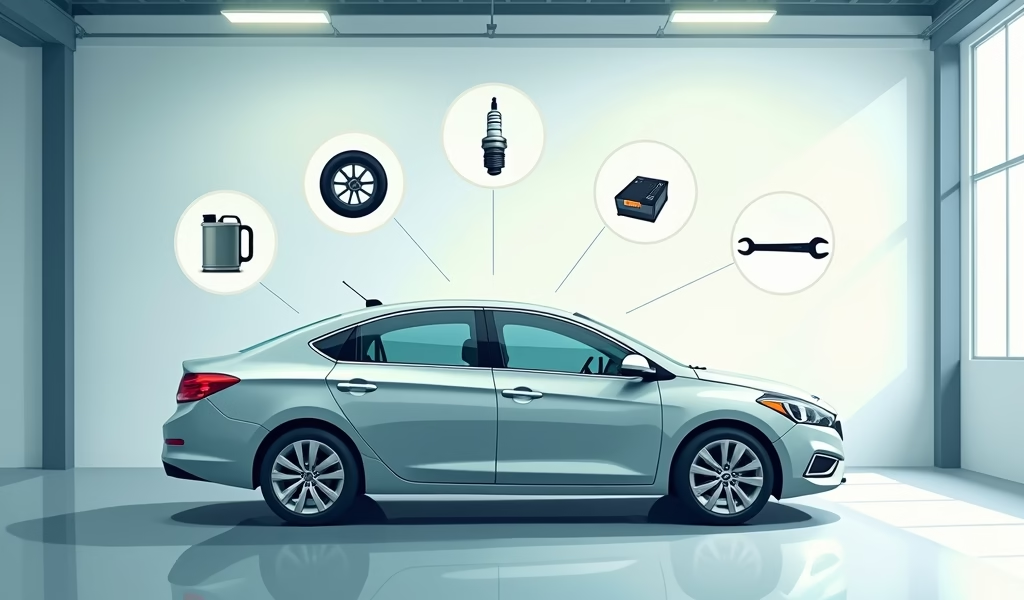
Maintenance Tip #1: Regular Oil Changes and Fluid Checks
If there’s one thing I’ve learned in my years turning wrenches, it’s that regular oil changes are the single most important maintenance action for extending engine life. With a leased used car, this becomes even more critical because you’re responsible for returning the vehicle in good condition.
Don’t just follow the maximum mileage guidelines—consider your driving habits. If you frequently drive in stop-and-go traffic, extreme temperatures, or dusty conditions, change your oil more frequently than the maximum interval. Every 5,000 miles is a safe bet for most modern vehicles using synthetic oil, but check your specific model’s recommendations.
While you’re handling oil maintenance, establish a routine to check other vital fluids monthly:
- Transmission fluid (if accessible)
- Coolant/antifreeze levels
- Power steering fluid
- Brake fluid
- Windshield washer fluid
Many lease-end inspections will flag low fluid levels as signs of neglect. A simple monthly check can save you hundreds in potential end-of-lease charges. Plus, maintaining proper fluid levels prevents costly damage to critical systems that could leave you stranded—and facing a repair bill that far exceeds what preventive maintenance would have cost.
Maintenance Tip #2: Timely Tire Maintenance
Tires are your only contact with the road, and they tell the story of how well you’ve maintained your vehicle. When returning a leased used car, uneven tire wear often raises red flags about overall maintenance practices.
Establish a monthly tire maintenance routine that includes:
- Checking tire pressure when the tires are cold (including the spare)
- Inspecting tread depth using the penny test or a proper depth gauge
- Looking for uneven wear patterns that might indicate alignment issues
- Examining sidewalls for cuts, bulges, or damage
Rotate your tires according to the manufacturer’s recommendation, typically every 5,000-7,000 miles. This simple service extends tire life and ensures even wear, which can save you from having to replace tires before returning your leased vehicle. Remember, most lease agreements require tires to have a minimum tread depth (often 4/32″) at turn-in, or you’ll face charges for replacements.
Consider investing in a wheel alignment at the first sign of uneven tire wear or if the vehicle pulls to one side. This not only preserves tire life but also improves fuel economy and handling—both of which make your driving experience more enjoyable during the lease term. According to Tire Rack’s research, proper alignment can extend tire life by thousands of miles.
Maintenance Tip #3: Follow the Manufacturer’s Service Schedule
When you lease a used car, you’re essentially borrowing someone else’s asset. The leasing company expects you to follow the manufacturer’s recommended maintenance schedule to the letter. These aren’t just suggestions—they’re calculated intervals designed to maximize vehicle longevity.
Locate your vehicle’s maintenance schedule in the owner’s manual or on the manufacturer’s website. Create calendar reminders for upcoming service needs based on time and mileage intervals. Many modern vehicles have built-in service reminders, but it’s wise to track independently as well.
Pay special attention to major service intervals that include:
- Timing belt replacement (typically every 60,000-100,000 miles)
- Transmission service (often every 30,000-60,000 miles)
- Spark plug replacement (usually every 60,000-100,000 miles)
- Brake fluid flush (generally every 2-3 years)
- Cooling system service (typically every 5 years or 60,000 miles)
Skipping these services might save money in the short term, but they often result in significant lease-end charges or, worse, mechanical failures during your lease period. As a mechanic who’s seen the aftermath of neglected maintenance, I can assure you that following the service schedule is always more economical than dealing with repairs.
Keep all service receipts in a dedicated folder or digital file. When you return the vehicle, these records prove you’ve maintained it properly and can help dispute any unfair wear-and-tear charges. The Federal Trade Commission recommends maintaining detailed service records for all vehicle transactions, including leases.
Maintenance Tip #4: Keep It Clean Inside and Out
Mechanical maintenance isn’t the only consideration for a leased used car. Regular cleaning protects both the exterior finish and interior surfaces from premature aging. This isn’t just about aesthetics—it’s about preserving value.
Wash your vehicle at least twice monthly, more often if you live in areas with harsh weather, road salt, or high pollution. Pay special attention to the undercarriage during winter months if you live in regions where roads are salted. That crusty white stuff isn’t just unsightly—it’s actively eating away at metal components.
For the interior, develop these habits:
- Vacuum floors, seats, and trunk area biweekly
- Wipe down dashboard and surfaces monthly with appropriate cleaners
- Treat leather seats quarterly with conditioner to prevent cracking
- Clean windows inside and out during each wash
- Address spills and stains immediately before they set
Consider applying a quality wax to the exterior quarterly to protect the paint from environmental damage. This simple step creates a barrier against UV rays, bird droppings, tree sap, and other contaminants that can permanently damage paint. When returning a leased vehicle, excessive paint damage beyond normal wear can result in charges that far exceed what preventive care would have cost.
Remember that when considering used vehicles, condition significantly impacts value. Maintaining cleanliness throughout your lease term means you’ll have less work to do before turn-in, and you’ll enjoy a nicer driving environment every day.

Maintenance Tip #5: Address Small Issues Before They Become Big Problems
In my decades as a mechanic, I’ve seen countless $50 problems turn into $2,000 nightmares simply because someone ignored the early warning signs. With a leased used car, this principle becomes even more important because you’re contractually obligated to return the vehicle in good working order.
Train yourself to be attentive to changes in your vehicle’s performance. That new squeak, shimmy, or warning light isn’t going to resolve itself. Think of these symptoms as your car’s way of asking for help before something catastrophic occurs.
Common early warnings to address promptly include:
- New noises (squealing, grinding, rattling)
- Warning lights (even if they come and go)
- Fluid spots under the vehicle
- Changes in driving performance or handling
- Unusual odors (burning, sweet coolant smell, exhaust)
When these issues arise, get them diagnosed quickly. Many repair shops offer free or low-cost inspections that can identify problems before they escalate. This proactive approach not only saves money but also prevents the inconvenience of unexpected breakdowns.
According to a study by CarMD, addressing check engine lights promptly saves an average of $1,200 in additional repairs compared to delaying diagnosis and repair. With a leased vehicle, those savings are even more significant when you consider potential lease-end charges.
Maintenance Tip #6: Monitor Your Brakes
Brake maintenance is both a safety priority and a significant consideration for lease returns. As someone who’s inspected thousands of vehicles, I can tell you that brake condition is one of the first things evaluators check when assessing a returned lease.
Learn to recognize the signs that your brakes need attention:
- Squealing or grinding noises when braking
- Vibration or pulsation in the brake pedal
- Vehicle pulling to one side during braking
- Increased stopping distance
- Brake pedal feeling soft or spongy
Have your brakes inspected with every tire rotation (typically every 5,000-7,000 miles). This regular check allows you to monitor pad wear and address issues before they damage rotors—a much more expensive repair. Most lease agreements expect you to return the vehicle with adequate brake pad material remaining, often at least 50% of the original thickness.
If you do need brake work, consider using original equipment manufacturer (OEM) parts or high-quality aftermarket alternatives. Cheap brake components might save money initially, but they often wear faster and can lead to noise issues that might be flagged during lease-end inspection. Quality parts also provide better stopping performance, protecting you and your passengers.
Maintenance Tip #7: Keep Detailed Service Records
Throughout my career advising drivers, I’ve seen countless disputes over lease returns that could have been avoided with proper documentation. When leasing a used car, your service records become your protection against unfair wear-and-tear charges.
Create a comprehensive maintenance log that includes:
- Date, mileage, and details of each service performed
- Copies of all repair orders and receipts
- Notes about any warranty work or recalls addressed
- Photos of the vehicle’s condition before and after any incidents
- Records of any modifications (and their reversal before return)
Many drivers find success using smartphone apps designed for maintenance tracking, which can store photos of receipts and send scheduled maintenance reminders. Alternatively, a simple accordion folder in your glove compartment works perfectly for keeping physical receipts organized.
Before your lease-end inspection, compile these records chronologically to demonstrate your consistent maintenance. This documentation proves you’ve met your contractual obligations and can help dispute any questionable charges. Many lease returns are processed by third-party companies who haven’t seen your driving habits—your records tell the story of your responsible stewardship.
Conclusion: Making the Most of Your Used Car Lease
Leasing a used car can be a smart financial decision when approached with knowledge and diligence. The seven maintenance tips we’ve covered aren’t just about avoiding lease-end charges—they’re about ensuring you have a reliable, enjoyable driving experience throughout your lease term.
By staying on top of regular maintenance, addressing issues promptly, and keeping detailed records, you’ll not only protect yourself from unexpected costs but also potentially position yourself for favorable terms on your next vehicle. Leasing companies remember customers who return well-maintained vehicles and may offer incentives on future leases.
Remember that while leasing a used car is less common than leasing new, it offers unique advantages for budget-conscious drivers who still want quality transportation. The key is understanding what you’re getting into and maintaining the vehicle as if it were your own—because for the duration of that lease, it is your responsibility.
Whether this is your first lease or you’re a seasoned pro, these proven maintenance strategies will serve you well. They represent decades of real-world experience from the service bay to the finance office, distilled into actionable advice that saves money and headaches. Happy driving, and here’s to a smooth lease experience!
Frequently Asked Questions
Can anyone lease a used car?
Yes, but you’ll need to meet credit requirements just like with any lease. Lenders typically look for a credit score of 620 or higher for used car leases.
Are maintenance requirements stricter for leased used cars?
Not stricter, but they’re more strictly enforced through lease-end inspections. You’ll need to follow the manufacturer’s recommended maintenance schedule and keep records.
Can I negotiate a used car lease like I would a new one?
Absolutely! Negotiate the vehicle’s price (capitalized cost) first, then discuss money factor (interest rate) and residual value. Each component affects your monthly payment.
Will I save money leasing used versus new?
In most cases, yes. Used car leases typically have lower monthly payments because you’re financing the vehicle after its steepest depreciation has occurred.
What happens if I exceed the mileage limits on a used car lease?
You’ll pay an excess mileage fee, typically between $0.15-$0.30 per mile over your limit. These charges are the same as with new car leases, so negotiate sufficient mileage upfront.