
Overview
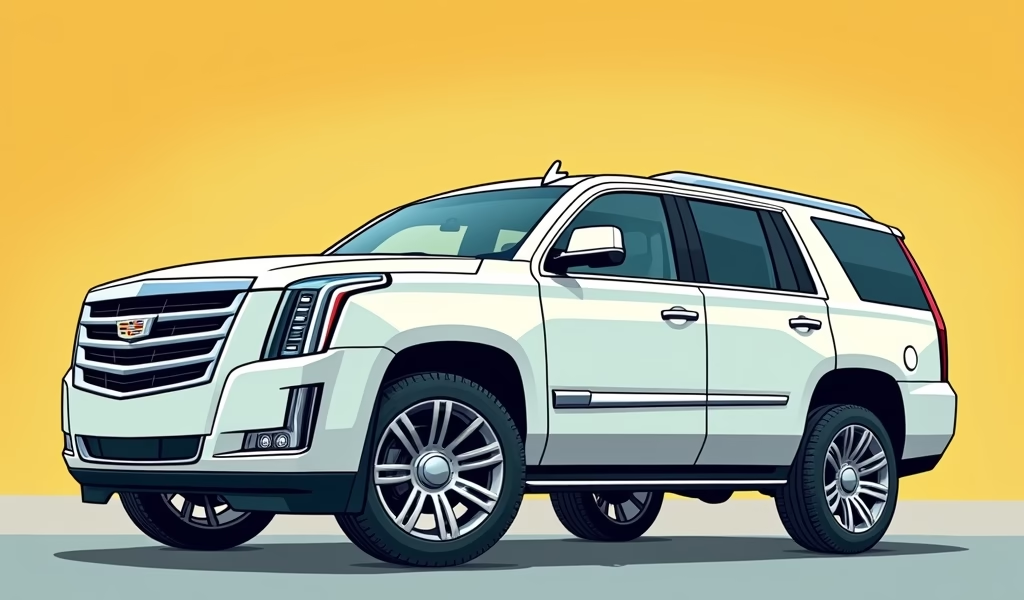
Like that cloud-like ride in your Escalade until it suddenly sags overnight? This expert guide walks through the common causes of air suspension leaks in Cadillac Escalades—from natural aging and environmental factors to impact damage—while offering comprehensive diagnostic steps, repair options ranging from individual component replacement to full conversion kits, and preventative maintenance tips to extend system life and avoid costly surprises.
Table of Contents
- Understanding Your Escalade’s Air Suspension System
- Common Symptoms of Air Suspension Leaks
- Why Air Suspension Leaks Happen in Cadillacs
- Diagnosing Air Suspension Problems
- Repair Options: What Are Your Choices?
- Preventing Air Suspension Issues
- Cost Considerations for Repairs
- DIY vs. Professional Repairs
- Conclusion
- Frequently Asked Questions
Understanding Your Escalade’s Air Suspension System
The Cadillac Escalade’s air suspension isn’t just a luxury feature—it’s a sophisticated system designed to provide superior ride comfort and handling. As someone who’s worked on these systems for over 15 years, I’ve seen firsthand how they transform the driving experience when working properly, and how frustrating they can be when they develop leaks.
At its core, your Escalade’s air suspension replaces traditional metal springs with air-filled bags or struts. These components inflate and deflate automatically to maintain your vehicle’s ride height regardless of load. This system includes several key components:
- Air springs (sometimes called air bags) at each wheel
- An air compressor that pressurizes the system
- Air lines connecting components
- Height sensors monitoring vehicle position
- Electronic control module managing the entire system
When functioning correctly, this system delivers the smooth, cloud-like ride Escalade owners expect. The beauty is in how it automatically adjusts—whether you’re carrying passengers, hauling cargo, or driving solo, the suspension maintains optimal ride height and comfort.
The system continuously monitors your vehicle’s height through sensors and makes micro-adjustments by adding or releasing air as needed. This happens seamlessly in the background while you drive, creating that signature floating sensation that makes long trips remarkably comfortable.
Common Symptoms of Air Suspension Leaks
Catching air suspension problems early can save thousands in repairs. Here are the telltale signs I tell my customers to watch for:
Uneven Ride Height
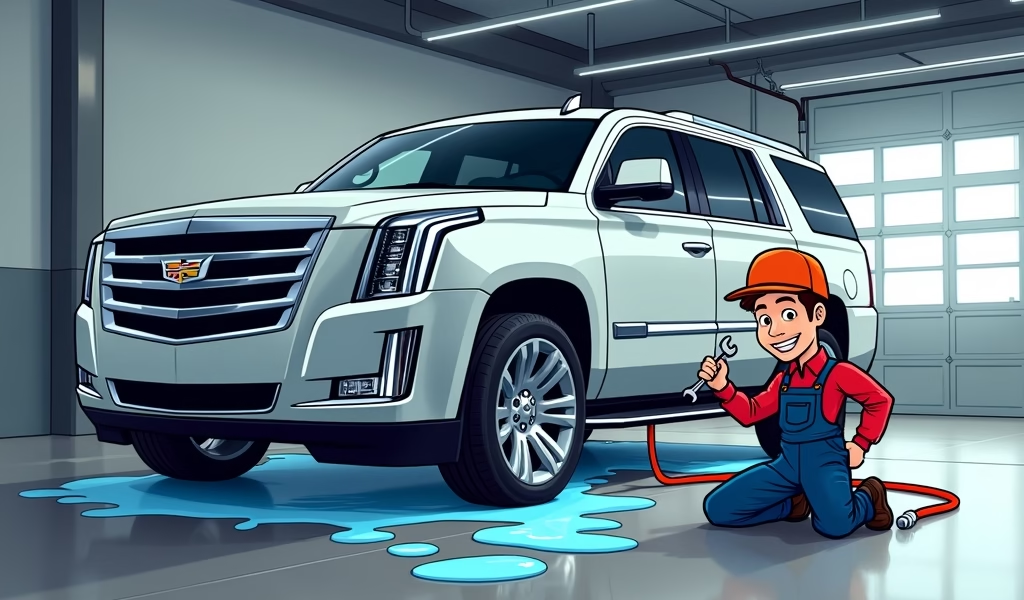
The most obvious symptom is when your Escalade sits noticeably lower on one side or corner. This “leaning” appearance usually indicates an air spring leak on the lower side. Take a walk around your vehicle occasionally—especially after it’s been parked overnight—to check for an uneven stance.
The “Morning Sag” Test
If your Escalade looks fine when parked but appears significantly lower the next morning, you likely have a slow leak. Small leaks allow air to escape gradually when the compressor isn’t running to compensate. This overnight sag is often your first warning before more serious symptoms develop.
Compressor Running Excessively
Your air suspension compressor should only run briefly and occasionally. If you notice it running for extended periods or cycling frequently (you’ll hear a humming sound from the rear of the vehicle), it’s likely struggling to maintain pressure against a leak.
Dashboard Warning Lights
Modern Escalades display specific warnings when the air suspension system detects problems. Messages like “Service Suspension System” or “Reduce Speed” shouldn’t be ignored—they’re early warnings designed to prevent catastrophic failure.
Deteriorating Ride Quality
Sometimes the symptoms are more subtle. If your once-smooth Escalade starts transmitting more road vibration, bottoms out over bumps, or generally feels less composed, your air suspension may be compromised. Pay attention to these changes in feel, as they often precede more obvious visual symptoms.
I’ve seen countless customers ignore these warning signs until their Escalade is practically sitting on its bump stops. By that point, the compressor has usually burned out from overwork, turning what could have been a simple air spring repair into a complete system replacement.
Why Air Suspension Leaks Happen in Cadillacs
Understanding why air suspensions fail helps you prevent problems and make informed repair decisions. After diagnosing hundreds of Escalade suspension issues, I’ve found these common causes:
Age and Material Degradation
Air springs are made from flexible rubber and polyurethane that naturally degrade over time. After 5-7 years (or 60,000-80,000 miles), microscopic cracks develop in these materials, allowing air to escape gradually. This degradation is inevitable, but its timeline varies based on climate and driving conditions.
The rubber compounds in air springs become increasingly brittle with age, similar to how rubber bands lose elasticity over time. This aging process accelerates in vehicles driven regularly in extreme temperatures—both hot and cold conditions stress these materials.
Environmental Factors
Temperature extremes dramatically impact component lifespan. Bitter cold makes rubber brittle and prone to cracking, while extreme heat accelerates material breakdown. Vehicles in the Midwest and Northeast often show faster deterioration due to these temperature swings.
Road salt is particularly damaging to all suspension components. Salt accelerates corrosion of metal fittings and connections, creating weak points where leaks can develop. Even in warmer climates, road debris and environmental contaminants can degrade components over time.
Impact Damage
Despite their durability, air springs can sustain damage from severe impacts. Deep potholes, aggressive speed bump encounters, and off-road driving can tear air bags or damage connection points. This damage sometimes causes immediate failure but often creates small tears that gradually worsen over time.
Manufacturing and Design Factors
Some model years have shown higher failure rates for specific components. The 2015-2018 Escalades, for example, experienced more frequent rear air spring issues than other generations. Sensor calibration intervals also play a role in system longevity, as improperly calibrated height sensors can cause the system to overwork.
According to Car and Driver’s reliability research, suspension issues rank among the top concerns for Escalade owners, particularly in models with higher mileage.
Diagnosing Air Suspension Problems
Before you can fix an air suspension leak, you need to pinpoint exactly where it’s occurring. Here’s my step-by-step approach for accurate diagnosis:
Visual Inspection
Start with a thorough visual examination of all air springs. Look for obvious tears, cracks, or abrasions in the rubber. Pay special attention to the bellows (the flexible part that expands and contracts) and any connection points. Sometimes, applying soapy water to suspected leak areas and watching for bubbles can reveal slow leaks.
Component-by-Component Check
If visual inspection doesn’t reveal the problem, a methodical component check is necessary:
- Air springs: Check each individually for proper inflation and signs of damage
- Air lines: Inspect for cracks, kinks, or disconnection
- Compressor: Listen for unusual noises during operation or failure to start
- Solenoids and valves: Test for proper operation using diagnostic equipment
- Height sensors: Verify accurate readings using calibration procedures
Using Diagnostic Tools
Modern scan tools can communicate with your Escalade’s suspension control module to identify fault codes. These codes often point to specific components or circuits experiencing problems. A professional-grade scanner can also monitor real-time data like air pressure readings and compressor duty cycles, revealing performance issues before complete failure occurs.
For accurate diagnosis, technicians often use a combination of module programming updates and physical testing. The module might need reprogramming to recognize new components after repairs.
Pressure Testing
In cases where leaks are difficult to locate, pressure testing the entire system can identify problems. By pressurizing the system to operating levels and monitoring pressure loss over time, technicians can measure leak severity. Specialized equipment can then trace where air is escaping, even from nearly invisible cracks or porous areas in aging components.
Proper diagnosis before beginning repairs is crucial. I’ve seen many cases where customers replaced an air spring because their vehicle was sagging, only to find the real issue was a faulty height sensor or control module. Taking the time for accurate diagnosis saves money and frustration in the long run.
Repair Options: What Are Your Choices?
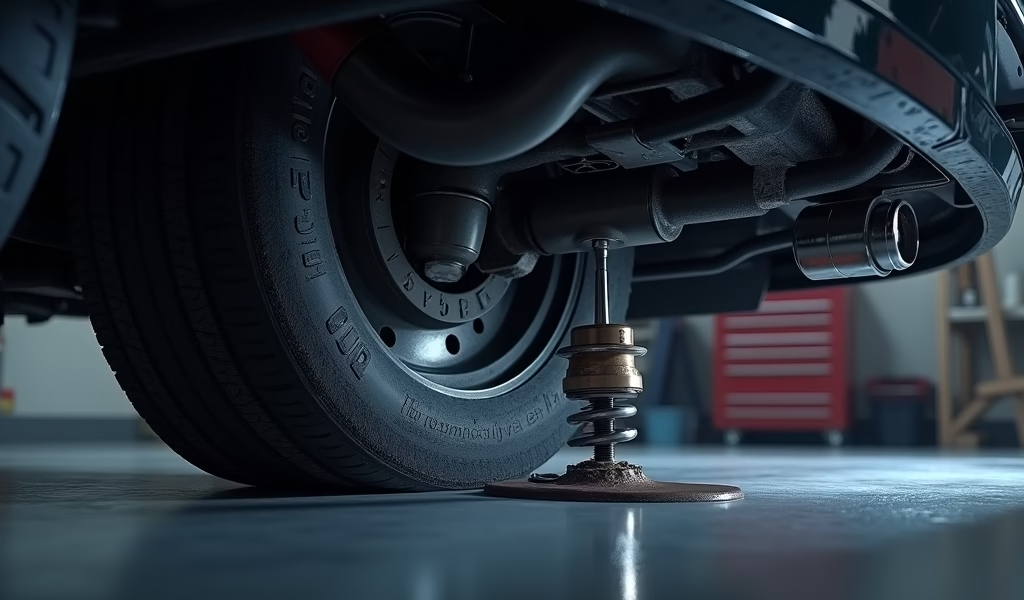
Once you’ve diagnosed air suspension problems, you have several repair paths to consider. I always present customers with these options:
Individual Component Replacement
The most straightforward approach is replacing only the failing components. If a single air spring is leaking, replacing just that unit is often the most cost-effective immediate solution. This targeted repair works well when the failure is isolated and other components show minimal wear.
However, I typically recommend replacing components in pairs (both front air springs together, for example) even when only one has failed. Components that were manufactured and installed together tend to fail around the same time. Replacing them together saves on labor costs and prevents repeated service visits.
Complete System Overhaul
For Escalades with multiple issues or systems over 7 years old, a complete system overhaul often makes more sense long-term. This includes replacing all air springs, the compressor, dryer assembly, and sometimes the control module. While initially more expensive, this “reset” of the entire system prevents the cascade of failures that often follows a single component repair in aging systems.
According to Consumer Reports reliability data, Escalade owners who opt for complete system overhauls typically report fewer follow-up issues compared to those choosing partial repairs.
Conversion to Conventional Suspension
An increasingly popular option is converting your air suspension to a conventional coil spring system. Conversion kits replace air springs with standard coil springs and struts, eliminating the possibility of future air leaks or compressor failures.
While this modification sacrifices the automatic leveling and adjustable ride height features, it provides reliable, maintenance-free operation. For higher-mileage Escalades where ongoing air suspension repairs might exceed the vehicle’s value, conversion makes practical sense. Modern conversion kits maintain much of the ride quality while eliminating the complexity and potential expense of the air system.
OEM vs. Aftermarket Parts
Each repair option above presents a further choice: using genuine Cadillac (OEM) parts or aftermarket alternatives. OEM components typically offer the most reliable performance and perfect fitment but at premium prices. Quality aftermarket options from reputable manufacturers can provide comparable performance with better warranties at lower costs.
For critical components like the compressor, I generally recommend OEM or premium aftermarket brands. For air springs, several aftermarket manufacturers now produce units that match or exceed OEM durability at significantly lower prices. The key is avoiding bargain-basement parts that often fail prematurely.
Preventing Air Suspension Issues
An ounce of prevention is worth a pound of cure—especially with complex air suspension systems. Here are my proven preventative measures:
Regular Inspection
Make visual inspection part of your routine maintenance. Every few months, take a few minutes to examine your air springs for any signs of cracking, chafing, or unusual wear. Look for oily residue that might indicate leaking fluid from the shocks that often work alongside the air springs.
The best inspection occurs with the vehicle raised, but you can check for obvious issues by using a flashlight and looking carefully around each wheel well. Pay special attention to connection points and the bellows section of each air spring.
System Maintenance
While the air suspension is largely self-contained, periodic maintenance can extend its life. Ensuring proper alignment prevents uneven wear on air springs. Keeping the undercarriage clean, especially in regions using road salt, prevents corrosion of vital components.
For vehicles with higher mileage, consider having a technician perform a software flash procedure to update the control module with the latest calibration. These updates often improve system efficiency and can reduce wear on physical components.
Environmental Protection
Whenever possible, protect your Escalade from environmental extremes. Parking in a garage shields the suspension from temperature fluctuations that accelerate aging. If garage parking isn’t available, consider a quality car cover for extended periods of non-use.
For those in cold climates, allowing your vehicle to warm up properly before driving gives the air suspension time to reach optimal operating temperature. In extremely cold weather, the rubber components become less flexible and more prone to damage if stressed immediately.
Appropriate Use
Using your Escalade’s features appropriately extends suspension life. Don’t overload beyond manufacturer specifications, as excessive weight strains the air springs and compressor. When driving over obstacles like speed bumps or entering steep driveways, reduce speed to minimize impact forces on the suspension components.
If your Escalade offers different suspension settings (like “Sport” or “Comfort” modes), use them appropriately for different driving conditions rather than leaving the system in a single setting that might cause unnecessary strain.
Cost Considerations for Repairs
Understanding the financial impact of air suspension repairs helps you prepare and make informed decisions. Here’s what to expect cost-wise:
Component-Specific Costs
Individual air springs typically cost $200-$500 each for parts alone, with labor adding another $200-$300 per corner. Since they usually fail in pairs, expect $800-$1,600 for a front or rear pair replacement.
A new compressor runs between $600-$900 for the part, plus $200-$400 for installation. The compressor is the hardest-working component in the system, so quality matters tremendously here.
Electronic control modules, when they fail, represent the most expensive single component, ranging from $700-$1,200 plus programming and installation. Thankfully, these are also among the less commonly failed parts.
Complete System Costs
Complete system replacement typically ranges from $3,000-$5,000 for parts and labor. While painful financially, this option often makes sense for owners planning to keep their Escalade for many more years.
Conversion kits to traditional suspension typically cost $700-$1,500 installed, making them an economical alternative for older vehicles.
Factors Affecting Price
Several factors influence these costs significantly. Geographic location affects labor rates substantially, with major metropolitan areas commanding premium prices. The model year matters too—newer Escalades often have more complex systems with correspondingly higher repair costs.
Dealer versus independent shop pricing can vary by 30% or more for identical repairs. Dealers typically charge higher labor rates but may have more experience with complex diagnostic issues specific to Cadillac vehicles.
Warranty Considerations
If your Escalade is still under its original warranty, suspension components may be covered. Most factory warranties cover these systems for 4 years/50,000 miles. Extended warranties sometimes include suspension systems, though often with specific limitations.
For certified pre-owned vehicles, Cadillac typically extends coverage to 6 years/70,000 miles from the original in-service date. Review your coverage carefully before authorizing repairs, as warranty coverage can save thousands.
DIY vs. Professional Repairs
For the mechanically inclined, some air suspension maintenance and repairs are possible, but there are clear boundaries to what’s practical:
DIY-Friendly Tasks
Tasks suitable for home mechanics include visual inspections, cleaning components, and simple diagnostic tests like the “soap bubble test” for leaks. Some owners successfully replace air springs themselves, though this requires mechanical aptitude and proper tools.
Basic diagnostic procedures using consumer-grade OBD-II scanners can identify some system errors, giving you information before visiting a shop. However, these tools typically can’t access the full range of suspension-specific codes available to professional equipment.
When to Call a Professional
Certain situations absolutely require professional intervention. These include any repair involving the electronic control systems, calibration procedures after component replacement, and diagnosing intermittent issues that don’t present obvious symptoms.
The safest approach is to have a professional diagnose the problem, then decide whether the repair falls within your comfort zone. Even experienced DIY mechanics often struggle with air suspension repairs due to the specialized knowledge required and the interaction between mechanical, pneumatic, and electronic systems.
Finding the Right Shop
If you decide professional repair is best, choosing the right shop makes a significant difference. Look for specialists with specific Cadillac experience rather than general repair facilities. Independent shops specializing in domestic luxury vehicles often offer the best balance of expertise and value compared to dealers.
Before authorizing work, ask potential shops about their experience with Escalade air suspension systems specifically. Ask how many they’ve serviced recently, whether they use OEM or aftermarket parts, and what warranty they offer on both parts and labor.
A quality shop will perform comprehensive system checks beyond just replacing the obviously failed component. This thorough approach prevents the frustration of addressing one issue only to have another component fail shortly after.
Conclusion
Your Cadillac Escalade’s air suspension represents both impressive engineering and a potential source of significant repair costs as the vehicle ages. By understanding how the system works, recognizing early warning signs, and taking preventative measures, you can avoid many of the expensive surprises that catch unprepared owners off guard.
Remember that proactive maintenance almost always costs less than reactive repairs. Regular inspections, addressing small issues before they escalate, and making informed decisions about repair versus replacement will maximize both your driving enjoyment and your vehicle’s longevity.
Whether you choose to maintain the original air suspension system, convert to conventional springs, or something in between, approaching these decisions with knowledge ensures the best outcome for both your vehicle and your wallet. The air suspension contributes significantly to what makes an Escalade special—that perfect balance of luxury, comfort, and capability that keeps owners loyal to the brand year after year.
With proper care and timely intervention when issues arise, your Escalade can continue delivering the premium driving experience you expect for many years to come.
Frequently Asked Questions
How long do air suspension components typically last in a Cadillac Escalade?
Most air springs last 5-7 years or 60,000-80,000 miles under normal conditions. Compressors typically last 7-10 years but can fail earlier if forced to compensate for leaks elsewhere in the system.
Can I drive my Escalade if the air suspension is leaking?
For short distances at reduced speeds, yes—but this puts extreme strain on the compressor and can lead to its failure. If you must drive with a known leak, keep trips brief and watch for warning lights.
Is it worth converting my Escalade’s air suspension to traditional springs?
For vehicles beyond warranty with multiple air suspension issues, conversion kits offer a practical, reliable solution. You’ll sacrifice the adjustable ride height and some ride quality, but gain reliability and eliminate future air suspension repairs.
Why does my Escalade only sag overnight on one corner?
Uneven sagging typically indicates a leaking air spring on the affected corner. The issue could also stem from a faulty height sensor, blocked air line, or problem with the control valve for that corner.
How much should I expect to pay for air suspension repairs?
Individual air spring replacements typically cost $400-$800 per corner installed. Complete system replacement ranges from $3,000-$5,000, while conversion to conventional springs costs $700-$1,500 installed.