
Overview
Turns out those splattered bugs aren’t just gross decorations for your car—they’re tiny acidic bombs that can permanently damage your paint job if left untreated! This article details seven effective bug removal treatments ranging from specialized removers and DIY solutions to clay bar treatments and preventative measures, emphasizing that quick action and regular maintenance are key to protecting your vehicle’s finish and resale value.
Table of Contents
- Why Bug Removal Matters More Than You Think
- Treatment 1: Specialized Bug Removers
- Treatment 2: DIY Soap Solutions
- Treatment 3: Clay Bar Treatment
- Treatment 4: Bug Splatter Sponges
- Treatment 5: Vinegar Solutions
- Treatment 6: Bug Shields and Preventative Measures
- Treatment 7: Professional Detailing
- Maintenance Tips for Ongoing Bug Battle
- Conclusion: Keeping Your Paint Pristine
- Frequently Asked Questions
We’ve all been there – cruising down the highway on a beautiful summer evening only to arrive at our destination with a front end that looks like an insect graveyard. Those sticky, splattered bugs aren’t just unsightly; they’re actually tiny corrosive bombs threatening your vehicle’s paint job. After 20+ years in the auto detailing business, I’ve seen firsthand how bug residue can transform from minor annoyance to major paint damage if left untreated.
The good news? With the right approach, you can keep your car’s finish protected from these six-legged invaders. Let me walk you through seven proven bugs on cars removal techniques that I’ve refined over thousands of detail jobs. These methods work whether you’re dealing with fresh splatter or the stubborn remains of last week’s road trip.
Why Bug Removal Matters More Than You Think
Here’s something most drivers don’t realize: bug guts are surprisingly acidic. When insects smack into your car at highway speeds, their bodily fluids contain proteins and acids that immediately begin eating away at your clear coat. Give those splats 24-48 hours in hot summer sun, and they’ll actually etch into your paint’s surface.
I’ve seen cars with permanent “bug ghosting” – faint outlines that remain visible even after the bugs are removed because the damage penetrated the clear coat. This kind of damage isn’t just cosmetic. Once your clear coat is compromised, your paint becomes vulnerable to UV damage, oxidation, and rust.
According to Consumer Reports’ automotive testing, bug splatter left untreated for just one week can cause damage requiring professional correction. That’s why prompt bugs on cars removal isn’t just about keeping up appearances – it’s about protecting one of your car’s most valuable assets: its finish.
Treatment 1: Specialized Bug Removers
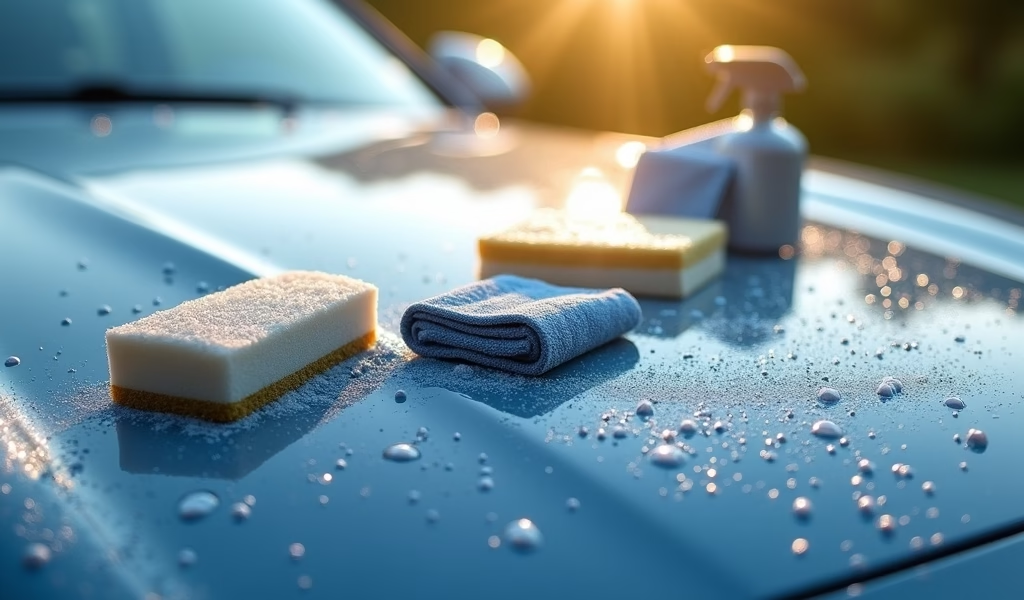
When it comes to effective bugs on cars removal, purpose-made bug removers are my first line of defense. These specialized formulas contain enzymes and surfactants designed specifically to break down insect proteins without harming your paint’s protective layers.
After testing dozens of products over the years, these three consistently outperform the competition:
- Stoner Car Care Tarminator – Works on both bugs and tar, with a spray-on formula that needs minimal dwell time
- Chemical Guys Bug Bugger – Contains citrus enzymes that dissolve bug remains while being paint-safe
- Meguiar’s Bug & Tar Remover – Offers a good balance of effectiveness and value for frequent users
The key to success with these products is proper application. Always work in a shaded area on a cool surface. Spray directly onto the affected areas, let it dwell for 60-90 seconds (but never let it dry completely), then wipe away with a clean microfiber towel using gentle pressure.
For heavily baked-on bug residue, I’ll sometimes apply the product, wait a minute, then lay a damp microfiber over the area for another minute before wiping. This extended dwell time gives the enzymes more opportunity to break down those stubborn proteins without risking paint damage from aggressive scrubbing.
Treatment 2: DIY Soap Solutions
Not everyone has specialized bug remover on hand when they need it. That’s when your kitchen cabinet comes to the rescue. I’ve used this DIY bugs on cars removal solution countless times in a pinch, and it works remarkably well on fresh bug splatter.
Here’s my tried-and-tested formula:
- 1 cup warm (not hot) water
- 2 tablespoons regular dish soap (Dawn works exceptionally well)
- 1 tablespoon baking soda for gentle abrasion
Mix these ingredients in a spray bottle and apply generously to bug-affected areas. Let the solution sit for 3-5 minutes to soften the residue, then wipe with a damp microfiber cloth using light pressure and small circular motions. The dish soap breaks down the fatty compounds in bug remains while the baking soda provides just enough grit to loosen stubborn spots without scratching.
One crucial tip: don’t let this mixture dry on your paint. Always work in sections, and rinse thoroughly when finished. I’ve seen too many DIY detailers create water spots by letting soap solutions bake onto hot surfaces.
This method works best on fresh bug splatter that hasn’t had time to bond chemically with your paint. For older, more stubborn remains, you might need to repeat the application or move to one of our stronger methods.
Treatment 3: Clay Bar Treatment
When bugs have been baked onto your paint for days or even weeks, sometimes you need to step up to clay bar treatment. Clay bars physically lift contaminants from your paint surface through mild abrasion – think of it as an exfoliating treatment for your car.
The process is straightforward but requires attention to detail:
- Wash your car thoroughly first to remove loose dirt and debris
- Spray a small section (about 2×2 feet) with clay lubricant
- Gently rub the flattened clay bar back and forth across the surface with light pressure
- Wipe away residue with a clean microfiber towel
- Move to the next section, folding the clay to expose a clean surface as needed
What makes clay bars effective for bugs on cars removal is their ability to grab and lift contaminants that have bonded to your paint. You’ll actually feel the difference as you work – the clay glides more smoothly as the surface becomes cleaner.
Clay bars come in different grades from fine to aggressive. For bug removal, start with a fine or medium clay bar. Only move to aggressive clay if absolutely necessary, as it removes more clear coat. After claying, I always recommend applying a fresh coat of wax or sealant since the process removes your existing protection.
Treatment 4: Bug Splatter Sponges
Bug sponges might look like ordinary cleaning tools, but they’re engineered specifically for safe bugs on cars removal. These specialized sponges feature a unique mesh-like surface that removes bug residue without scratching your paint.
The best bug sponges I’ve used include:
- The Original Bug Sponge by Chemical Guys
- Mothers Bug & Tar Remover Sponge
- Viking Bug & Tar Sponge
To use these effectively, thoroughly soak the sponge in water first (this activates the cleaning mesh and prevents scratching), then use with your regular car wash soap or specialized bug remover. Apply gentle pressure in a back-and-forth motion rather than circular, which can create swirl marks.
What sets quality bug sponges apart is their ability to remove stubborn residue without requiring excessive pressure. The slightly abrasive texture does the work for you, lifting away bug proteins that have bonded to your paint while minimizing the risk of scratching or marring the finish.
I particularly like using these during regular washes when I encounter just a few bug splats rather than a full-blown insect apocalypse. Keep one in your wash bucket as a dedicated bug removal tool, separate from your regular wash mitt to avoid cross-contamination.
Treatment 5: Vinegar Solutions
Sometimes the oldest remedies are the most effective. White vinegar has been my secret weapon for bugs on cars removal for years, especially for those dealing with sensitive paint finishes or who prefer chemical-free cleaning solutions.
Here’s my go-to vinegar formula:
- 3 parts distilled water
- 1 part white vinegar
- 5-6 drops of dish soap
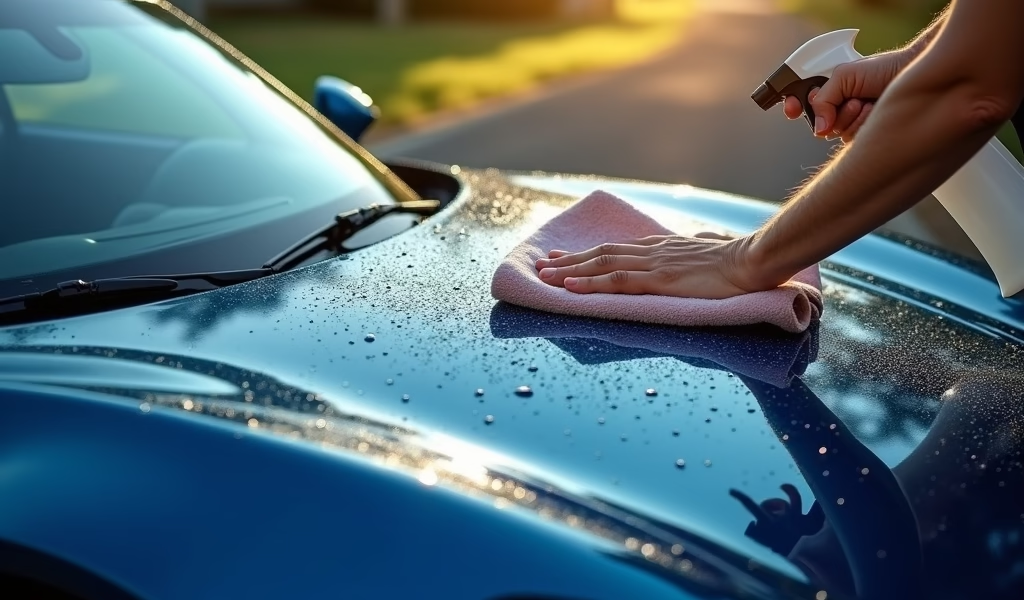
Mix in a spray bottle and apply to bug-affected areas. The science here is fascinating – the acetic acid in vinegar helps neutralize the alkaline proteins in bug remains, making them easier to remove. Meanwhile, the dish soap acts as a surfactant to lift and encapsulate the broken-down residue.
Let this solution dwell for 1-2 minutes (never longer, especially in direct sunlight), then wipe with a damp microfiber towel. For stubborn spots, reapply and gently work the area with a soft detailing brush using light, circular motions.
One important caveat: while effective, vinegar is still acidic. Always rinse thoroughly after use and avoid contact with rubber trim, plastic components, or window tint edges, which can be sensitive to acid exposure. And yes, your car might smell faintly like pickles for a bit – a small price to pay for chemical-free cleaning!
Treatment 6: Bug Shields and Preventative Measures
After years of helping customers deal with bug damage, I’ve become a firm believer that prevention trumps removal every time. Implementing protective measures can dramatically reduce how many bugs stick to your paint in the first place.
Here are my top preventative recommendations:
- Clear Paint Protection Film (PPF) – Applied to front bumpers, hoods, and mirrors, this transparent film creates a sacrificial barrier between bugs and your paint. Modern films are self-healing and can last 5-10 years.
- Ceramic Coatings – Professional-grade ceramic coatings create an extremely slick surface that makes it harder for bug residue to bond to your paint. These typically last 2-5 years depending on quality and maintenance.
- Regular Waxing – A fresh coat of carnauba wax or synthetic sealant every 2-3 months creates a protective layer that makes bugs easier to remove before they can damage paint.
- Bug Deflectors – These aftermarket accessories redirect airflow to push insects up and over your vehicle rather than directly into your paint.
Many of my customers who regularly drive through bug-heavy areas have found that investing in quality paint protection pays for itself by reducing cleaning time and preventing expensive paint correction down the road. According to the Insurance Institute for Highway Safety, maintaining your vehicle’s exterior can also preserve resale value by up to 10%.
If you’re planning a road trip through bug country, consider applying a fresh coat of spray wax beforehand. This temporary sacrificial layer makes post-trip bugs on cars removal significantly easier and provides an extra barrier of protection during your journey.
Treatment 7: Professional Detailing
Sometimes, despite our best efforts, bug damage becomes severe enough to warrant professional attention. As a detailer, I’ve rescued countless vehicles from situations where DIY methods simply weren’t enough. Here’s when I recommend seeking professional bugs on cars removal services:
- When bug residue has caused visible etching in your clear coat
- After extended road trips resulting in extensive bug accumulation
- For exotic or matte finishes that require specialized handling
- When you want to combine bug removal with comprehensive paint correction
Professional detailers have access to commercial-grade products, steam cleaners, and specialized polishing equipment that can safely remove bug residue without compromising your paint. Many shops offer tiered packages ranging from basic bug removal (typically $50-75) to complete front-end detailing with paint correction (which can range from $150-300 depending on vehicle size and condition).
If you’re considering professional service, ask specifically about their bug removal process. Quality shops will describe a multi-step approach that includes pre-soaking with specialized cleaners, careful mechanical removal, and follow-up paint protection. Professional detailing isn’t just about removing bugs – it’s about restoring and preserving your paint’s integrity.
For vehicles with significant bug damage, combining professional removal with the application of a ceramic coating can be a wise investment, creating a comprehensive solution that addresses current damage while preventing future issues.
Maintenance Tips for Ongoing Bug Battle
Having covered our seven primary treatments, I want to share some practical maintenance tips that will make bugs on cars removal easier over the long term. These are habits I’ve developed after years of dealing with every imaginable bug situation:
- Time your travels wisely – Insect activity peaks at dawn and dusk. When possible, plan road trips during mid-day when bug populations are less active.
- Implement the 24-hour rule – Never let bug residue sit longer than 24 hours if possible. The difference between removing 1-day-old bugs versus 3-day-old bugs is dramatic.
- Create a bug removal kit – Keep a spray bottle of diluted bug remover, a few microfiber towels, and a small bug sponge in your trunk for immediate spot treatment during road trips.
- Pre-treat before washing – Always apply bug remover and let it dwell for a few minutes before attempting to wash bug-affected areas with your regular soap.
- Use the two-bucket method – Keep your wash solution clean by using separate rinse and soap buckets during the washing process.
- Wash front to back – Always start washing at the front of your vehicle where bugs accumulate, so you’re not dragging dissolved bug residue across clean paint.
I also recommend seasonal preparation. As we enter spring and summer when bug populations explode, apply a fresh coat of sealant or wax to create that sacrificial barrier. Many of my most car-conscious customers schedule a thorough detail with paint protection every spring specifically to prepare for bug season.
Remember that consistency trumps intensity – regular, gentle maintenance prevents the need for aggressive removal techniques that might damage your paint. Five minutes of bug removal after each drive is far better than an hour of scrubbing baked-on residue every few weeks.
Conclusion: Keeping Your Paint Pristine
After two decades in the detailing business, I’ve learned that effective bugs on cars removal isn’t just about having the right products – it’s about having the right approach. From specialized bug removers to simple vinegar solutions, each method we’ve discussed has its place in your vehicle care arsenal.
The key takeaway? Act quickly and be gentle. Bug splatter is most dangerous when left untreated, so prompt attention with the appropriate method will keep your finish looking showroom-fresh regardless of how many flying critters decide to make your front end their final destination.
Whether you choose DIY methods or professional services, remember that bug removal isn’t just cosmetic – it’s protective maintenance that preserves your vehicle’s value and appearance. By incorporating these seven proven treatments into your regular care routine, you’ll ensure your paint remains pristine through every road trip and daily commute.
Next time you’re facing down an insect graveyard on your front bumper, you’ll have the knowledge and techniques to handle it like a pro. Your car’s paint (and its resale value) will thank you for it.
Frequently Asked Questions
How quickly should I remove bugs from my car?
Ideally within 24 hours of exposure. Bug residue becomes increasingly difficult to remove and more likely to cause permanent damage the longer it sits on your paint.
Can WD-40 remove bugs from car paint?
Yes, WD-40 can help remove fresh bug splatter, but it’s not ideal for regular use as it doesn’t contain cleaners. Use it sparingly in emergencies and wash the area thoroughly afterward.
Will automatic car washes remove bug splatter?
Standard automatic car washes rarely remove baked-on bug residue completely. They lack the dwell time and specialized cleaners needed for effective bugs on cars removal.
Can bug splatter permanently damage car paint?
Absolutely – the acidic compounds in bug remains can etch through clear coat and into base paint if left untreated. Permanent “ghosting” or etching is common with neglected bug splatter.
How can I prevent bugs from sticking to my car?
Apply a quality wax, sealant or ceramic coating to create a slick, protective surface. Consider installing a clear bra (PPF) or aftermarket bug deflector for high-exposure areas.