
Overview
Ever wondered what happens when your trailer decides it needs a solo road trip? This guide offers seven essential maintenance tips for trailer breakaway switches—including regular inspections, battery care, cable checks, functional testing, weather protection, professional evaluations, and timely replacement—to ensure this critical safety system functions properly when you need it most.
Table of Contents
- Understanding Breakaway Switches: Your Trailer’s Safety Net
- Tip 1: Make Regular Visual Inspections a Habit
- Tip 2: Maintain Your Breakaway Battery
- Tip 3: Check Cables and Connections
- Tip 4: Test the Switch Mechanism Regularly
- Tip 5: Protect Your Switch from Weather Damage
- Tip 6: Schedule Professional Inspections
- Tip 7: Know When to Replace Your Breakaway Switch
- Conclusion
- Frequently Asked Questions
If you tow a trailer, a properly functioning breakaway switch isn’t just a nice-to-have—it’s an absolute necessity. This small but mighty device serves as your last line of defense if your trailer decides to part ways with your tow vehicle. As a mechanic with over 15 years of experience, I’ve seen firsthand how this simple component can prevent catastrophic accidents on the highway.
Breakaway switch operation is surprisingly straightforward, but proper maintenance is crucial. Think of it as insurance you hope never to use, but will be eternally grateful for if needed. Let’s dive into the essentials of keeping this vital safety system in top condition.
Understanding Breakaway Switches: Your Trailer’s Safety Net
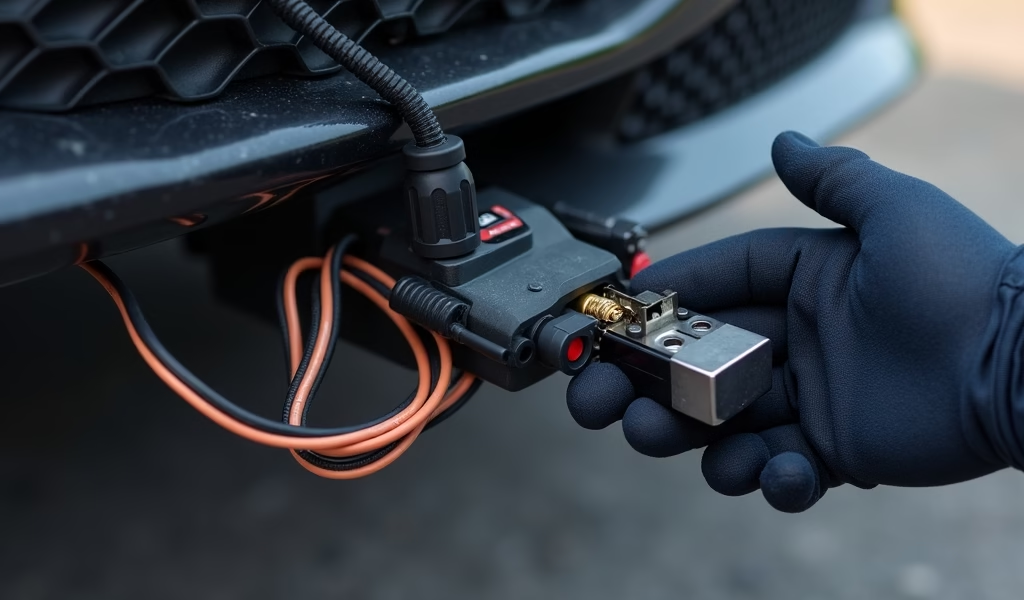
A breakaway switch is essentially an emergency braking system for your trailer. If your trailer separates from your tow vehicle while driving, the breakaway switch activates the trailer’s brakes automatically, bringing it to a stop before it can become a runaway hazard.
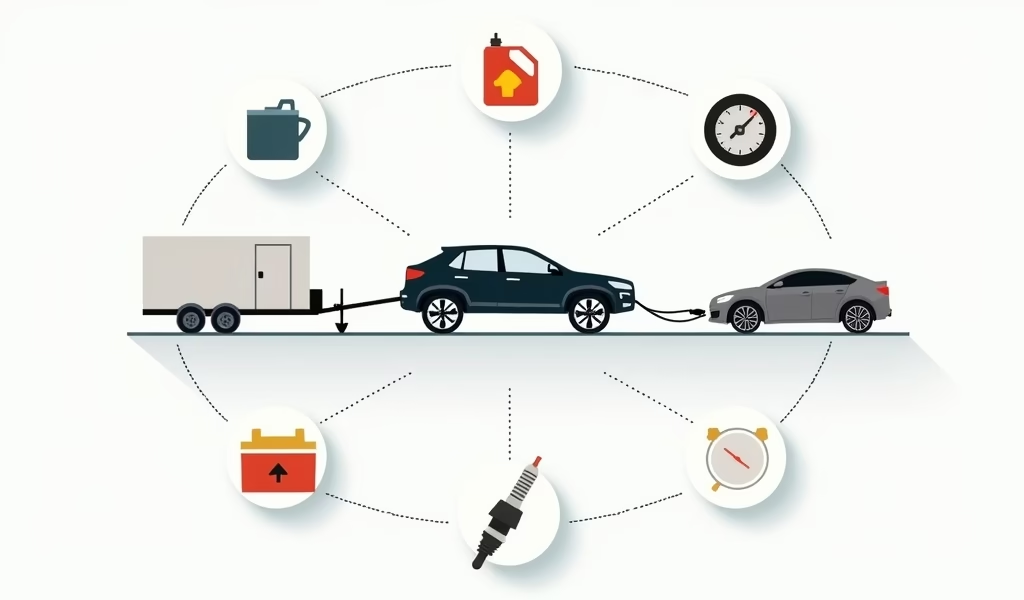
The system consists of three main components: the switch itself (mounted on the trailer), a battery (providing power to activate the brakes), and a cable (connecting the switch to your tow vehicle). When your trailer detaches unexpectedly, the cable pulls a pin from the switch, completing an electrical circuit that engages the trailer brakes.
There are two primary types of breakaway systems:
- Electric breakaway switches (most common) – Used with electric trailer brakes
- Hydraulic breakaway switches – Used with hydraulic or surge brakes
It’s worth noting that breakaway switches aren’t just a good idea—they’re mandated by law in most states for trailers exceeding certain weight limits (typically 3,000 pounds). According to the National Highway Traffic Safety Administration, proper trailer brake systems are essential for highway safety and preventing traffic fatalities.
Tip 1: Make Regular Visual Inspections a Habit
The first step in maintaining your breakaway switch is simply looking at it regularly. I recommend a quick visual inspection before every trip, which takes less than a minute but can prevent major headaches down the road.
During your inspection, check for:
- Visible damage to the switch housing
- Corrosion on electrical connections
- Frayed or damaged cables
- Secure mounting (no loose hardware)
- Clean, unobstructed mechanism
Pay special attention to the pin and its housing. This small component is the heart of the system, and it needs to move freely while still staying secure when inserted. If you notice any issues, address them before hitting the road.
For weekend warriors, checking before each trip is sufficient. For those who tow frequently or professionally, I suggest a quick check at every fuel stop and a more thorough inspection weekly. Remember, this simple habit could literally save lives.
Tip 2: Maintain Your Breakaway Battery
Your breakaway system’s battery is its lifeblood. Without a charged battery, the system becomes useless in an emergency. This dedicated battery operates independently from your vehicle’s electrical system, ensuring the trailer can stop even if all other power is lost.
Here’s a simple testing procedure I recommend performing monthly:
- Locate your breakaway switch (typically on the trailer tongue)
- Pull the pin to activate the system
- Listen for the electric brakes engaging (a distinct humming sound)
- Try to push the trailer slightly – it should resist movement
- Replace the pin to deactivate the system
If your trailer moves freely with the pin pulled, your battery likely needs charging or replacement. Use a voltmeter to check the battery’s charge level – a healthy 12-volt battery should read at least 12.4 volts.
Most manufacturers recommend replacing breakaway batteries every 3-5 years, but environmental factors can significantly reduce their lifespan. If you store your trailer in extreme temperatures, check the battery more frequently. Consider checking all your vehicle fluids including brake fluid at the same time to establish a maintenance routine.
For longer storage periods, a trickle charger can help maintain battery health. Some newer trailers feature built-in charging systems that draw power from your tow vehicle while driving, keeping the breakaway battery topped up.
Tip 3: Check Cables and Connections
The breakaway cable is the trigger for your emergency system, making its condition critical to proper operation. This cable connects your tow vehicle to the breakaway switch pin, and if it fails, your safety system becomes useless.
When inspecting your breakaway cable:
- Look for fraying or damage along the entire length
- Ensure proper cable length – too long and it might drag; too short and it could fail to activate
- Verify secure attachment points at both the switch and tow vehicle
- Check that the cable is routed away from moving parts or sharp edges
The ideal cable length allows normal turning and maneuvering without tension, but activates before the trailer completely separates during an accidental detachment. Most experts recommend a length that allows the pin to be pulled when the trailer is about 2-3 feet from full separation.
Connection points deserve special attention. Corrosion is the enemy of electrical reliability, so clean any visible corrosion with a wire brush and electrical contact cleaner. A light coat of dielectric grease on connections can prevent future corrosion issues, especially if you tow in wet or coastal environments.
Tip 4: Test the Switch Mechanism Regularly
Beyond visual inspections, regular functional testing ensures your breakaway system will perform when needed. I recommend a full operational test at least quarterly and before any long trip or haul.
Here’s my preferred testing procedure:
- Securely chock your trailer wheels to prevent movement
- Disconnect from your tow vehicle
- Pull the breakaway pin
- Attempt to move the trailer by hand – it should resist movement
- Listen for the electric brakes engaging
- Reinsert the pin and confirm the brakes disengage
If your trailer moves easily with the pin pulled, troubleshoot by checking the battery charge, electrical connections, and brake controller settings. For electric brake systems, you can use a multimeter to verify the switch is completing the circuit when activated.
Remember that proper brake maintenance extends to your trailer too. A functioning breakaway switch won’t help much if your trailer brakes themselves are worn or poorly adjusted. Consider performing a complete trailer brake inspection when testing your breakaway system.
Tip 5: Protect Your Switch from Weather Damage
Environmental conditions can significantly impact your breakaway switch’s reliability and lifespan. Exposure to rain, snow, road salt, and extreme temperatures takes a toll on both the mechanical and electrical components of the system.
In regions where road salt is common during winter, corrosion becomes a major concern. After winter travels, give your breakaway system a thorough freshwater rinse to remove salt residue. A light coating of marine-grade silicone spray on metal components can provide additional protection without interfering with the mechanism.
For trailers stored outdoors, consider these seasonal precautions:
- Winter: Apply dielectric grease to electrical connections and consider a weatherproof cover
- Summer: Check for heat damage to wiring insulation and plastic components
- Rainy seasons: Ensure proper drainage around the switch to prevent water pooling
For added protection, some trailer owners install a small protective cover or box over their breakaway switch assembly. These inexpensive shields help extend component life by blocking direct exposure to precipitation and debris. Just ensure any cover doesn’t interfere with the switch operation or cable movement.
Tip 6: Schedule Professional Inspections
While DIY maintenance is valuable, having a professional examine your breakaway system periodically provides an extra layer of security. Certified mechanics have specialized equipment and expertise to catch issues you might miss.
I recommend scheduling professional inspections:
- Annually for recreational users
- Every 6 months for commercial or heavy-use trailers
- After any incident or accident involving the trailer
- When you notice any unusual performance in the trailer braking system
Professional inspections typically include load testing the battery, checking amperage draw, verifying correct brake controller settings, and inspecting the entire brake system. Technicians can also properly bleed the brake system if you have hydraulic trailer brakes.
The modest cost of professional inspection (typically $50-$100) is insignificant compared to the potential costs of system failure. Most RV service centers, trailer dealerships, and many automotive shops offer trailer brake system inspections. According to the Federal Motor Carrier Safety Administration, properly maintained brake systems are critical for preventing commercial vehicle accidents.
Tip 7: Know When to Replace Your Breakaway Switch
Even with diligent maintenance, breakaway switches don’t last forever. Knowing when to replace yours can save you from discovering its failure during an emergency.
Consider replacement when you notice:
- Inconsistent operation during testing
- Visible damage or excessive corrosion
- Difficulty inserting or removing the pin
- A switch that’s more than 10 years old
- Switches with outdated technology or features
When selecting a replacement, look for improved features like built-in battery test buttons, LED indicators, or enhanced weatherproofing. Modern switches often offer better reliability and easier maintenance than older models.
Installation is fairly straightforward for most DIY-minded trailer owners, but don’t cut corners on quality. Expect to spend $30-$100 for a quality switch, plus the cost of a new battery if needed. If you’re not comfortable with electrical work, professional installation typically runs $50-$100 and ensures everything is connected correctly.
Remember that proper installation is just as important as the quality of the switch itself. Follow manufacturer guidelines for mounting location, wiring connections, and testing procedures.
Conclusion
Your trailer’s breakaway switch is a crucial safety component that deserves regular attention and maintenance. By following these seven essential tips, you’re not just maintaining a piece of equipment—you’re protecting yourself and everyone who shares the road with you.
Proper breakaway switch operation relies on regular inspections, battery maintenance, cable checks, functional testing, weather protection, professional evaluations, and timely replacement. None of these tasks are particularly difficult or time-consuming, but they make an enormous difference in emergency situations.
Remember, the time to discover problems with your breakaway system isn’t during an actual emergency. Make these maintenance practices part of your regular trailer care routine, and you’ll tow with confidence knowing your safety system is ready if you ever need it.
Safe travels from all of us here at Knows Your Car—where we believe an ounce of prevention is worth a ton of roadside peace of mind.
Frequently Asked Questions
How often should I test my trailer’s breakaway switch?
Test your breakaway switch at least quarterly and before any major trip. Monthly testing is ideal for frequently used trailers or commercial applications.
How long do breakaway switch batteries typically last?
Most breakaway batteries last 3-5 years under normal conditions. Environmental factors like extreme temperatures can significantly reduce battery lifespan.
Can I use my tow vehicle to charge my breakaway battery?
Yes, many newer trailers feature charging systems that draw power from your tow vehicle while driving. Aftermarket charging systems are also available for trailers without this feature.
Are breakaway switches legally required?
Yes, most states require functioning breakaway systems on trailers exceeding certain weight limits, typically 3,000 pounds. Check your local regulations for specific requirements.
What happens if my breakaway switch activates while I’m driving?
If your breakaway switch activates while driving, your trailer brakes will engage suddenly. Maintain control of your vehicle, gradually slow down, and pull over safely to inspect the system.