
Overview
Much like the hidden blood vessels in your body, your car’s brake lines quietly carry vital fluid throughout your braking system, yet their health often goes unnoticed until a potentially dangerous failure occurs. Regular brake line inspections—recommended annually or every 12,000 miles—can not only prevent catastrophic brake failures that compromise safety but also save you hundreds of dollars by catching minor issues before they escalate into emergency repairs requiring complete system replacement.
Table of Contents
- Understanding Brake Lines: The Lifeline of Your Stopping Power
- The Importance of Regular Brake Line Inspection
- Signs Your Brake Lines Might Be in Trouble
- DIY Brake Line Inspection Guide: What to Look For
- When to Get a Professional Brake Line Inspection
- Preventative Maintenance Tips for Longer-Lasting Brake Lines
- Cost Comparison: Regular Inspection vs. Emergency Repairs
- Safety Considerations: Why You Shouldn’t Ignore Brake Line Health
- Conclusion: Protecting Your Safety and Your Wallet
- Frequently Asked Questions
Understanding Brake Lines: The Lifeline of Your Stopping Power
Ever wondered what actually happens when you press your brake pedal? Your car doesn’t just magically slow down – there’s a whole hydraulic system working behind the scenes, and brake lines are the unsung heroes of this operation. As a mechanic who’s seen the consequences of neglected brake systems firsthand, I can tell you that regular brake line inspection isn’t just another item on your maintenance checklist – it’s essential for your safety and your wallet.
Brake lines are the crucial pathways that carry brake fluid from your master cylinder to your wheel cylinders or calipers. When you press the brake pedal, this fluid creates the hydraulic pressure needed to activate your brakes and bring your vehicle to a stop. Think of them as the blood vessels of your car’s braking system – if they fail, the whole system fails.
Most vehicles use steel brake lines for the main runs, with flexible rubber hoses (often called brake hoses) connecting to the wheels to accommodate suspension movement. Over time, exposure to road salt, moisture, debris, and simply age can cause these lines to corrode, leak, or even rupture. The result? At best, reduced braking efficiency. At worst, complete brake failure when you need them most.
A proper brake inspection routine that includes thorough brake line checks can save you from these nightmare scenarios. Let’s dive deeper into why this often-overlooked maintenance item deserves your attention.
The Importance of Regular Brake Line Inspection
If I had a dollar for every time a customer told me “I had no idea my brake lines were in such bad shape,” I’d have enough to retire early. The truth is, most people don’t think about their brake lines until something goes wrong – and by then, it’s often too late and much more expensive to fix.
Regular brake line inspection is crucial for several compelling reasons:
- Safety is paramount – brake failure at highway speeds or in emergency situations can be catastrophic
- Early detection of small issues prevents more extensive and expensive damage
- Maintaining optimal braking performance ensures your vehicle responds as expected
- Most brake line failures develop gradually, giving you time to address them if you’re checking regularly
- Proper maintenance extends the lifespan of your entire braking system
According to the National Highway Traffic Safety Administration, brake-related problems contribute to approximately 22% of accidents caused by vehicle failure. Many of these could be prevented with regular inspections.
The frequency of brake line inspections should align with your overall brake maintenance guide. As a general rule, I recommend having your brake lines inspected at least once a year or every 12,000 miles. However, if you drive in areas with harsh winters where road salt is used, or in coastal regions where salt air is present, you might need more frequent checks – perhaps every six months.
Remember, the cost of prevention is always lower than the cost of repair after failure. A routine brake line inspection might cost you $50-100 as part of a broader brake service, but replacing damaged lines after they’ve failed could run into hundreds or even thousands, not to mention the potential safety implications.
Signs Your Brake Lines Might Be in Trouble
Your vehicle is pretty good at telling you when something’s wrong – if you know what to look for. When it comes to brake line problems, catching the warning signs early can make all the difference. Here are the tell-tale signals that should have you scheduling a brake line inspection right away:
Visible Brake Fluid Leaks
Noticed a small puddle of clear to amber-colored fluid under your car? That’s likely brake fluid, and it’s a definite red flag. Brake fluid should never leak from a healthy system. Even small leaks indicate a breach somewhere in your brake lines or connections that needs immediate attention.
A quick check you can do at home: look for wet spots along your brake lines or around fittings, especially near the wheels. The fluid will feel slippery between your fingers (though I don’t recommend touching it directly – it’s mildly toxic and can damage paint).
Spongy or Soft Brake Pedal
If your brake pedal feels softer than usual or sinks closer to the floor before engaging, this could indicate air in the brake lines due to a small leak. Air compresses much more easily than brake fluid, creating that spongy feeling when you press the pedal.
This symptom sometimes comes and goes before becoming permanent, which makes it particularly dangerous. One day your brakes might feel fine, and the next they could be compromised. Don’t ignore intermittent sponginess – it’s usually a progressive problem.
Brake Warning Light
Modern vehicles have brake fluid level sensors that will trigger a warning light when fluid levels drop. If your brake warning light comes on, check your brake fluid reservoir immediately. A dropping fluid level without any recent brake work suggests a leak in the system.
Increased Stopping Distance
Find yourself needing more road to stop than usual? When brake lines develop problems, brake fluid pressure can’t be distributed properly, resulting in reduced braking efficiency. This is particularly dangerous because it often develops gradually, and you might unconsciously adapt to it without realizing your brakes are deteriorating.
Pulling to One Side When Braking
If your car pulls to one side when you apply the brakes, it could indicate a brake line issue affecting one side of the vehicle more than the other. This happens when pressure can’t be evenly distributed, causing uneven braking force between the left and right sides.
Any of these symptoms warrant immediate attention. Don’t wait for your next scheduled brake service if you notice these warning signs. The safety of you and your passengers depends on properly functioning brake lines.
DIY Brake Line Inspection Guide: What to Look For
While some brake system components require specialized tools or knowledge to inspect, you can actually do a preliminary brake line check in your driveway with just a flashlight and a bit of patience. Here’s how to perform a basic brake line inspection:
Safety First
Before you start, make sure your car is parked on a level surface with the engine off and the parking brake engaged. Ideally, the car should be cool (not recently driven) to avoid burns from hot components.
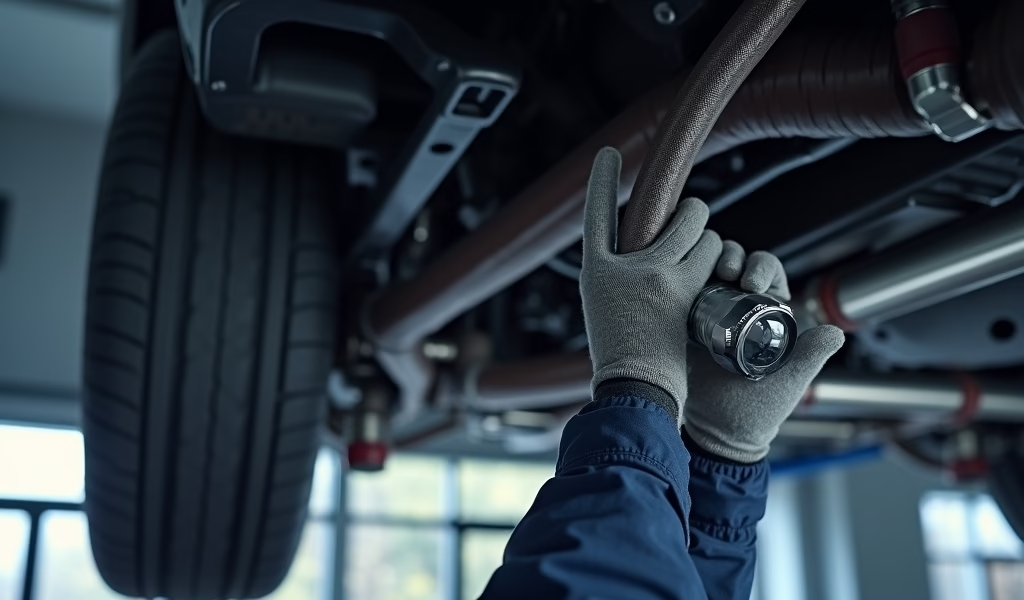
For a better view, you might need to jack up your vehicle and secure it on jack stands, but much of the inspection can be done by simply looking underneath with a flashlight. Never rely solely on a jack to hold up your vehicle while you’re underneath it.
Follow the Lines
Trace the brake lines from the master cylinder (located near the brake fluid reservoir under the hood) as they run down to each wheel. Steel lines typically run along the frame, while flexible hoses connect to the wheels.
- Look for rust, especially at bends and connection points
- Check for wet spots or staining that might indicate seepage
- Examine line brackets to ensure they’re secure
- Pay attention to any areas where the lines might rub against other components
Inspect Flexible Hoses
Rubber brake hoses are particularly vulnerable to damage. Look for:
- Cracks, bulges, or swelling in the rubber
- Twisted or kinked hoses that could restrict flow
- Chafing or wear marks where hoses might contact suspension parts during movement
- Leaks or wetness, especially at end fittings
Check Connection Points
Leaks often start at connections between components:
- Look for moisture or staining around fittings where steel lines connect to flexible hoses
- Check connections at the master cylinder, ABS unit (if equipped), and brake calipers or wheel cylinders
- Inspect for corrosion or damage to fittings
Test Brake Fluid Level and Condition
Your brake fluid reservoir should be checked regularly:
- Fluid level should be between the “MIN” and “MAX” marks
- The fluid should be clear to amber in color (dark brown indicates contamination and need for replacement)
- If the level has dropped noticeably since your last check with no recent brake work, suspect a leak
As Car and Driver explains, brake fluid absorbs moisture over time, which can lead to corrosion inside your brake lines. This is why regular fluid changes are also important for brake line health.
While this DIY inspection can catch obvious issues, it’s not a substitute for professional evaluation. Some problems might only be visible when the vehicle is on a lift, and testing the actual brake line pressure requires specialized equipment. Consider this DIY check a supplement to, not a replacement for, professional inspections.
When to Get a Professional Brake Line Inspection
While DIY checks are valuable for catching obvious problems, there are definitely times when you should leave brake line inspection to the professionals. As someone who’s worked on thousands of braking systems, I can tell you that some issues only reveal themselves to trained eyes with proper equipment.
Here’s when you should definitely seek professional brake line inspection:
During Regular Service Intervals
Most mechanics will perform a basic brake system check during regular service intervals. However, specifically request a thorough brake line inspection if:
- Your vehicle is over 5 years old
- You drive in areas where road salt is commonly used
- You’ve noticed any changes in braking performance
- Your car has been sitting unused for extended periods
After Purchasing a Used Vehicle
Previous owners may not have kept up with maintenance, especially for hidden components like brake lines. A thorough inspection gives you a baseline and peace of mind about your new purchase’s safety.
Before Long Road Trips
The last thing you want is brake line failure hundreds of miles from home. A pre-trip inspection can identify potential issues before they become emergencies in unfamiliar territory.
After Driving Through Floods or Deep Water
Exposure to deep water can accelerate corrosion in brake components, especially if the water contained salt. A professional check after such incidents can identify early corrosion before it becomes dangerous.
What a Professional Inspection Includes
A thorough professional brake line inspection typically includes:
- Visual inspection of all brake lines with the vehicle on a lift
- Pressure testing to check for slow leaks that might not be visible
- Inspection of brake line mounting points and brackets
- Testing of brake fluid for contamination and proper boiling point
- Evaluation of brake line routing for potential rubbing or heat exposure issues
Most reputable shops charge between $50-100 for a comprehensive brake inspection that includes brake lines. Some may offer free inspections if you’re already having other brake work done. Always ask for a detailed report of findings, including photos if possible, so you understand exactly what condition your brake lines are in.
Preventative Maintenance Tips for Longer-Lasting Brake Lines
An ounce of prevention is worth a pound of cure, and nowhere is this more true than with brake lines. Here are my tried-and-true tips for extending the life of your brake lines and avoiding costly repairs:
Regular Underbody Washing
If you live in an area where roads are salted during winter, get in the habit of washing your car’s undercarriage regularly during and after salt season. Many car washes offer underbody spray options specifically for this purpose.
Salt accelerates corrosion dramatically, and a simple rinse can add years to your brake lines’ lifespan. Consider this: I’ve seen 3-year-old vehicles from northern states with severely corroded brake lines, while similar vehicles from southern states often go 10+ years without issues.
Change Brake Fluid on Schedule
Brake fluid is hygroscopic, meaning it absorbs moisture from the air over time. This moisture promotes internal corrosion of brake lines from the inside out. Most manufacturers recommend changing brake fluid every 2-3 years, regardless of mileage.
Fresh fluid not only improves braking performance but also helps prevent internal corrosion of your brake lines. It’s one of the most overlooked maintenance items that can significantly extend your brake system’s life.
Protective Coatings
If you’re serious about preventing brake line corrosion, consider having a professional apply a protective coating to exposed metal brake lines. Products specifically designed for this purpose create a barrier against moisture and road salts.
Some newer vehicles come with brake lines that have a protective plastic coating, but older vehicles and replacement lines may benefit from aftermarket protection. This is particularly worthwhile if you plan to keep your vehicle for many years.
Address Minor Issues Promptly
If you spot a small amount of rust on a brake line during inspection, don’t ignore it. Surface rust can be treated before it penetrates the line and causes failure. Similarly, loose brackets or slight rubbing against other components should be addressed immediately before they create weak spots.
Remember that brake line failure rarely happens suddenly without warning signs. Regular inspection allows you to catch and address minor issues before they develop into major problems.
Upgrade When Replacing
If you do need to replace brake lines, consider upgrading to stainless steel lines which offer superior corrosion resistance. While more expensive initially, they often last the lifetime of the vehicle in most environments, making them cost-effective in the long run.
For the flexible sections, high-quality reinforced lines can provide better durability than standard rubber hoses. These upgrades are particularly worthwhile in harsh environments or for vehicles you plan to keep long-term.
Cost Comparison: Regular Inspection vs. Emergency Repairs
Let’s talk dollars and sense. As a mechanic who’s handled countless brake line issues, I’ve seen the financial impact of both preventative maintenance and emergency repairs. The numbers tell a compelling story about why regular brake line inspection makes economic sense.
The Cost of Prevention
Regular brake line inspections typically cost:
- Basic visual inspection during routine maintenance: Often included at no extra charge
- Dedicated brake system inspection: $50-100
- Brake fluid flush (recommended every 2-3 years): $80-150
- Early-stage single brake line section replacement: $150-300
These preventative costs are predictable and can be planned for as part of regular maintenance.
The Cost of Emergency Repairs
When brake lines fail completely, the costs quickly escalate:
- Complete brake line replacement (often necessary when one section fails): $400-1,000+
- Emergency roadside assistance/towing: $75-200
- Additional repairs from collateral damage if failure causes an accident: Potentially thousands
- Lost wages from unplanned time off work: Varies
- Rental car during extended repairs: $40-80 per day
Beyond these direct costs, there are also the incalculable costs of stress, inconvenience, and potential safety risks to you and your passengers.
The Real-World Savings
Consider this typical scenario I’ve seen play out countless times:
Driver A gets regular brake inspections. During a routine check, the mechanic notices early corrosion on a brake line section. The repair costs $200, takes two hours, and is scheduled at the driver’s convenience.
Driver B skips regular inspections. A brake line suddenly fails while driving, requiring emergency towing ($150), complete replacement of all rusted lines ($800), emergency labor rates, three days without a vehicle, and rental car costs ($160). Total: over $1,100, plus the stress and danger of unexpected brake failure.
The financial case for prevention is clear. Regular inspection and maintenance not only save money but also provide peace of mind that your vehicle will stop safely when needed.
Safety Considerations: Why You Shouldn’t Ignore Brake Line Health
I’ve spent decades working on cars, and if there’s one system I never compromise on, it’s the brakes. Let’s talk about why brake line health is quite literally a life-or-death matter.
The Physics of Brake Failure
When a brake line fails, it typically doesn’t happen gradually during driving – it’s sudden and complete. Here’s what happens:
- A small hole or crack develops in a brake line
- When you press the brake pedal, high-pressure fluid escapes through this opening
- Hydraulic pressure drops throughout the system
- Your brake pedal goes to the floor with little or no resistance
- Stopping distance increases dramatically or braking becomes impossible
At highway speeds, this can be catastrophic. Without properly functioning brake lines, even the most expensive, high-performance brake pads and rotors become useless pieces of metal.
Partial vs. Complete System Failure
Modern vehicles are designed with dual-circuit brake systems, meaning a failure in one part of the system shouldn’t cause total brake loss. However, this safety feature has limitations:
With a brake line failure, you might retain 40-60% of your braking capacity in ideal conditions. But this reduced capacity may not be enough in emergency situations, and the pedal feel will be dramatically different, often causing driver confusion in already stressful situations.
According to a study from the Insurance Institute for Highway Safety, brake system failures contribute significantly to accident severity even when they don’t directly cause the initial collision.
Vulnerable Populations and Situations
Brake line failures are particularly dangerous in certain contexts:
- Mountain driving or steep descents where brakes are used heavily
- Heavy traffic situations requiring frequent stopping
- Vehicles carrying children or elderly passengers who may be more vulnerable in accidents
- Commercial vehicles or those towing trailers where stopping distances are already increased
The safety implications extend beyond just your vehicle. A brake failure can put others on the road at risk, potentially leading to multi-vehicle accidents in traffic situations.
The Peace of Mind Factor
Beyond the tangible safety benefits, there’s something to be said for the confidence that comes with knowing your vehicle’s critical systems are in good working order. Driving with the nagging worry about whether your brakes will work properly creates stress that detracts from the driving experience and may even impact your driving decisions.
Regular brake line inspections eliminate this uncertainty, allowing you to drive with confidence that your vehicle will respond predictably when you need it most.
Conclusion: Protecting Your Safety and Your Wallet
Regular brake line inspection isn’t just another item on a long maintenance checklist – it’s a critical safety practice that protects both your physical wellbeing and your financial health. Throughout this article, we’ve explored how these humble tubes that carry brake fluid throughout your vehicle can make the difference between a safe stop and a dangerous situation.
Let’s recap why brake line inspection deserves your attention:
- Safety comes first – functioning brake lines are essential to your vehicle’s stopping ability
- Early detection through regular inspection saves money by preventing catastrophic failures
- Both DIY checks and professional inspections play important roles in maintaining brake line health
- Preventative maintenance costs a fraction of emergency repairs
- Simple practices like underbody washing and timely fluid changes extend brake line life
The next time you’re due for a brake service or regular maintenance, specifically request a brake line inspection. If it’s been more than a year since someone has looked at your brake lines, consider scheduling this simple check soon. It takes relatively little time and money to inspect brake lines, but the peace of mind and potential savings are substantial.
Remember, when it comes to your braking system, what you don’t see can hurt you. Make brake line inspection a regular part of your vehicle maintenance routine, and you’ll be rewarded with safer driving and fewer unexpected repair bills. Your future self – and everyone who shares the road with you – will thank you for this simple act of automotive responsibility.
Frequently Asked Questions
How often should brake lines be inspected?
Brake lines should be inspected at least once a year or every 12,000 miles, whichever comes first. If you drive in areas with road salt or coastal regions, increase frequency to every six months.
How long do brake lines typically last?
Standard steel brake lines typically last 8-10 years in moderate climates and 4-7 years in harsh environments with road salt. Stainless steel lines can last 15+ years in most conditions.
Can I drive with a small brake fluid leak?
No, even small brake fluid leaks should be addressed immediately. What appears minor can suddenly worsen, potentially causing complete brake failure when you need them most.
What causes brake lines to fail?
The primary causes are external corrosion from road salt and moisture, internal corrosion from contaminated brake fluid, physical damage from road debris, and natural deterioration of rubber hoses over time.
How much does it cost to replace brake lines?
Replacing a single section of brake line typically costs $150-300 including labor. Complete brake line replacement can range from $400-1,000+ depending on vehicle make and model.