

Overview
Like Mike who faced a $3,200 repair bill after simply parking his car for deployment, many vehicle owners discover that long-term storage requires more than just walking away. Proper preparation—including fluid maintenance, battery care, tire protection, moisture control, and rodent prevention—can save thousands in repairs and ensure your vehicle waits faithfully for your return rather than punishing you for your absence.
Table of Contents
- Understanding Long-Term Storage
- Pre-Storage Preparation
- Proper Storage Location
- Tire and Suspension Care
- Engine Protection
- Preventing Rodent Damage
- Moisture Control
- Battery Maintenance
- Returning Your Vehicle to Service
- Conclusion
- Frequently Asked Questions
Understanding Long-Term Storage
Let me tell you about my customer Mike. He deployed overseas for 14 months and simply parked his 2018 Ford Mustang in his garage, thinking it would be fine. When he returned, he found flat-spotted tires, a completely dead battery, and a small family of mice that had chewed through his wiring harness and upholstery. His “welcome home” present? A $3,200 repair bill.
Long-term car storage isn’t as simple as parking and walking away. Vehicles are designed to be driven regularly, and sitting idle for extended periods can cause surprising damage. Whether you’re storing a seasonal vehicle, deploying with the military, or heading on an extended vacation, proper preparation can save you thousands in repairs.
Generally speaking, “long-term storage” refers to any period exceeding 30 days. At this threshold, special steps become necessary to protect your vehicle’s systems. The longer the storage period, the more comprehensive your preparation needs to be.
Without proper preparation, stored vehicles commonly develop these issues:
- Fuel degradation leading to varnish formation in the fuel system
- Battery discharge and potential damage
- Tire flat spots that may become permanent
- Rubber components drying out and cracking
- Brake rotors developing surface rust
- Rodent infestations causing wiring and upholstery damage
- Moisture accumulation leading to corrosion and mold
Pre-Storage Preparation
The cornerstone of successful long-term storage is thorough preparation. This process should begin at least a week before your planned storage date to ensure you have time to address any issues that might arise.
Start with a complete wash and detail. This isn’t just about aesthetics – it’s about removing contaminants like bird droppings, tree sap, and road salt that can damage your paint over time. Pay special attention to the undercarriage where road grime tends to accumulate. After washing, apply a quality wax or sealant to provide additional protection during storage.
Next, address your vehicle’s fluids. If you’re due for an oil change or within 1,000 miles of one, change the oil before storage. Fresh oil contains fewer contaminants and acids that might damage engine components during prolonged sitting. According to research from SAE International, oil degradation continues even when engines aren’t running, particularly in fluctuating temperatures.
Fill your fuel tank to 95% capacity to minimize air space where condensation can form. Add a quality fuel stabilizer like STA-BIL or Techron and drive for at least 15 minutes to ensure it circulates throughout the entire fuel system. This step is crucial – gasoline begins to degrade within 30 days, and the resulting varnish can clog fuel injectors and lines.
Check all other fluid levels including coolant, brake fluid, power steering fluid, and transmission fluid. Top off as needed with manufacturer-recommended products. If your brake fluid hasn’t been changed in over two years, consider a flush before storage as brake fluid absorbs moisture over time.
Finally, remove all food items and personal belongings from the interior. Vacuum thoroughly and clean all surfaces with appropriate cleaners. Even tiny crumbs can attract pests, and body oils left on steering wheels and seats can cause permanent staining during extended storage.
Proper Storage Location
The ideal storage location can make or break your storage success. Indoor storage is strongly preferred whenever possible. A climate-controlled environment offers the best protection, but even a standard garage provides significant benefits over outdoor storage.
If you’re using your home garage, clear enough space to avoid door dings and allow for air circulation around the vehicle. For those without access to indoor storage, consider commercial options – monthly rates typically range from $100-300 depending on your location and the level of protection provided.
When indoor storage isn’t available, look for these qualities in an outdoor location:
- Level, paved surface (concrete preferred over gravel or dirt)
- Protection from direct sunlight
- Minimal exposure to tree sap or bird droppings
- Good drainage to prevent standing water
- Security measures to deter theft or vandalism
For outdoor storage, a high-quality, breathable car cover becomes essential. I recommend model-specific covers that contour to your vehicle’s shape and include soft inner linings to protect your paint. Universal-fit covers may seem economical but often allow moisture to become trapped against the vehicle’s surface, potentially causing more harm than good.
Whether indoors or out, avoid storing your vehicle near lawn equipment or chemical storage, as vapor emissions can damage your paint. The Consumer Reports testing team found that even minimal exposure to lawn chemical vapors can etch clear coats during extended storage.
Tire and Suspension Care
Tires represent one of the most vulnerable components during long-term storage. When a vehicle sits immobile, the weight pressing down on the same portion of each tire can cause flat spots – some temporary, others permanent.
For storage under 3 months, inflate your tires to the maximum pressure listed on the sidewall (not the pressure listed on your door jamb). This extra pressure helps resist flat-spotting. For longer storage periods, consider these more robust solutions:
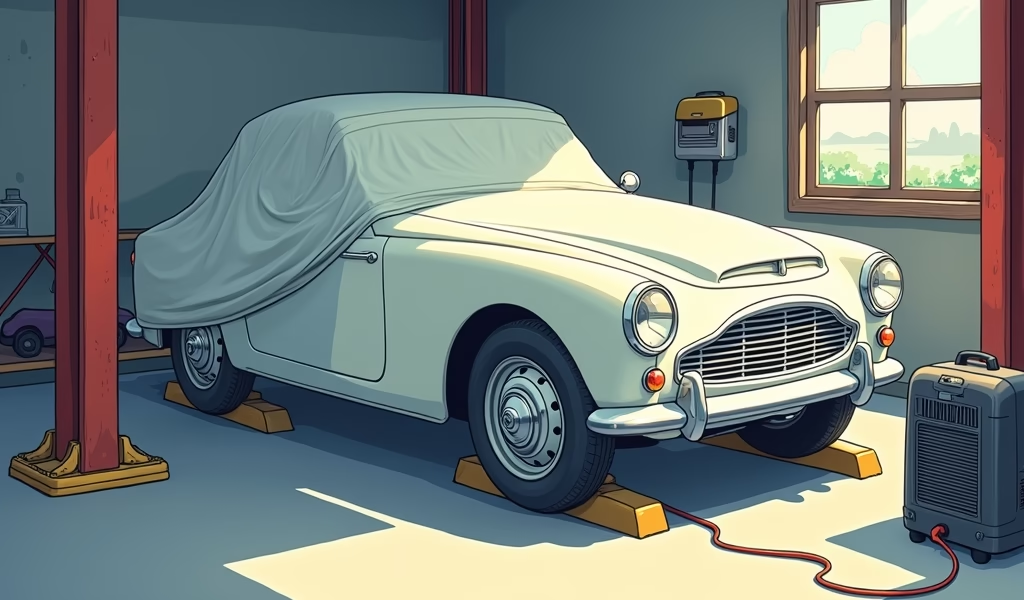
- Tire cradles (curved stands that distribute weight more evenly)
- Periodic repositioning (moving the vehicle slightly every 30 days)
- Placing the vehicle on jack stands at the manufacturer’s designated lift points
If you own a 2010-2018 BMW 3-series, you might be familiar with their susceptibility to developing flat spots during storage. These vehicles benefit particularly from jack stand storage for periods exceeding 60 days.
When using jack stands, ensure they’re rated for your vehicle’s weight and positioned correctly. Improper placement can damage suspension or frame components. The owner’s manual typically identifies the proper jacking points. Remove weight from the suspension gradually by raising all four corners incrementally rather than lifting one side completely before starting on the other.
For vehicles with air suspension systems, like many Land Rovers and Mercedes-Benz models, consult your owner’s manual for specific storage instructions. Some systems should be deactivated during storage to prevent compressor damage, while others may need to remain operational.
Engine Protection

Contrary to popular belief, starting your car periodically during storage without driving it sufficient distance often causes more harm than good. A quick start doesn’t allow the engine to reach operating temperature, leaving condensation in the oil and exhaust system that would normally burn off during a proper drive.
If storage will exceed 6 months, consider these additional engine protection measures:
- Remove the spark plugs and spray a small amount of fogging oil into each cylinder
- Place a breathable cover over the air intake and exhaust outlets to prevent moisture and pest intrusion
- Leave a note on the dashboard reminding you (or others) that these steps were taken
For vehicles with carburetors, like classic cars or motorcycles, drain the float bowls before storage to prevent varnish formation. If you own a 1965-1972 Mustang or similar carburetor-equipped vehicle, this step is particularly important to avoid costly rebuilds later.
Modern fuel-injected engines benefit from comprehensive maintenance treatments before storage. A fuel system cleaner run through the system before adding stabilizer can remove deposits that might otherwise harden during storage.
Preventing Rodent Damage
Rodent damage represents one of the most expensive and common storage-related repairs I see in my shop. Mice and other small creatures love the shelter vehicles provide, and they seem particularly attracted to the soy-based wire insulation used in many newer vehicles.
Last year, I had a customer with a 2017 Toyota RAV4 that sat for just 4 months. When he returned, mice had chewed through multiple wiring harnesses, built nests in his blower motor, and filled his air filter box with acorns. The repair bill exceeded $2,700.
To prevent similar damage, create a multi-layered defense:
- Place steel wool in the exhaust pipe and intake openings (with a visible reminder to remove before starting)
- Set multiple mouse traps around (not inside) the vehicle
- Use natural repellents like peppermint oil-soaked cotton balls placed strategically in the engine bay
- Consider ultrasonic repellers if storing in a garage with electrical outlets
For severe rodent problems, some professionals recommend products containing predator urine. While effective, these can leave lingering odors. A more garage-friendly option is specialized rodent-deterrent tape like Honda’s official product, which can be wrapped around vulnerable wiring.
Check your comprehensive insurance coverage before storage – many policies cover rodent damage, but some exclude it or classify it as “gradual damage” rather than a covered incident.
Moisture Control
Moisture is perhaps the most insidious enemy of a stored vehicle. It promotes rust formation on metal components, encourages mold growth in interiors, and accelerates the deterioration of rubber and leather.
In humid environments, desiccant products become essential storage companions. Commercial desiccant bags designed specifically for vehicles can absorb significant moisture without requiring frequent replacement. Place these in the interior and trunk spaces, following package directions for quantity based on your vehicle’s size.
For more comprehensive moisture control in enclosed garages, consider a dehumidifier positioned near (but not touching) your vehicle. Models with continuous drainage options eliminate the need for regular emptying.
If storing in a region with seasonal humidity fluctuations like the Southeast United States, timing your annual maintenance to coincide with the dry season can provide extra protection. As Hagerty’s automotive preservation experts note, moisture-related damage accelerates significantly at relative humidity levels above 65%.
Battery Maintenance
Battery discharge during storage is nearly inevitable without intervention. Modern vehicles contain multiple computer modules that draw small amounts of current even when the vehicle is off – collectively called “parasitic draw.” This constant drain can deplete a healthy battery in as little as 2-3 weeks.
You have several options for battery care during storage:
- Disconnect the negative battery terminal (simplest but least effective)
- Use a battery tender/maintainer (most convenient for most situations)
- Remove the battery entirely for separate storage (best for very long-term storage)
Quality battery maintainers cost between $25-80 and connect to standard household outlets. These devices monitor battery condition and provide just enough charge to counteract normal discharge without overcharging. Look for “smart” or “float” charging capabilities rather than basic trickle chargers which can damage batteries over extended periods.
If you drive a 2014 or newer Mercedes-Benz with an Intelligent Battery Sensor (IBS) system, note that these vehicles require specific procedures for battery disconnection. Failing to follow proper protocols can trigger multiple error codes requiring dealer reset.
For electric vehicles or hybrids, manufacturer storage recommendations vary significantly. Tesla recommends maintaining approximately 50% charge for extended storage, while some Toyota hybrids benefit from a full charge. Always consult your owner’s manual for model-specific guidance.
Returning Your Vehicle to Service
When the time comes to bring your vehicle out of hibernation, resist the urge to simply jump in and drive away. A methodical approach helps identify any issues that may have developed during storage.
Begin with a thorough visual inspection. Check under the vehicle for fluid leaks, examine all tires for pressure and condition, and look for any signs of pest activity. Remove any protective coverings from the intake and exhaust, and check engine fluid levels.
If the battery was disconnected, reconnect it. If using a battery maintainer, disconnect it before attempting to start the vehicle. Turn the key to the “on” position without starting to allow the fuel pump to pressurize the system. Look for warning lights that don’t extinguish normally.
When starting for the first time, be prepared for a slightly longer crank time as the oil pump works to establish pressure. Once running, allow the engine to idle until it reaches normal operating temperature before driving. Watch the temperature gauge and listen for unusual noises.
Your first drive should be conservative – stay within a few miles of home in case any issues arise. Brake performance may be slightly reduced initially as surface rust is cleared from the rotors. Apply brakes gently several times at low speed before any aggressive stopping is needed.
Plan for an oil change within the first 100 miles if your vehicle was stored longer than 6 months, regardless of whether you changed it pre-storage. The heating and cooling cycles during storage can accelerate oil degradation even without engine operation.
Conclusion
Proper long-term storage isn’t complicated, but it does require attention to detail and an understanding of how vehicles deteriorate when sitting idle. The investment of a few hours in preparation and perhaps $100-200 in supplies can save thousands in potential repairs.
Remember Mike’s $3,200 repair bill? With proper preparation, his storage experience could have been dramatically different. Instead of damaged wiring, dead batteries, and flat-spotted tires, he could have returned to a vehicle ready for immediate use.
Whether you’re storing a daily driver during extended travel, protecting a sports car through winter months, or preserving a cherished classic, these storage principles apply universally. The specific procedures might vary slightly based on your vehicle’s age, type, and the expected storage duration, but the fundamental goal remains the same: preventing deterioration and preserving functionality.
By following these guidelines, you’ll be rewarded with a vehicle that’s ready when you are – starting immediately, driving normally, and continuing to provide reliable transportation without unexpected repair bills. After all, your car should wait faithfully for your return, not punish you for your absence.
Frequently Asked Questions
How often should I start my car during long-term storage?
Unless you can drive for at least 20-30 minutes to fully warm up the engine, it’s better not to start the car during storage. Brief starts without proper warming can cause condensation in the oil and exhaust system.
What’s the best way to prevent battery drain during storage?
Using a quality battery maintainer/tender is the most effective method for most situations. These devices monitor battery condition and provide just enough charge to prevent discharge without damaging the battery.
Should I use fuel stabilizer even for short-term storage?
Yes, fuel stabilizer is recommended for any storage period exceeding 30 days. Modern ethanol-blended fuels begin degrading quickly and can cause fuel system problems without stabilization.
Is indoor storage always better than outdoor?
Yes, indoor storage provides superior protection from UV damage, temperature extremes, precipitation, and theft. Even a basic unheated garage offers significant advantages over outdoor storage.
Do I need to inflate tires to a higher pressure for storage?
Yes, inflating tires to the maximum sidewall pressure (not the door jamb recommendation) helps prevent flat spots during storage. For storage longer than 3 months, consider tire cradles or jack stands instead.