
Overview
Who knew dirty windows could be both a safety hazard and the automotive equivalent of wearing stained sweatpants to a job interview? This article provides a complete guide to achieving streak-free car windows using proper cleaning solutions (homemade or commercial), the right tools (microfiber cloths, squeegees), effective techniques for both interior and exterior surfaces, and troubleshooting tips for stubborn spots and persistent streaking.
Table of Contents
- Why Clean Car Windows Matter
- What You’ll Need
- Choose the Right Cleaning Solution
- Proper Tools for Streak-Free Results
- The Perfect Cleaning Technique
- Tackling Interior Windows
- Professional Finishing Touches
- Troubleshooting Common Window Cleaning Problems
- Conclusion
- Frequently Asked Questions
Why Clean Car Windows Matter
Let’s face it—dirty car windows are more than just an eyesore. As someone who’s spent over two decades under the hood and detailing vehicles, I can tell you that clean windows aren’t just about making your ride look sharp. They’re a critical safety component that many drivers overlook.
When sunlight hits a grimy windshield, it creates glare that can temporarily blind you. At night, those smudges scatter light from oncoming headlights, seriously compromising your visibility when you need it most. The National Highway Traffic Safety Administration considers clear visibility a fundamental aspect of safe driving—and for good reason.
Beyond safety, clean windows are your car’s calling card. You can wash and wax the body to a mirror finish, but if those windows are streaky, your entire vehicle looks neglected. Plus, regular cleaning prevents the buildup of corrosive materials that could damage your car over time, making it both a cosmetic and maintenance priority.
The good news? Getting truly clean, streak-free windows isn’t rocket science. It’s about using the right products, tools, and techniques. So let’s break down exactly how to transform those cloudy windows into crystal-clear glass that you can be proud of.
What You’ll Need
Before diving in, let’s gather our supplies. Having everything ready prevents interruptions that lead to half-dried cleaning solution—a recipe for streaks if I’ve ever seen one.
Here’s your essential toolkit:
- Glass cleaner (commercial or homemade)
- 2-3 microfiber cloths (not cotton or paper towels)
- Small squeegee (6-8 inches wide)
- Detailing brush with soft bristles
- Spray bottle (if making your own solution)
- Rain repellent treatment (optional but recommended)
Having these items on hand will make the process smooth and efficient. Remember, quality tools make a world of difference when it comes to professional-level car detailing. I’ve seen plenty of folks struggle with streaks simply because they tried to cut corners with bargain-bin supplies.
Choose the Right Cleaning Solution
The cleaning solution you use makes or breaks your window cleaning success. After testing dozens of products over the years, I’ve found that simpler is often better.
Commercial glass cleaners work well, but many contain ammonia—a compound that can damage tinted windows and car interiors over time. If you have tinted windows, make sure to choose an ammonia-free formula specifically labeled safe for automotive use.
My preferred approach? A homemade solution that costs pennies per application and outperforms many commercial products:
- 1 cup distilled water (tap water contains minerals that cause streaking)
- 1 cup isopropyl alcohol (91% works best)
- 1 tablespoon white vinegar
Mix these in a spray bottle, and you’ve got a professional-grade window cleaner. The alcohol cuts through oily fingerprints and evaporates quickly, while the vinegar breaks down stubborn residue like tobacco film and road grime.
What to avoid? Steer clear of products containing silicones or oils. These might make windows shine initially, but they ultimately attract more dust and dirt. Also, skip household cleaners not specifically designed for glass—they often leave residues that are nearly impossible to buff out.
I once had a customer who’d been using furniture polish on his windows because “it made them shine.” We spent two hours removing the waxy buildup before we could properly clean the glass. Learn from his mistake!
Proper Tools for Streak-Free Results
The right tools aren’t just helpful—they’re essential for streak-free windows. Let’s break down what works and why.
Microfiber cloths are the unsung heroes of window cleaning. Unlike paper towels or cotton rags, quality microfiber won’t leave lint behind or create static that attracts dust. I recommend having at least three: one for applying cleaner, one for drying, and a third for final buffing. Proper interior cleaning starts with the right materials.
A good squeegee works wonders on larger surfaces like windshields. The rubber blade removes cleaning solution completely in one smooth motion, virtually eliminating streaks. For cars, choose a smaller 6-8 inch squeegee that’s easier to maneuver on curved auto glass.
Those hard-to-reach corners where the dashboard meets the windshield? A detailing brush with soft bristles will get into these automotive Bermuda Triangles. For back windows with defroster lines, a microfiber cloth on a long handle prevents you from performing advanced yoga poses just to clean your rear window.
One tool I’ve found particularly useful is a waffle-weave microfiber towel for final buffing. Their texture seems to grab any remaining residue better than flat microfiber. It’s a small investment that pays big dividends in clarity.
The Perfect Cleaning Technique
Having the right supplies is only half the battle. Technique matters just as much when aiming for streak-free results.
Start by parking in the shade. This simple step prevents your cleaning solution from evaporating too quickly, which is the primary cause of streaking. If shade isn’t available, try cleaning during cooler times of day—early morning or evening works best.
Before applying any solution, wipe down the windows with a dry microfiber cloth to remove loose dust and debris. This prevents you from essentially “mud painting” your windows with wet dirt.
Now for the cleaning process itself. I swear by the two-cloth method:
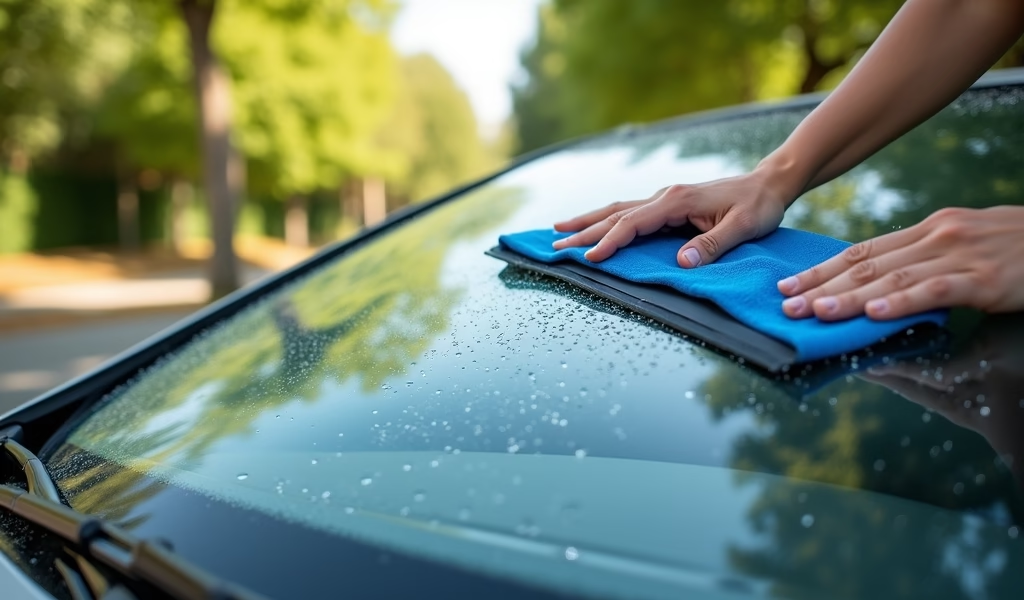
- Spray a modest amount of solution directly onto your first microfiber cloth (not the window)
- Wipe the window with the damp cloth, using overlapping strokes
- Immediately follow with a second, dry microfiber cloth before the solution can dry
- Use firm pressure and buff until the glass squeaks
Here’s a pro tip that’s saved me countless headaches: clean the outside of your windows with horizontal strokes and the inside with vertical strokes. This way, when streaks do appear, you’ll immediately know which side needs touching up.
For larger windows like the windshield, divide the glass into sections and complete one section at a time. This prevents the solution from drying before you can buff it properly, especially on hot days.
Remember that less is more when it comes to cleaning solution. A soaking wet window is much harder to dry without streaking. You want the glass damp, not dripping.
Tackling Interior Windows
Interior windows present unique challenges that require special attention. That mysterious film that forms on the inside of your windshield? It’s a mixture of outgassed plastics from your dashboard, residue from air fresheners, and oils from passengers. Standard cleaning methods often smear this film rather than removing it.
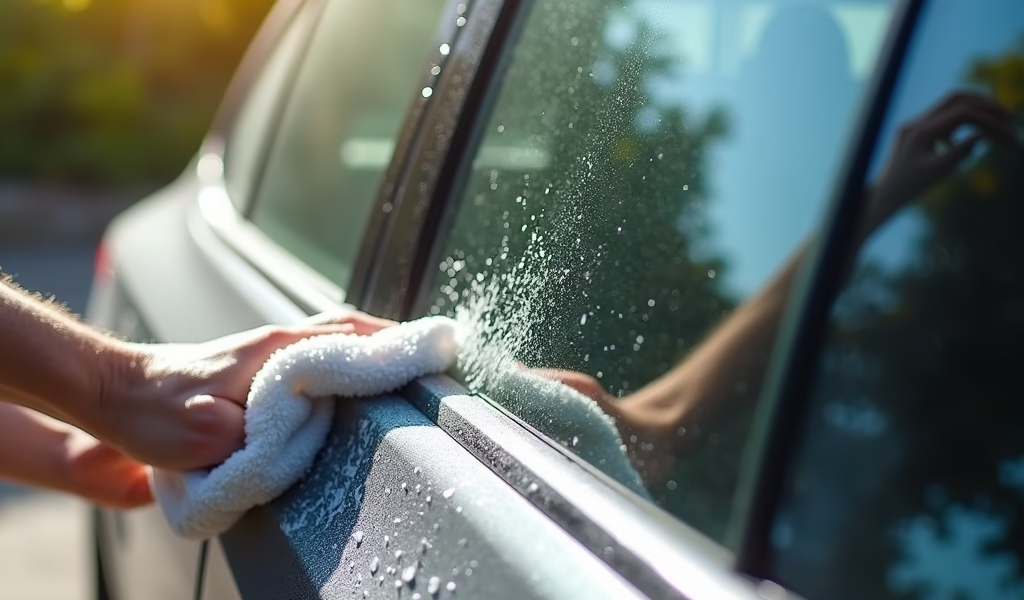
Start by protecting your dashboard with a towel to catch any drips. Then apply your cleaning solution to your cloth rather than spraying directly onto the glass—this prevents overspray from hitting your dashboard and creating a new mess to clean.
Use less solution on interior windows than you would on exterior ones. Interior glass typically isn’t as dirty as the outside, and excess moisture inside the car can cause issues with electronics or promote mold growth.
Those fingerprints from kids (or adults who can’t resist pointing out sights through the window)? Apply direct pressure to smudges with a slightly damp microfiber cloth before wiping clean, rather than just wiping over repeatedly.
If you have tinted windows, remember that the tint film is applied to the interior surface. Never use ammonia-based products that could degrade the tinting, and avoid abrasive tools that might scratch it. Gentle pressure is key—treat tinted windows like the delicate surfaces they are.
For those who smoke in their vehicles, the interior window film can be particularly stubborn. In these cases, a preliminary cleaning with a 50/50 mix of white vinegar and water helps cut through the nicotine residue before following up with your regular glass cleaner.
Regular maintenance of your car’s interior, including the windows, extends the life of your vehicle and makes each cleaning session easier than the last.
Professional Finishing Touches
The difference between acceptable windows and truly professional-looking glass often comes down to the finishing touches. These are the details that separate amateur efforts from results that would make a detailing shop proud.
After cleaning and drying, perform a final buff with a clean, dry microfiber cloth. Use light, circular motions to remove any remaining microscopic residue. Hold the cloth with your fingertips rather than your entire hand to apply even pressure across the glass.
Inspect your work by looking at the windows from different angles. What appears clean straight-on might reveal streaks or smudges when viewed from an angle. The ultimate test? Look through your windows toward the sun or a bright light source—any imperfections will immediately become visible.
Consider applying a rain repellent treatment to exterior windows after cleaning. Products like Rain-X create a hydrophobic barrier that causes water to bead and roll off the glass rather than spreading across it. This improves visibility during rain and makes your next cleaning session significantly easier.
Don’t forget the edges! The very top of your windows—where they meet the weather stripping—often collects dirt that can run down onto clean glass the first time it rains. Wrap your cloth around your finger to clean this narrow strip for truly complete results.
Finally, slightly crack your windows after cleaning to allow any residual moisture to escape. This prevents that frustrating fog-up that can happen when temperatures change, especially after using a wet cleaning method.
Troubleshooting Common Window Cleaning Problems
Even with the best techniques, you might encounter some stubborn situations. Here’s how to handle the most common window cleaning challenges.
Stubborn Spots and Sticky Residue
For tree sap, bug splatter, or mysterious sticky substances that won’t budge with regular cleaning, try this approach: dampen a microfiber cloth with your cleaning solution and place it over the spot for several minutes to soften the residue. For extremely stubborn spots, a plastic razor blade held flat against the glass can safely scrape off hardened materials without scratching—but only use this method on exterior, non-tinted windows.
Water Spots and Mineral Deposits
Those white spots that remain after cleaning are typically mineral deposits from hard water. These can be removed with a solution of equal parts distilled water and white vinegar. Apply, let sit for a minute, then wipe away. For severe cases, a commercial water spot remover containing mild abrasives might be necessary, but use sparingly to avoid scratching the glass.
Persistent Streaking
If you’re following all the steps but still getting streaks, check these common culprits: dirty cloths redistributing grime, too much cleaning solution, or cleaning in direct sunlight. Sometimes the issue is residue from previous cleaning products—in which case, several cleaning sessions might be needed to fully remove the buildup.
Foggy Windows
Interior window fogging happens when moisture in the car condenses on cold glass. Beyond the immediate fix of running your defogger, you can prevent this by applying an anti-fog treatment to interior glass. You can purchase commercial anti-fog products, or make your own by wiping interior glass with a solution of water and a drop of dish soap, then buffing to a clear finish.
Remember that consistency is key. Establish a regular window cleaning routine as part of your vehicle maintenance schedule. I recommend cleaning exterior windows whenever you wash your car and tackling interior windows at least once a month. Those living in areas with high pollen counts, frequent rain, or road construction might need more frequent cleaning.
Conclusion
Clean, streak-free car windows might seem like a small detail in the grand scheme of vehicle maintenance, but they make an enormous difference in both safety and appearance. Using the right cleaning solution, proper tools, and correct techniques will transform your driving experience and the look of your vehicle.
Remember that patience and attention to detail are your best allies in this process. Rush the job, and you’ll likely end up with streaks that frustrate and distract. Take your time, work methodically, and you’ll achieve results that rival professional detailers.
The pride that comes from perfectly clear windows isn’t just about aesthetics—it’s about knowing you’ve made your vehicle safer and more enjoyable to drive. Plus, there’s something undeniably satisfying about looking through a windshield so clean it almost disappears.
With these proven methods in your car care arsenal, you’ll never have to squint through smudges or be embarrassed by streaky windows again. Your visibility will be better, your car will look sharper, and your driving experience will be all the more enjoyable for it.
Frequently Asked Questions
What’s the best time of day to clean car windows?
Early morning or evening when it’s cooler and the sun isn’t directly hitting your car. Direct sunlight causes cleaning solutions to dry too quickly, which leads to streaking.
Can I use Windex on my car windows?
Regular Windex contains ammonia which can damage tinted windows and interior surfaces. Choose ammonia-free Windex formulations specifically labeled for automotive use if you prefer a commercial product.
How often should I clean my car windows?
Clean exterior windows whenever you wash your car and interior windows at least once a month. Adjust frequency based on your local conditions like pollen, construction dust, or rainy weather.
Why do my windows keep fogging up?
Interior fogging occurs when moisture in the car condenses on cold glass. Ensure your car’s ventilation system works properly and consider applying an anti-fog treatment to interior glass surfaces.
Is newspaper good for cleaning car windows?
Despite being an old trick, newspaper can leave ink residue and doesn’t work as well as microfiber cloths. Modern microfiber towels are more effective and don’t risk transferring ink to your hands or car surfaces.