

Overview
This guide outlines essential car washing practices for Seattle’s unique climate, emphasizing regular washing every 7-14 days during rainy months to prevent damage from moisture, road salt, and environmental contaminants. It recommends touchless or hand washing over brush systems, protective coatings like wax or ceramic treatments, thorough interior moisture management, and strategic professional detailing services to maintain vehicle condition and value in the Pacific Northwest.
Table of Contents
- Why Regular Car Washing Matters in Seattle
- Choosing the Right Type of Car Wash
- Optimal Washing Frequency for Seattle Weather
- Protecting Your Car’s Paint in the Pacific Northwest
- Tackling Interior Cleaning in a Rainy Climate
- DIY vs. Professional Washing Services
- Conclusion
- Frequently Asked Questions
Why Regular Car Washing Matters in Seattle
As a mechanic who’s spent over 15 years working on vehicles in the Pacific Northwest, I’ve seen firsthand what Seattle’s unique climate can do to cars. Our famous rain isn’t just an inconvenience – it’s a potential threat to your vehicle’s longevity. That constant moisture creates the perfect environment for corrosion, especially when mixed with road salt during our occasional winter freezes.
Think of your car like your skin – it needs regular cleansing to stay healthy. When rain combines with pollutants, tree sap, and road grime, it creates a cocktail that gradually eats away at your paint and eventually the metal underneath. It’s like leaving dirty dishes in water for days – eventually, even the toughest materials break down.
Finding the best car wash options near you isn’t just about aesthetics. Regular washing extends your vehicle’s life, maintains its resale value, and prevents costly repairs down the road. I’ve repaired countless cars with avoidable rust damage that could have been prevented with proper washing habits.
Seattle’s environmental factors create unique challenges:
- Acidic rain that can etch into paint
- Abundant evergreen tree sap that bonds to surfaces
- Sea salt in the air near coastal areas
- Road treatment chemicals during winter months
- Construction dust and industrial fallout
Let’s dive into how to keep your car looking showroom-fresh despite everything our beautiful but challenging city throws at it.
Choosing the Right Type of Car Wash
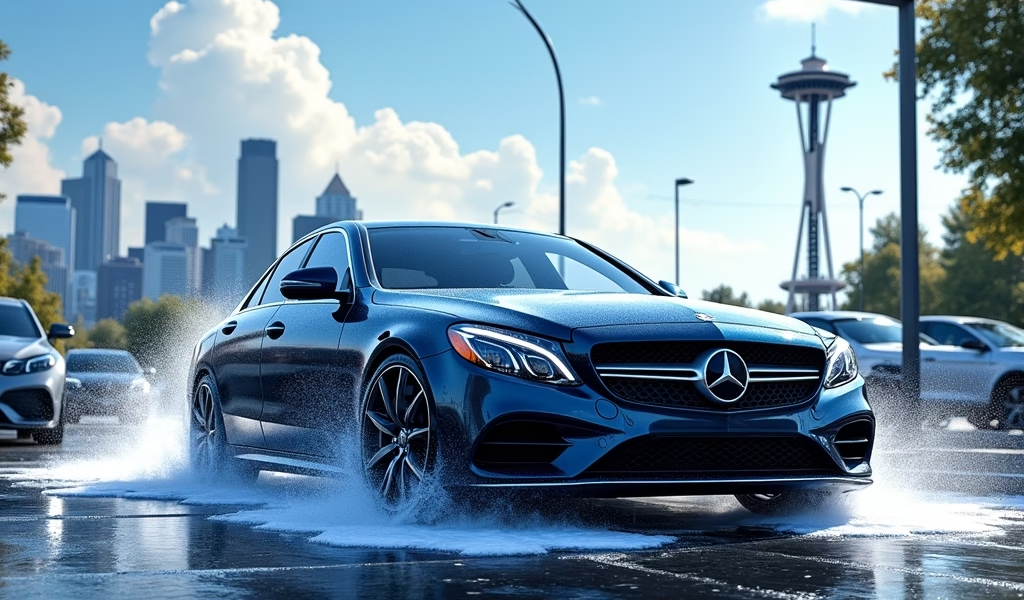
Not all car washes are created equal, especially when it comes to protecting your vehicle in Seattle’s unique environment. Choosing the right type is like selecting the proper tool for a job – using the wrong one can do more harm than good.
Touchless automatic washes are generally your best bet for routine cleaning. These systems use high-pressure water jets and specialized detergents without physical contact with your paint. Brown Bear Car Wash and Elephant Car Wash chains around Seattle offer quality touchless options that effectively remove surface contaminants without introducing micro-scratches.
Brush-style automatic washes, while convenient and affordable, can be problematic. Those spinning brushes collect grit from previously washed vehicles and can act like sandpaper on your clear coat. I’ve seen countless cars in my shop with swirl marks and dulled finishes from repeated brush wash visits. If you must use these, at least check that the facility regularly cleans their equipment.
For the absolute best care, nothing beats a professional hand wash. Places like Eco Car Cafe in Ballard or Metropolitan Detail in SODO offer meticulous hand washing services that treat your car like the investment it is. These specialists know how to properly clean all the nooks and crannies that machines miss while using appropriate products for different surfaces.
For Seattle’s specific conditions, I recommend this strategic approach:
- Weekly touchless washes during winter months when road salt is prevalent
- Monthly professional hand washing to address accumulated grime in crevices
- Quarterly undercarriage cleaning to prevent rust (especially important for older vehicles)
When evaluating a car wash facility, look for ones using pH-balanced soaps, soft water systems, and proper drying methods. Consumer Reports’ guide on car washing confirms that these factors significantly impact both immediate results and long-term paint protection.
Optimal Washing Frequency for Seattle Weather
Seattle’s weather patterns demand a thoughtful approach to car washing frequency. Unlike drier regions where you might wait until visible dirt accumulates, our environment requires proactive maintenance. The question isn’t if contaminants are landing on your car – it’s how quickly they’re building up.
During our notorious rainy season (October through April), I advise washing every 7-14 days. This might seem excessive, but rain isn’t cleaning your car – it’s actually depositing airborne contaminants onto your paint. It’s similar to how rain leaves water spots on windows rather than making them cleaner. Those innocent-looking water spots contain minerals and pollutants that gradually etch into your clear coat.
Summer brings different challenges with less frequent rain but more intense sunlight, pollen, and tree sap. During these months (May through September), washing every 2-3 weeks is typically sufficient unless you park under trees. If you’re surrounded by our beautiful Pacific Northwest evergreens, you’ll want to remove sap droplets immediately – they become significantly harder to remove the longer they sit.
Pay attention to these specific Seattle weather triggers that call for an immediate wash:
- After rare snowfalls when roads are treated with deicer or salt
- Following windstorms that deposit tree debris and grit
- After parking near construction sites or industrial areas
- When you notice bird droppings or tree sap (within 24-48 hours)
- After driving on freshly chip-sealed roads
Your car will tell you when it needs cleaning. If water no longer beads up on the surface and instead sheets across in an irregular pattern, your protective layer is compromised. This is your vehicle’s way of saying it needs attention.
For drivers who take regular trips to mountain areas for skiing or hiking, additional washing is crucial. The highway treatments used on mountain passes like Snoqualmie are particularly corrosive. A quick wash after returning from these trips can prevent significant undercarriage damage over time.
Protecting Your Car’s Paint in the Pacific Northwest
Washing alone isn’t enough in Seattle’s challenging climate – your car needs a proper protective barrier against our persistent moisture. Think of protection products as a raincoat for your vehicle; without one, your paint is constantly exposed to the elements.
Wax provides essential short-term protection and that desirable water-beading effect. Traditional carnauba wax offers excellent shine and moderate protection, but in Seattle’s environment, it typically only lasts 4-6 weeks. Synthetic wax products like Meguiar’s Ultimate Liquid Wax tend to perform better in our climate, extending protection to 2-3 months. Apply wax at least quarterly, ideally monthly during winter.
Paint sealants offer the next level of defense with synthetic polymers that bond to your paint. Products like Wolfgang Deep Gloss Paint Sealant or Chemical Guys JetSeal create a more durable barrier against our acidic rain and environmental contaminants, typically lasting 4-6 months. The application process takes slightly longer than wax but provides significantly better protection.
For the ultimate defense, ceramic coatings have revolutionized paint protection in high-precipitation areas like ours. These silicon dioxide-based products chemically bond to your paint, creating a hydrophobic surface that repels water, resists contaminants, and maintains its protective properties for years rather than months. Professional application from specialized detailing professionals typically costs $500-1,500 but provides 2-5 years of superior protection.
Don’t forget these often-overlooked areas when protecting your vehicle:
- Wheel wells and undercarriage (use dedicated undercarriage spray services)
- Window trim and rubber seals (protect with silicone-based preservatives)
- Headlight lenses (UV protection prevents yellowing)
- Chrome and metal accents (need specific protective products)
For those on a budget, even the most basic protection is better than none. A simple spray wax applied monthly costs just a few dollars per application but provides a crucial barrier between your paint and Seattle’s elements.
According to Car and Driver’s detailing experts, regular protection can extend your paint’s life by years and significantly impact resale value – often by thousands of dollars for well-maintained vehicles.
Tackling Interior Cleaning in a Rainy Climate
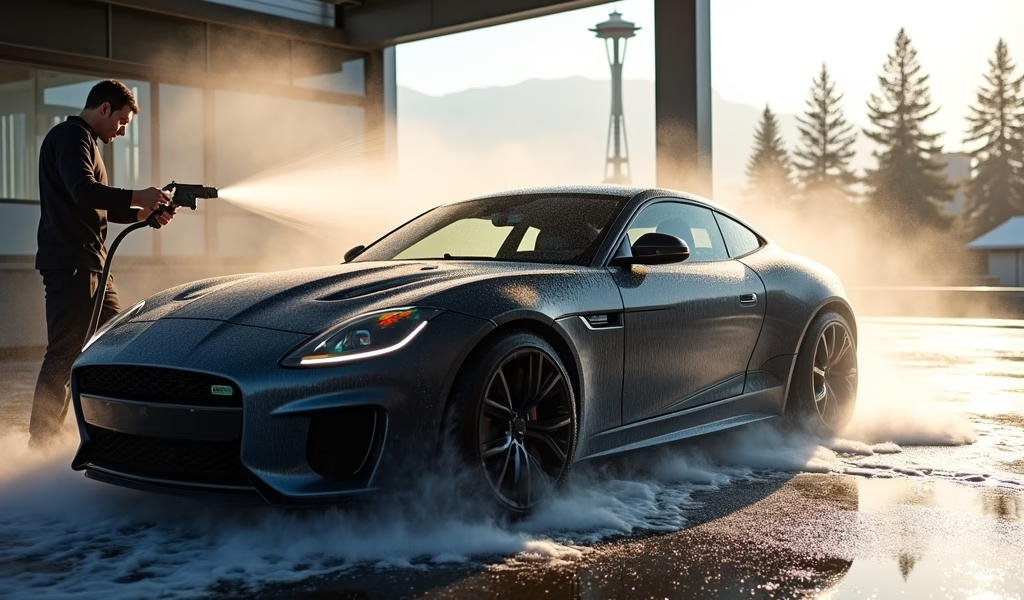
Seattle’s constant moisture doesn’t just affect your car’s exterior – it creates unique challenges for interior maintenance too. We track water, mud and debris into our vehicles constantly, creating the perfect breeding ground for mildew and musty odors if not properly addressed.
Start with quality, all-weather floor mats – they’re your first line of defense against moisture infiltration. WeatherTech or Husky Liners custom-fit mats catch water that would otherwise soak into your carpets and eventually your vehicle’s floor pan. Think of them as gutters for your car’s interior, channeling moisture away from vulnerable areas.
Vacuum fabric seats and carpets weekly during rainy months. It’s not just about removing visible dirt – regular vacuuming extracts moisture that’s been absorbed into fabrics. Pay special attention to the driver’s footwell and the areas where passengers place their feet.
For leather and vinyl surfaces, regular conditioning prevents the damaging cycle of getting wet and then drying out repeatedly. In our shop, we recommend conditioners containing UV protection since the rare sunny days can cause as much damage as the frequent rainy ones. Apply conditioner monthly to maintain your interior’s suppleness and prevent premature cracking.
Tackle these often-neglected interior areas that suffer most in Seattle’s climate:
- Door jambs and seals (clean monthly to prevent grit buildup)
- Seat tracks and mechanisms (lubricate quarterly to prevent corrosion)
- HVAC vents (use compressed air to prevent mold growth)
- Trunk seals and spare tire compartment (check for water pooling)
Humidity control is crucial in preventing that unmistakable “Seattle car smell.” Rechargeable dehumidifier packs placed under seats or dedicated car dehumidifiers can make a significant difference. On those rare dry days, crack your windows slightly when parked securely to allow interior moisture to escape.
If you detect even the slightest musty smell, address it immediately with enzymatic cleaners specifically designed for automotive interiors. These products break down the organic compounds causing odors rather than just masking them. For stubborn cases, professional detailing services using steam extraction can penetrate deep into fabrics and remove embedded moisture and contaminants.
Remember, interior maintenance isn’t just about comfort and appearance – excessive moisture can eventually cause electrical issues and underfloor corrosion from the inside out, leading to expensive repairs down the road.
DIY vs. Professional Washing Services
Even with Seattle’s rain, nothing beats a dedicated wash routine that combines professional services and home care. As a mechanic who’s seen the results of both approaches, I can tell you that finding the right balance saves both your car and your wallet.
Professional services offer equipment and products that most homeowners simply don’t have. Their high-pressure undercarriage cleaning systems, for example, can blast away road salt and grime from areas you can’t reach at home. Think of professional detailers as specialists – they have tools designed specifically for Seattle’s unique challenges.
For the best results, schedule professional services strategically:
- Full exterior/interior detail with paint correction in early autumn (before the rainy season)
- Undercarriage treatments mid-winter (January/February when road salt use peaks)
- Engine bay cleaning and protection annually (prevents moisture-related electrical issues)
- Ceramic coating application every 2-5 years depending on the product
Between professional visits, a solid DIY maintenance routine keeps contaminants from bonding to surfaces. For Seattle residents, I recommend assembling this basic car care kit:
- Two buckets (one for soap, one for rinsing your wash mitt)
- Microfiber wash mitt and separate wheel cleaning mitt
- pH-neutral car wash soap (never use household detergents)
- Microfiber drying towels (prevent water spotting)
- Detailing spray for quick cleanups between washes
- Glass cleaner formulated for automotive use
For apartment dwellers without access to hoses, waterless wash products like Optimum No Rinse have been game-changers. These products allow effective cleaning with minimal water – perfect for Seattle’s water conservation efforts and convenient for those in multi-unit buildings.
According to Edmunds automotive experts, combining professional services with proper home maintenance is the most cost-effective approach to vehicle care. Professional details might seem expensive initially, but they’re far cheaper than premature repainting or rust repair.
Remember that even the best professional services can’t overcome neglect between visits. Regular quick washes (even in self-serve bays) to remove surface contaminants will extend the benefits of professional treatments significantly.
Conclusion
Caring for your vehicle in Seattle’s distinctive climate requires more than occasional washing – it demands a thoughtful, seasonal strategy. The Best Seattle Car Wash approach combines understanding our unique environmental challenges with consistent, appropriate care routines.
Think of your car care routine as preventive medicine rather than emergency treatment. Regular washing, appropriate protection, and strategic professional services will extend your vehicle’s life and maintain its value far more effectively than reactive approaches.
Seattle’s climate may be challenging for vehicles, but it also creates one of the most beautiful places to drive in America. With these washing and maintenance strategies, you can enjoy our evergreen surroundings without sacrificing your car’s condition or your bank account.
I’ve seen countless vehicles in my shop that could have avoided expensive repairs with proper washing habits. The small investment in regular care pays tremendous dividends in your vehicle’s longevity, appearance, and reliability.
Remember that even in our rainy city, your car can remain in showroom condition with the right approach. It just takes understanding the unique challenges our environment presents and addressing them proactively. Your vehicle is likely one of your largest investments – protecting it makes both practical and financial sense.
Now that you’re equipped with these Seattle-specific strategies, you’ll be better prepared to keep your vehicle looking its best year-round, no matter what our famous weather throws at it. Happy driving and happy washing!
Frequently Asked Questions
How often should I wash my car in Seattle?
Wash your car every 7-14 days during rainy months (October-April) and every 2-3 weeks during drier months (May-September). Increase frequency if you park under trees or drive on salted roads.
Are automatic car washes with brushes bad for my paint?
Yes, brush-style automatic washes can create micro-scratches in your clear coat as they collect grit from previous vehicles. Touchless automatic washes or hand washing are safer alternatives for your paint.
What’s the best protection against Seattle’s rain and environmental elements?
Ceramic coatings provide the most durable protection (2-5 years) against our climate, though quality synthetic sealants (4-6 months protection) offer a more affordable alternative. At minimum, apply wax monthly during winter.
How can I prevent the musty smell in my car during Seattle’s damp months?
Use quality all-weather floor mats, place dehumidifier packs under seats, and crack windows when safely parked on dry days. Vacuum fabric surfaces weekly and immediately address any wet spots in the interior.
Is undercarriage washing really necessary in Seattle?
Absolutely – undercarriage washing is essential in Seattle, especially during winter months when road salt is used. Quarterly undercarriage cleaning prevents corrosion and extends your vehicle’s structural integrity.