

Overview
Like the finely crafted timepiece on a Bentley owner’s wrist, the Continental GT’s sophisticated transmission system requires meticulous maintenance to avoid catastrophic repairs that can exceed $20,000. This detailed guide covers everything from the inner workings of the ZF 8-speed transmission to early warning signs, maintenance schedules, and specialist repair considerations—all aimed at preserving both the vehicle’s signature smooth power delivery and your financial well-being.
Table of Contents
- Introduction to Bentley Continental GT Transmission
- How the Bentley Continental GT Transmission Works
- Warning Signs of Transmission Problems
- Common Transmission Issues in Bentley Continental GT
- Essential Maintenance Tips
- Understanding Repair Costs
- Preventative Measures Worth Taking
- Specialist Repairs vs. DIY: What You Should Know
- Conclusion
- Frequently Asked Questions
Introduction to Bentley Continental GT Transmission
The Bentley Continental GT represents the pinnacle of British luxury engineering, combining breathtaking performance with unparalleled comfort. At the heart of this masterpiece lies a sophisticated transmission system that deserves special attention from owners.
The transmission in your Continental GT isn’t just another component – it’s the critical link between the monstrous W12 or V8 engine and the exhilarating driving experience Bentley is renowned for. When functioning properly, it delivers seamless power transfer and buttery-smooth gear changes that seem almost telepathic.
Unfortunately, when problems develop, they can quickly escalate from minor inconveniences to financial nightmares. A complete transmission rebuild on these magnificent machines can easily exceed $20,000, making prevention vastly more affordable than cure.
As someone who’s spent decades working on luxury vehicles, I’ve seen too many Bentley owners caught off guard by transmission failures that could have been prevented. This guide aims to arm you with practical knowledge to keep your Continental GT shifting perfectly for years to come.
How the Bentley Continental GT Transmission Works

Most modern Continental GTs utilize the renowned ZF 8-speed automatic transmission – a marvel of German engineering specifically calibrated for Bentley’s exacting standards. Earlier models featured a 6-speed unit that, while robust, doesn’t quite match the refinement of the later 8-speed.
What makes this transmission special is its ability to handle enormous torque figures (over 650 lb-ft in some models) while still delivering lightning-fast shifts when driven spiritedly and imperceptible gear changes during relaxed cruising. This versatility comes from a complex system of planetary gear sets, electronically controlled clutch packs, and sophisticated hydraulic management.
The automatic transmission system constantly communicates with multiple vehicle systems – engine management, all-wheel drive, and stability control – to deliver optimal performance in any driving situation. This integration is why proper diagnosis requires specialized equipment; the transmission doesn’t operate in isolation.
Unlike conventional automatic transmissions that use a torque converter exclusively, the Continental GT’s system employs a lockup clutch that provides direct mechanical connection between engine and transmission at cruising speeds. This improves efficiency but adds another potential failure point if not maintained properly.
The transmission control module continuously adapts to your driving style, learning shift preferences and adjusting accordingly. This adaptive behavior means that electrical issues can sometimes manifest as mechanical-feeling problems, making professional diagnosis crucial.
Warning Signs of Transmission Problems
Your Bentley’s transmission will rarely fail without warning. Here are the key symptoms to watch for:
- Delayed engagement when shifting from Park to Drive or Reverse
- Hesitation or slipping during acceleration
- Unusual noises including whining, grinding, or clunking
- Burning smell after spirited driving
- Visible fluid leaks beneath the vehicle
- Transmission warning light or check engine light illumination
- Rough shifting between gears
- Vibration or shuddering at specific speeds
The most telling early warning sign in Continental GTs is often a subtle change in shift quality. You might notice the transmission holding gears longer than usual or downshifting with slightly less refinement. These subtle changes warrant investigation before they progress to more serious issues.
Fluid leaks deserve immediate attention. Transmission fluid in Bentleys is typically reddish when new and darkens with age. It has a distinctive sweet smell that differentiates it from engine oil or coolant leaks. Even small transmission fluid leaks can quickly lead to catastrophic damage if left unaddressed.
If your Continental GT displays multiple warning signs simultaneously – for example, delayed engagement combined with unusual noises – this suggests a potentially serious issue requiring immediate professional attention. Continuing to drive with these symptoms can transform a repairable problem into a complete transmission failure.
According to research from ZF Transmissions, the manufacturer of Bentley’s transmission systems, over 60% of catastrophic failures could have been prevented if early warning signs had been addressed promptly.
Common Transmission Issues in Bentley Continental GT
Through years of experience working on these magnificent machines, I’ve identified several recurring issues specific to Continental GT transmissions:
- Valve body wear causing erratic shifting (particularly common in 2004-2008 models)
- Torque converter lockup clutch failure leading to shuddering around 40-50 mph
- Transmission fluid overheating due to radiator cooler line restrictions
- Shift solenoid failures resulting in hard shifts or inability to engage certain gears
- Electronic control module software issues (often resolvable through updates)
- Internal seal deterioration causing pressure loss and slipping
- Input shaft bearing wear creating noise under acceleration
The 2004-2012 Continental GTs tend to experience valve body issues more frequently than newer models. This complex hydraulic control center manages fluid pressure to activate specific gear changes, and its intricate passages can become clogged with debris over time, especially if fluid change intervals are extended.
Torque converter problems typically manifest as shuddering or vibration during light acceleration around 40-50 mph. This occurs when the lockup clutch partially engages and disengages repeatedly instead of maintaining solid contact. Early diagnosis can often save the converter from complete failure.
Electronic issues deserve special mention because they can mimic mechanical failures. Many Continental GT owners have spent thousands replacing mechanical components when the real culprit was a faulty sensor or outdated control module programming. Proper diagnostic equipment can distinguish between electronic and mechanical problems, potentially saving substantial repair costs.
Fluid-related issues remain the most preventable problems. The ZF transmission in your Bentley requires specific fluid meeting exact specifications. Using incorrect fluid – even high-quality fluid not meeting these specs – can cause shifting issues and accelerated wear. Always insist on factory-approved transmission fluid during service.
Essential Maintenance Tips
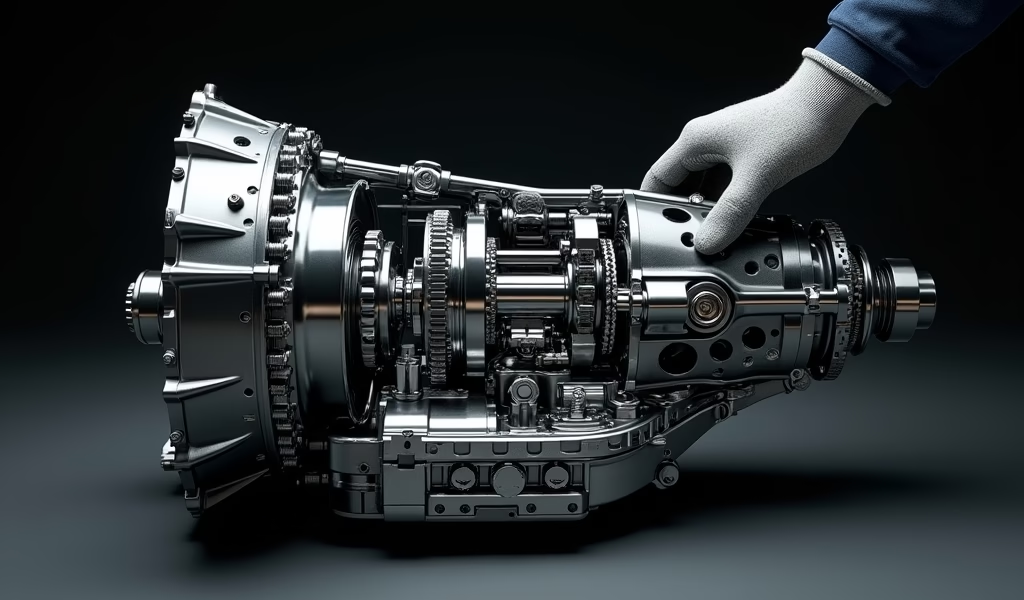
Proactive maintenance is your best defense against costly transmission repairs. Here’s what I recommend for Continental GT owners:
- Change transmission fluid every 30,000 miles (rather than the factory-recommended 40,000)
- Always replace the transmission filter during fluid services
- Use only genuine Bentley-approved transmission fluid
- Have cooling system performance checked annually
- Address minor shift quality changes immediately
- Allow proper warm-up time before demanding driving, especially in cold weather
- Consider transmission software updates during regular service
The fluid change interval is particularly important. While Bentley officially recommends 40,000-mile intervals, experience has shown that 30,000-mile changes significantly extend transmission life, especially for vehicles driven spiritedly or in extreme climates. The additional cost of more frequent service is negligible compared to major repair expenses.
Cooling system maintenance directly impacts transmission longevity. The transmission fluid in your Continental GT is cooled via a heat exchanger connected to the engine cooling system. If engine cooling performance degrades, transmission fluid temperatures rise, accelerating wear on seals and friction materials.
Many owners overlook the importance of allowing their vehicle to warm up properly. Cold transmission fluid doesn’t flow correctly through the intricate passages of the valve body and can cause accelerated wear if subjected to hard driving before reaching operating temperature. A gentle drive for the first few miles pays dividends in longevity.
Keep comprehensive service records documenting all transmission maintenance. These records not only guide future maintenance decisions but also significantly enhance resale value by demonstrating proper care to prospective buyers.
Understanding Repair Costs
When transmission issues do arise, being prepared for potential costs helps avoid sticker shock. Here’s what Continental GT owners can expect:
- Diagnostic inspection: $300-$600
- Transmission fluid and filter service: $800-$1,500
- Electronic control module reprogramming: $500-$1,200
- Solenoid replacement: $1,800-$3,500
- Valve body rebuild/replacement: $4,000-$7,000
- Torque converter replacement: $3,500-$6,000
- Complete transmission rebuild: $12,000-$18,000
- Factory remanufactured transmission: $15,000-$25,000
These figures vary significantly based on your location, model year, and whether you choose independent specialists or dealership service. Dealerships typically charge 20-30% more but offer factory training and often provide loaner vehicles during repairs.
Independent shops specializing in Bentley service can offer excellent value, provided they have proper training and equipment. Ask about their specific experience with Continental GT transmissions before entrusting your vehicle to their care.
The dramatic difference between preventative maintenance costs and major repair expenses makes regular service the clear financial choice. A complete fluid service costing $1,200 every 30,000 miles is insignificant compared to a $15,000+ transmission rebuild.
When major repairs become necessary, you’ll typically face a choice between rebuilding your existing transmission or installing a factory remanufactured unit. The latter often represents better value, as it includes numerous updated components and typically carries a more comprehensive warranty.
Preventative Measures Worth Taking
Beyond regular maintenance, several preventative measures can significantly extend your Continental GT’s transmission life:
- Install an aftermarket transmission temperature gauge for real-time monitoring
- Consider an auxiliary transmission cooler if you frequently drive in extremely hot climates
- Modify driving habits to reduce transmission strain
- Perform annual transmission electronic system scans to catch codes before they trigger warning lights
- Use “Sport” mode sparingly, as it increases transmission operating temperatures
Your driving style significantly impacts transmission longevity. While the Continental GT’s performance capabilities are tempting, frequent aggressive launches place enormous stress on the transmission’s internal components. Save full-throttle acceleration for special occasions rather than making it your default driving style.
The Continental GT’s automatic transmission offers multiple drive modes, each with different shift characteristics. Using the comfort-oriented modes for daily driving reduces wear on clutch packs and can significantly extend transmission life.
Consider transmission temperature management if you frequently drive in high-performance situations. Factory cooling systems are designed for normal driving conditions; adding an auxiliary cooler can provide valuable protection during track days or spirited mountain driving.
If storing your Continental GT for extended periods, start the engine monthly and allow it to reach operating temperature. This ensures transmission fluid circulates throughout the system, preventing seals from drying out and maintaining proper lubrication of bearings and other components.
Specialist Repairs vs. DIY: What You Should Know
While many Bentley owners enjoy mechanical aptitude, the sophisticated nature of Continental GT transmissions limits DIY opportunities:
Tasks appropriate for knowledgeable owners include:
- Visual inspection for leaks
- Monitoring fluid levels (on models with accessible dipsticks)
- Basic diagnostic code reading with quality scan tools
- Maintaining detailed service records
Tasks requiring professional expertise include:
- Fluid and filter changes (many models lack conventional dipsticks and require special tools)
- Advanced diagnostics requiring dealer-level equipment
- Any internal repairs requiring transmission removal
- Electronic control module programming
- Adaptation and calibration procedures
When selecting a specialist for transmission work, look beyond generic luxury car experience. Continental GT transmissions require specific knowledge and equipment. Ask potential shops about their experience with your exact model year and transmission type. Request references from other Bentley owners and ask to see examples of similar work they’ve completed.
The transmission control interface in your Bentley is just the visible part of an incredibly complex system. The unseen components require specialized tools and knowledge for proper service. Even seemingly simple procedures like fluid changes involve precise filling procedures and electronic reset protocols.
A qualified specialist should provide detailed explanations of their diagnosis and recommended repairs without resorting to jargon or pressure tactics. They should also be willing to prioritize repairs based on urgency if multiple issues are discovered.
According to a study by the Auto Care Association, specialized vehicles like Bentleys benefit most from shops with direct access to factory service information and diagnostic procedures.
Conclusion
The transmission in your Bentley Continental GT represents both engineering excellence and a significant financial investment worth protecting. Through proper maintenance, prompt attention to early warning signs, and respect for the system’s design parameters, you can enjoy tens of thousands of miles of trouble-free operation.
Remember that prevention is invariably less expensive than repair. Following a rigorous maintenance schedule and addressing minor issues promptly can save you from the eye-watering expense of major transmission work.
Developing a relationship with a qualified Bentley specialist provides peace of mind and ensures your magnificent grand tourer receives the expert care it deserves. The right technician becomes a partner in preserving both your vehicle’s performance and its long-term value.
Ultimately, your Bentley Continental GT was engineered to deliver an extraordinary driving experience for many years. With informed care of its sophisticated transmission system, you can ensure that the signature smooth power delivery and seamless shifts remain as impressive as the day it left the factory in Crewe.
Frequently Asked Questions
How often should I change the transmission fluid in my Bentley Continental GT?
While Bentley officially recommends every 40,000 miles, specialists suggest 30,000-mile intervals for optimal longevity. More frequent changes are especially beneficial for vehicles driven spiritedly or in extreme climates.
What transmission fluid does a Bentley Continental GT require?
Continental GTs require specific ZF Lifeguard fluid meeting exact factory specifications. Using incorrect fluid, even high-quality alternatives, can cause shifting issues and premature wear.
How much does a Bentley Continental GT transmission rebuild cost?
A complete rebuild typically costs between $12,000 and $18,000 depending on model year and location. Factory remanufactured units range from $15,000 to $25,000 installed but often include updated components.
Why is my Bentley’s transmission shifting roughly when cold?
Some initial firmness when cold is normal as fluid warms to operating temperature. Persistent rough shifting when cold might indicate low fluid levels, degraded fluid quality, or electronic control issues requiring professional diagnosis.
Can I drive my Bentley with a transmission warning light on?
Driving with an active transmission warning light risks causing additional, more expensive damage. Have your vehicle transported to a qualified specialist rather than driving it further.