
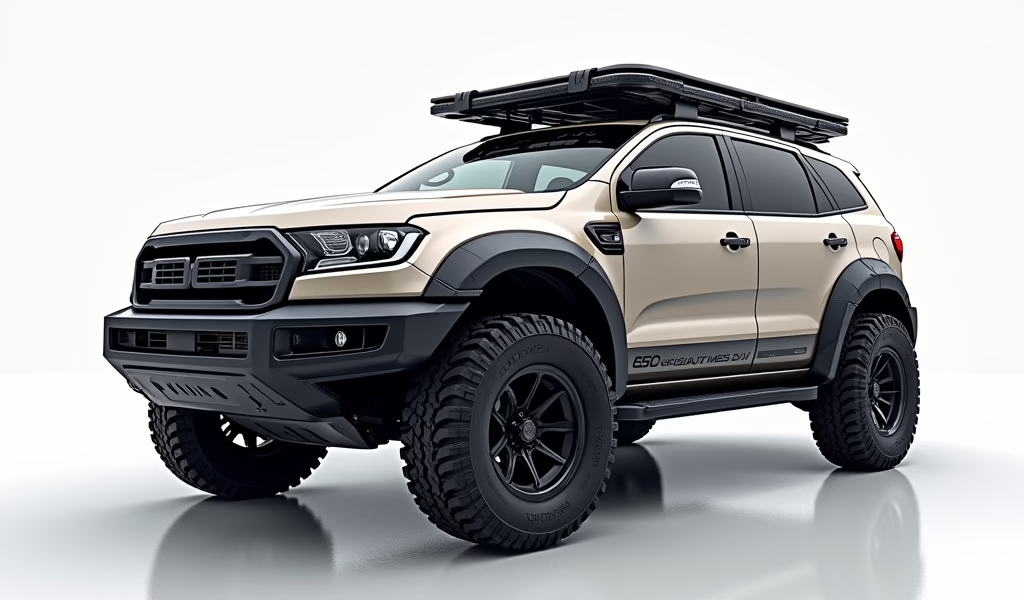
Overview
This guide takes you from bash bar basics to becoming a front-end fortification guru faster than you can say “honey, I crushed the bumper again.” It thoroughly covers everything from selecting the right materials and designs, proper installation techniques with common pitfalls to avoid, necessary maintenance practices, and legal considerations to ensure your vehicle receives maximum protection without running afoul of regulations.
# Bash Bar Brilliance: Ultimate Guide to Fortifying Your Vehicle’s Front End
Table of Contents
- Understanding Bash Bars: What They Are and Why You Need One
- The Top Benefits of Bash Bars for Your Vehicle
- Choosing the Right Bash Bar: Materials, Designs, and Compatibility
- Essential Tools and Preparations for Bash Bar Installation
- Step-by-Step Guide to Bash Bar Installation
- Common Mistakes to Avoid During Bash Bar Installation
- Maintenance Tips for Your Bash Bar
- Legal Considerations for Bash Bar Installation
- Conclusion
- Frequently Asked Questions
Understanding Bash Bars: What They Are and Why You Need One
Bash bar installation is one of the smartest investments you can make to protect your vehicle’s front end. As a mechanic who’s seen countless mangled bumpers and crumpled hoods over the years, I can tell you that a quality bash bar is like an insurance policy you can actually see.
So what exactly is a bash bar? Simply put, it’s a reinforced metal barrier that mounts behind or in place of your vehicle’s front bumper. Unlike factory bumpers that often prioritize aesthetics and minor impact absorption, bash bars are designed specifically for serious protection. They’re built to take a beating so your engine bay doesn’t have to.
These rugged additions originated in the off-roading community, where trail obstacles and rough terrain pose constant threats to vehicle front ends. Today, they’ve crossed over into everyday use for drivers seeking extra protection and a touch of rugged style. Whether you’re navigating city streets filled with distracted drivers or tackling weekend adventures off the beaten path, a bash bar provides peace of mind that’s worth its weight in gold—or in this case, steel.
The Top Benefits of Bash Bars for Your Vehicle
The advantages of a proper bash bar installation extend far beyond simple bumper protection. Let me break down why these aftermarket additions have become so popular among various driving communities.
First and foremost is superior impact protection. Factory bumpers, particularly on modern vehicles, are primarily designed for pedestrian safety and minor fender benders. They’re often made of plastic with minimal structural reinforcement. A quality bash bar, constructed from steel or aluminum, provides substantially better protection against impacts with obstacles, wildlife, or unfortunately, other vehicles.
Recovery points are another major benefit. Most bash bars include integrated mounting points for winches, shackles, or tow hooks. This feature is invaluable if you ever find yourself stuck or need to help recover another vehicle. Instead of searching for a suitable attachment point under stress, you’ll have purpose-built recovery options ready to go.
Let’s not overlook the aesthetic appeal. There’s something undeniably rugged about a well-designed bash bar that transforms your vehicle’s appearance. It communicates capability and preparedness while giving your ride a distinctive look that stands out from factory-equipped vehicles.
Additionally, bash bars can provide mounting points for auxiliary lighting, which is perfect for improving visibility during off-road adventures or simply adding more illumination for night driving on dark rural roads. The Society of Automotive Engineers has extensive research showing how auxiliary lighting can significantly improve driving safety in low-visibility conditions.
Finally, there’s the potential for increased resale value. Vehicles equipped with quality bash bars and other thoughtful modifications often command higher prices in the right markets. Buyers looking for capable, well-protected vehicles recognize the value of these additions—especially when they’ve been professionally installed.
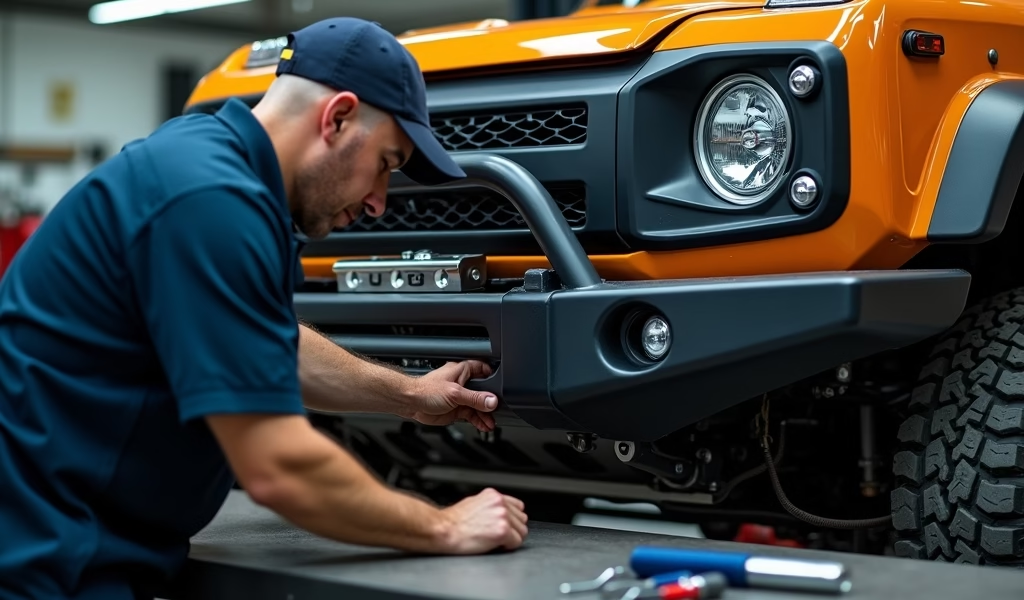
Choosing the Right Bash Bar: Materials, Designs, and Compatibility
Selecting the perfect bash bar for your vehicle isn’t a decision to rush through. There’s a world of difference between various models, and the right choice depends on your specific needs and vehicle.
Material should be your first consideration. Steel bash bars offer maximum strength and durability, making them ideal for serious off-roading and protection. However, they add significant weight to your vehicle’s front end, which can affect handling and fuel economy. Aluminum alternatives provide a compelling middle ground—they’re lighter than steel while still offering substantial protection. For those primarily concerned with aesthetics and minor protection, there are even composite options available.
Design variations abound in the bash bar market. Full-replacement bash bars completely substitute your factory bumper, while overlay models mount on top of your existing bumper. Tubular designs emphasize weight savings and a minimalist appearance, while plate designs provide maximum coverage and protection. Some incorporate built-in skid plates to protect your vehicle’s undercarriage, which is particularly valuable for off-road enthusiasts.
Compatibility is absolutely crucial. Always verify that your chosen bash bar is specifically designed for your vehicle’s make, model, and year. Universal bash bars exist, but they typically require modifications that can compromise both installation quality and protection. Additionally, consider whether your bash bar needs to accommodate existing features like parking sensors, adaptive cruise control systems, or factory fog lights.
Budget considerations will inevitably factor into your decision. While it’s tempting to save money on cheaper options, remember that your bash bar is a safety component. Quality materials, precision manufacturing, and proper coating for corrosion resistance are worth paying extra for. As we say in the shop, “Buy once, cry once”—investing in quality now prevents disappointment (and potentially greater expense) later.
Finally, think about your specific needs. Are you primarily looking for wildlife protection for rural driving? Do you need winch compatibility for recovery operations? Are you seeking something that maintains aerodynamics for highway driving? Or perhaps you want the most aggressive, trail-ready option for weekend warrior duties? Clarifying your priorities will help narrow down your options considerably.
Essential Tools and Preparations for Bash Bar Installation
Before diving into your bash bar installation, gathering the right tools and making proper preparations will save you countless headaches. Having spent years installing aftermarket components, I can assure you that preparation is half the battle.
First, let’s talk about the essential tools you’ll need:
- Socket set (both metric and standard, depending on your vehicle)
- Torque wrench for proper bolt tightening
- Floor jack and jack stands for safe access to the underside
- Drill and various drill bits (often needed for mounting points)
- Trim removal tools to prevent damaging plastic components
- Wire cutters/strippers if your bash bar includes lighting options
- Thread locker compound to prevent bolts from vibrating loose
- Anti-seize compound for any stainless hardware
Workspace preparation is equally important. You’ll need a flat, level surface with enough room to maneuver around the front of your vehicle. Good lighting is absolutely essential—a portable shop light can illuminate the dark recesses behind your bumper where important connections hide. If you’re working outdoors, check the weather forecast and plan for dry conditions.
Thoroughly read the installation instructions before starting. This might seem obvious, but you’d be surprised how many people dive in without reviewing the process first. Every bash bar is different, and manufacturer-specific instructions will alert you to potential issues or special requirements for your particular model.
Document your starting point by taking plenty of photos before disassembly. These references will be invaluable if you encounter confusion during reassembly or need to return to stock configuration later. Pay special attention to capturing wire routing, clip locations, and bolt placements.
Finally, allocate enough time. Rush jobs lead to mistakes, stripped bolts, and frustration. Based on my experience, set aside at least 3-4 hours for your first bash bar installation, even if the manufacturer claims it’s a “quick 1-hour job.” Having extra time reduces stress and ensures you can address any unexpected challenges that arise.
Step-by-Step Guide to Bash Bar Installation
Now that you’re properly prepared, let’s walk through the bash bar installation process. While specific steps may vary depending on your vehicle and bash bar model, this general guide will help you navigate the key stages of the process.
Step 1: Vehicle Preparation
- Disconnect the negative terminal of your battery to prevent electrical shorts or airbag deployment
- Safely raise and secure the front of your vehicle if underbody access is needed
- Remove license plate, if applicable
Step 2: Removing the Factory Bumper
- Start by removing plastic trim pieces, fog light assemblies, and grille components as needed
- Disconnect any electrical connections for fog lights, parking sensors, or other features
- Remove the fasteners securing the bumper to the vehicle frame
- Carefully pull the bumper away, being mindful of any remaining wiring connections
Step 3: Preparing the Mounting Area
- Clean the exposed frame rails or mounting points
- Inspect for rust or damage that might compromise your installation
- If required by your bash bar, install the provided mounting brackets
Step 4: Test Fitting
- With help from a friend, position the bash bar against the mounting points without fully securing it
- Verify alignment, checking for level installation and proper clearance with other components
- Make note of any adjustments needed before final installation
Step 5: Final Installation
- Apply thread locker to bolts if recommended by the manufacturer
- Secure the bash bar to the mounting points, starting with hand-tightening all fasteners
- Following a cross pattern, gradually tighten all bolts to the specified torque values
- Double-check all connections and ensure no components are binding or under stress
Step 6: Electrical Connections and Accessories
- Reinstall fog lights or add auxiliary lighting as desired
- Reconnect parking sensors or other electronic features, routing wiring carefully to prevent pinching
- For winch-compatible bash bars, install the winch according to its specific instructions
Step 7: Final Checks
- Verify all fasteners are properly tightened to specified torque values
- Test all electrical components to ensure they function correctly
- Check for any rubbing or clearance issues with full steering lock in both directions
- Reconnect the battery and clear any diagnostic codes that may have appeared
Remember that your first drive after installation should be gentle, with attention to any unusual noises or vibrations that might indicate installation issues. After about 100 miles, recheck all fasteners as vibration can cause them to loosen initially.
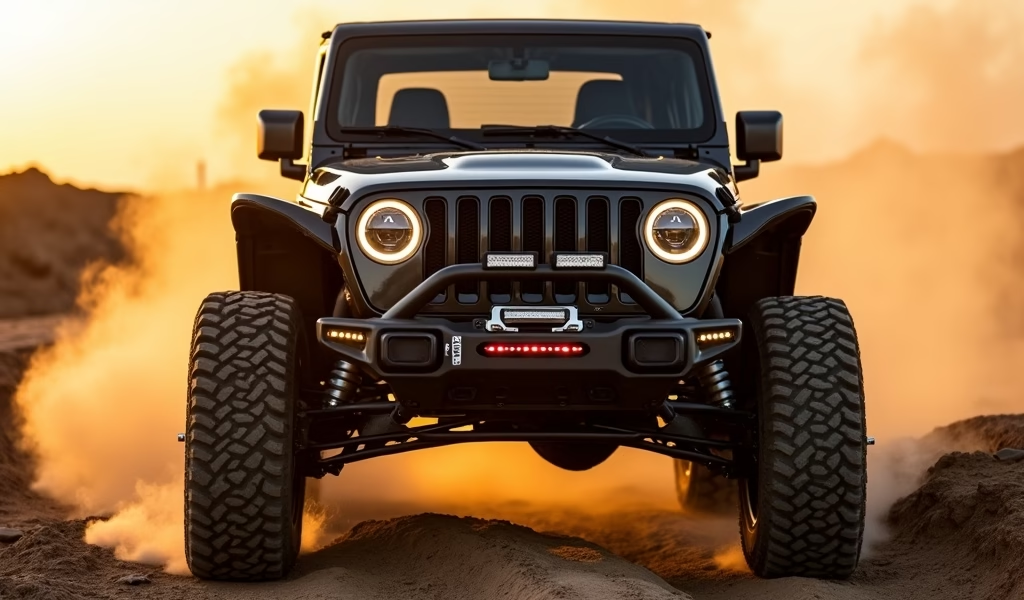
Common Mistakes to Avoid During Bash Bar Installation
Even seasoned mechanics can make mistakes during bash bar installation. Being aware of these common pitfalls will help you achieve better results and avoid frustrating do-overs.
Overtightening fasteners is perhaps the most frequent error I see. In an effort to ensure everything is secure, many people apply excessive torque, which can strip threads, deform mounting brackets, or even crack the bash bar itself. Always use a torque wrench and follow the manufacturer’s specifications. Remember: tight is tight—overtight is broken.
Ignoring vehicle electronics is another major misstep. Modern vehicles are packed with sensors and cameras, particularly in the front end. Disconnecting these improperly can trigger warning lights, disable safety features, or cause erratic behavior. Always follow proper procedures for disconnecting electronic components, and consider whether professional calibration may be needed after installation.
Rushing through the test fit phase frequently leads to problems. A proper test fit allows you to identify clearance issues, alignment problems, and missing hardware before final installation. Take your time during this step—it’s much easier to make adjustments with loosely positioned components than after everything is torqued down.
Neglecting corrosion protection is setting yourself up for future headaches. Wherever metal components meet—especially dissimilar metals—galvanic corrosion can occur. Apply appropriate anti-seize compounds to fasteners and consider using dielectric grease on electrical connections. This small step prevents seized bolts and electrical failures down the road.
Failing to account for added weight represents a serious oversight. A substantial steel bash bar can add 50-100 pounds to your vehicle’s front end. This additional weight may necessitate suspension adjustments, particularly on vehicles with carefully tuned handling characteristics. According to NHTSA guidelines, significant modifications to vehicle weight distribution may require compensatory adjustments to maintain safe handling characteristics.
Lastly, skipping the break-in period is unwise. After installation, drive conservatively for the first 100-200 miles while the components settle. Then perform a thorough inspection, rechecking all fasteners and looking for any signs of interference or unusual wear. This simple precaution can prevent more serious issues from developing.
Maintenance Tips for Your Bash Bar
Proper maintenance ensures your bash bar will provide years of protection and maintain its appearance. These simple yet effective maintenance practices will extend the life of your investment considerably.
Regular cleaning is fundamental but often overlooked. Road grime, mud, salt, and debris can accumulate in the nooks and crannies of your bash bar, accelerating corrosion and deteriorating finishes. Use a pressure washer or garden hose to flush out hidden areas, particularly after off-road excursions or winter driving. For powder-coated or painted bash bars, apply automotive wax several times yearly to preserve the finish and make future cleaning easier.
Fastener inspection should become part of your routine maintenance schedule. Every few thousand miles, check all mounting bolts with the appropriate tools to ensure they remain properly torqued. Vehicular vibration can gradually loosen even properly installed hardware, so this simple check prevents more serious issues from developing. If you discover loose fasteners, remove them one at a time, apply fresh thread locker, and reinstall to the correct torque specification.
Pay special attention to electrical connections if your bash bar includes auxiliary lighting or other powered accessories. Vibration and exposure to the elements make these connections particularly vulnerable. Apply dielectric grease to connectors during installation and reapplication during maintenance to prevent corrosion and ensure reliable operation.
For winch-equipped bash bars, proper winch maintenance is essential. Regularly inspect the winch cable or rope for fraying or damage, and follow the winch manufacturer’s recommendations for periodic cable respooling and motor testing. Even if you rarely use your winch, operating it briefly every few months prevents internal components from seizing.
Finally, address damage promptly when it occurs. Even minor impacts can affect bash bar alignment or compromise mounting points. After any significant collision—even one that your bash bar successfully protected you from—perform a thorough inspection of all mounting hardware and structural components. As the Insurance Institute for Highway Safety research indicates, seemingly minor impacts can create hidden structural issues that compromise future protection.
Legal Considerations for Bash Bar Installation
Before investing in a bash bar installation, it’s crucial to understand the legal landscape surrounding these modifications. Requirements vary significantly between jurisdictions, and ignorance of the law won’t protect you from potential fines or liability issues.
Pedestrian safety regulations represent the most significant legal hurdle for bash bar installations in many regions. Modern vehicle front ends are specifically designed with pedestrian impact mitigation in mind, incorporating crumple zones and energy-absorbing materials. Replacing these systems with rigid metal structures may violate local vehicle codes. Some jurisdictions require bash bars to incorporate specific safety features or meet impact absorption standards.
Height restrictions also apply in many areas. Bash bars that significantly alter your vehicle’s front profile or extend too far forward may run afoul of regulations designed to maintain consistent impact zones between vehicles. Check your local transportation authority’s guidelines for specific measurements and restrictions.
Lighting modifications often accompany bash bar installations, adding another layer of legal complexity. Auxiliary lights must typically be properly aimed, correctly colored (amber or white for forward-facing lights), and used according to local regulations. Many jurisdictions prohibit the use of off-road lighting on public roads or require them to be covered when not in use on designated off-road areas.
Insurance implications deserve careful consideration. Some insurance providers may consider a bash bar a significant modification that affects your policy. At minimum, you should notify your insurer of the modification. In some cases, your premiums may increase, or your insurer may require professional installation documentation. Failing to disclose such modifications could potentially void coverage in the event of an accident.
The most prudent approach is to research your specific location’s regulations before purchase and installation. Contact local transportation authorities or consult with automotive modification specialists familiar with regional requirements. While this extra step might seem tedious, it prevents the much larger headache of being forced to remove a non-compliant bash bar or facing fines for unauthorized modifications.
Conclusion
Bash bar installation represents a significant enhancement to your vehicle’s protection capabilities when done correctly. Throughout this guide, we’ve explored the critical aspects of selecting, installing, and maintaining these robust front-end modifications. From understanding the different materials and designs to navigating the installation process and avoiding common pitfalls, proper preparation and knowledge are your best tools.
Remember that a quality bash bar is an investment in your vehicle’s longevity and your peace of mind. While the upfront cost and installation effort may seem substantial, the protection provided against expensive front-end damage more than justifies these considerations for many drivers.
Take the time to research compatible options for your specific vehicle, gather the proper tools, and follow installation instructions meticulously. Pay attention to the legal considerations in your area, and commit to regular maintenance to ensure your bash bar continues to perform as intended for years to come.
Whether you’re an off-road enthusiast seeking protection from trail obstacles, a rural driver concerned about wildlife collisions, or simply someone who wants added security in unpredictable driving environments, a properly installed bash bar delivers tangible benefits. By following the guidelines outlined in this article, you’ll be well-equipped to make informed decisions throughout the process of adding this valuable protection to your vehicle.
Frequently Asked Questions
Will installing a bash bar void my vehicle warranty?
Modifications like bash bars may affect warranty coverage for related components but cannot void your entire warranty. The Magnuson-Moss Warranty Act protects consumers, requiring manufacturers to prove the modification caused the failure before denying warranty claims.
How much weight does a bash bar typically add to my vehicle?
Depending on materials and design, bash bars typically add between 30-100 pounds to your vehicle’s front end. Steel versions are the heaviest, while aluminum alternatives offer better weight characteristics with slightly less protection.
Can I install a bash bar myself or should I hire a professional?
DIY installation is feasible for mechanically-inclined individuals with proper tools and workspace. For those with limited experience or vehicles with complex electronics, professional installation ensures proper fitment and functionality.
Do bash bars affect airbag deployment or crash sensors?
Quality bash bars designed for your specific vehicle should not interfere with safety systems when properly installed. Always verify that your chosen model is compatible with your vehicle’s safety features and follow installation instructions precisely.
How do bash bars affect fuel economy?
Bash bars typically reduce fuel economy by 1-3 mpg due to added weight and decreased aerodynamics. The actual impact varies based on the bash bar design, with more minimalist options causing less efficiency loss.