
Overview
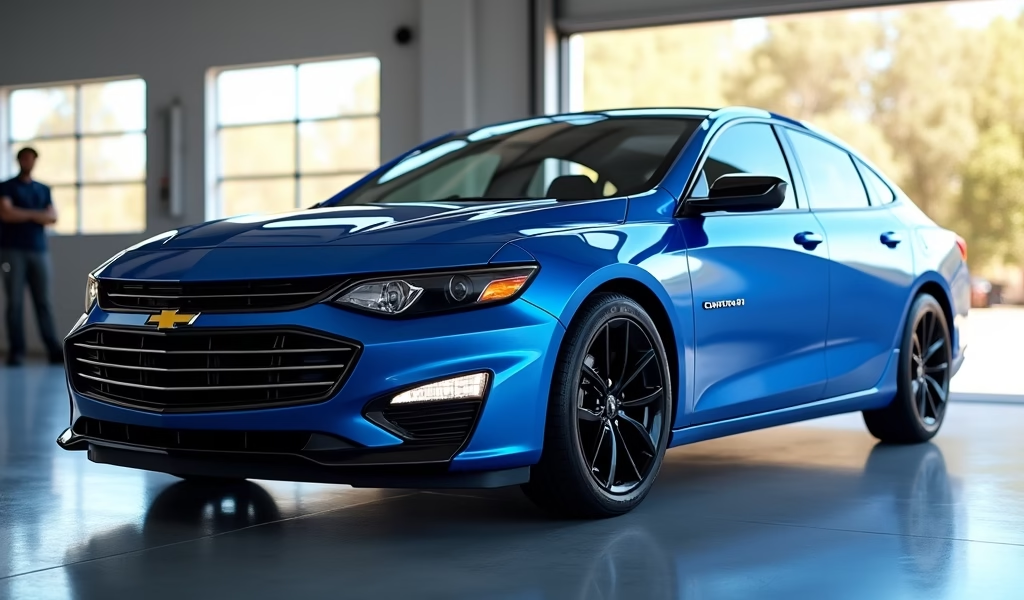
This grease-stained guide to Chevy Malibu maintenance comes from a mechanic who’s seen more blown transmissions than a demolition derby announcer. The article provides seven essential maintenance tips for Malibu owners—covering everything from proper oil changes and transmission care to cooling system maintenance, brake upkeep, electrical system monitoring, tire maintenance, and scheduled service intervals—all aimed at helping these generally reliable vehicles reach 200,000+ miles without major issues.
Table of Contents
- Introduction
- The Chevy Malibu: A Quality Assessment
- Maintenance Tip #1: Follow the Recommended Oil Change Schedule
- Maintenance Tip #2: Monitor and Maintain the Transmission
- Maintenance Tip #3: Keep the Cooling System in Check
- Maintenance Tip #4: Pay Attention to Brake Maintenance
- Maintenance Tip #5: Don’t Ignore the Electrical System
- Maintenance Tip #6: Maintain Proper Tire Care
- Maintenance Tip #7: Keep Up with Scheduled Maintenance
- Conclusion
- Frequently Asked Questions
Introduction
When customers ask me “Are Chevy Malibus good cars?” after 25 years as a certified mechanic, I give them a straight answer: Yes, but like any vehicle, they require proper maintenance to truly shine.
The Chevrolet Malibu has earned its place as a staple in the American automotive landscape. This midsize sedan balances reliability, comfort, and affordability in a package that continues to evolve with each generation. From my experience servicing countless Malibus at our shop, these vehicles offer solid dependability when properly maintained.
Today, I’m sharing insights gained from diagnosing, repairing, and maintaining Chevy Malibus over two decades. These seven proven maintenance tips will help your Malibu reach impressive mileage milestones while avoiding common pitfalls that can lead to expensive repairs. Whether you’re a current owner or considering purchasing a used Malibu, these professional recommendations will maximize your driving experience and protect your investment.
The Chevy Malibu: A Quality Assessment
Before diving into maintenance specifics, let’s assess what makes the Malibu a compelling choice in the midsize sedan category.
History and Evolution
The Malibu nameplate first appeared in 1964 as a premium trim level of the Chevrolet Chevelle. Since then, it has evolved from a muscle car into the refined family sedan we know today. The current generation (introduced in 2016) represents Chevrolet’s most sophisticated iteration yet, featuring impressive fuel economy, comfortable interiors, and modern technology packages.
After working on various generations, I’ve noticed significant improvements in build quality, especially in models from 2016 onwards. The ninth-generation Malibu addressed many of the issues that plagued earlier models, particularly transmission concerns and electrical quirks.
Reliability Metrics
According to J.D. Power reliability studies, recent Malibu models typically score between 80-85 out of 100 for dependability—above average for the segment. Consumer Reports data similarly shows respectable reliability ratings, with most issues centering around minor electrical components rather than major mechanical failures.
From my repair shop experience, Malibus from 2016 onwards typically require fewer unscheduled repairs compared to many competitors. However, the 2013-2015 models had more frequent transmission complaints, something potential used car buyers should note.
Owner Experience
When properly maintained, Malibu owners commonly report:
- Smooth, comfortable ride quality
- Impressive fuel economy (especially in 1.5L turbocharged models)
- Spacious interiors with comfortable seating
- User-friendly infotainment systems
- Good highway stability and noise insulation
Common complaints typically involve:
- Modest acceleration in base models
- Some interior materials feeling less premium
- Transmission issues in specific model years (primarily 2010-2015)
- Limited rear headroom in some generations
Now let’s examine the maintenance practices that will keep your Malibu performing at its best for years to come.
Maintenance Tip #1: Follow the Recommended Oil Change Schedule
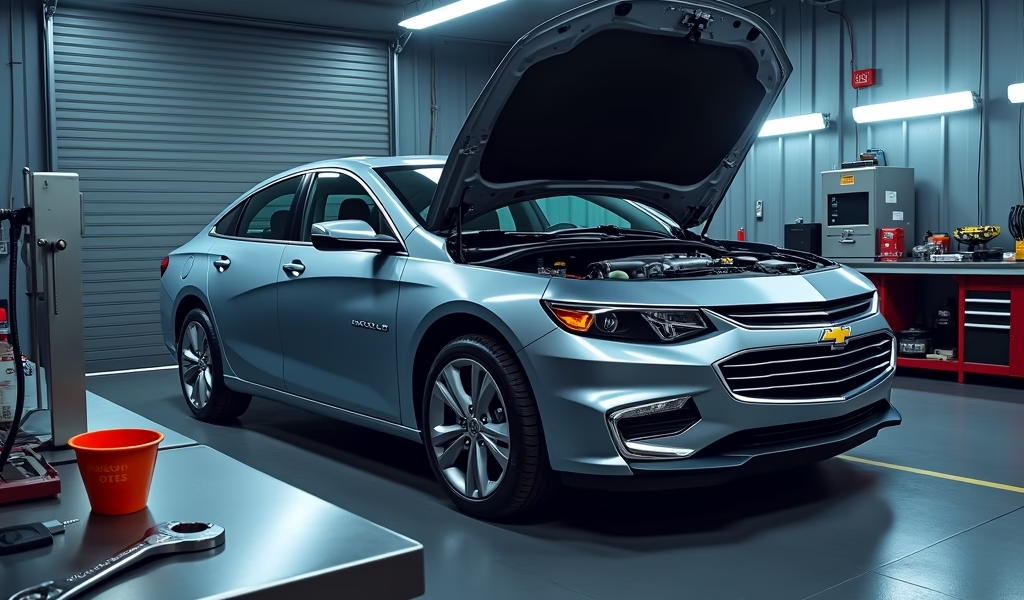
Oil is the lifeblood of your Malibu’s engine. After diagnosing numerous preventable engine failures, I can confidently say that proper oil maintenance is the single most important factor in your vehicle’s longevity.
For most modern Malibus (2016 and newer), Chevrolet recommends oil changes every 7,500 miles when using synthetic oil under normal driving conditions. However, if you frequently make short trips (less than 10 miles), drive in extreme temperatures, or experience heavy stop-and-go traffic, you’re operating under “severe” conditions and should change your oil every 5,000 miles instead.
Your Malibu’s oil life monitoring system will typically alert you when service is needed, but don’t rely exclusively on this feature. I recommend physically checking your oil level and condition monthly using the dipstick—it takes less than a minute and can identify potential issues before they cause damage.
Oil Selection Matters
Modern Malibus require specific oil formulations:
- 2016-present 1.5L Turbo: 0W-20 synthetic oil
- 2016-present 2.0L Turbo: 5W-30 synthetic oil
- 2013-2015 models: 5W-30 conventional or synthetic
Using the wrong viscosity can impact fuel economy and potentially void your warranty. I’ve seen too many engines damaged by incorrect oil types to emphasize this enough—always refer to your owner’s manual for the exact specification.
When changing oil, don’t forget to replace the filter simultaneously. A fresh filter ensures proper oil flow and removes contaminants that can accelerate engine wear. The modest cost difference between basic and premium filters makes upgrading to a high-quality filter a wise investment in engine protection.
Maintenance Tip #2: Monitor and Maintain the Transmission
Transmission problems have historically been the most costly repair issues for certain Malibu generations, particularly the 2010-2015 models. Having replaced dozens of these units, I can tell you that preventative maintenance could have saved many owners thousands of dollars.
While Chevrolet officially recommends transmission fluid service around 45,000-50,000 miles for many recent Malibus, my professional recommendation is a more conservative 30,000-40,000 mile interval. This proactive approach provides additional protection against the thermal breakdown that degrades transmission fluid over time.
Warning Signs of Transmission Issues
Pay close attention to these symptoms that indicate your Malibu’s transmission needs attention:
- Delayed engagement when shifting from park to drive
- Rough or harsh shifting between gears
- Unusual noises (whining, grinding, or buzzing)
- Burning smell from the transmission fluid
- Slipping gears or unexpected shifts to neutral
If you experience any of these symptoms, have your vehicle checked immediately. Early intervention can often prevent a complete transmission failure, potentially saving you $3,000-$5,000 in replacement costs.
Fluid Type Specificity
Malibu transmissions are particularly sensitive to fluid specifications. Always use the exact transmission fluid recommended by Chevrolet—usually Dexron VI for older models and specific GM transmission fluids for newer ones. Using the incorrect fluid, even if it claims to be “compatible,” can cause shifting problems and accelerate wear.
For owners of 2016-present Malibus with the 9-speed automatic transmission, note that this unit is sealed and doesn’t have a traditional dipstick. Fluid service for these transmissions requires specialized equipment and procedures best performed by qualified technicians.
Maintenance Tip #3: Keep the Cooling System in Check
Engine overheating can quickly turn a minor issue into a catastrophic failure. After rebuilding numerous overheated engines, I’ve developed a deep respect for proper cooling system maintenance.
Chevrolet’s official recommendation for coolant replacement in modern Malibus is 150,000 miles or 5 years. However, based on my observations of coolant degradation, I recommend a more cautious approach: replace your coolant every 60,000-75,000 miles or 3-4 years, whichever comes first.
Regularly check your coolant level when the engine is cool. The coolant should reach the “FULL” mark on the recovery tank. If you frequently need to add coolant, have your system inspected for leaks—coolant doesn’t simply “disappear” without cause.
Cooling System Components to Monitor
- Radiator: Inspect for external damage and ensure the fins aren’t clogged with debris
- Hoses: Check for cracks, bulges, or softening near connection points
- Water pump: Listen for unusual whining noises which may indicate bearing failure
- Thermostat: Monitor for consistent engine operating temperature
- Cooling fans: Ensure they activate properly when the engine reaches operating temperature
The 2013-2016 Malibus with the 2.5L engine have shown occasional water pump issues around the 60,000-mile mark. If you own one of these models, consider a preventative water pump replacement during your 60,000-mile service, especially if you plan to keep the vehicle long-term.
Always use the correct coolant type for your Malibu. Most recent models require Dex-Cool (orange) coolant, which is formulated specifically for GM vehicles. Mixing coolant types can cause system damage and cooling efficiency reduction—something I’ve unfortunately had to repair too many times.
Maintenance Tip #4: Pay Attention to Brake Maintenance
Your Malibu’s braking system is its most critical safety feature. Through years of brake repairs, I’ve developed a simple rule: never compromise on brake maintenance.
Brake pad life on Chevy Malibus typically ranges from 30,000-70,000 miles, depending on driving habits and conditions. City driving with frequent stops will wear pads faster than highway cruising. Regular inspection is your best defense against brake problems.
Visual Brake Inspection
Even without mechanical experience, you can perform a basic brake inspection:
- Look through your wheel spokes at the brake pads—they should have at least ¼ inch of material
- Check for even wear across the pad surface
- Inspect rotors for deep grooves, cracks, or uneven surfaces
- Look for fluid leaks around wheels or under the car
Pay attention to these warning signs that indicate brake service is needed:
- Squealing, grinding, or growling noises when braking
- Vibration or pulsation through the brake pedal
- Longer stopping distances than normal
- Brake pedal feels soft or sinks toward the floor
- Vehicle pulls to one side during braking
When replacing brake components, quality matters significantly. I’ve seen the performance difference between economy and premium brake parts firsthand. While premium pads and rotors cost more initially, they typically offer better stopping power, longer life, and less noise—ultimately providing better value and safety.
Don’t forget to replace brake fluid every 3 years or 45,000 miles. Brake fluid absorbs moisture over time, reducing its effectiveness and potentially causing internal corrosion. This simple service costs relatively little but provides substantial protection for your braking system.

Maintenance Tip #5: Don’t Ignore the Electrical System
Modern Malibus rely heavily on electrical systems for everything from engine management to comfort features. After diagnosing countless electrical issues, I can tell you that many problems stem from basic maintenance neglect.
Your battery is the foundation of the electrical system, typically lasting 3-5 years in most climates. I recommend having your battery tested annually after it reaches 2 years old. Most auto parts stores offer free testing services, making this a no-cost preventative measure.
Battery Maintenance
Simple battery care can prevent many electrical issues:
- Keep terminals clean of corrosion (a mixture of baking soda and water works well)
- Ensure connections are tight but not over-tightened
- Check that the battery is securely mounted
- If you notice slow cranking, have the battery and charging system tested immediately
The alternator in your Malibu typically lasts 100,000-150,000 miles, but failures can occur earlier. Signs of alternator issues include dimming headlights when idling, battery warning lights, and electrical accessories functioning inconsistently. A failing alternator will eventually leave you stranded, so address warning signs promptly.
Don’t overlook fuses when diagnosing electrical problems. Malibu models have fuse panels both under the hood and inside the vehicle (typically on the left side of the instrument panel). A blown fuse often indicates an underlying issue that should be addressed rather than simply replacing the fuse repeatedly.
For 2016-present Malibus with the advanced MyLink infotainment system, occasionally performing a system reset can prevent glitches. This can usually be done by pressing and holding the power button for 10 seconds, similar to rebooting a computer.
Maintenance Tip #6: Maintain Proper Tire Care
Tires are your Malibu’s only contact points with the road, making them crucial for safety, handling, and fuel efficiency. After seeing countless premature tire replacements, I can confidently say that proper tire maintenance can double your tire lifespan.
Chevrolet recommends rotating your Malibu’s tires every 7,500 miles. This interval conveniently coincides with oil changes if you’re using synthetic oil, making it easy to remember. Rotation ensures even wear across all four tires, maximizing their service life and maintaining consistent handling characteristics.
Tire Pressure: The Most Neglected Maintenance
Check your tire pressure monthly and before long trips. The recommended pressure can be found on the driver’s door jamb sticker (not the maximum pressure listed on the tire sidewall). Driving with properly inflated tires improves:
- Fuel economy by up to 3%
- Handling precision and stability
- Braking performance
- Tire lifespan by reducing irregular wear
Underinflation is particularly dangerous, leading to excessive heat buildup that can cause blowouts. Overinflation reduces traction and creates a harsher ride. Either condition accelerates tire wear and compromises safety.
Alignment should be checked annually or whenever you notice your Malibu pulling to one side. Proper alignment ensures even tire wear and precise steering response. Many alignment issues develop gradually, making them easy to overlook until significant tire damage has occurred.
When replacing tires, consider your driving conditions and priorities. All-season tires work well for most Malibu drivers, offering a good balance of performance, comfort, and longevity. For those in areas with severe winters, dedicated winter tires provide dramatically improved traction and safety when temperatures drop below 45°F.
Quality matters with tires—they’re not the place to economize. I’ve seen the performance differences between budget and premium tires in emergency situations, and the safety margin provided by quality tires can be significant. Consider tires as an investment in safety rather than simply an expense.
Maintenance Tip #7: Keep Up with Scheduled Maintenance
Following your Malibu’s maintenance schedule is like adhering to a preventative healthcare regimen—it helps catch small issues before they become serious problems. As someone who’s had to deliver the bad news about costly repairs that could have been prevented, I strongly advocate for following manufacturer recommendations.
For most recent Malibu models, key service intervals include:
- Every 7,500 miles: Oil change, tire rotation, multi-point inspection
- Every 15,000 miles: Cabin air filter replacement
- Every 30,000 miles: Engine air filter, transmission fluid (my recommendation)
- Every 45,000 miles: Brake fluid flush
- Every 60,000 miles: Spark plug replacement, coolant flush (my recommendation)
- Every 100,000 miles: Timing chain inspection (for applicable engines)
These intervals may vary based on your specific model year and driving conditions. Always refer to your owner’s manual for the definitive maintenance schedule tailored to your vehicle.
Keep detailed records of all maintenance performed. A comprehensive service history not only helps you track what’s been done but also significantly increases your Malibu’s resale value. Buyers are willing to pay a premium for well-maintained vehicles with documented service records.
DIY vs. Professional Maintenance
While some maintenance tasks are suitable for DIY enthusiasts (checking fluid levels, replacing air filters, changing wiper blades), others require specialized tools and expertise. Transmission service, alignment, and complex electrical diagnostics are best left to professionals with proper equipment and training.
When choosing a service provider, consider certified technicians with experience working on Chevrolet vehicles. Specialized knowledge of common Malibu issues can save diagnostic time and ensure proper repairs. Ask about warranty coverage for parts and labor—reputable shops stand behind their work.
One maintenance strategy I recommend is establishing a relationship with a trusted mechanic for routine service rather than bouncing between different providers. This allows the technician to become familiar with your specific vehicle’s history and peculiarities, often leading to more accurate diagnostics and preventative recommendations.
Conclusion
So, are Chevy Malibus good cars? After decades of working on virtually every make and model, my professional assessment is yes—with the caveat that, like any vehicle, their longevity and reliability depend heavily on how well they’re maintained.
The Malibu offers solid engineering, respectable fuel economy, and comfortable transportation at a reasonable price point. While certain model years had specific issues (particularly 2010-2015 transmission concerns), the current generation has proven quite reliable when properly cared for. Many of the best cars for 2025 follow similar design philosophies.
By following the seven maintenance tips outlined in this article, you can maximize your Malibu’s performance and lifespan while minimizing unexpected repair costs. Remember that preventative maintenance is always less expensive than reactive repairs.
The most important takeaways for Malibu owners:
- Follow recommended oil change intervals using the correct oil specification
- Don’t neglect transmission maintenance, especially fluid changes
- Monitor cooling system condition to prevent overheating
- Maintain brakes for safety and performance
- Keep the electrical system in good condition, starting with battery care
- Properly maintain tires through rotation, pressure checks, and alignment
- Adhere to the recommended maintenance schedule
With proper care, many Chevrolet Malibus can easily surpass 200,000 miles of reliable service. I’ve personally seen well-maintained examples with significantly higher mileage still providing dependable transportation. The key difference between these high-mileage success stories and vehicles that fail prematurely isn’t luck—it’s consistent, quality maintenance.
Whether you’re a current Malibu owner looking to maximize your investment or a prospective buyer considering this model, I hope these professional insights help you enjoy many trouble-free miles in your Chevrolet Malibu.
Frequently Asked Questions
How long do Chevy Malibus typically last?
With proper maintenance, a Chevy Malibu can reliably last 200,000-250,000 miles. Many well-maintained examples exceed this range, while neglected vehicles may experience significant issues before 150,000 miles.
Which Malibu model years should I avoid?
The 2010-2015 model years experienced more transmission problems than other generations. The 2013 model year in particular had higher reported issues with power equipment and transmission concerns.
Is the Chevy Malibu expensive to maintain?
The Malibu has average maintenance costs compared to other midsize sedans. Annual maintenance typically ranges from $500-$700, with costs increasing as the vehicle ages.
Does the Chevy Malibu hold its value well?
The Malibu experiences average depreciation for its segment. It typically retains about 45-50% of its value after five years, slightly below segment leaders like the Honda Accord and Toyota Camry.
Is the Chevy Malibu fuel-efficient?
Yes, especially the 1.5L turbocharged models that achieve up to 36 MPG highway. The Malibu Hybrid (2016-2019) offers even better efficiency with ratings up to 49 MPG city.