
Overview
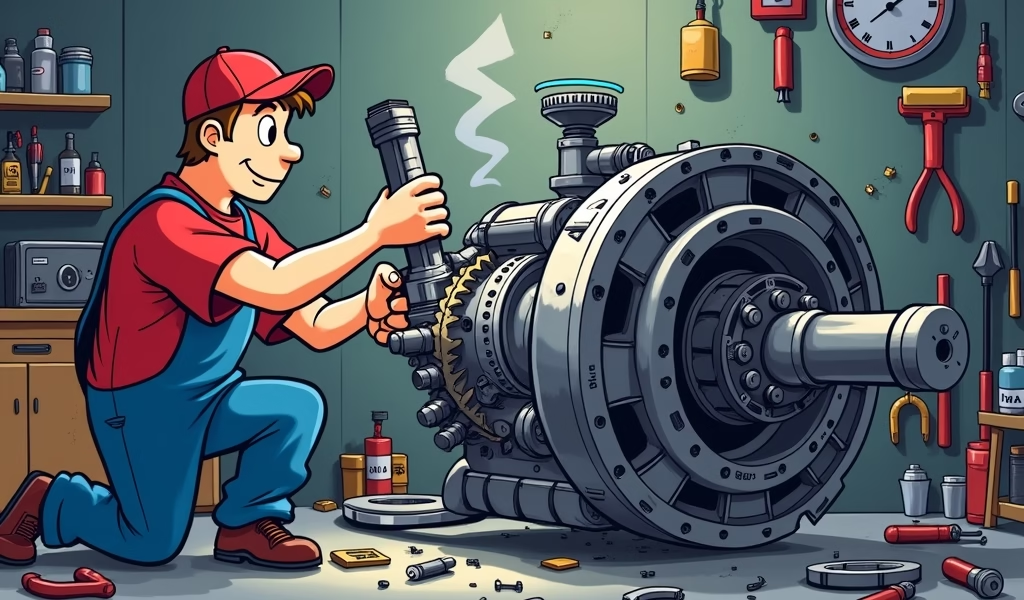
Like a faithful companion with occasional quirks, your Acura Integra’s transmission requires attentive care to avoid the common issues that plague both manual models (typically synchro wear in second and third gears) and automatics (solenoid and torque converter problems). Regular maintenance with proper Honda-specified fluids, prompt attention to warning signs like unusual noises or shifting difficulties, and knowing when to DIY versus seek professional help can extend your transmission’s life from the typical 150,000-200,000 miles to well beyond, saving thousands in potential repair costs.
Table of Contents
- Understanding Acura Integra Transmission Issues
- Common Symptoms of Transmission Problems
- Specific Transmission Issues in Acura Integra
- Preventative Maintenance to Avoid Costly Repairs
- DIY vs. Professional Repairs: What You Can Handle
- Cost Considerations for Transmission Repairs
- When to Repair vs. When to Replace
- Conclusion
- Frequently Asked Questions
Understanding Acura Integra Transmission Issues
The Acura Integra has earned its reputation as a reliable, sporty compact that delivers an engaging driving experience. However, even these well-built vehicles can develop transmission problems over time. As someone who’s been elbow-deep in Integra transmissions for over 15 years, I can tell you that understanding these issues can save you from costly repairs down the road.
Both manual and automatic transmissions in the Integra have their unique quirks. The manual transmissions (particularly in second and third-generation models) are known for their crisp shifting when healthy, but can develop synchro wear over time. Automatic transmissions, while generally robust, may experience solenoid issues or torque converter problems after significant mileage.
According to transmission specialist Dr. James Morgan, “Integra transmissions are fundamentally sound designs, but like any mechanical component, they have predictable wear patterns that owners should be aware of.” Understanding these patterns helps you catch problems early when they’re still manageable.
Most Integra transmission issues don’t appear suddenly – they give warning signs that, if heeded, can prevent catastrophic failure. That’s why regular checks and maintenance are crucial for these types of automatic cars and their manual counterparts.
Common Symptoms of Transmission Problems
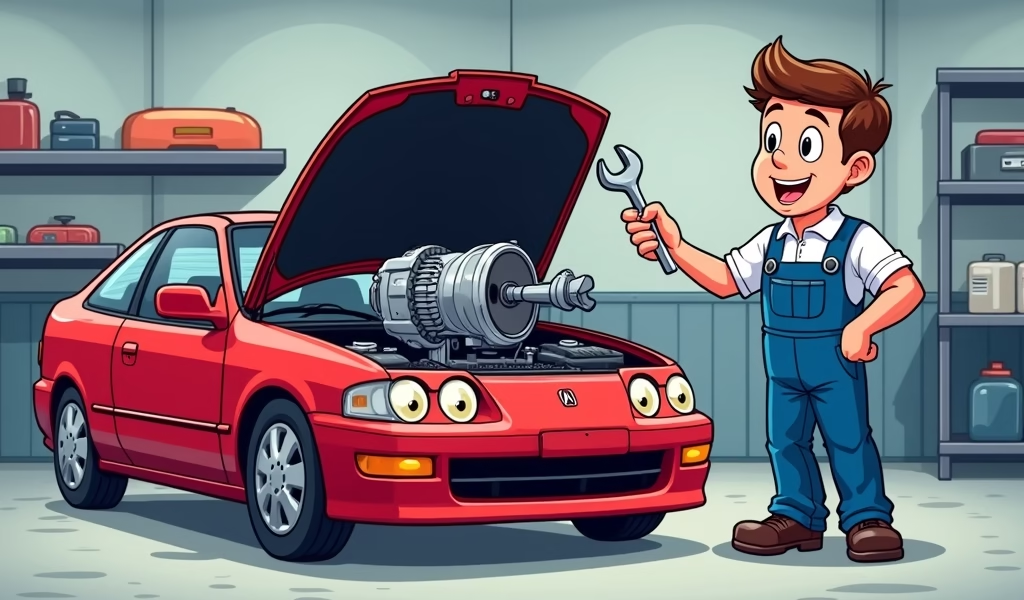
Your Integra will usually tell you when transmission trouble is brewing – you just need to know what to look (and listen) for. Here are the most common warning signs:
Difficulty Shifting Gears
For manual transmissions, this might feel like resistance when shifting into certain gears (commonly second or third). The shifter might “pop” out of gear unexpectedly, or you might hear grinding noises during shifts. With automatics, you might notice delayed engagement when shifting from park to drive, or hesitation when the transmission should be downshifting.
Unusual Noises
Listen for whining, buzzing, or clunking sounds, especially during gear changes. In manual transmissions, a grinding noise when shifting into gear often indicates worn synchronizers. For automatics, a high-pitched whine or buzzing, particularly when accelerating, could suggest pump or fluid pressure problems.
Fluid Leaks and Condition
Check under your parked Integra for transmission fluid leaks. Manual transmission fluid is typically amber to light brown, while automatic transmission fluid should be bright red. If it’s dark or smells burnt, that’s a red flag.
“The condition of transmission fluid can tell you more about your transmission’s health than almost anything else,” notes certified transmission technician Sarah Lee. “Dark, burnt-smelling fluid is the transmission equivalent of a fever – it’s your body’s way of saying something’s wrong.”
Don’t ignore leaks – even small ones can lead to fluid starvation and catastrophic failure if left unchecked. A transmission that runs low on fluid even briefly can sustain serious damage.
Slipping Gears
If your Integra’s RPMs suddenly spike without corresponding acceleration, or the engine revs higher than normal for a particular speed, your transmission is likely slipping. This issue requires immediate attention as it indicates significant internal wear.
Specific Transmission Issues in Acura Integra
Different generations of the Integra have their own common problems. Here’s what to watch for based on your model:
Manual Transmission Issues
- Second and third gear synchro wear: Particularly common in 1994-2001 models, this causes grinding when shifting into these gears. The synchronizers help match gear speeds during shifts, and when worn, you’ll feel and hear the difference.
- Gear pop-out: The transmission spontaneously pops out of gear (usually second or third) during acceleration or deceleration. This typically results from worn detent springs or shift forks.
- Input shaft bearing failures: Creates noise even when the clutch pedal is depressed. The sound typically increases with engine RPM and disappears when the clutch is engaged.
Automatic Transmission Issues
- Solenoid failures: The shift solenoids control hydraulic pressure for gear changes. When they fail, transmission performance becomes erratic with harsh shifts or inability to shift into certain gears.
- Torque converter lock-up issues: Causes shuddering during light acceleration, particularly at highway speeds between 40-50 mph. This often feels like driving over rumble strips.
- Pressure regulator valve problems: Can cause delayed engagement, particularly when shifting from park to drive, or erratic shifting patterns.
According to a comprehensive study of transmission complaints, the 1994-1997 Integras show higher rates of transmission issues than other years, with second gear synchro wear being particularly prevalent.
Preventative Maintenance to Avoid Costly Repairs
An ounce of prevention is worth a pound of cure – especially when it comes to transmission work. Here’s how to keep your Integra’s transmission healthy:
Regular Fluid Changes
For manual transmissions, change the fluid every 30,000-60,000 miles depending on your driving style. If you drive aggressively or in stop-and-go traffic, err on the shorter interval. For automatics, change the fluid and filter every 30,000 miles.
Always use the correct fluid specified by Honda/Acura. For manuals, that’s typically Honda MTF (Manual Transmission Fluid), and for automatics, it’s Honda ATF-Z1 or DW-1 (depending on model year). Using incorrect “universal” fluids is a common and costly mistake.
Driving Habits Matter
How you drive significantly impacts transmission longevity. For manual transmissions:
- Fully depress the clutch when shifting
- Don’t rest your hand on the shifter while driving
- Avoid “lugging” the engine in too high a gear
- Allow the transmission to warm up before aggressive driving
For automatics:
- Come to a complete stop before shifting between drive and reverse
- Avoid extended idling in drive (use neutral when stopped for extended periods)
- Consider an auxiliary transmission cooler if you live in a hot climate
Addressing Minor Issues Promptly
That slight grinding noise when shifting into second gear won’t fix itself. Addressing minor issues early often prevents them from becoming major failures. Keep detailed service record maintenance logs to track any symptoms or changes in your transmission’s performance.
Master technician Rick Wilson emphasizes, “The difference between a $400 synchro replacement and a $2,000 transmission rebuild often comes down to timing. Catching issues early can save you thousands.”
DIY vs. Professional Repairs: What You Can Handle
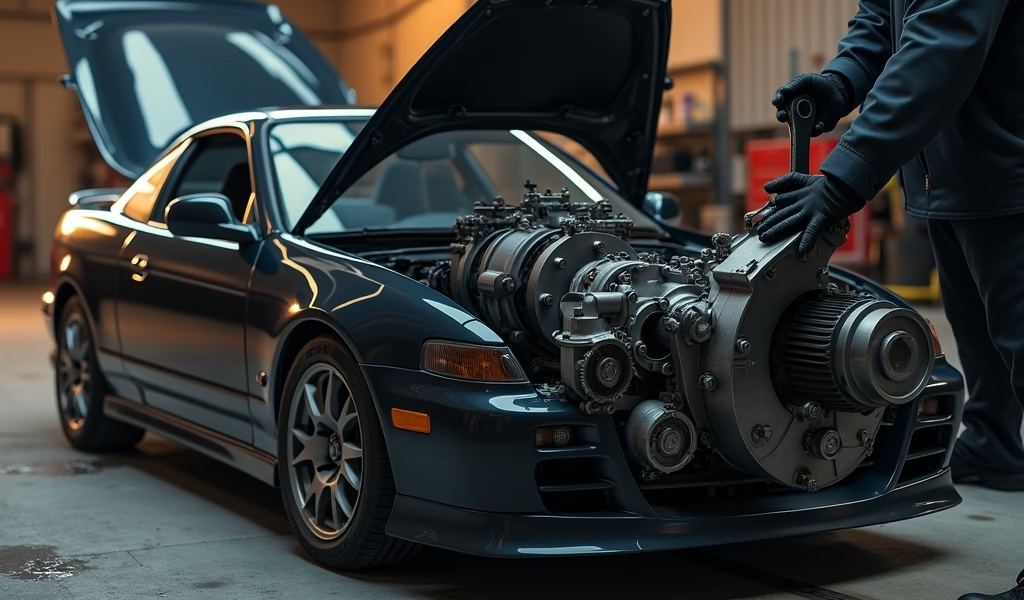
Some transmission work is DIY-friendly, while other jobs demand professional expertise. Here’s a breakdown:
DIY-Friendly Tasks
- Fluid changes: With the right tools and careful attention to fill levels, most owners can handle this maintenance task.
- External linkage adjustments: If your shifter feels off, adjusting the linkage might solve the problem.
- Clutch master/slave cylinder replacement: These hydraulic components frequently fail in Integras and are accessible with basic tools.
For these tasks, you’ll need a floor jack, jack stands, drain pan, and the appropriate fluid. Always consult a service manual specific to your Integra generation before starting.
Professional-Only Repairs
- Internal transmission repairs: Rebuilding a transmission requires specialized tools, knowledge, and a clean workspace.
- Valve body rebuilding: The intricate hydraulic control center of an automatic transmission is not DIY territory.
- Solenoid replacement: While theoretically possible as a DIY job, access is difficult, and diagnosis requires specialized equipment.
When selecting a shop for transmission work, look for specialists rather than general repair facilities. A dedicated transmission shop or Honda/Acura specialist will have the specific knowledge needed for your Integra.
Finding a reliable mechanic recommendation from local Integra or Honda enthusiast groups can lead you to skilled professionals who understand these transmissions’ quirks.
Cost Considerations for Transmission Repairs
Transmission repairs aren’t cheap, but understanding the potential costs helps with planning:
Common Repair Costs
- Clutch replacement: $700-$1,200 including labor
- Solenoid replacement (automatic): $300-$800
- Synchro replacement (manual): $600-$1,500
- Complete rebuild: $1,800-$3,000
- Used transmission replacement: $800-$1,500 installed
- Remanufactured transmission: $1,800-$2,800 installed
These prices vary based on your location, the shop’s labor rates, and your specific Integra model. Performance variants like the GS-R or Type R often cost more due to specialized parts.
Cost-Saving Strategies
To minimize transmission repair costs:
- Get multiple quotes from different shops
- Consider quality used transmissions from reputable salvage yards for older Integras
- Join Integra forums where members sometimes part out vehicles at reasonable prices
- Look into rebuilt transmissions with upgraded components that address known weaknesses
Remember that the cheapest option isn’t always the most economical long-term. A quality rebuild with a warranty might cost more initially but save money over time compared to a questionable used unit.
When to Repair vs. When to Replace
Sometimes it makes more sense to replace rather than repair your transmission. Consider these factors:
Age and Condition of Your Integra
If your Integra is otherwise in excellent condition with low mileage, investing in a quality transmission repair or replacement makes sense. For a high-mileage vehicle with multiple other issues, you’ll need to weigh the cost against the car’s overall value.
Extent of Damage
Minor issues like a worn synchro or solenoid can often be repaired individually. However, if your transmission has extensive internal damage, replacement might be more cost-effective than attempting repairs.
Future Plans for the Vehicle
If you’re planning to keep your Integra long-term (especially given their rising status as enthusiast vehicles), investing in a quality repair or replacement makes sense. If you’re considering selling soon, weigh repair costs against the increase in resale value.
According to automotive appraiser Mark Johnson, “Well-maintained Integras with documented transmission work can command a premium in today’s market, especially GSR and Type R models. The investment often pays off at sale time.”
Conclusion
Your Acura Integra’s transmission is a complex but generally reliable component that responds well to proper care and attention. By understanding common issues, recognizing early warning signs, and committing to regular maintenance, you can avoid many of the costly repairs that might otherwise cut short your Integra’s life.
Remember that prevention is always less expensive than cure. Regular fluid changes with the correct Honda/Acura-specified fluids, attentive driving habits, and addressing minor issues before they escalate will keep your transmission shifting smoothly for years to come.
When repairs are necessary, weigh your options carefully. Sometimes the higher upfront cost of a quality rebuild saves money in the long run compared to band-aid fixes or questionable used units.
With proper care, your Integra can continue delivering its legendary handling and driving experience for many miles to come – transmission included.
Frequently Asked Questions
How long should an Acura Integra transmission last?
With proper maintenance, manual transmissions typically last 150,000-200,000 miles, while automatics generally reach 120,000-180,000 miles. Some well-maintained examples have exceeded 250,000 miles without major issues.
What’s the most common transmission problem in Acura Integras?
For manual transmissions, second and third gear synchro wear is most common, especially in 1994-2001 models. In automatics, solenoid failures and torque converter lock-up issues are the typical trouble spots.
How much does it cost to replace an Integra transmission?
Expect to pay $800-$1,500 for a used transmission installed, or $1,800-$3,000 for a quality rebuilt unit. Costs vary based on your specific model, transmission type, and labor rates in your area.
Can I drive with a slipping Integra transmission?
It’s not recommended to drive with a slipping transmission as it can lead to complete failure and potentially unsafe conditions. Continuing to drive can transform a repairable issue into a complete transmission replacement.
What transmission fluid should I use in my Integra?
For manual transmissions, use Honda MTF (Manual Transmission Fluid). For automatics, use Honda ATF-Z1 or DW-1 depending on your model year, as specified in your owner’s manual.