
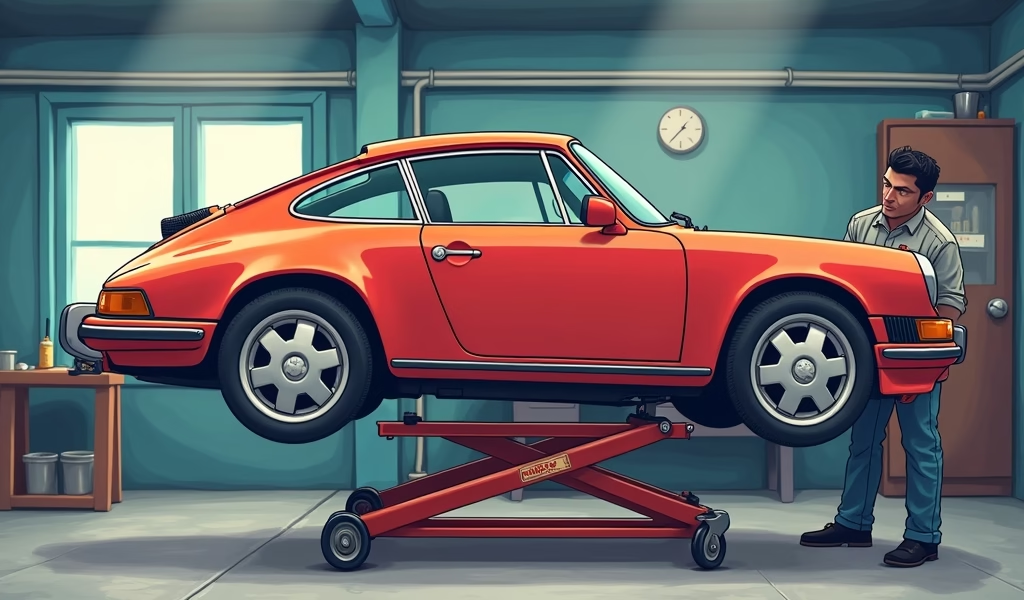
Overview
That innocent orange spot on your car is actually the first sign of rust—a silent destroyer that compromises safety, structure, and resale value if left untreated. This guide offers a complete approach to identifying, treating, and preventing automotive rust through DIY methods and professional services, helping vehicle owners save thousands in repairs while extending their car’s lifespan.
Table of Contents
- The Hidden Danger of Rust
- Understanding Automotive Rust
- Identifying Rust Before It Spreads
- DIY Rust Removal Techniques
- Preventing Future Rust Formation
- Professional Rust Repair
- Cost Comparison: DIY vs Professional Repair
- Conclusion
- Frequently Asked Questions
The Hidden Danger of Rust
That small, orange-brown spot on your fender might look harmless, but it’s the first sign of a problem that could cost you thousands if ignored. Rust is the silent destroyer of vehicles, working gradually beneath the surface to compromise your car’s structure, appearance, and value.
Unlike a flat tire or dead battery that demands immediate attention, rust operates quietly, spreading beneath paint and within body panels. As a mechanic with over 20 years of experience, I’ve seen countless vehicles needlessly totaled because owners overlooked early rust symptoms.
Rust doesn’t just affect aesthetics – it can create serious safety hazards by weakening structural components. When rust attacks your vehicle’s frame, brake lines, or suspension components, the consequences can be dangerous and expensive.
Let’s dive into how to remove rust from a car effectively before it drains your wallet or compromises your safety. With the right approach, you can tackle this common problem and add years to your vehicle’s life.
Understanding Automotive Rust
Automotive rust is simply iron oxide – the result of a chemical reaction between iron in your car’s steel components, oxygen, and moisture. Understanding the types of rust helps determine the appropriate treatment:
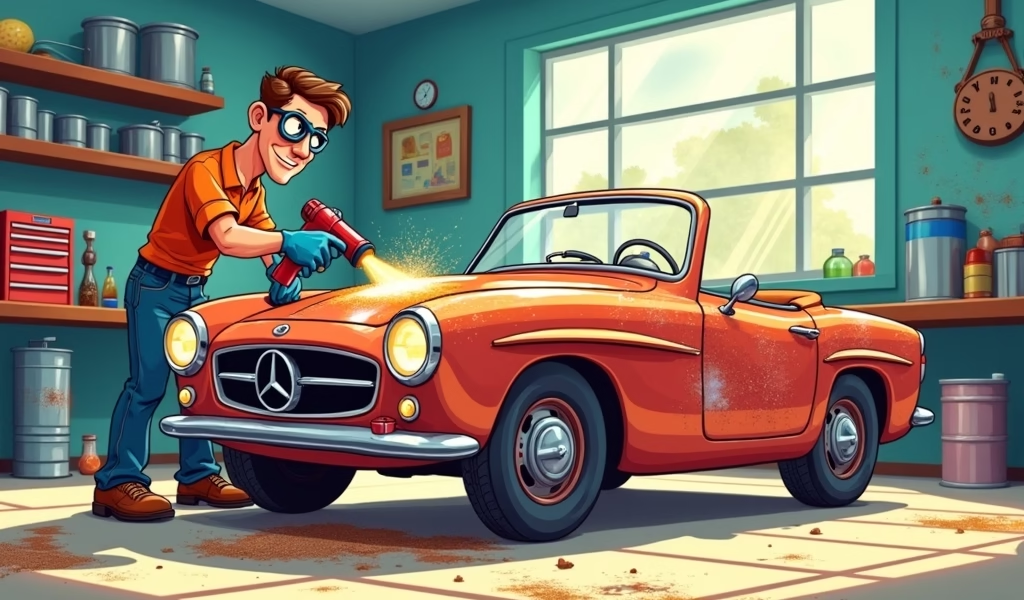
The Three Stages of Rust
- Surface Rust: The earliest stage affects only the top layer of metal. It appears as light orange or brown discoloration and forms after paint damage exposes metal to the elements. This stage is highly treatable.
- Scale Rust: If surface rust isn’t addressed, it progresses to this intermediate stage. The corrosion creates a flaky, pitted surface as it eats into the metal, causing bubbling and flaking.
- Penetrating Rust: The most severe form creates actual holes in the metal as the corrosion process completely consumes sections of material. At this point, structural integrity is compromised, and repair becomes complex and expensive.
The rate at which rust progresses depends on several factors. According to corrosion experts, vehicles in coastal areas or regions that use road salt can develop serious rust problems within 3-5 years without proper protection.
Rust isn’t just an aesthetic problem – it’s a structural one. When key components corrode, your vehicle’s safety systems can be compromised. Frame rails weakened by rust provide less protection during collisions. Corroded brake lines can fail suddenly, leading to brake loss while driving.
From a financial perspective, rust significantly impacts resale value. A vehicle with visible rust typically sells for 10-20% less than a comparable rust-free model. More extensive rust damage can render a vehicle nearly worthless in the marketplace.
Identifying Rust Before It Spreads
Early detection gives you the best chance for simple, affordable repairs. I recommend performing a thorough rust inspection every few months, focusing on these high-risk areas:
Common Rust Hotspots
- Wheel Wells: These areas collect road debris, moisture, and salt. Use a flashlight to inspect the inner lining and metal components.
- Lower Door Edges: Water naturally drips down doors and can collect along the bottom edges. Check the lower interior corners where drainage holes sometimes clog.
- Rocker Panels: Located beneath the doors, these components take constant abuse from road splash and debris.
- Trunk Floor: Water leaks through tail light seals or trunk lids often pool here first.
- Frame Rails: The backbone of your vehicle, these structural components are exposed to everything the road throws at them.
When inspecting your vehicle, look for these warning signs:
- Paint bubbling or blistering (a definite sign that rust is forming underneath)
- Orange or brown discoloration beneath the paint
- Flaking or rough patches on previously smooth surfaces
- Unusual powdery residue on metal components
For a thorough inspection, choose a bright day and methodically check each vulnerable area. A small mirror and flashlight help access hard-to-see spots. Gently press suspicious areas with your finger – if the surface feels rough or gives way, you’re likely dealing with rust.
Pay special attention if you live in a “rust belt” region or coastal area. Vehicles in these environments need more frequent inspections, as the combination of moisture and salt creates perfect conditions for accelerated corrosion that damages your clear coat and underlying metal.
DIY Rust Removal Techniques
For surface and light scale rust, you can achieve professional-quality results at home with the right approach. Here’s my step-by-step process for tackling rust before it becomes a major problem:
Tools and Materials You’ll Need
- Wire brushes (both hand and drill attachment types)
- Sandpaper (80, 120, 220, and 400 grit)
- Rust converter/inhibitor
- Automotive primer
- Matching touch-up paint and clear coat
- Plastic or metal scrapers
- Quality respirator mask
- Eye protection
- Gloves
- Masking tape and paper
Step-by-Step Rust Removal Process
- Safety First: Always work in a well-ventilated area, wear eye protection, gloves, and a respirator mask. Rust particles and chemicals can irritate lungs and damage eyes.
- Clean the Area: Thoroughly wash the rusted area with soap and water to remove dirt, wax, and grease. Dry completely with clean towels.
- Remove Loose Rust: Use wire brushes or coarse sandpaper (80 grit) to remove all loose rust and flaking paint. For stubborn areas, a drill attachment wire brush speeds up the process.
- Sand to Bare Metal: Work through progressively finer sandpaper grits (120, then 220) to remove all traces of rust until you reach clean, shiny metal. Feather the edges of the good paint surrounding the repair area.
- Apply Rust Converter: For any microscopic rust that might remain, apply a quality rust converter following the manufacturer’s instructions. This transforms remaining rust into a stable compound that won’t continue to spread.
- Prime the Surface: Once the converter has fully dried, apply 2-3 thin coats of automotive primer designed for rust prevention. Allow proper drying time between coats as specified on the product.
- Sand Lightly: After the primer has fully cured, wet sand with 400 grit sandpaper to create a smooth surface for painting.
- Apply Color Coat: Using color-matched automotive paint, apply several thin coats rather than one thick coat. Allow proper drying time between applications.
- Finish with Clear Coat: After the color coat has dried, apply 2-3 layers of clear coat to seal and protect the repair. This step is critical for long-lasting results.
- Buff and Blend: Once fully cured (usually 48-72 hours), wet sand with very fine grit (1500-2000) and polish to blend the repaired area with the surrounding paint.
Chemical Rust Removers vs. Mechanical Methods
For smaller rust spots, chemical rust removers offer convenience. Products like Evapo-Rust, Metal Rescue, or Naval Jelly can dissolve rust without harming surrounding paint. Simply:
- Apply the product according to instructions
- Allow it to work for the recommended time (typically 15-30 minutes)
- Rinse thoroughly and dry completely
- Follow up with primer and paint to protect the treated area
For larger areas or more advanced rust, mechanical removal using sanders and wire brushes provides more thorough results. While it requires more effort, this approach ensures you’ve completely eliminated the rust before refinishing.
Remember that learning how to polish car paint is essential for getting that seamless finish after rust repairs.
Preventing Future Rust Formation
An ounce of prevention truly is worth a pound of cure when it comes to automotive rust. These proactive strategies will help keep your vehicle rust-free for years:
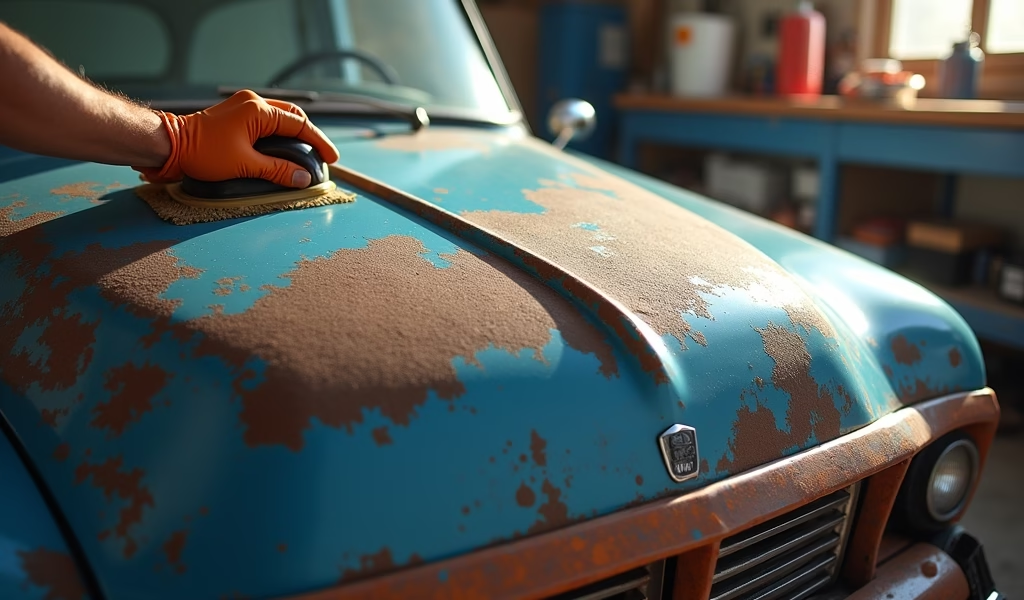
Regular Washing and Protection
- Frequent Washing: Wash your vehicle at least bi-weekly, more often during winter months or if you live in coastal areas. Pay special attention to wheel wells and underbody areas where road salt and debris collect.
- Undercarriage Rinses: After driving on salted roads, visit a car wash with undercarriage spray options to flush away corrosive materials. If washing at home, use a sprinkler attachment that can reach underneath the vehicle.
- Waxing Schedule: Apply a quality car wax every three months. Wax creates a protective barrier between your paint and the elements, preventing moisture from reaching the metal beneath.
- Clear Drain Holes: Most vehicles have small drain holes in door bottoms and rocker panels. Keep these clear of debris to prevent water accumulation.
Protective Treatments
Consider these professional-grade protective measures for maximum rust prevention:
- Electronic Rust Protection: Systems like the Canadian Electronic Rust Module use small electrical currents to prevent the electrochemical reaction that causes rust.
- Oil-Based Undercoating: Annual applications of products like Fluid Film or Wool Wax provide excellent protection for underbody components and penetrate existing rust to slow its progression.
- Rubberized Undercoating: For severe conditions, professional rubberized undercoating creates a thick barrier against moisture and road debris. This works best when applied to new or completely rust-free surfaces.
- Cavity Wax: Professional-grade cavity wax can be sprayed inside doors, rocker panels, and other enclosed areas where moisture collects.
Don’t forget that proper car detailing includes preventative measures against rust formation. A thorough detailing process removes contaminants that can trap moisture against your vehicle’s surface.
Immediate Attention to Paint Damage
Stone chips and scratches provide direct pathways for moisture to reach bare metal. Keep touch-up paint handy and address these small issues immediately before they become rust spots.
For larger areas of paint damage, consider having the panel professionally repainted. The cost of preventative paint work is always lower than rust repair later.
Professional Rust Repair
Some rust situations require professional intervention. Here’s when to call in the experts and what to expect:
When to Seek Professional Help
- Rust has created holes in body panels
- Structural components (frame rails, suspension mounts) show signs of rust
- Scale or penetrating rust covers large areas
- Rust affects components related to safety (brake lines, fuel lines, steering components)
- You want factory-quality results for a valuable or collectible vehicle
Professional Repair Process
Quality professional rust repair typically follows these steps:
- Assessment: The technician evaluates the extent of rust damage, often finding issues not visible to the untrained eye.
- Removal: Depending on severity, the shop may cut out severely rusted sections or chemically treat areas with surface rust.
- Fabrication: For penetrating rust, new metal is often fabricated to replace the damaged sections, then welded into place.
- Surface Preparation: The repair area is meticulously sanded, primed, and sealed to prevent future corrosion.
- Refinishing: Professional color-matching and painting equipment ensures the repair blends seamlessly with existing finishes.
- Protection: Quality shops apply cavity wax and protective coatings to prevent recurrence.
Finding a Qualified Rust Specialist
Not all body shops specialize in rust repair. Look for these qualities when selecting a professional:
- Experience specifically with rust repair (not just collision work)
- Willingness to show examples of previous rust repair projects
- A detailed explanation of their process, including how they prevent future rust
- Written warranty against rust returning in the repaired area
- Positive reviews specifically mentioning rust repair quality
When seeking quotes, be wary of prices significantly lower than others – proper rust repair is time-consuming and thorough. Cutting corners leads to recurring problems.
Cost Comparison: DIY vs Professional Repair
Understanding the financial implications helps you make informed decisions about rust repair:
DIY Repair Costs
- Surface Rust Kit: $50-100 (includes sandpaper, primer, touch-up paint, clear coat, and basic tools)
- Power Tools: $75-150 if you need to purchase a drill and attachments
- Safety Equipment: $30-50 for proper respirator, eye protection, and gloves
- Time Investment: 4-8 hours for small to medium surface rust repairs
Professional Repair Costs
- Surface Rust: $150-300 per panel for professional treatment
- Scale Rust: $300-700 per panel, depending on severity
- Penetrating Rust: $700-2,500 for panel replacement or extensive metalwork
- Complete Undercarriage Treatment: $300-700 for professional rust prevention coating
While DIY approaches save money, professional repairs often last longer and provide better cosmetic results. For vehicles you plan to keep long-term or those with significant value, professional work typically offers better return on investment.
Conclusion
Rust may be persistent, but with the right approach, it’s a battle you can win. By understanding how to remove rust from a car properly and implementing preventative measures, you can save thousands in repair costs and maintain your vehicle’s value.
Remember that timing is everything – surface rust caught early can be addressed in an afternoon with basic tools, while advanced rust might require professional intervention and significant expense. Make rust inspection part of your regular maintenance routine, especially if you live in coastal areas or regions that use road salt.
Invest in preventative measures like regular washing, waxing, and undercoating. Address paint chips and scratches immediately before they become entry points for moisture. Most importantly, don’t procrastinate when you spot those first signs of rust – what looks minor today will become major tomorrow.
With the knowledge and techniques covered in this guide, you’re well-equipped to keep rust at bay and preserve your vehicle’s appearance, safety, and value for years to come.
Frequently Asked Questions
Can WD-40 remove rust from a car?
WD-40 can temporarily dissolve light surface rust but isn’t a permanent solution. It works best for loosening rusty bolts rather than treating body panels.
How much does it cost to fix rust on a car professionally?
Professional rust repair costs range from $150-300 for small surface spots to $2,500+ for structural rust. The final price depends on location, severity, and whether panel replacement is needed.
Is it worth fixing rust on an older car?
For vehicles you plan to keep long-term or with collectible value, fixing rust is worthwhile. For older vehicles with multiple rust issues and limited value, focus only on structural concerns affecting safety.
How quickly does rust spread on a car?
Rust can spread surprisingly fast, especially in humid or salt-exposed environments. What begins as a small spot can expand to quarter-sized within a single season.
Can I stop rust by painting over it?
Simply painting over rust without removing it first will fail quickly. The rust continues to spread beneath the paint, causing bubbling and peeling within months.