
Overview
That innocent-looking reddish spot on your car might be the first sign of rust—the automotive equivalent of termites that silently destroys vehicle structure, compromises safety, and can slash resale value by up to 30%. Regular washing (especially undercarriage), prompt repair of paint damage, protective coatings, and knowing high-risk areas for inspection can prevent thousands in repair costs and extend your vehicle’s life significantly.
Table of Contents
- Understanding Car Rust: The Silent Destroyer
- Common Causes of Rust on Vehicles
- High-Risk Areas: Where Rust Typically Forms First
- How to Prevent Rust on Your Vehicle
- Treating Existing Rust: DIY vs. Professional Options
- The Real Cost of Ignoring Rust Problems
- Conclusion: Staying Ahead of Rust
- Frequently Asked Questions
Understanding Car Rust: The Silent Destroyer
That small reddish-brown spot on your car’s wheel well might seem harmless now, but it’s actually the beginning of a serious problem that could cost you thousands in repairs if left unchecked. Rust is the automotive equivalent of termites in a house – quietly eating away at your vehicle’s structure before you realize the extent of the damage.
As a mechanic with over 20 years of experience, I’ve seen countless vehicles prematurely retired due to severe rust damage that could have been prevented. The most frustrating part? Most car owners only notice rust when it’s already advanced beyond simple fixes.
Rust, or oxidation, occurs when the iron in your car’s metal components reacts with oxygen and moisture. This chemical reaction transforms strong metal into a flaky, brittle substance that provides zero structural support. Modern vehicles use various metals, but steel (an iron alloy) remains the primary material for most body panels and structural components.
There are three main stages of rust development:
- Surface rust: The initial stage where paint damage exposes metal to the elements
- Scale rust: When surface rust deepens, causing the metal to flake and bubble
- Penetrating rust: Advanced corrosion that creates holes through the metal
What makes rust particularly insidious is its progressive nature. Once it starts, it literally feeds on itself through an electrochemical process. The rusted area becomes the anode in what’s essentially a tiny battery, drawing in more moisture and oxygen to continue the corrosion cycle.
Common Causes of Rust on Vehicles
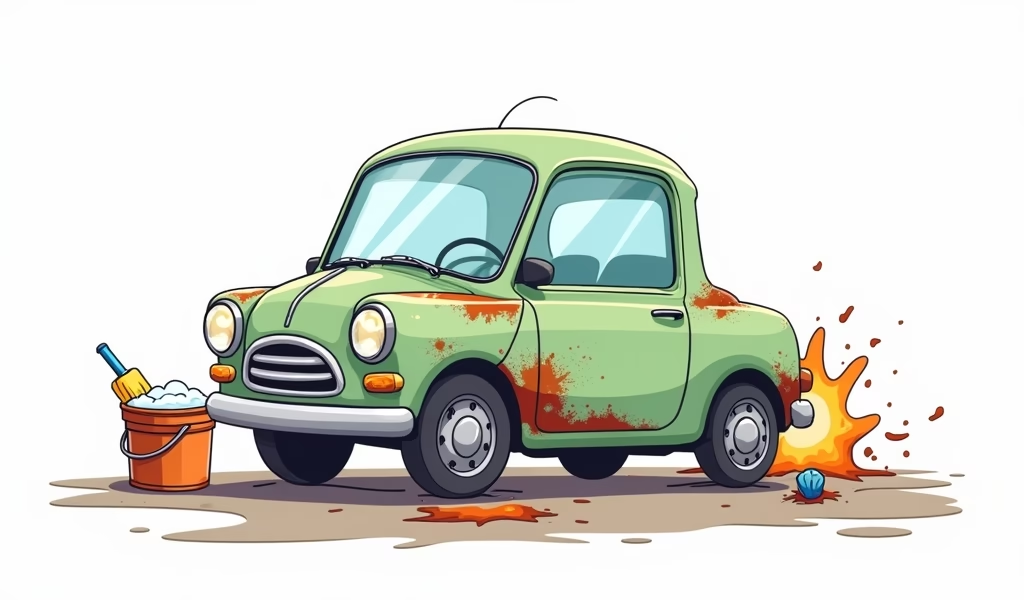
Understanding what causes rust is your first step toward effective prevention. Here are the primary culprits behind vehicle corrosion:
Road Salt and De-icing Chemicals
If you live in a region where winter brings snow and ice, road salt is likely the biggest threat to your vehicle’s metal components. Salt (sodium chloride) and other de-icing chemicals lower water’s freezing point, but they also accelerate the oxidation process dramatically. These chemicals create an electrolyte solution that efficiently conducts electricity, speeding up the electrochemical reaction that causes rust.
Even worse, salt is hygroscopic – it actively attracts and holds moisture against your vehicle’s surfaces. A study by the National Association of Corrosion Engineers found that vehicles in heavy salt-use regions experience corrosion up to five times faster than identical vehicles in mild climates.
Environmental Exposure
Beyond winter road treatments, your daily environment plays a huge role in rust development:
- Coastal areas: Sea air carries salt spray that can settle on your vehicle
- High humidity: Moisture in the air provides the water needed for oxidation
- Industrial areas: Air pollution contains particles that can accelerate corrosion
- Extreme temperature changes: Cause contraction and expansion that can crack protective coatings
Living near the ocean creates a particularly challenging environment. A study from the University of Hawaii found that vehicles within a mile of saltwater shorelines corrode at rates up to 10 times faster than identical vehicles just 10 miles inland.
Physical Damage to Paint and Protective Coatings
Your car’s paint isn’t just for looks – it’s the primary barrier protecting metal from the elements. When this barrier is compromised, rust quickly follows. Common culprits include:
- Stone chips from road debris
- Parking lot door dings and scratches
- Minor accidents that crack or chip paint
- Curb scrapes on wheel wells
Even small blemishes in your car’s clear coat can eventually lead to rust formation. The protective layer gets thinner with UV exposure and washing, making older vehicles more susceptible to corrosion even from minor damage.
Manufacturing and Design Factors
Not all vehicles rust equally. Manufacturers use different approaches to corrosion protection:
- Galvanized steel (zinc-coated) resists corrosion better than untreated steel
- Proper drainage holes prevent water accumulation
- Quality factory undercoating provides additional protection
- Avoiding metal-to-metal contact points that can create galvanic corrosion
Unfortunately, some vehicles have inherent design flaws that make them more rust-prone. Certain makes and models are notorious for specific rust issues – a quick internet search for “[your vehicle model] common rust areas” can reveal if your car has any known trouble spots.
High-Risk Areas: Where Rust Typically Forms First
Knowing where to look for early signs of rust can help you catch problems before they become serious. In my experience, these are the most common trouble spots on modern vehicles:
Wheel Wells and Fenders
These areas take direct hits from road debris, salt spray, and moisture. The constant barrage of small stones creates tiny chips in paint and protective coatings. Additionally, mud and road grime can pack into wheel well crevices, holding moisture against metal surfaces for extended periods.
Rocker Panels and Door Bottoms
The lower edges of your vehicle’s body are particularly vulnerable. Water and road salt splash up from tires, and these areas rarely dry completely, especially in the folded seams where panels meet. Door bottoms often have drain holes that can become clogged, trapping moisture inside the door structure.
Trunk and Hood Edges
The seams where your trunk lid and hood meet the body are rust magnets. These areas collect water and often have minimal paint coverage due to their recessed position during the factory painting process. Check carefully along the edges and under the rubber seals.
Suspension Components and Subframes
Out of sight but critically important, your vehicle’s undercarriage takes the brunt of road salt exposure. Suspension components, subframe connectors, and frame rails are often made of thicker metal but may have less effective factory protection than visible body panels.
Exhaust System
Modern exhaust systems use stainless steel and aluminized coatings, but they remain vulnerable to corrosion. The extreme temperature changes from cold starts to full operating temperature create condensation inside the system, while external salt exposure attacks from the outside.
Prevention is especially important in these high-risk areas. Regular inspection can catch rust in its early stages when it’s still easily treatable.
How to Prevent Rust on Your Vehicle
The good news? Rust is largely preventable with proper care and maintenance. Here’s a comprehensive approach to keeping your vehicle corrosion-free:
Regular Washing (Especially in Winter)
The simplest and most effective rust prevention method is regular washing – but not just any washing. Focus on these key aspects:
- Undercarriage washing: Use high-pressure undercarriage sprays or a lawn sprinkler under your parked car to flush away salt and debris
- Wheel wells: Pay special attention to these areas with a dedicated brush
- Door jambs and seams: Wipe these areas dry after washing
- Winter washing frequency: Ideally weekly when roads are being treated with salt
When preparing your car for winter driving, establish a regular washing routine. The best approach is washing on days when temperatures will rise above freezing, which helps prevent door locks and seals from freezing shut.
Protective Coatings and Treatments
Several products can add an extra layer of protection beyond your vehicle’s factory finishes:
- Wax: Apply quality car wax every 3-4 months to maintain water repellency
- Ceramic coatings: These professional-grade protectants can last 1-5 years and provide superior protection
- Oil-based undercoating: Annual application provides a moisture barrier for undercarriage components
- Electronic rust inhibitors: These devices claim to send a weak current through the metal to prevent the electrochemical reaction that causes rust (results vary)
For vehicles in severe environments, professional rust-proofing services offer multi-layered protection systems. These typically combine undercoating with cavity wax injection that reaches hidden areas inside doors, rocker panels, and structural members.
Prompt Repair of Paint Damage
Never ignore chips and scratches in your paint, no matter how small. These are direct pathways for moisture to reach metal. Keep touch-up paint that matches your vehicle’s color code on hand and address damage promptly:
- Clean the damaged area thoroughly
- Apply a rust inhibitor if bare metal is exposed
- Use touch-up paint in thin layers
- Seal with clear coat once dry
For larger damage, consider professional repair. The cost of fixing a quarter-sized chip professionally ($150-300) is minimal compared to addressing a rust spot that develops from neglecting it ($500-1,500).
Storage Considerations
How and where you park your vehicle significantly impacts rust development:
- Garage storage is ideal, especially in winter months
- Carports provide partial protection from precipitation
- If outdoor parking is unavoidable, consider a breathable car cover
- Park away from sprinklers and drainage areas
- Avoid parking on grass or dirt surfaces for extended periods
Even inside a garage, moisture can be an issue. Consider using a dehumidifier in damp garages, especially in humid climates or for seasonal vehicles.
Treating Existing Rust: DIY vs. Professional Options
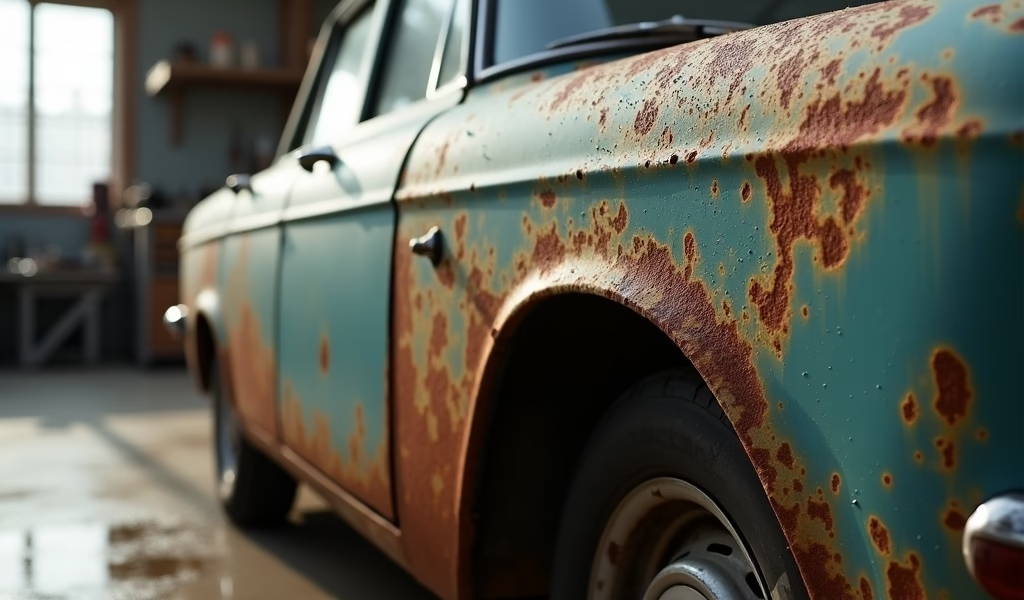
Caught some rust forming on your pride and joy? Don’t panic – early intervention can stop it in its tracks. Here’s how to address rust at different stages:
DIY Options for Surface Rust
Surface rust is the easiest type to address yourself. You’ll need:
- 80-220 grit sandpaper
- Rust converter/inhibitor
- Primer (specifically rust-inhibiting type)
- Color-matched paint
- Clear coat
- Masking materials
The basic process:
- Sand the affected area to remove all visible rust (work up from rough to fine grit)
- Apply rust converter to any stubborn spots
- Clean thoroughly with isopropyl alcohol
- Apply rust-inhibiting primer
- Add color-matched paint in thin layers
- Finish with clear coat for protection
This approach works well for spots smaller than a credit card on non-structural components. The key is removing ALL rust – even microscopic particles left behind will eventually spread.
When to Seek Professional Help
Some rust situations warrant professional intervention:
- Rust on structural components (frame rails, suspension mounts)
- Rust that has created perforation (holes)
- Widespread surface rust across multiple panels
- Bubbling paint indicating rust spreading beneath the surface
- Any rust affecting safety equipment mountings
Professional rust repair typically involves cutting out affected metal and welding in new sections or complete panel replacement. This requires specialized tools and skills beyond most DIY capabilities.
Professional Rust Treatment Options
Body shops and rust specialists offer several approaches:
- Spot repair: For isolated surface rust ($200-500)
- Panel repair: Cutting out rusted sections and welding in patches ($500-1,500)
- Panel replacement: Complete replacement of heavily rusted panels ($1,000-3,000+)
- Frame repair: Addressing structural rust issues ($2,000-5,000+)
- Complete restoration: For classic vehicles with extensive rust ($5,000-20,000+)
Quality shops will also address the underlying causes and apply preventative treatments to adjacent areas to prevent future problems. Ask about warranties – reputable shops often guarantee their rust repair work for 1-5 years.
When evaluating professional repair options, remember that thorough preparation and proper materials are essential for lasting results. The cheapest quote isn’t always the best value if corners are cut during the repair process.
The Real Cost of Ignoring Rust Problems
As someone who’s witnessed countless “minor” rust issues evolve into vehicle-ending damage, I can’t stress this enough: ignoring rust is a costly gamble. Here’s what’s really at stake:
Financial Impact
The numbers tell a compelling story:
- Early-stage rust repair: $200-500 per affected area
- Mid-stage rust requiring partial panel replacement: $500-1,500
- Advanced rust requiring full panel replacement: $1,000-3,000+
- Structural rust compromising vehicle safety: $3,000-7,000+
Beyond repair costs, rust significantly impacts resale value. According to Kelley Blue Book, visible rust can reduce a vehicle’s value by 10-30%, regardless of mechanical condition. That means a $20,000 car could lose $2,000-6,000 in value from rust alone.
This creates a clear financial incentive for prevention. Spending $200-300 annually on protective measures can save thousands in repairs and preserved value over the life of your vehicle.
Safety Concerns
Money aside, rust creates genuine safety risks:
- Weakened structural components affect crash protection
- Compromised mounting points for safety equipment (seat belts, airbag sensors)
- Suspension component failure
- Brake line corrosion leading to fluid leaks and brake failure
- Fuel line rust causing leaks and fire hazards
Modern vehicles are designed with specific crash structures and crumple zones. When these components rust, they may not perform as engineered during an accident, potentially compromising occupant safety.
Decreased Reliability and Increased Maintenance
Beyond the visible damage, rust creates a cascade of related problems:
- Electrical issues from corroded connections
- Exhaust leaks from rusted pipes and mufflers
- Fluid leaks from corroded lines and fittings
- Stuck bolts and fasteners making routine repairs more difficult and expensive
- Compromised seals allowing water intrusion into the interior
These secondary effects often create a maintenance snowball effect. What starts as a simple rust spot becomes a series of increasingly complex and interrelated problems that constantly demand attention and repair funds.
As part of your car maintenance checklist, include regular rust inspections. Catching and addressing problems early is always the most economical approach.
Conclusion: Staying Ahead of Rust
Rust may be a natural process, but that doesn’t mean you have to accept it as inevitable for your vehicle. With proper understanding, regular maintenance, and prompt intervention, you can significantly extend your car’s life and preserve its value.
Remember these key takeaways:
- Prevention is always easier and cheaper than repair
- Regular washing, with special attention to undercarriage and hidden areas, is your first line of defense
- Protective coatings provide an additional barrier against moisture and contaminants
- Address paint damage immediately, no matter how minor it seems
- Conduct seasonal inspections of rust-prone areas
- Don’t ignore early signs – that small rust spot won’t stay small for long
As you implement these strategies, keep in mind that consistency matters more than perfection. Even basic preventative measures applied regularly will yield significant benefits compared to occasional intensive treatments.
Ultimately, your vehicle is both a significant financial investment and a crucial safety system for you and your passengers. By protecting it from rust, you’re preserving its value, ensuring its reliability, and maintaining the safety features its engineers designed. That’s a worthwhile investment of time and resources by any measure.
Frequently Asked Questions
How quickly does rust form on cars?
Surface rust can begin forming within days of paint damage exposing bare metal, especially in humid or salt-rich environments. The progression accelerates once it starts, with noticeable scale rust possible within months in severe conditions.
Can rust be completely stopped once it starts?
Surface rust can be completely halted with proper treatment that removes all oxidation and seals the area. Once rust has penetrated deeply or created holes, the affected metal typically needs to be cut out and replaced for a permanent solution.
Does rust affect all cars equally?
No, vehicles vary significantly in rust resistance based on manufacturing methods, materials, and design features. Galvanized steel, aluminum components, and quality factory coatings provide better protection, while certain design flaws can make specific models more vulnerable.
Will insurance cover rust damage to my car?
Standard auto insurance typically doesn’t cover rust damage as it’s considered normal wear and tear rather than a sudden, accidental occurrence. Some extended warranties or specialized corrosion warranties may provide coverage for perforation rust (rust that creates holes).
Are electronic rust protection devices effective?
The evidence for electronic rust inhibitors is mixed, with some independent testing showing limited effectiveness compared to physical protection methods. They’re best viewed as a potential supplement to, not replacement for, regular washing and protective coatings.