
Overview
For pet owners tired of furry car interiors, this guide reveals how everyday items like rubber gloves, pumice stones, and water spray bottles outperform expensive gadgets for quick pet hair removal across different car surfaces. The article provides season-specific techniques and prevention strategies, emphasizing that a “little and often” approach with the right tools can transform an hour-long chore into a simple 10-minute task while protecting your car’s interior condition and value.
Table of Contents
- The Pet Hair Struggle: Why It’s So Hard to Remove
- Essential Tools for Quick Pet Hair Removal
- Most Effective Techniques for Removing Pet Hair
- Tackling Different Car Surfaces
- Prevention Tips: Keep Your Car Hair-Free Longer
- DIY vs. Professional Cleaning: Cost Comparison
- Common Mistakes to Avoid When Removing Pet Hair
- Seasonal Considerations for Pet Hair Removal
- Conclusion: A Hair-Free Car in Minutes
- Frequently Asked Questions
The Pet Hair Struggle: Why It’s So Hard to Remove
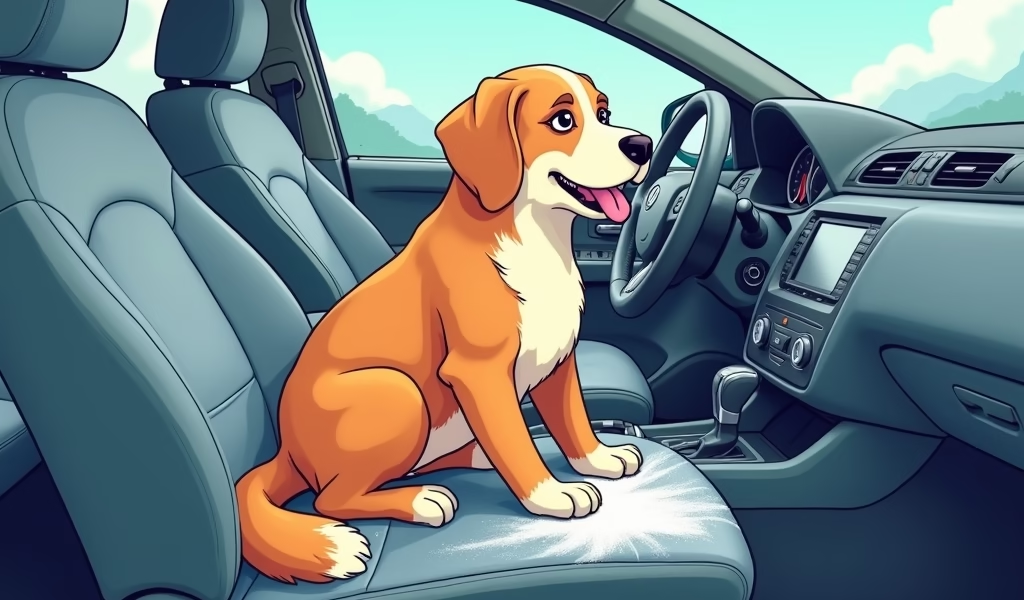
If you’re a pet owner who loves taking your furry friend along for car rides, you’re probably all too familiar with the seemingly endless battle against pet hair. Those stubborn strands cling to every surface with surprising tenacity, making your otherwise clean vehicle look perpetually messy.
What makes pet hair so difficult to remove isn’t just its abundance – it’s the structure of the hair itself. Unlike human hair, pet hair has microscopic scales along the shaft that act like tiny hooks, allowing it to weave itself deep into your car’s upholstery. These natural barbs create a frustrating situation where standard vacuuming often falls short.
Different interior materials in your vehicle interact with pet hair in unique ways. Cloth seats with their rough texture and loose weave tend to trap hair more aggressively than leather or vinyl surfaces. Meanwhile, static electricity generated between synthetic fabrics and pet hair creates an almost magnetic bond that conventional cleaning methods struggle to break.
Beyond the obvious aesthetic concerns, excessive pet hair can actually damage your car’s interior over time. As hair works its way deep into upholstery fibers, it creates wear patterns and can clog ventilation systems. It also affects passenger comfort, potentially triggering allergies and creating an unwelcoming environment for anyone who rides with you.
The good news? With the right techniques and tools, you can remove even the most stubborn pet hair quickly and inexpensively. I’ve spent years helping car owners tackle this exact problem, and I’m about to share the most effective professional methods that won’t break the bank.
Essential Tools for Quick Pet Hair Removal

The beauty of effective pet hair removal is that you don’t need expensive equipment. In fact, some of the best tools might already be hiding in your kitchen drawers or laundry room. Here’s what I recommend having on hand:
Budget-Friendly Essentials
- Rubber dishwashing gloves ($2-5) – The natural grip and slight static they create works wonders
- Spray bottle with water ($1-3) – Simple water breaks static bonds holding hair in place
- Pumice stone ($3-8) – Creates the perfect friction for stubborn embedded hair
- Microfiber cloths ($5-10 for a pack) – Traps hair without pushing it deeper into fabrics
- Lint rollers ($2-5) – Perfect for final touch-ups
Surprisingly Effective Household Items
- Balloon – The static electricity attracts hair like a magnet
- Dryer sheets – Reduces static and helps hair clump for easier removal
- Duct tape wrapped around your hand, sticky side out – Works in a pinch when nothing else is available
- Squeegee – The rubber edge creates the perfect “scraping” action for pet hair
If you’re looking to make car cleaning easier and more efficient, a few specialized tools are worth the investment:
Worth the Investment
- Pet hair removal brush with rubber bristles ($10-20) – Specially designed to loosen and lift embedded hair
- Electrostatic pet hair removal mitts ($15-25) – Combines the glove technique with enhanced static properties
- Handheld vacuum with upholstery attachment ($30-60) – The finishing touch for any pet hair removal regimen
According to Consumer Reports’ auto detailing experts, combining mechanical action (like rubber gloves or brushes) with proper suction is far more effective than either method alone. Having this simple toolkit ready means you can tackle pet hair the moment it becomes noticeable, preventing it from becoming embedded and more difficult to remove later.
Most Effective Techniques for Removing Pet Hair
Now that you have the right tools, let’s dive into the techniques that will transform what used to be an hour-long chore into a quick 10-minute task. As a professional detailer who’s cleaned hundreds of pet-friendly vehicles, I’ve refined these methods to be both efficient and effective.
The Spray and Wipe Method
This simple technique works by breaking the static bond between hair and fabric. Fill a spray bottle with plain water and lightly mist the surface—not soaking wet, just barely damp. Then, wearing rubber gloves, wipe your hand across the fabric in one consistent direction.
You’ll notice the hair immediately begins to gather into clumps that are easy to pick up. For best results, keep your strokes consistent and in the same direction rather than back and forth, which can push hair deeper into the fabric.
The Pumice Stone Approach
For stubborn areas with deeply embedded hair, a pumice stone is surprisingly effective. Gently run the stone over the fabric using light to medium pressure. The rough texture creates just enough friction to grab hair without damaging most upholstery.
This works exceptionally well on loop-style carpets and heavy-duty floor mats. Just be sure to test on an inconspicuous area first if you have delicate or specialty upholstery. Follow up with a vacuum to remove the loosened hair.
The Balloon Trick
This might sound unusual, but it’s based on solid science. Inflate a balloon and rub it against your hair to create static electricity. Then pass the balloon over your car seats and watch as the hair literally jumps from the surface to the balloon.
This technique works best in low humidity environments and on synthetic fabrics. It’s also incredibly satisfying to watch in action! For an added boost, combine this with a quick vacuum afterward to capture any remaining strands.
The Two-Step Rubber Glove Method
This is my personal favorite for efficiency. Put on a pair of rubber dishwashing gloves and very slightly dampen them. Run your gloved hand over the upholstery using short, firm strokes. The rubber creates friction while the slight moisture helps clump the hair together.
Once you’ve collected hair into visible clumps, switch to a dry glove or vacuum to remove the loosened hair. This method is gentle enough for daily use and won’t damage even delicate upholstery when done correctly.
Remember that effective pet hair removal is about combining the right tools with the right technique. Canine specialists at the American Kennel Club recommend working in small sections rather than trying to clean the entire car at once, which allows you to be more thorough while actually saving time overall.
Tackling Different Car Surfaces
Your car’s interior is made up of various materials, each requiring slightly different approaches for effective pet hair removal. What works brilliantly on cloth seats might not be ideal for leather or your dashboard. Let’s break down the best approach for each surface.
Cloth Seats and Upholstery
Fabric seats are typically the biggest challenge because their woven texture creates countless little hideouts for pet hair. Start with a rubber brush or dampened rubber glove to loosen embedded hair, working from top to bottom in consistent strokes.
For stubborn areas, the spray and wipe method works wonders. After loosening the hair, a quick pass with a lint roller will capture any remaining strands. Pay special attention to seams and creases where hair tends to collect in surprising quantities.
Leather and Vinyl Surfaces
The good news is that pet hair doesn’t embed itself as deeply in leather or vinyl. The bad news is that incorrect techniques can damage these surfaces. Avoid adhesive products like lint rollers that can leave residue on leather.
Instead, use a slightly damp microfiber cloth for these surfaces. The microfiber naturally attracts hair while the slight moisture helps prevent scratching. For leather seats specifically, proper seat cleaning techniques are essential to prevent damage while removing hair.
Carpets and Floor Mats
Start by removing floor mats and shaking them vigorously outdoors. For carpeted areas inside the car, a stiff brush followed by a vacuum with a crevice tool will reach deeper than vacuuming alone.
The pumice stone method excels on vehicle carpeting. After using the stone to loosen hair, vacuum thoroughly. For rubber mats, simply hosing them down outside and letting them dry completely is often sufficient – the water pressure removes most hair with minimal effort.
Those Frustrating Nooks and Crannies
The narrow spaces between seats, around seat tracks, and near the center console are notorious pet hair magnets. Use compressed air to blow hair out from tight spaces, then follow with a vacuum crevice tool.
For really stubborn areas, wrap a slightly damp cloth around a butter knife (or similar thin, blunt object) to reach into crevices. The moisture will help the cloth grab hair that’s been hiding in these hard-to-reach spots.
Air Vents and Electronics
Pet hair in air vents isn’t just unsightly – it can affect your car’s air quality and potentially damage the HVAC system. Use a small brush (an old makeup brush works perfectly) to loosen hair from vents, then vacuum it away.
Be particularly careful around electronic controls and displays. Compressed air cans (like those used for cleaning computers) work well for clearing hair without risking damage to sensitive components. Always spray in short bursts to avoid condensation issues.
Prevention Tips: Keep Your Car Hair-Free Longer
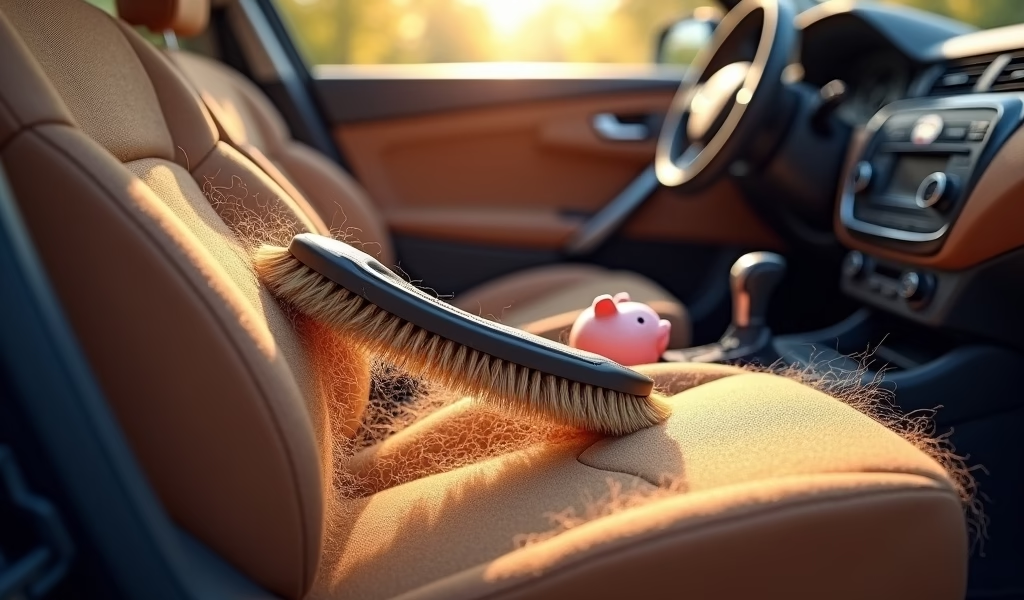
As any mechanic will tell you, preventive maintenance is always easier than repairs. The same principle applies to pet hair in your car. With a few smart strategies, you can dramatically reduce the amount of hair that ends up embedded in your upholstery in the first place.
Invest in Quality Seat Covers
The single most effective prevention method is using proper seat covers designed specifically for pet owners. Look for waterproof, hair-resistant materials like ballistic nylon or specialized pet-friendly fabrics that resist hair adhesion.
The best covers include non-slip backing, reinforced seams, and are machine-washable. Yes, quality options might cost $40-150 depending on coverage, but they’ll save you countless hours of cleaning and protect your upholstery’s condition and resale value.
Create a Designated Pet Zone
Consider using a pet barrier that confines your furry friend to a specific area of the car. These barriers typically install between the front and back seats or create a contained space in the cargo area of SUVs.
By limiting where your pet can go, you’ll concentrate any hair to one section that’s easier to clean. This approach is particularly effective if you detail your car regularly and want to maintain that fresh look between deeper cleanings.
Pre-Trip Grooming Ritual
Establish a quick grooming routine before car trips. Just 2-3 minutes of brushing your pet before they enter your vehicle can remove loose hair that would otherwise end up on your seats.
During heavy shedding seasons (typically spring and fall), consider using a deshedding tool specifically designed to remove the undercoat where most loose hair originates. According to veterinary experts at the AVMA, regular brushing not only reduces shedding in your car but also improves your pet’s coat health.
The Power of Quick Response
Keep a small pet hair removal kit in your glove compartment or door pocket. A mini lint roller, rubber glove, or small pet hair brush allows you to tackle fresh hair immediately rather than giving it time to work its way into fabrics.
Spending just 30 seconds after each trip with your pet can prevent hair from becoming embedded. This “little and often” approach is far more efficient than waiting for hair to accumulate to problematic levels.
Consider Your Pet’s Comfort
A comfortable pet is less likely to move around excessively, which means less hair distribution. Ensure your pet has proper ventilation, a comfortable temperature, and feels secure during travel.
Anxiety during car trips can increase shedding, so familiar blankets, toys, or anxiety wraps might help reduce both stress and hair. Some pets also shed more when overheated, so proper air conditioning during summer months can actually reduce in-car shedding.
DIY vs. Professional Cleaning: Cost Comparison
When it comes to tackling pet hair, you have two main options: handle it yourself or pay a professional. Let’s break down the real costs of both approaches so you can make an informed decision that fits your budget and needs.
The Professional Route
Professional detailing services typically charge between $50-200 for pet hair removal, depending on your vehicle size and the severity of hair buildup. Specialized “pet package” detailing can run even higher, sometimes reaching $250-300 for SUVs or larger vehicles with significant contamination.
What you’re paying for is industrial-strength equipment, specialized products, and expertise. A professional detail will typically include:
- High-powered extraction equipment with specialized attachments
- Commercial-grade cleaning agents
- Comprehensive interior cleaning beyond just hair removal
- Odor elimination treatments
- Protection treatments to reduce future hair adhesion
The DIY Approach
For less than $30, you can assemble a comprehensive pet hair removal kit that will serve you for years. Even if you opt for premium tools like specialized pet hair vacuums ($40-100), you’ll recoup your investment after just one or two uses compared to professional services.
The DIY approach also gives you the flexibility to address hair immediately rather than waiting for an appointment. This prevents hair from becoming more firmly embedded, which makes removal more difficult and potentially more expensive if you eventually do need professional help.
Hidden Costs to Consider
When weighing your options, consider these often-overlooked factors:
- Time investment – DIY methods require your personal time investment
- Learning curve – Your first few cleaning attempts may take longer until you develop efficient techniques
- Long-term upholstery condition – Improper DIY techniques could potentially damage delicate materials
- Resale value – A professionally detailed interior typically photographs better for sale listings
When Professional Help Makes Sense
There are certain situations where professional detailing is worth the expense:
- When preparing to sell your vehicle (first impressions matter)
- If you have severe allergies and need comprehensive allergen removal
- When dealing with years of accumulated pet hair and embedded odors
- If your vehicle has specialty upholstery that requires expert handling
- When you simply don’t have the time or physical ability to handle thorough cleaning
For most regular pet owners, however, a hybrid approach often works best: handle routine maintenance yourself using the techniques we’ve discussed, and consider professional deep cleaning once or twice yearly as needed.
Common Mistakes to Avoid When Removing Pet Hair
Even with the best intentions, many car owners make counterproductive mistakes when tackling pet hair. As someone who’s corrected these issues hundreds of times, let me help you avoid the most common pitfalls.
Starting With the Vacuum
The single biggest mistake is reaching for the vacuum first. Without loosening the hair using one of the techniques we’ve discussed, vacuuming alone merely removes the surface layer while potentially pushing other hairs deeper into the upholstery.
Always loosen hair with rubber gloves, brushes, or other methods before vacuuming. Think of it like sweeping before mopping – preparation makes the primary cleaning method far more effective.
Using Excessive Moisture
While a light mist helps break static bonds, too much water can lead to serious problems. Excessive moisture on fabric upholstery can penetrate padding underneath, creating a perfect environment for mold and mildew growth.
When using water-based techniques, apply just enough to slightly dampen the surface – never saturate it. If you can wring water out by pressing the fabric, you’ve used too much.
Choosing the Wrong Products
Be cautious with commercial cleaning sprays that might leave sticky residues. These can actually attract more dirt and hair over time, making your problem worse in the long run.
Similarly, avoid using household cleaners not designed for automotive interiors. Many contain chemicals that can fade fabrics or damage protective coatings. Simple solutions (water, or water with a tiny amount of fabric softener) are often most effective and least likely to cause harm.
Aggressive Brushing on Delicate Surfaces
Stiff-bristled brushes can be effective on durable carpets but will damage delicate upholstery, suede, or perforated leather. Always match your tool’s aggressiveness to the surface you’re cleaning.
When in doubt, test any method in an inconspicuous area first – perhaps under a seat or in a corner rarely seen. This simple precaution can prevent visible damage to your interior.
Neglecting Regular Maintenance
Waiting until your car looks like it’s growing a fur coat means you’ll spend significantly more time and effort on removal. Five minutes of maintenance after each trip with your pet prevents hours of deep cleaning later.
The “little and often” approach is particularly important during shedding seasons when hair accumulation can quickly escalate from manageable to overwhelming.
Seasonal Considerations for Pet Hair Removal
Just as your car’s maintenance needs change with the seasons, so do the challenges of managing pet hair. Understanding these seasonal variations helps you stay ahead of shedding cycles and adapt your approach accordingly.
Spring Shedding Season
Most pets blow their winter coats as temperatures rise, making spring the heaviest shedding season of the year. During this time, plan for more frequent grooming before car trips and keep your cleaning supplies easily accessible.
The good news is that spring’s moderate humidity levels actually help with hair removal, as static electricity (which makes hair cling to surfaces) is reduced. Take advantage of this by using rubber glove techniques which work particularly well in these conditions.
Summer Heat Considerations
Hot weather brings unique challenges. Pets often shed more when overheated in cars, and sweaty passengers can unintentionally create damp spots that attract and hold hair more stubbornly.
During summer, focus on keeping your pet cool with proper ventilation, schedule drives during cooler hours when possible, and consider using seat covers that can be easily removed and shaken out after trips. Fabric seats tend to collect more hair in summer due to increased moisture from passengers.
Fall Transition Period
As temperatures drop, many pets begin developing their winter coats, leading to another significant shedding period. Fall is an excellent time to perform a deep cleaning of your vehicle before winter’s closed windows and heating systems start recirculating hair and dander.
The decreasing humidity of fall means static electricity becomes more problematic. Combat this by keeping a spray bottle with water and a drop of fabric softener in your car – a quick mist before cleaning helps neutralize static charges.
Winter Challenges
Winter presents the double challenge of pets with thicker coats and closed car environments that recirculate hair through heating systems. Snow, salt, and mud combined with pet hair create a particularly stubborn cleaning situation.
During winter, pay special attention to regular cleaning of your car’s air filter, which can become clogged with hair and reduce heating efficiency. Keep microfiber cloths handy to wipe down surfaces frequently, as the dry winter air increases static cling of hair to all surfaces.
Remember that regardless of season, consistency is your best ally. A regular maintenance schedule adjusted to your pet’s natural shedding cycles will keep the task manageable year-round.
Conclusion: A Hair-Free Car in Minutes
The battle against pet hair in your car is absolutely winnable – and it doesn’t require expensive equipment, professional services, or hours of your precious time. With the right tools and techniques, what once seemed like an endless chore can be transformed into a quick, efficient process that takes just minutes.
Remember that the key to success lies in choosing the right approach for each surface. Rubber gloves for fabric seats, microfiber for leather, pumice stones for carpeting – these simple tools used correctly will outperform expensive gadgets used incorrectly every time.
Prevention remains your most powerful strategy. A few minutes spent on seat covers, pre-trip brushing, and creating a designated pet space will save you countless hours of cleaning later. Plus, your car will maintain its value better with protected upholstery.
Perhaps most importantly, don’t wait until the hair situation becomes overwhelming. The “little and often” approach is far more efficient and keeps your car consistently clean rather than cycling between “furry mess” and “just cleaned.”
By implementing these professional techniques, you’ll not only save money and time, but you’ll also create a cleaner, healthier environment for everyone who rides in your vehicle. Your passengers (both two-legged and four-legged) will thank you!
Frequently Asked Questions
How often should I remove pet hair from my car if I travel with my pet regularly?
For regular pet travelers, a quick 5-minute cleanup after each trip prevents buildup. Plan a more thorough 20-minute cleaning weekly, focusing on your pet’s favorite spots.
Will a regular car vacuum remove all pet hair?
Standard vacuums rarely remove all pet hair without pre-treatment. Always loosen hair with rubber gloves or a pet hair brush before vacuuming for best results.
Can pet hair damage my car’s ventilation system?
Yes, pet hair can clog your car’s cabin air filter and HVAC system. Replace your cabin air filter more frequently (every 15,000 miles or less) if you travel with pets regularly.
What’s the fastest way to remove pet hair in an emergency?
Dampened rubber gloves provide the quickest results for emergency cleanup. Simply wet your hands slightly, put on rubber gloves, and wipe firmly across surfaces in one direction.
Are there any surfaces I should avoid using water-based methods on?
Avoid using water or damp methods on perforated leather, suede, or any electronics. For these surfaces, use microfiber cloths or compressed air instead.