
Overview
We’ve all experienced the frustration of cleaning car windows only to discover streaks in the sunlight, but achieving crystal-clear glass is possible with the right supplies and technique. This guide reveals professional methods for tackling both exterior road film and interior outgassing residue, emphasizing proper cleaning patterns and timing, while explaining how truly streak-free windows aren’t just visually appealing but essential for safe driving.
Table of Contents
- Understanding the Streak Problem
- Why Car Windows Get Dirty
- Essential Supplies for Streak-Free Cleaning
- Step-by-Step Cleaning Process
- Interior Window Cleaning Techniques
- Preventing Windshield Glare
- Professional Tips for Lasting Results
- Conclusion
- Frequently Asked Questions
Understanding the Streak Problem
We’ve all been there—you clean your car windows until they shine, only to have the sun reveal streaks you swore weren’t there before. As a mechanic who’s detailed thousands of vehicles, I can tell you that streaky windows aren’t just annoying—they’re dangerous.
Streaks and smudges scatter light in unpredictable ways, creating glare that can temporarily blind you while driving. This is especially hazardous during sunrise or sunset when sunlight hits your windshield at a low angle.
The good news? You don’t need expensive products or professional equipment to achieve crystal-clear windows. What you need is the right technique and understanding of why streaks happen in the first place.
Streaks typically occur when cleaning solution residue remains on the glass or when dirt gets spread around instead of removed. Traditional cleaning methods often fail because they don’t address both these issues effectively.
Most DIY enthusiasts go wrong by using the wrong cleaning agents, dirty rags, or incorrect wiping patterns. Paper towels are particularly problematic as they leave lint behind and can even scratch your glass over time.
Why Car Windows Get Dirty
Before tackling the cleaning process, it helps to understand what you’re actually cleaning off. Car windows accumulate several types of contaminants that require different approaches to remove effectively.
Road film is that stubborn hazy layer that forms on exterior windows. It’s a nasty mixture of exhaust particles, road salt, tar, and airborne pollutants. This film bonds to your glass and won’t come off with a simple wipe-down.

Interior windows face a different enemy: outgassing. This occurs when your dashboard and upholstery release vapors that gradually deposit a thin, oily film on the inside of your windows. If you’ve ever noticed a rainbow-like effect when sunlight hits your windshield, that’s outgassing residue.
Water spots form when mineral-rich water (like rain or sprinklers) evaporates from your windows, leaving behind calcium and magnesium deposits. These spots aren’t just unsightly—they can permanently etch your glass if left untreated for too long, according to Consumer Reports.
Fingerprints and natural oils from hands and faces create stubborn smudges, especially on interior glass. These oils attract dust, making windows appear dirty even faster.
Understanding these contaminants explains why finding the best way to clean car windows isn’t one-size-fits-all. You need a strategy that addresses each type of dirt.
Essential Supplies for Streak-Free Cleaning
Having the right tools makes all the difference between frustrating streaks and professional results. Here’s what you’ll need:
- Microfiber cloths (at least 3-4) – These are non-negotiable. Look for cloths specifically designed for glass cleaning with a tight weave. I keep separate cloths for applying cleaner and for the final buff.
- Quality glass cleaner – Avoid household glass cleaners containing ammonia, which can damage tint and automotive surfaces. Automotive-specific cleaners like Stoner’s Invisible Glass or Meguiar’s Perfect Clarity are formulated to cut through road film without leaving residue.
- Distilled water – Regular tap water contains minerals that can leave spots. For DIY solutions or rinsing, always use distilled water.
- Isopropyl alcohol (70%) – Great for cutting through tough grease and oils.
- Small spray bottle – For mixing your own solutions or decanting commercial cleaners.
- Squeegee (optional) – Helps cover large areas quickly with minimal streaking.
For stubborn issues like hard water spots, you might also need a clay bar or dedicated water spot remover. These specialized products can safely remove contaminants that regular cleaning can’t touch.
If you prefer DIY solutions, one of my favorites is mixing equal parts distilled water and white vinegar with a drop of dish soap. This combination cuts through just about everything and evaporates cleanly when used correctly.
Whatever you do, avoid using newspaper (it’s not what it used to be and can scratch), paper towels (they leave lint), or regular household rags (they often have residual fabric softener that causes streaks).
Step-by-Step Cleaning Process
Now for the technique that will change how you clean windows forever. The key is working methodically in the right conditions.
- Choose the right time – Never clean windows in direct sunlight or on hot days. The heat causes cleaners to evaporate before you can properly wipe them away, guaranteeing streaks. Early morning, overcast days, or in a shaded area is ideal.
- Start with a pre-wash – If your windows are visibly dirty, rinse them with plain water first to remove loose debris. This prevents scratching your glass during the cleaning process.
- Apply cleaner sparingly – Mist your microfiber cloth lightly, not the window directly. This prevents oversaturation and runoff that can leave residue on trim or paint. For heavily soiled windows, you can apply directly to the glass, but use a light mist.
- Use proper wiping technique – This is where most people go wrong. Fold your cloth into quarters (giving you 8 usable surfaces) and wipe in straight, overlapping horizontal strokes. Then immediately follow with straight vertical strokes using a clean section of your cloth. Avoid circular motions, which make streaks more visible.
- Buff to perfection – This final step is crucial. Take a separate, completely dry microfiber cloth and lightly buff the entire window using straight strokes. This removes any remaining moisture or residue that causes streaking.
For exterior windows, work from the top down to prevent dirty runoff from contaminating already-cleaned areas. Properly cleaning your car windows should include the edges where dirt often accumulates.
If you notice streaks during the buffing stage, they’re typically caused by excess product or a dirty cloth. Switch to a clean section of your buffing cloth and try again.
Interior Window Cleaning Techniques
Interior windows present unique challenges, primarily that oily film and tight angles. Here’s how to tackle them:
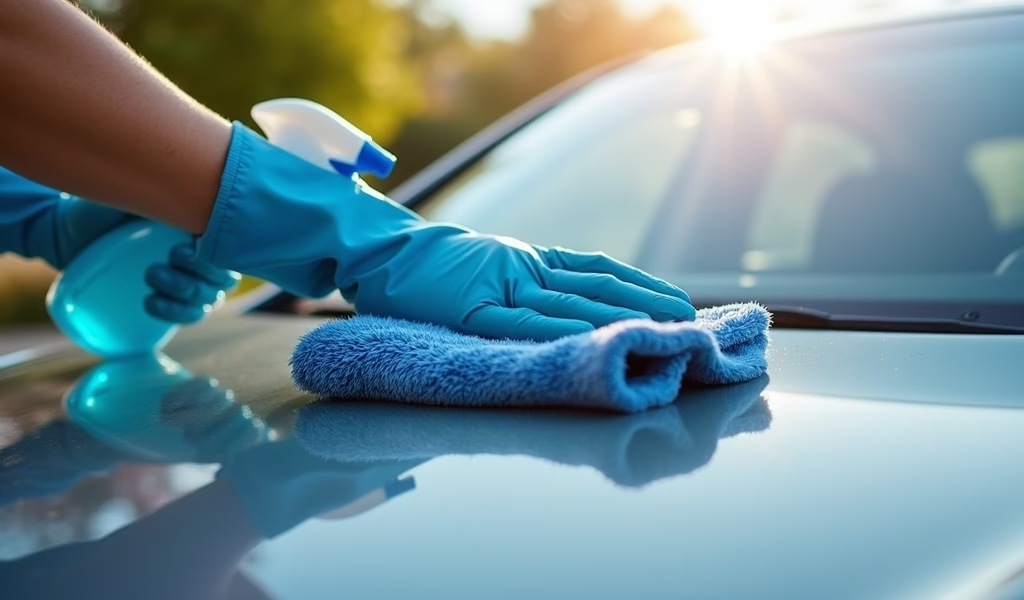
For the interior film problem, alcohol-based cleaners work wonders. A 50/50 mix of 70% isopropyl alcohol and distilled water cuts through oils without leaving residue. Apply this sparingly before using your regular glass cleaner.
Reaching the lower corners of the windshield can feel like you need to be a contortionist. Try this mechanic’s trick: sit in the passenger seat to clean the driver’s side windshield, then switch. You’ll get a much better angle without straining your back.
For those hard-to-reach areas, wrap your microfiber cloth around a plastic card (like an old credit card) to get into tight corners. Some professional detailers use extendable windshield cleaning tools, but the credit card trick works nearly as well.
If you have tinted windows, take extra precautions. Never use ammonia-based products or anything containing vinegar on tinted windows, as these can damage the tint film. The best way to clean tinted car windows is with mild soapy water or alcohol-free glass cleaners specifically formulated for tint.
Always clean the interior glass last in your car-cleaning routine. This prevents dust from other cleaning activities settling on your freshly cleaned windows.
Preventing Windshield Glare
Clean windows are just the starting point for preventing dangerous glare. Take these additional steps to improve visibility in challenging light conditions:
- Apply a rain repellent coating – Products like Rain-X create a hydrophobic barrier that causes water to bead and roll off. This dramatically improves visibility during rainstorms and helps prevent water spots.
- Consider a glass sealant – More durable than rain repellents, glass sealants like Gtechniq G1 can provide protection for months. They reduce glare by creating a smoother surface that light doesn’t scatter from as easily.
- Keep your windshield wiper blades fresh – Deteriorating wipers leave streaks that create glare. Replace them every 6-12 months depending on your climate.
- Use polarized sunglasses – These filter horizontally reflected light, reducing glare significantly. They’re especially helpful during dawn and dusk driving.
The dashboard can be a major source of glare as it reflects onto your windshield. If you’re experiencing significant glare, consider a dark, matte dashboard cover that minimizes reflections.
Avoid placing light-colored objects on your dash, as these create reflections. The National Highway Traffic Safety Administration notes that dashboard reflections can significantly impact driver vision and reaction times.
For nighttime driving, keep interior lighting dim. Bright screens and overhead lights create reflections that reduce your ability to see clearly through the windshield.
Professional Tips for Lasting Results
After years in the shop, I’ve developed these additional tricks that make a real difference in window clarity and maintenance:
- Clay bar treatment – For seriously contaminated glass, use an automotive clay bar before cleaning. This removes embedded contaminants that regular cleaning can’t touch, creating a perfectly smooth surface.
- 0000 steel wool – For extreme hard water deposits or stubborn contaminants, ultra-fine steel wool (0000 grade only) with plenty of glass cleaner can safely remove buildup without scratching. Use gentle pressure and test in an inconspicuous area first.
- Preventative maintenance – Clean your windows weekly to prevent serious buildup. It’s much easier to maintain clean windows than to restore heavily contaminated ones.
- Dedicated glass microfiber – Use microfiber towels exclusively for glass cleaning. Contamination from waxes or other car care products can cause streaking.
Consider the climate you live in. In humid environments, use alcohol-based cleaners that evaporate quickly. In dry, dusty areas, a light spritz of water before cleaning prevents scratching from airborne particles.
Keep quick detailer and a clean microfiber in your car for touch-ups. Bird droppings and bug splatter can etch into glass if left too long, especially in hot weather. A quick wipe when they happen prevents permanent damage.
Never use household cleaners containing fabric softeners on automotive glass. These products leave invisible residues that attract dust and create horrible streaking when wiped.
Conclusion
Crystal-clear windows aren’t just about aesthetics—they’re a crucial safety feature of your vehicle. By understanding the science behind streaks and following these professional techniques, you can achieve spotless, glare-free glass every time.
Remember that patience and proper technique matter more than expensive products. Take your time, work in appropriate weather conditions, and follow the methodical approach outlined here. Your eyes will thank you, especially during challenging driving conditions.
Maintaining streak-free windows becomes easier over time as you remove built-up contaminants and develop an efficient cleaning routine. What might take 30 minutes the first time can become a quick 10-minute job with regular maintenance.
Clear visibility isn’t a luxury—it’s a necessity for safe driving. The next time you’re behind the wheel at sunset without fighting glare, you’ll appreciate those extra minutes spent properly cleaning your windows.
Frequently Asked Questions
What causes streaks when cleaning car windows?
Streaks typically result from cleaning product residue, dirty cloths, or cleaning in direct sunlight. Using the wrong products (like ammonia-based cleaners) or paper towels that leave lint behind are also common culprits.
Can I use vinegar to clean my car windows?
Yes, a 50/50 solution of distilled white vinegar and distilled water works well on exterior glass. Avoid using vinegar on tinted windows as the acidity can damage the tint film.
How often should I clean my car windows?
Clean exterior windows every 1-2 weeks and interior windows monthly for optimal visibility. Increase frequency during pollen season, after driving on dusty roads, or in areas with high pollution.
What’s the best way to clean the inside of the windshield?
Use an alcohol-based cleaner applied to a microfiber cloth to cut through interior film, followed by regular glass cleaner. Clean from the passenger side to reach difficult areas, using straight horizontal then vertical strokes.
How can I prevent water spots on my windshield?
Apply a hydrophobic glass coating like Rain-X or a ceramic glass sealant that causes water to bead and roll off. Dry your windows after washing your car or after rain using a clean microfiber towel.