

Overview
While most drivers postpone interior car cleaning thinking it’s time-consuming and expensive, this guide reveals professional techniques for efficiently maintaining your vehicle’s interior using simple daily habits and affordable supplies like microfiber cloths and household products. From dashboard dusting to streak-free windows, these strategic cleaning approaches not only preserve your car’s value but create a healthier driving environment—proving that five minutes of weekly maintenance beats hours of occasional deep cleaning.
Table of Contents
- Introduction to Fast Car Interior Cleaning
- Essential Supplies for Quick Interior Cleaning
- Daily Maintenance Tips to Keep Your Car Clean
- Dashboard and Console Cleaning Made Easy
- Efficient Methods for Cleaning Car Seats
- Fast Floor and Carpet Cleaning Techniques
- Streak-Free Window and Mirror Cleaning
- Quick Odor Elimination Strategies
- Professional Tips for Speed Cleaning
- Conclusion
- Frequently Asked Questions
Introduction to Fast Car Interior Cleaning
Learning how to clean car interior spaces efficiently isn’t just about aesthetics—it’s about preserving your vehicle’s value and creating a healthier driving environment. After 15 years working as an automotive detailer, I’ve discovered that most drivers put off interior cleaning because they think it’s time-consuming and expensive. The good news? It doesn’t have to be either.
A clean car interior can significantly enhance your driving experience while protecting your investment. Dust, crumbs, and spills aren’t just unsightly—they can damage surfaces over time and even affect your car’s resale value. Furthermore, a regularly cleaned interior means fewer allergens and bacteria, creating a healthier environment for you and your passengers.
In this comprehensive guide, I’ll share professional techniques on how to clean car interior components quickly and affordably. You’ll learn time-saving strategies that deliver professional-level results without breaking the bank. Let’s transform your vehicle’s interior from “lived-in” to “luxurious” in less time than you might think possible.
Essential Supplies for Quick Interior Cleaning
Before diving into the cleaning process, gathering the right supplies will save you valuable time and money. The good news is that you don’t need specialized, expensive products to achieve professional results. Here’s what I recommend having on hand:
- Microfiber cloths (3-5 different ones for different areas)
- Vacuum with attachments
- All-purpose interior cleaner
- Glass cleaner (ammonia-free to protect tinted windows)
- Small detailing brushes (old toothbrushes work perfectly)
- Fabric or upholstery cleaner (appropriate for your seat material)
- Trash bag for debris
- Compressed air can (optional but helpful)
The beauty of this list is that most items are multipurpose and affordable. For instance, white vinegar mixed with water (1:1 ratio) makes an excellent budget-friendly glass cleaner that professional detailers swear by. Similarly, a mild dish soap diluted with warm water works wonders on most interior surfaces.
One pro tip: invest in quality microfiber cloths rather than paper towels. They’re reusable, more effective at capturing dust, and won’t leave lint or scratches behind. According to Consumer Reports, microfiber cloths can trap dirt particles more effectively than traditional cloths, making them ideal for automotive cleaning.
Daily Maintenance Tips to Keep Your Car Clean

The secret to fast interior cleaning is actually preventing major messes in the first place. Small daily habits can dramatically reduce the time you’ll need to spend on deep cleaning sessions. Here’s my maintenance routine that takes just minutes each day:
First, keep a small trash container in your car—this could be as simple as a small plastic cereal container lined with a grocery bag. Empty it regularly, ideally whenever you fill up with gas. This five-second habit prevents garbage from accumulating and creating bigger cleaning challenges.
Second, store a couple of microfiber cloths in your glove compartment. While waiting at stoplights or in parking lots, quickly wipe down your dashboard and center console. These are the areas that collect dust most visibly, and quick regular wipe-downs prevent dust from building up in crevices where it’s harder to remove later.
Third, adopt the “nothing leaves the car” rule with passengers. When you arrive at your destination, everyone takes their belongings, trash, and any items that don’t belong in the car. This simple habit, which I’ve successfully implemented with my own family, prevents about 80% of car clutter.
Finally, keep a small pack of automotive interior wipes in your center console for immediate spill cleanup. Addressing spills immediately prevents staining and odors that become much harder to eliminate later. As the saying goes in detailing circles, “a five-second clean-up now saves a 30-minute scrubbing session later.”
Dashboard and Console Cleaning Made Easy
The dashboard and center console collect dust faster than any other interior surfaces due to their horizontal positioning and the static electricity they generate. Fortunately, these hard surfaces are among the easiest to clean quickly when you know the right approach.
Start by removing larger debris with a vacuum attachment or a compressed air can for vents and tight spaces. This prevents scratching the surfaces when you wipe them down. For standard plastic or vinyl dashboards, a damp microfiber cloth is often sufficient for regular cleaning. If your dashboard has accumulated grime, a mild all-purpose cleaner diluted with water will do the trick.
For those delicate touchscreens and displays, special care is needed. Never spray cleaner directly onto screens—instead, lightly dampen a microfiber cloth and gently wipe. Excessive moisture can damage electronic components, so less is definitely more here. Many professional detailers, myself included, prefer using specialized electronics wipes for these surfaces.
Don’t forget those hard-to-reach crevices like air vents and cup holders where dust and crumbs love to hide. Wrap a microfiber cloth around a flathead screwdriver (covered with tape to prevent scratches) to reach tight spots. Alternatively, a small detailing brush or an old makeup brush works wonderfully for dislodging debris from narrow spaces.
Finish with a quick application of protectant if you desire. However, contrary to popular belief, a matte finish is actually preferable to a shiny one—glossy dashboards can create dangerous windshield glare. Many detailing experts recommend water-based, low-shine products that provide UV protection without excessive glossiness.
Efficient Methods for Cleaning Car Seats
Car seats present unique cleaning challenges because they come in various materials and endure constant contact. Whether you have fabric, leather, or vinyl upholstery, the key to quick cleaning is using the right technique for your specific material.
For fabric seats, start with thorough vacuuming using an upholstery attachment. Work in one direction, then another to lift embedded dirt. For spot cleaning, blot (don’t rub) stains with an appropriate upholstery cleaner and a microfiber cloth. For a budget-friendly option that works remarkably well on most fabric seats, mix one part dishwashing liquid with two parts warm water and apply with a soft brush in circular motions before blotting dry.
When dealing with leather seats, less is more. Wipe down with a slightly damp cloth first to remove surface dirt. For deeper cleaning, use a designated leather cleaner—or in a pinch, a solution of mild soap and water works well too. Always test any product on an inconspicuous area first. After cleaning, apply a leather conditioner every few months to prevent cracks and drying. This proper seat maintenance extends the life of your upholstery significantly.
Vinyl seats are perhaps the easiest to maintain—simply wipe them down with an all-purpose interior cleaner. For textured vinyl with dirt trapped in the grain, use a soft-bristled brush to gently agitate the cleaner before wiping away.
One professional tip I’ve used countless times: for stubborn stains on fabric seats, a mixture of equal parts club soda, white vinegar, and a drop of dish soap works wonders. Apply it sparingly with a cloth, let it sit for a minute or two, then blot away with a clean, damp cloth.
Fast Floor and Carpet Cleaning Techniques
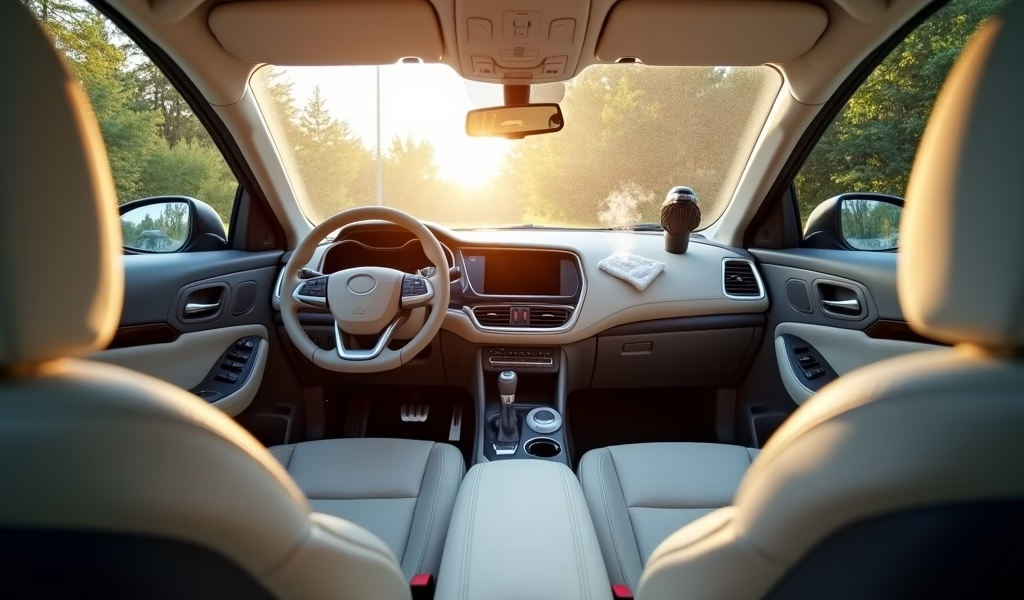
Car floors accumulate more dirt than any other interior surface, making efficient cleaning techniques essential. The foundation of clean car carpets starts with thorough vacuuming—but with a strategic approach.
Begin by removing the floor mats completely from the vehicle. Shake them vigorously away from the car to remove loose dirt and debris. This simple step prevents you from simply moving dirt around inside the vehicle. For rubber floor mats, a quick spray with the garden hose and a wipe-down is often sufficient. For carpeted mats, vacuum both sides thoroughly, then spot-treat stains as needed.
When vacuuming the main carpet areas, work systematically from top to bottom (headliner to floor) and back to front. This prevents recontaminating already-cleaned areas. Use crevice tools to reach under seats and along edges where dirt likes to hide. For embedded dirt in carpets, lightly spritz with water before vacuuming—this weighs down dust particles and helps the vacuum pick them up more effectively.
For spot cleaning carpets, resist the urge to saturate the area with cleaner. Excessive moisture can seep into the padding underneath, potentially causing mold or mildew issues. Instead, apply carpet cleaner sparingly, agitate gently with a brush, then blot with a clean microfiber cloth. For truly stubborn stains, a portable carpet extractor can be rented for a day—a worthwhile investment for severely soiled interiors.
Here’s a time-saving tip from my professional experience: sprinkle baking soda lightly over carpets about 30 minutes before vacuuming. It helps neutralize odors and loosens dirt particles for more efficient vacuum pickup. This detailing technique not only cleans but also freshens your car interior simultaneously.
Streak-Free Window and Mirror Cleaning
Nothing diminishes the result of an otherwise clean car interior like streaky, smudged glass surfaces. Achieving streak-free windows is actually simpler than most people think—it’s all about technique and timing.
The cardinal rule for window cleaning: avoid direct sunlight. Cleaning windows in direct sun causes the cleaner to dry too quickly, leaving those frustrating streaks behind. Instead, park in a shaded area or clean your windows during early morning or evening hours for best results.
For the cleaning solution, a quality ammonia-free glass cleaner is ideal, especially if you have tinted windows (ammonia can damage window tint). Alternatively, a 50/50 mix of white vinegar and distilled water works exceptionally well and costs mere pennies. The distilled water is key—it doesn’t contain the minerals that can contribute to streaking.
The secret to streak-free results lies in your wiping technique. I recommend using two microfiber cloths—one slightly damp for initial cleaning and a second dry one for buffing. Spray the cleaner onto the cloth rather than directly on the glass to prevent overspray on your freshly cleaned dashboard. Wipe in one direction (horizontally) on the inside of the glass and another direction (vertically) on the outside. This makes it easy to identify which side of the glass has remaining streaks.
Don’t forget those often-overlooked glass surfaces: your rearview mirror, side mirrors, and gauge cluster cover. These smaller glass areas can accumulate fingerprints and dust that affect visibility. Use the same technique but with a folded microfiber cloth to provide more cleaning pressure in a smaller area.
For particularly grimy windows with built-up residue (often from smoking or vaping), a preliminary cleaning with a solution of one tablespoon white vinegar in a cup of warm water will cut through the film before regular glass cleaning. This extra step, recommended by professional window cleaners, makes a remarkable difference in clarity.
Quick Odor Elimination Strategies
A clean car isn’t truly clean if it doesn’t smell fresh. Lingering odors can make even a visually spotless interior seem dirty. The key to efficient odor elimination is addressing the source rather than merely masking smells.
First, remove any obvious sources of odors—food wrappers, gym clothes, or forgotten items in door pockets and under seats. Check your car’s cabin air filter; a clogged filter can harbor musty smells and circulate them throughout your vehicle. Most cabin filters can be replaced in minutes following your owner’s manual instructions.
For fabric surfaces that have absorbed odors, baking soda is remarkably effective. Sprinkle it liberally on carpets and cloth seats, let it sit for at least 30 minutes (overnight if possible), then vacuum thoroughly. Baking soda naturally neutralizes odors rather than covering them up. For leather or vinyl surfaces, a 1:1 mixture of white vinegar and water in a spray bottle works well—spray lightly, then wipe dry with a microfiber cloth.
Persistent food or smoke odors may require enzymatic cleaners, which break down the organic compounds causing the smell. These specialized cleaners are particularly effective for pet accidents or spilled milk that can leave long-lasting odors. Apply according to the product directions, typically allowing the solution to air dry completely to maximize effectiveness.
As for air fresheners, choose products that neutralize rather than mask odors. Activated charcoal bags are an excellent natural option—they absorb odors without adding artificial scents. If you prefer a pleasant scent, essential oil diffusers designed for vehicles provide natural fragrance without the chemicals found in many commercial air fresheners.
One professional trick I’ve used for years: place a few drops of essential oil (lemon, lavender, or peppermint work well) on your car’s air filter or on a cotton ball tucked into a vent. The air circulation will distribute a subtle, natural fragrance throughout your vehicle.
Professional Tips for Speed Cleaning
After years in the detailing business, I’ve developed strategies that dramatically reduce cleaning time while maintaining professional-quality results. These tips can help anyone clean their car interior like a pro—in half the time.
Work top-down, always. Start cleaning from the headliner and work your way down to the carpets. This prevents having to re-clean lower surfaces when dust and debris fall from above. This simple sequencing strategy can save you from doing the same job twice.
Optimize your movements by cleaning in sections rather than by surface type. For example, clean everything in the driver’s area before moving to the passenger side. This prevents the inefficiency of jumping around the vehicle and helps ensure you don’t miss anything.
Multitask smartly by using “dwell time” to your advantage. Apply upholstery cleaner to a stain, then clean your dashboard while the cleaner works on breaking down the stain. By the time you return to the stain, it will require less scrubbing and come clean more easily.
Keep your cleaning supplies organized in a caddy or bucket that moves with you around the vehicle. This seemingly simple tip eliminates countless trips back and forth to retrieve different products and tools. I recommend a cleaning caddy with a handle that holds all your essential supplies.
Use tools designed for efficiency. A small vacuum with powerful suction and various attachments will clean faster than a large shop vac with limited accessories. Similarly, microfiber cloths with different pile heights for different surfaces will clean more effectively than all-purpose rags.
Perhaps my most valuable professional insight: regular quick cleanings are far more efficient than occasional deep cleanings. Spending five minutes on interior maintenance weekly is much faster than spending two hours removing a month’s accumulated grime. This approach not only saves time but also maintains your car in better condition year-round.
Conclusion
Mastering how to clean car interior spaces quickly doesn’t require professional training or expensive equipment—just the right approach and a few insider techniques. By implementing the strategies we’ve covered, you can transform your vehicle’s interior from neglected to immaculate in less time than you might expect.
Remember that consistency is key. Those small daily habits—removing trash, wiping down surfaces, addressing spills immediately—prevent the need for time-consuming deep cleanings. Think of it as preventive maintenance for your car’s interior.
The money-saving aspect is equally important. By using many household items you likely already have and focusing on multipurpose products, you can achieve professional results without the professional price tag. Your car’s interior will not only look better but will maintain its value longer with regular care.
Perhaps most importantly, a clean car interior creates a healthier, more pleasant driving environment. Less dust means fewer allergens, and regular cleaning prevents the buildup of bacteria and mold that can affect your well-being during those many hours spent in your vehicle.
So grab those microfiber cloths, mix up some simple cleaning solutions, and give your car the quick-clean transformation it deserves. Your wallet—and your passengers—will thank you.
Frequently Asked Questions
How often should I deep clean my car interior?
For daily drivers, a thorough interior cleaning every 1-2 months is sufficient, with quick weekly maintenance in between. The frequency depends on your usage, climate, and whether you regularly transport children or pets.
What’s the fastest way to clean very dirty car seats?
Vacuum thoroughly first, then use a foaming upholstery cleaner with a soft brush to lift dirt without saturating the fabric. For leather, a designated leather cleaner applied with a microfiber cloth works fastest and most effectively.
Can I use household products to clean my car interior?
Yes, many household products work excellently on car interiors. Diluted dish soap, white vinegar, and baking soda are particularly versatile for different surfaces without damaging materials.
How do I clean car interior without leaving water spots?
Always use minimal moisture and immediately dry surfaces with a clean microfiber cloth. For electronics and screens, spray cleaning solution on the cloth first rather than directly on surfaces.
What’s the best way to maintain a clean car between deep cleanings?
Keep microfiber cloths and interior wipes in your car for immediate cleanup of spills and dust. Remove trash daily and use floor mats that can be easily removed and cleaned separately.