
Overview
Just like bundling up for winter yourself, your vehicle needs similar attention through battery care, fluid checks, tire maintenance, and visibility systems before temperatures plunge. A properly winterized car not only prevents costly repairs and roadside frustration, but significantly improves safety during those inevitable icy road encounters when reliable performance matters most.
Table of Contents
- Understanding Winterization: Why It’s Crucial for Your Vehicle
- When to Winterize Your Car: Timing Matters
- Battery Care: Keeping Your Power Source Ready for Cold Starts
- Fluids Check: Ensuring Proper Protection in Freezing Temperatures
- Tire Maintenance: Gripping the Winter Roads Safely
- Wiper System and Visibility: Seeing Clearly Through Winter Weather
- Winter Emergency Kit: Be Prepared for the Unexpected
- Winter Storage Tips: For Seasonal Vehicles
- Conclusion: Your Winter-Ready Vehicle
- Frequently Asked Questions
As the temperatures start to drop, knowing how to winterize a car becomes essential for any vehicle owner. Having spent over 20 years working as a professional mechanic, I’ve seen countless avoidable winter breakdowns that proper preparation could have prevented. Winter’s harsh conditions don’t just make driving challenging – they can also punish your vehicle in ways that lead to expensive repairs. Let’s walk through a comprehensive approach to preparing your vehicle for winter’s challenges, saving you money and potential roadside frustration.
Understanding Winterization: Why It’s Crucial for Your Vehicle
Winterizing your car isn’t just a suggestion – it’s a necessity in colder climates. When temperatures plummet, every system in your vehicle faces increased stress. Oil thickens, batteries lose efficiency, and rubber components become brittle. These changes don’t happen gradually; they can affect your car almost overnight when that first deep freeze hits.
Beyond avoiding costly repairs, proper winterization directly impacts your safety. A well-maintained vehicle responds better in emergency situations, which are unfortunately more common during winter driving conditions. Imagine trying to avoid a collision on an icy road with tires that have inadequate tread or brakes that haven’t been checked in months – not a scenario any of us wants to experience.
The good news is that comprehensive winter preparation doesn’t require mechanical expertise. With some basic knowledge and attention to detail, you can prepare your car for winter driving conditions effectively. Let’s break down this process into manageable steps that will keep your vehicle running reliably through the coldest months.
When to Winterize Your Car: Timing Matters
Timing your winterization efforts correctly is almost as important as the maintenance itself. The ideal time to winterize your car is in late fall, before temperatures consistently drop below freezing. This gives you a comfortable window to address any issues without the pressure of an imminent snowstorm.
Many folks make the mistake of waiting until the first snowfall forecast, creating unnecessary stress and potentially finding service centers booked solid. According to AAA’s automotive experts, scheduling your winter prep in October or early November provides the perfect timing in most North American climates.
Remember that some winterization tasks need to be repeated throughout the season. For instance, keeping your gas tank at least half full should become standard practice during winter months to prevent fuel line freezing. Similarly, regularly cleaning your headlights becomes more important when winter grime reduces visibility.
Battery Care: Keeping Your Power Source Ready for Cold Starts
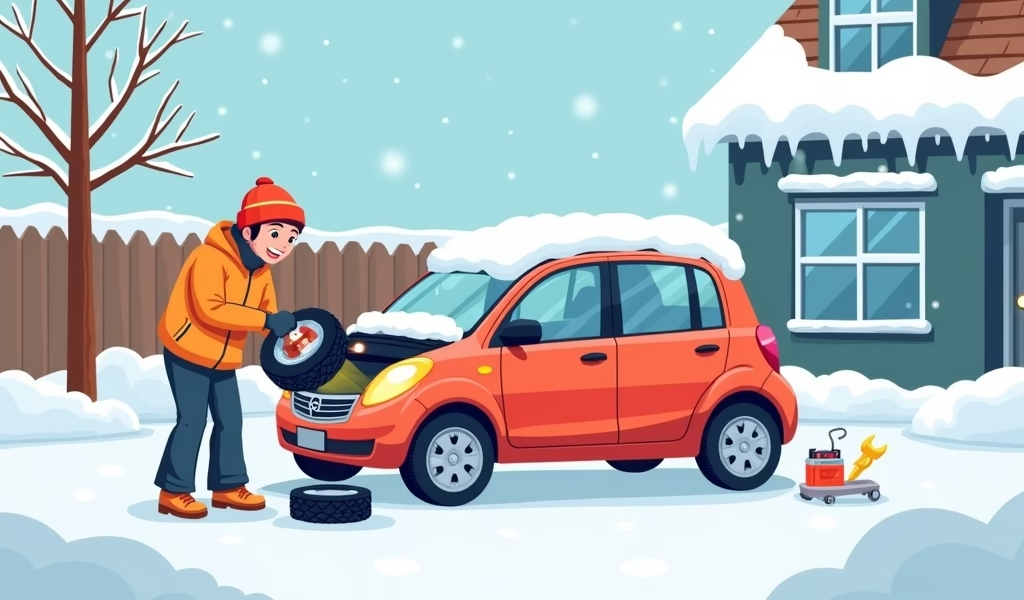
Your car battery works harder in cold weather – much harder. At 0°F, a battery has only about half the cranking power it has at 80°F. This reduced capacity makes battery maintenance perhaps the most critical aspect of winter car preparation.
First, visually inspect your battery for any signs of trouble. Look for corrosion (white or greenish powder) around the terminals and cable connections. If present, disconnect the cables (always removing the negative cable first) and clean the terminals with a wire brush and a mixture of baking soda and water. Once dry, apply a thin coat of petroleum jelly to help prevent future corrosion.
Next, check your battery’s age. Most car batteries last 3-5 years, but extreme temperatures accelerate aging. If your battery is approaching the end of this range, consider proactive replacement before winter sets in. Few things are more frustrating than a dead battery on a freezing morning.
For those with access to the right equipment, testing your battery’s voltage and load capacity provides the most accurate assessment of its condition. Many car battery care tips suggest professional testing if your battery is over three years old. Most auto parts stores offer this service for free, making it an easy preventative measure.
If you park outside or in an unheated garage in extremely cold regions, consider a battery insulator or electric battery blanket. These affordable accessories can make a significant difference in starting reliability during deep freezes.
Fluids Check: Ensuring Proper Protection in Freezing Temperatures
Winter demands proper fluid maintenance, starting with your engine’s antifreeze. The name says it all – this fluid prevents your engine from freezing in cold weather. But many drivers don’t realize that antifreeze also prevents corrosion and helps maintain proper operating temperatures.
To check your antifreeze protection level, you’ll need an antifreeze tester (inexpensive at any auto parts store). The goal is protection to at least -30°F in most northern climates. If your antifreeze needs topping off, use the type recommended in your owner’s manual, and never mix different colors of antifreeze.
While you’re under the hood, don’t forget to check coolant levels in your car carefully. The cooling system should be filled to the proper level to ensure efficient heat transfer and cabin warming. If your coolant is over two years old, consider a complete flush and refill as part of your winterization.
Motor oil viscosity becomes critical in winter. Cold temperatures cause oil to thicken, making it harder for your engine to turn over. Many mechanics recommend switching to a lower viscosity oil for winter driving. Your owner’s manual will specify winter-appropriate options, often showing a “W” (for winter) in the viscosity rating, such as 5W-30.
Finally, ensure your windshield washer reservoir is filled with winter-grade washer fluid. Regular washer fluid can freeze in your lines, rendering your washers useless when you need them most. Winter formulations contain more alcohol or anti-freeze agents to remain liquid at lower temperatures.
Tire Maintenance: Gripping the Winter Roads Safely
Your tires provide the only contact between your vehicle and the road, making them arguably your most important safety feature in winter conditions. This isn’t just about traction – it’s about stopping distance, which increases dramatically on snow and ice.
Start by checking your tire tread depth. The old penny test works well: insert a penny into your tire’s tread groove with Lincoln’s head upside down. If you can see the top of Lincoln’s head, your tread depth is less than 2/32″, meaning it’s time for replacement. For winter driving, however, you want significantly more tread – at least 4/32″ to 6/32″ is recommended by most safety experts at the National Highway Traffic Safety Administration.
Proper tire inflation becomes even more critical in winter. For every 10°F drop in temperature, tire pressure typically decreases by about 1 PSI. Check your tire pressure at least monthly during winter, preferably when the tires are cold. The correct pressure is listed in your owner’s manual or on a sticker inside the driver’s door jamb – not on the tire itself.
For areas with significant snowfall or ice, consider dedicated winter tires. These specialized tires use rubber compounds that stay pliable in cold temperatures and feature tread patterns designed specifically for snow and ice traction. The investment pays off not just in safety but in reduced wear on your regular tires, which can be stored during winter months.
Wiper System and Visibility: Seeing Clearly Through Winter Weather
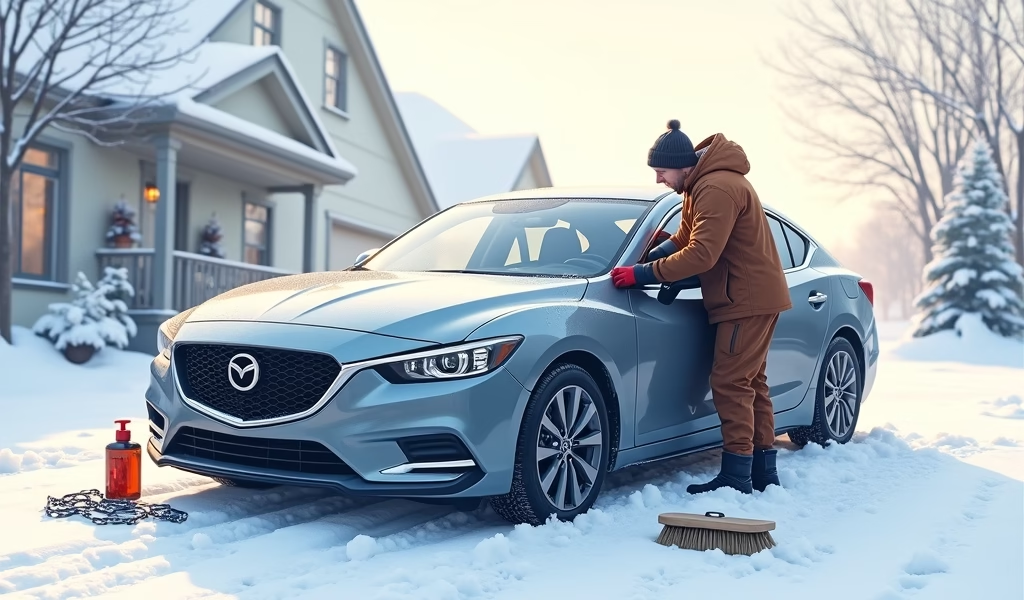
Winter driving demands crystal-clear visibility, but it’s exactly when maintaining clear sightlines becomes most challenging. Your wiper system deserves special attention as part of your winterization routine.
Wiper blades have a surprisingly short lifespan, typically 6-12 months depending on environmental conditions. Winter puts additional stress on them through ice, snow, and road salt. Examine your blades for any signs of cracking, stiffness, or uneven edges. If they streak, skip, or chatter across your windshield, it’s time for replacement.
Consider upgrading to winter wiper blades specifically designed for cold weather. These feature a rubber boot that prevents ice and snow from clogging the moving parts. They cost slightly more but deliver significantly better performance when you need it most.
Don’t forget your rear wiper blade if your vehicle has one. Rear visibility becomes especially important when front visibility is compromised by winter conditions. While checking your wipers, also ensure your defrosters (front and rear) are working properly – they’re your first line of defense against fogging and icing.
Finally, inspect all exterior lights. Winter brings shorter days and reduced visibility, making functional lighting essential. Check headlights, tail lights, brake lights, and turn signals. Clean your headlight lenses if they’ve become yellowed or hazy, as this significantly reduces their effectiveness.
Winter Emergency Kit: Be Prepared for the Unexpected
Even the most meticulously maintained vehicle can encounter problems in severe winter conditions. A well-stocked emergency kit can mean the difference between a minor inconvenience and a dangerous situation.
Your winter emergency kit should include:
- Jumper cables or a portable jump starter
- Flashlight with extra batteries
- First-aid supplies
- Blanket or sleeping bag
- Extra warm clothing, including gloves and hats
- Snow brush and ice scraper
- Small folding shovel
- Bag of sand or cat litter for traction
- Non-perishable snacks and water
- Phone charger
- Reflective warning triangles or flares
Keep this kit in your trunk or cargo area throughout the winter months. If you travel frequently in remote areas, consider adding a basic tool kit, tow strap, and chemical hand warmers. Remember to check these supplies periodically and replace anything that’s been used or expired.
For those driving in particularly remote or severe winter regions, communicating your travel plans to someone who can check on your progress is always wise. Modern technology offers another layer of security – consider a subscription to a roadside assistance service or using smartphone apps that can track your location and send alerts if needed.
Winter Storage Tips: For Seasonal Vehicles
For those who store a vehicle during winter months – perhaps a sports car, classic vehicle, or convertible – proper preparation prevents problems when spring arrives. The winterization process for stored vehicles differs from daily drivers.
Start by thoroughly cleaning your vehicle, including the undercarriage where road salt residue may linger. Apply a quality wax to protect the paint during storage. For convertible tops, apply an appropriate protectant.
Change the oil before storage, as used oil contains contaminants that can damage engine components during extended sitting. Consider adding a fuel stabilizer to prevent gasoline deterioration, then fill the tank completely to minimize condensation in the fuel system.
Battery maintenance is critical for stored vehicles. Either disconnect the battery or connect it to a trickle charger/battery maintainer designed for long-term use. This prevents the slow discharge that occurs naturally, especially in cold environments.
Properly inflated tires prevent flat spots from developing during storage. Some enthusiasts place the vehicle on jack stands to remove weight from the tires entirely, though this isn’t necessary for shorter storage periods.
Finally, consider a breathable vehicle cover that protects from dust while allowing moisture to escape. Avoid plastic tarps, which can trap condensation and actually accelerate corrosion.
Conclusion: Your Winter-Ready Vehicle
Learning how to winterize a car properly isn’t just about avoiding breakdowns – it’s about peace of mind during challenging driving conditions. By taking a systematic approach to winter preparation, you’re investing in your vehicle’s longevity, your personal safety, and your winter driving confidence.
The steps outlined above represent the comprehensive approach that professional mechanics follow when winterizing vehicles. While it might seem like a significant time investment, most of these procedures can be completed in a single afternoon, especially if you combine them with regular maintenance you’d be performing anyway.
Remember that winter vehicle care isn’t a one-and-done task. Regular checks throughout the season – especially following extreme weather events – help maintain your winter readiness. Keep an eye on fluid levels, battery performance, and tire pressure as temperatures fluctuate.
By following these guidelines on how to winterize a car, you’ll navigate winter’s challenges with confidence, knowing your vehicle is prepared for whatever Mother Nature has in store. Stay warm, drive safely, and enjoy the unique beauty that winter driving can offer when you’re properly prepared.
Frequently Asked Questions
When is the best time to winterize my car?
Ideally, winterize your car in late fall before temperatures consistently drop below freezing. This timing allows you to address any issues without the pressure of imminent severe weather.
Do I really need winter tires, or are all-season tires sufficient?
In areas with significant snow and ice, winter tires provide substantially better traction and shorter stopping distances than all-season tires. For mild winters with occasional snow, good all-season tires with adequate tread may be sufficient.
How often should I check my tire pressure during winter?
Check tire pressure at least monthly during winter, and ideally after any significant temperature drop. For every 10°F decrease in temperature, tire pressure typically drops by about 1 PSI.
What’s the minimum battery power needed for reliable winter starting?
Your battery should test at 12.6 volts when fully charged and maintain at least 9.6 volts during cranking. Batteries older than three years should be professionally tested before winter to ensure adequate cold cranking amps.
How can I prevent my car doors from freezing shut?
Apply a silicone-based lubricant to door seals and weatherstripping before winter arrives. Avoid using water-based lubricants which can actually worsen freezing issues.