
Overview
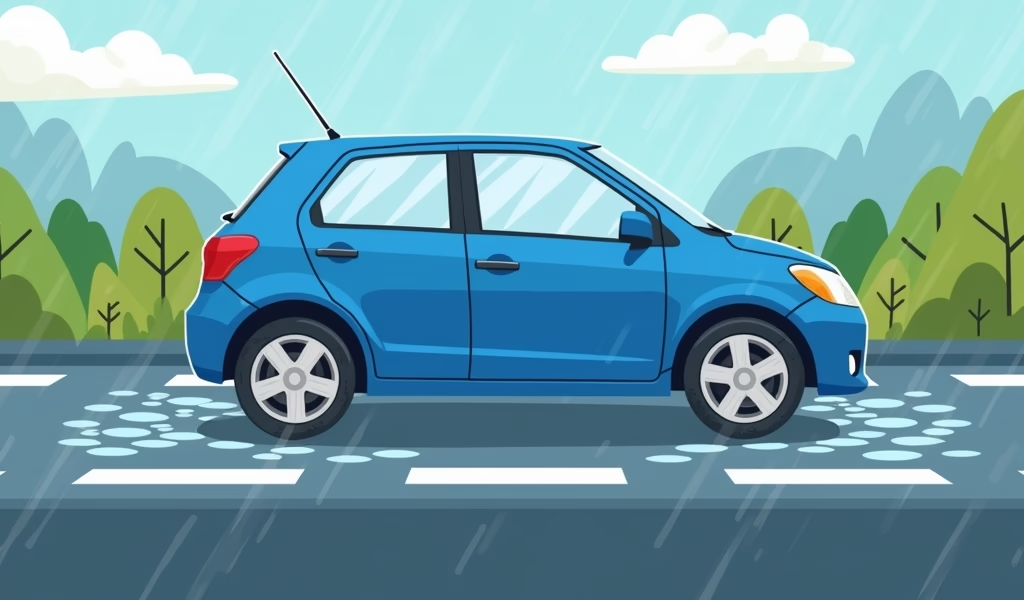
Just like walking barefoot on a wet floor, hydroplaning occurs when your tires lose contact with the road and glide on a thin layer of water, turning your vehicle into an unpredictable sled at speeds as low as 35 mph. The article provides a complete toolkit for staying safe on wet roads through proper tire maintenance (including regular tread checks and correct pressure), driving techniques (reducing speed and avoiding cruise control), understanding vehicle safety systems, and mastering recovery techniques should hydroplaning occur.
Table of Contents
- What is Hydroplaning?
- The Science Behind Hydroplaning
- Proper Tire Maintenance to Prevent Hydroplaning
- Safe Driving Techniques During Wet Conditions
- Vehicle Systems That Help Prevent Hydroplaning
- Recovery Techniques If You Start Hydroplaning
- Seasonal Considerations for Hydroplaning Prevention
- Conclusion
- Frequently Asked Questions
What is Hydroplaning?
Hydroplaning occurs when your vehicle’s tires lose contact with the road surface and instead glide on a thin layer of water. This dangerous situation happens when water on the road surface can’t be dispersed quickly enough by your tires, causing them to lose traction. The result? You temporarily lose control of steering, braking, and acceleration – essentially turning your vehicle into an unpredictable sled.
As a mechanic who’s seen the aftermath of hydroplaning accidents firsthand, I can tell you that learning how to prevent hydroplaning isn’t just about automotive knowledge – it’s about safety. When your tires float above the pavement instead of gripping it, even the most experienced drivers can find themselves in trouble.
The consequences can be severe: skidding, spinning, drifting into other lanes, or even complete loss of control. What makes hydroplaning particularly dangerous is how suddenly it can occur, often catching drivers off guard when they least expect it.
The Science Behind Hydroplaning
Understanding how hydroplaning works helps you better prevent it. When your tires roll over wet pavement, they need to push water out of the way to maintain contact with the road. Your tires have grooves (called tread) specifically designed to channel water away from beneath the tire and maintain that crucial road contact.
Hydroplaning happens when water builds up faster than your tires can disperse it. Three main factors influence this process: speed, water depth, and tire condition. As your speed increases, tires have less time to channel away water. The physics are straightforward – at higher speeds, water pressure at the front of your tire creates a wedge that can actually lift the tire off the road.
The science gets even more interesting when you consider that hydroplaning can begin at speeds as low as 35 mph, depending on conditions. According to NHTSA research on tire safety, the risk increases dramatically with speed, with full hydroplaning possible at 55+ mph in just 1/12 inch of water. That’s barely enough to cover the sole of your shoe!

Proper Tire Maintenance to Prevent Hydroplaning
Your tires are your first and most important defense against hydroplaning. Let’s look at what maintenance practices can help keep you safe on wet roads:
Monitor Tread Depth Regularly
Tire tread is engineered specifically to channel water away from beneath your tires. As tread wears down, this ability diminishes significantly. The legal minimum tread depth is 2/32 of an inch, but for wet conditions, anything below 4/32 of an inch significantly increases hydroplaning risk.
You can check your tread depth with a simple penny test – insert a penny with Lincoln’s head upside down into your tire groove. If you can see all of Lincoln’s head, your tread is too worn and it’s time for new tires. Better yet, invest in an inexpensive tread depth gauge for more accurate measurements.
Maintain Proper Tire Pressure
Underinflated tires sag in the middle, preventing proper water channeling through the tread pattern. Meanwhile, overinflated tires bulge in the center, reducing the contact patch with the road. Both situations increase hydroplaning risk.
Checking your tire pressure monthly (and before long trips) ensures optimal contact with the road surface. The correct pressure isn’t what’s listed on the tire sidewall – it’s what’s recommended in your vehicle’s owner’s manual or door jamb sticker.
Choose the Right Tires for Your Climate
Not all tires are created equal when it comes to wet weather performance. If you live in a rainy region, consider tires specifically designed with enhanced wet-weather traction. These tires use specialized rubber compounds and tread patterns engineered to maintain grip on wet surfaces.
All-season tires are adequate for occasional rain, but dedicated rain tires or those with higher wet-traction ratings provide significant additional safety in consistently wet conditions. The investment pays for itself in prevented accidents.
Rotate Tires on Schedule
Even tire wear is crucial for consistent hydroplaning resistance. Rotating your tires according to your manufacturer’s recommended schedule (typically every 5,000-7,500 miles) ensures even tread wear across all four tires. Unevenly worn tires can cause one corner of your vehicle to hydroplane while others maintain traction – a recipe for a spin.
Safe Driving Techniques During Wet Conditions
Even with perfectly maintained tires, how you drive in wet conditions makes a tremendous difference in hydroplaning prevention. Let’s explore the driving techniques that keep you safe:
Adjust Your Speed
Speed is the single most influential factor in hydroplaning. The faster you drive, the less time your tires have to channel water away, and the higher the water pressure that builds in front of them. Reducing your speed by just 5-10 mph in rainy conditions significantly decreases hydroplaning risk.
A good rule of thumb: reduce your speed by a third of the posted limit when roads are wet. If the highway sign says 70 mph, staying around 45-50 mph provides a good safety margin without unnecessarily slowing traffic.
Follow the Tracks
When driving in the rain, you might notice the tire tracks left by vehicles ahead of you appear slightly drier than surrounding pavement. This isn’t an illusion – previous vehicles have already displaced some water, making these paths slightly safer.
When safe and practical, driving in these pre-cleared tracks can reduce the water depth your tires must disperse. Just be sure to maintain safe following distances while doing so.
Avoid Standing Water and Puddles
It takes surprisingly little water to cause hydroplaning – as little as 1/12 of an inch at highway speeds. Visible puddles can be much deeper and dramatically increase risk. When possible, safely change lanes to avoid standing water.
Be particularly cautious after a drought followed by rain. Oil accumulation on dry pavement creates an even slicker surface when it first gets wet, sometimes called “rainbow puddles” due to the oil sheen visible on the water’s surface.
Maintain Proper Following Distance
The standard 3-second following distance for dry conditions should be increased to at least 5 seconds in the rain. This provides crucial extra time to react if the vehicle ahead suddenly brakes or encounters a hydroplaning situation.
This increased following distance also helps prevent visibility issues from spray thrown up by vehicles ahead, particularly trucks and larger vehicles that displace significant water.
Avoid Cruise Control in Wet Conditions
This might seem counterintuitive since cruise control provides steady speed, but it significantly increases hydroplaning danger. When hydroplaning begins, the wheels spinning faster due to reduced resistance can prompt cruise control to maintain speed by applying more power – exactly the opposite of what you need.
Maintaining manual control of acceleration in wet conditions allows you to immediately reduce power at the first sign of traction loss. Your reaction time matters tremendously during these events.
Vehicle Systems That Help Prevent Hydroplaning
Modern vehicles come equipped with several electronic systems that can help prevent or mitigate hydroplaning situations. Understanding how these systems work allows you to use them effectively:
Anti-lock Braking Systems (ABS)
While ABS doesn’t directly prevent hydroplaning, it plays a crucial role if hydroplaning occurs. When you brake hard on wet surfaces, ABS prevents wheel lockup by pulsing brake pressure many times per second. This allows you to maintain some steering control even during heavy braking on slippery surfaces.
Understanding your ABS system is important – the pulsing sensation and noise during activation are normal and indicate the system is working correctly. Continue pressing firmly on the brake pedal while the ABS does its work.
Electronic Stability Control (ESC)
ESC systems continuously monitor your vehicle’s direction against your steering input. If your car begins to skid during hydroplaning, ESC can selectively apply individual wheel brakes to help maintain your intended direction.
According to IIHS research on vehicle safety technology, ESC has proven remarkably effective in reducing single-vehicle crashes, many of which involve loss of control on wet surfaces. While ESC provides an additional safety net, it works best when combined with proper preventative driving techniques.
Traction Control Systems
Traction control helps prevent wheel spin during acceleration, which is particularly valuable when regaining traction after a hydroplaning event. By modulating power delivery, these systems help maintain stability as you recover from traction loss.
Remember that while these systems provide valuable assistance, they cannot overcome the laws of physics. They work best as supplements to proper tire maintenance and appropriate driving techniques, not replacements for them.

Recovery Techniques If You Start Hydroplaning
Even with perfect prevention, you might find yourself hydroplaning. Knowing how to recover can prevent a momentary slide from becoming a serious crash:
Stay Calm and Avoid Sudden Movements
Your natural instinct during hydroplaning might be to make dramatic steering corrections or slam on the brakes. Resist this urge! Sudden inputs often worsen the situation by creating unbalanced forces once partial traction returns.
Instead, focus on keeping the steering wheel straight or making only very gentle corrections in the direction you want to travel. Your goal is stability until traction naturally returns.
Ease Off the Accelerator
Gently release the gas pedal to allow your vehicle to slow gradually. This reduces the water pressure forcing itself under your tires and allows gravity to help press your tires back toward the road surface.
Avoid abruptly removing your foot from the accelerator, as this can cause weight transfer that destabilizes the vehicle. Smooth, progressive movements are key to recovery.
Proper Braking Technique
If you must slow more quickly, apply very gentle pressure to the brake pedal. Modern vehicles with ABS will help prevent wheel lockup, but abrupt braking can still cause imbalance during partial hydroplaning.
Focus on maintaining your vehicle’s direction first, then reducing speed second. Regaining directional control takes priority over rapid deceleration when hydroplaning occurs.
Steering Recovery
As your tires begin regaining traction, you’ll feel steering response return. At this point, make gentle corrections to maintain your desired direction of travel. Avoid overcorrection, which can cause a secondary skid in the opposite direction.
Practice this mental sequence: ease off accelerator, hold steering steady, feel for returning traction, then make gentle corrections as needed. Having this response programmed into your muscle memory can make the difference between a momentary scare and a serious accident.
Seasonal Considerations for Hydroplaning Prevention
Different seasons bring varying hydroplaning risks that require specific preventative measures:
Spring Rain Considerations
Spring often brings heavy downpours after winter, washing accumulated oils and road grime onto driving surfaces. The first 10-15 minutes of rainfall are typically the most dangerous as these substances create an extra-slippery film on the road before eventually washing away.
Be especially cautious during spring’s first few rainstorms and consider delaying travel if possible during the initial minutes of heavy spring rain. If you must drive, reduce speed even more than you would in regular rainfall.
Summer Thunderstorm Precautions
Summer thunderstorms can dump tremendous amounts of water in very short periods, overwhelming drainage systems. These sudden downpours create deeper water on roadways than steady rainfall, significantly increasing hydroplaning risk.
During summer thunderstorms, watch for water pooling in low spots and consider pulling over safely if visibility becomes severely limited. Remember that areas with poor drainage or recent construction might hold unexpected water depths.
Fall Leaf Management
Wet leaves on the road surface can be as slippery as ice and prevent proper water drainage. They also often hide the actual road surface, making it difficult to spot puddles or standing water.
Be particularly cautious on tree-lined roads during fall rain. Consider using your headlights even during daylight rain in wooded areas to better spot leaf accumulations and water hazards.
Winter Transition Periods
The transition from winter to spring can create unique hydroplaning risks as snow melts during the day and refreezes at night. This cycle can create unexpected water runoff across roadways even when it’s not actively raining.
Pay special attention to shaded areas and bridges during winter transition periods, as these spots may contain invisible black ice beneath surface water – a particularly dangerous combination that can cause both hydroplaning and ice-related traction loss simultaneously.
Conclusion
Preventing hydroplaning requires a thoughtful combination of vehicle maintenance, driving techniques, and situational awareness. By maintaining proper tire tread and pressure, reducing speed in wet conditions, and understanding how to recover if hydroplaning occurs, you can dramatically reduce your risk of a weather-related accident.
Remember that hydroplaning prevention isn’t just about your safety – it protects your passengers, other road users, and your financial well-being by avoiding costly crashes and insurance claims. The few extra minutes spent checking tire tread or the slightly longer commute from reducing speed in the rain are small investments compared to the potential consequences of hydroplaning.
As we’ve explored throughout this guide, knowing how to prevent hydroplaning isn’t just mechanical knowledge – it’s an essential driving skill that combines technical understanding with practical application. By implementing these preventative measures and recovery techniques, you transform from being at the mercy of wet roads to being in command of your vehicle regardless of conditions.
Stay safe out there, and may your tires always maintain the grip they were designed to provide!
Frequently Asked Questions
At what speed does hydroplaning typically begin?
Hydroplaning can start at speeds as low as 35 mph depending on water depth and tire condition. The risk increases dramatically at speeds above 50 mph even with minimal water on the road.
Can ABS prevent hydroplaning?
ABS (Anti-lock Braking System) doesn’t prevent hydroplaning but helps maintain steering control during braking if hydroplaning occurs. It works by preventing wheel lockup during hard braking on slippery surfaces.
Do all-season tires provide adequate protection against hydroplaning?
All-season tires provide moderate protection against hydroplaning when in good condition with adequate tread depth. For regions with frequent heavy rainfall, consider tires specifically rated for wet traction for additional safety.
Should I pump my brakes if I start hydroplaning?
No, don’t pump your brakes if you have ABS (most modern vehicles do). Instead, maintain gentle, steady pressure on the brake pedal while focusing on keeping the steering wheel straight or making only minor corrections.
Does vehicle weight affect hydroplaning resistance?
Yes, heavier vehicles are somewhat less prone to hydroplaning because they press tires more firmly against the road surface. However, proper tire maintenance and appropriate speed are still the most critical factors regardless of vehicle weight.