
Overview
That startling “bang” from your exhaust isn’t just embarrassing—it’s your car’s cry for help, signaling problems in either fuel delivery, ignition timing, or exhaust flow that require attention before causing serious damage. While DIY fixes like replacing spark plugs or cleaning sensors can resolve many backfiring issues, regular maintenance remains the best prevention strategy, with professional help recommended for complex electronic or internal engine problems.
Table of Contents
- What is Car Backfiring?
- Common Causes of Car Backfiring
- Air-Fuel Mixture Problems
- Ignition System Issues
- Exhaust System Problems
- Diagnosing Car Backfires
- DIY Fixes for Car Backfiring
- When to Seek Professional Help
- Preventing Future Backfires
- Conclusion
- Frequently Asked Questions
What is Car Backfiring?
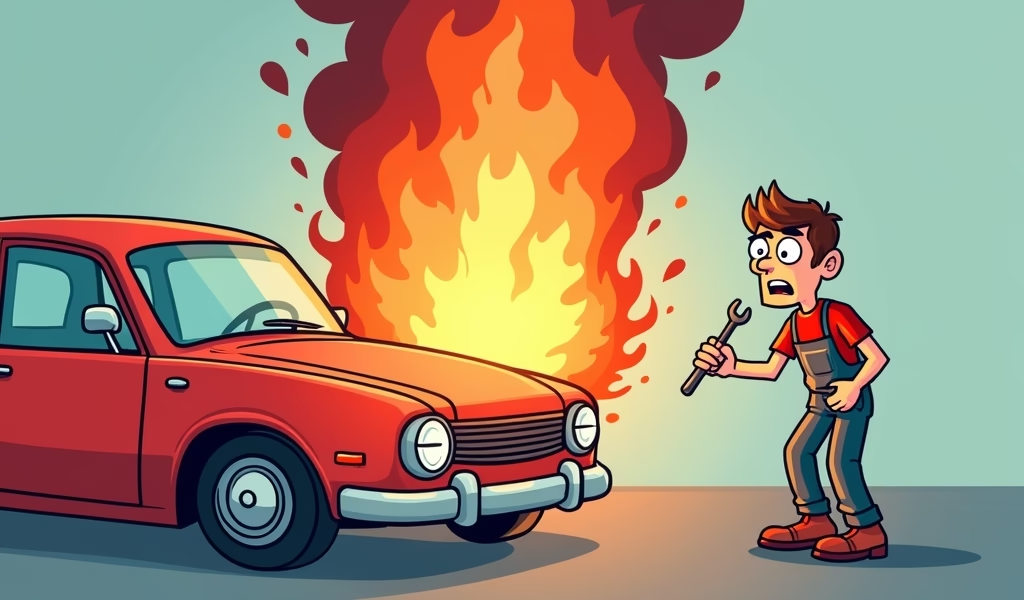
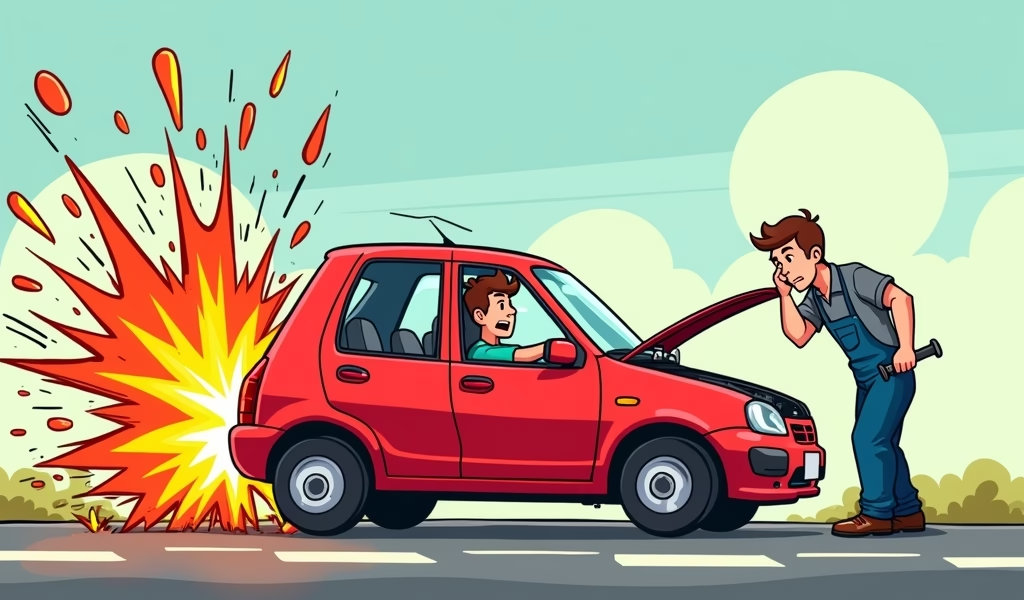
Car backfiring occurs when fuel combusts outside the engine’s combustion chambers. This unexpected explosion creates that distinctive “bang” or “pop” sound that can startle both you and nearby pedestrians. Why is my car backfiring? This common question signals a problem requiring attention before it leads to more serious engine damage.
Modern vehicles rarely backfire compared to older models, thanks to advanced engine management systems. When a newer car starts backfiring, it typically indicates something has gone wrong with the carefully calibrated systems that control combustion.
Backfiring happens in two primary locations: the intake system (creating a loud “sucking” sound and possible flames from the air intake) or the exhaust system (producing loud pops or bangs from the tailpipe). Both types indicate combustion occurring where it shouldn’t, potentially damaging components if left unaddressed.
Common Causes of Car Backfiring
Several issues can trigger car backfiring, with most relating to three core systems: fuel delivery, ignition timing, and exhaust flow. Understanding these root causes helps pinpoint the specific problem affecting your vehicle.
Fuel delivery problems include improper air-to-fuel ratios, often resulting in mixtures that are too rich (excess fuel) or too lean (insufficient fuel). When the balance is off, unburned fuel can ignite in unintended locations, causing backfires.
Ignition timing issues occur when spark plugs fire at the wrong moment in the combustion cycle. Late ignition allows unburned fuel to enter the exhaust system, where it can ignite and create those characteristic loud bangs from the tailpipe. Common engine faults like worn spark plugs or damaged ignition coils often contribute to timing problems.
Exhaust system leaks or restrictions create unusual pressure conditions that can lead to backfiring. Cracks in the exhaust manifold, damaged catalytic converters, or clogged mufflers all potentially contribute to the problem by disrupting the normal flow of exhaust gases.
Air-Fuel Mixture Problems
The ideal air-fuel mixture sits at approximately 14.7:1 (air to fuel) for gasoline engines. When this ratio deviates significantly, backfiring becomes more likely. Modern engines rely on oxygen sensors and the engine control unit (ECU) to maintain this delicate balance.
A rich fuel mixture contains excessive fuel that doesn’t completely burn in the combustion chamber. This unburned fuel travels into the exhaust system, potentially igniting when it meets oxygen and heat. The result? A loud bang from your exhaust as this fuel combusts outside the engine.
Several components influence the air-fuel mixture. Faulty oxygen sensors provide incorrect feedback to the ECU, leading to improper fuel adjustments. Clogged fuel injectors distribute fuel unevenly, creating pockets of rich and lean conditions. Dirty air filters restrict airflow, throwing off the carefully calibrated mixture.
The mass airflow sensor (MAF) measures incoming air volume, directly impacting fuel injection amounts. When this sensor fails or becomes contaminated, it sends incorrect data to the ECU, resulting in improper fueling and potential backfires. Learning car diagnostics can help you identify these sensor problems before they cause serious issues.
Vacuum leaks introduce unmetered air into the system, creating lean conditions that disrupt normal combustion. These leaks commonly occur in aging rubber hoses, intake manifold gaskets, or the PCV system, making them important checkpoints when diagnosing backfire issues.
Ignition System Issues
The ignition system creates the spark that ignites the air-fuel mixture at precisely the right moment. When this timing goes awry, backfiring often follows. Ignition timing issues rank among the most common causes of modern vehicle backfires.
Worn or fouled spark plugs fail to create a strong, consistent spark. This incomplete combustion sends unburned fuel into the exhaust system, where it can ignite and cause backfiring. Manufacturers recommend replacing spark plugs every 30,000 to 100,000 miles, depending on the plug type and vehicle specifications.
Ignition coils transform low battery voltage into the thousands of volts needed for spark generation. When coils deteriorate or fail, they produce weak sparks or misfire entirely. Modern vehicles typically have one coil per cylinder (coil-on-plug design), allowing individual coils to fail while others continue functioning.
The crankshaft and camshaft position sensors inform the ECU exactly when to trigger each spark. When these sensors provide incorrect data, the ECU may initiate spark at inappropriate times, resulting in backfiring. Sensor failures often occur gradually, with symptoms worsening over time.
Distributor problems plague older vehicles that use this mechanical timing device. Worn distributor caps, rotors, or internal components can significantly alter ignition timing. Even small timing deviations of just a few degrees can cause noticeable performance issues and backfiring.
Exhaust System Problems
The exhaust system channels combustion byproducts away from the engine while reducing noise and emissions. Several exhaust-related issues can lead to backfiring as exhaust flow becomes disrupted or as components fail.
Exhaust leaks allow oxygen to enter the system, providing the necessary ingredient for unburned fuel to ignite. Common leak locations include cracked exhaust manifolds, damaged gaskets, and corroded pipes. These leaks often create distinctive hissing noises during operation.
The catalytic converter plays a crucial role in emissions control by triggering chemical reactions that neutralize harmful compounds. A failing converter may become partially clogged or damaged internally, creating backpressure that disrupts proper exhaust flow and potentially causes backfiring.
Aftermarket exhaust modifications sometimes lead to unintended consequences. Performance mufflers, headers, or exhaust pipes that significantly alter backpressure can disrupt the engine’s carefully calibrated operating parameters. This is particularly common when modifications are installed without corresponding adjustments to the engine management system.
Exhaust valve issues within the engine itself can lead to backfiring. When these valves don’t seal properly or have incorrect clearances, they allow combustion gases to escape prematurely or permit unburned fuel to enter the exhaust system. Valve problems typically develop gradually as the engine accumulates mileage.
Diagnosing Car Backfires
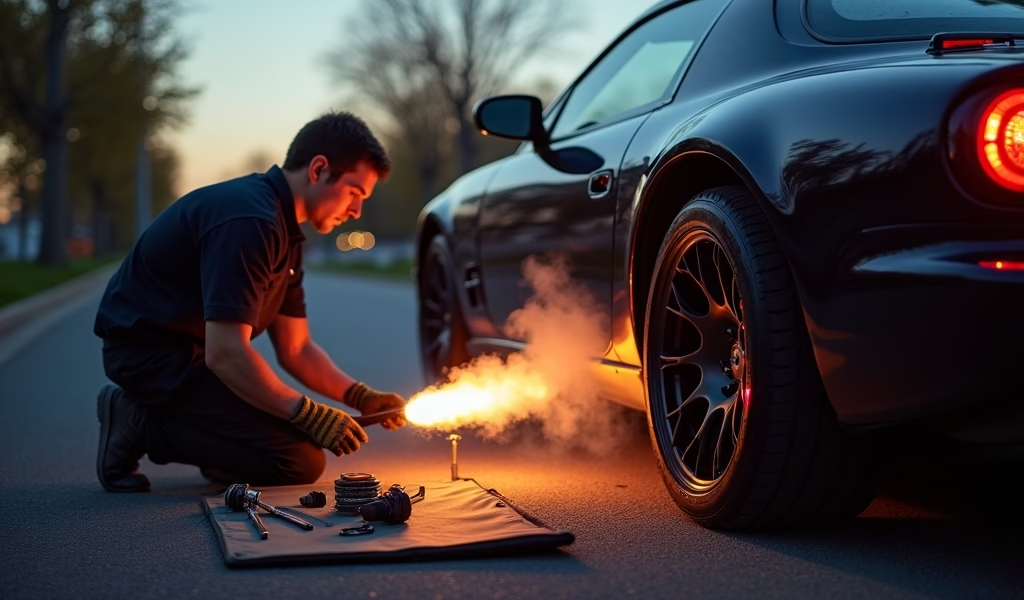
Diagnosing the specific cause of backfiring requires a systematic approach. Start by noting exactly when the backfiring occurs—during acceleration, deceleration, startup, or idle. Each scenario points to different potential causes.
Listen carefully to determine whether the backfiring comes from the exhaust or the intake system. Exhaust backfires produce loud bangs from the tailpipe, while intake backfires create more of a “coughing” or “sneezing” sound from under the hood, sometimes accompanied by visible flames from the air intake.
Check for illuminated warning lights on your dashboard. The check engine light often activates when conditions that cause backfiring are present. Using an OBD-II scanner reveals specific error codes that can significantly narrow down potential causes. Professional diagnostic resources can help interpret these codes accurately.
Examine spark plugs for telling signs. Carbon fouling (black, sooty deposits) indicates a rich fuel mixture, while white, chalky deposits suggest the engine is running too hot or too lean. Oily plugs point to potential oil consumption problems that could affect combustion.
Test fuel pressure to ensure it meets manufacturer specifications. Low fuel pressure creates lean conditions, while excessive pressure leads to rich mixtures. Both scenarios potentially cause backfiring. Many modern vehicles have test ports on the fuel rail for attaching pressure gauges.
Inspect vacuum hoses for cracks, disconnections, or deterioration. Even small vacuum leaks significantly impact air-fuel ratios. Using a smoke machine helps identify elusive leaks that might not be visible during a visual inspection.
DIY Fixes for Car Backfiring
Several backfiring causes can be addressed without professional help. These DIY fixes often resolve minor issues before they develop into more expensive problems.
Replace spark plugs if they show signs of wear or fouling. This relatively simple maintenance task requires basic hand tools and typically costs $20-40 for a set of quality plugs. Ensure you gap new plugs according to manufacturer specifications and torque them correctly to avoid damage.
Clean the mass airflow sensor using specialized MAF sensor cleaner (never use carburetor or brake cleaner). A contaminated MAF sends incorrect signals to the ECU, potentially causing improper fueling. The sensor typically mounts between the air filter and throttle body, making it accessible for cleaning.
Change fuel and air filters according to maintenance schedules. A clogged air filter restricts oxygen intake, while a dirty fuel filter limits fuel flow. Both conditions disrupt the air-fuel ratio and potentially cause backfiring. These maintenance items typically require only basic tools and modest mechanical knowledge.
Inspect and seal vacuum leaks using visual examination and listening for hissing sounds with the engine running. Replace cracked vacuum hoses and tighten loose connections. For small leaks, specialized vacuum leak sealants can temporarily resolve issues until permanent repairs are made.
Use quality fuel from reputable stations. Low-quality fuel sometimes contains impurities that interfere with proper combustion. For persistent issues, try adding a fuel system cleaner to remove carbon deposits from fuel injectors, intake valves, and combustion chambers. Understanding fuel injection systems helps identify potential trouble spots in the fuel delivery process.
When to Seek Professional Help
While many backfiring causes can be addressed through DIY measures, certain scenarios warrant professional intervention. Complex diagnostic equipment and specialized knowledge sometimes become necessary for resolving persistent issues.
Seek professional help when backfiring occurs alongside significant performance problems like severe power loss, rough idle, or stalling. These combined symptoms often indicate serious underlying issues that require comprehensive diagnostics. Expert diagnostic services utilize advanced equipment to pinpoint exact causes.
Persistent check engine lights accompanied by backfiring deserve professional attention, especially when DIY diagnostic tools reveal complex error codes. Modern engine management systems generate specific codes that mechanics can interpret using professional-grade scanners with enhanced capabilities.
Exhaust system damage often requires professional repair facilities with welding equipment and specialized tools. Attempting DIY repairs on catalytic converters or exhaust manifolds typically proves difficult without proper equipment and expertise.
Timing-related issues, particularly in vehicles with timing chains rather than belts, generally require professional intervention. Adjusting timing involves precise measurements and specialized timing lights or computer systems that most home mechanics don’t possess.
When backfiring causes appear related to the ECU or complex electronic systems, professional diagnostics become essential. Engine control programming, sensor calibration issues, or electronic component failures require dealer-level diagnostic equipment to address effectively.
Preventing Future Backfires
Preventing backfires starts with adhering to your vehicle’s recommended maintenance schedule. Regular tune-ups ensure all ignition components remain in optimal condition, while scheduled replacement of wear items prevents deterioration-related backfiring.
Address check engine lights promptly rather than ignoring them. Early intervention often prevents minor issues from developing into more serious problems that cause backfiring. Many auto parts stores offer free code reading services to identify the specific issue triggering the warning light.
Use fuel with the octane rating specified in your owner’s manual. Higher-performance engines often require premium fuel to prevent detonation issues that can lead to backfiring. Using lower octane fuel than recommended can cause combustion problems, especially under load.
Add fuel system cleaners periodically to prevent carbon buildup that disrupts proper combustion. These cleaners prove particularly beneficial for vehicles that make primarily short trips or frequently idle, conditions that accelerate deposit formation.
When modifying your vehicle, ensure exhaust and intake changes remain compatible with the engine management system. Performance modifications often require corresponding ECU adjustments to maintain proper air-fuel ratios and timing parameters. Unbalanced modifications frequently lead to backfiring issues.
Monitor for developing issues like rough idle, hesitation, or unusual noises that might precede backfiring. Addressing these early warning signs prevents the progression to more noticeable symptoms like backfiring and potentially saves considerable repair costs.
Conclusion
Car backfiring, while startling and potentially embarrassing, serves as an important warning sign of underlying vehicle issues. Understanding why your car is backfiring allows you to address problems before they escalate into expensive repairs or leave you stranded.
Most backfiring scenarios trace back to three fundamental systems: fuel delivery, ignition timing, and exhaust flow. By systematically examining these areas, you can identify the specific cause in your vehicle and take appropriate corrective action.
Many backfiring issues respond well to DIY maintenance measures like replacing spark plugs, cleaning sensors, or addressing vacuum leaks. However, complex cases involving electronic systems or internal engine components often require professional diagnostics and repair.
Regular maintenance remains the most effective strategy for preventing backfires before they occur. Following manufacturer-recommended service intervals and addressing minor issues promptly helps maintain proper combustion and prevents the conditions that lead to backfiring.
Whether you tackle repairs yourself or seek professional help, addressing backfiring promptly protects your engine from potential damage while restoring proper performance. That unexpected “bang” from your exhaust isn’t just a noise—it’s your car communicating that something needs attention.
Frequently Asked Questions
Is it dangerous to drive a car that’s backfiring?
While not immediately dangerous, continued backfiring can damage catalytic converters and exhaust components. It also indicates an underlying issue that could potentially worsen and cause more serious problems.
Can bad gas cause a car to backfire?
Yes, contaminated or low-quality fuel can disrupt the combustion process and cause backfiring. Try filling up at a different gas station with high-quality fuel if you suspect this is the issue.
Why does my car backfire when I let off the gas?
Deceleration backfires typically occur when excess fuel enters the exhaust system during the fuel cut-off that happens when you release the accelerator. This commonly indicates a rich fuel mixture or timing issues.
Can cold weather cause backfiring?
Cold temperatures can temporarily cause backfiring as they affect fuel vaporization and air density. These conditions usually improve as the engine reaches normal operating temperature.
How much does it cost to fix a backfiring engine?
Repair costs vary widely from under $100 for simple fixes like spark plugs to $1,000+ for major components like catalytic converters. The exact price depends on the specific cause and your vehicle make/model.