

Overview
That annoying suspension squeak is your vehicle’s way of communicating a need for attention, typically stemming from friction between components that should move smoothly—like dry bushings, worn ball joints, or aging shocks and struts. Through proper diagnosis, regular maintenance, and timely intervention (whether DIY lubricating fixes or professional repairs), you can silence these warning sounds before they lead to costly damage, ensuring both a quieter ride and safer driving experience.
Table of Contents
- Understanding Suspension Squeaking: What’s That Noise?
- Common Causes of Suspension Squeaking
- Diagnosing the Source of the Squeak
- DIY Fixes for Squeaky Suspension Components
- Preventative Maintenance: Keep Those Squeaks Away
- When to Seek Professional Help
- Cost-Saving Strategies for Suspension Repairs
- Conclusion
- Frequently Asked Questions
Understanding Suspension Squeaking: What’s That Noise?
Ever wondered why is my suspension squeaking when you hit those speed bumps or turn into your driveway? That irritating noise isn’t just annoying—it’s your vehicle’s way of communicating that something needs attention. As a mechanic with over 15 years of experience, I can tell you that suspension squeaks are among the most common complaints I hear from drivers, and they shouldn’t be ignored.
Your car’s suspension system is a complex network of components working together to provide a smooth ride and maintain control of your vehicle. When these parts start making noise, it’s typically due to friction between components that should be moving smoothly against each other. The good news? Many squeaking issues can be diagnosed and even fixed without breaking the bank.
Think of your suspension as the middleman between you and the road—it absorbs impacts, supports weight, and helps maintain tire contact with the pavement. When you learn how car suspension works, you’ll appreciate why keeping it in top shape is crucial for both comfort and safety.
In this comprehensive guide, we’ll explore why suspensions squeak, how to pinpoint the source, and most importantly, how to fix these issues before they lead to costly repairs. Let’s turn down the volume on those annoying squeaks!
Common Causes of Suspension Squeaking
When it comes to why is my suspension squeaking, there are several usual suspects we need to investigate. Understanding these common causes will help you narrow down the problem and determine the best solution.
Dry or worn bushings are often the primary culprit. These rubber or polyurethane components reduce vibration and cushion movement between metal parts. Over time, they can dry out, crack, or wear down, creating metal-on-metal contact that produces that characteristic squeak. Weather conditions, especially extreme temperatures and humidity, can accelerate bushing deterioration.
Ball joints connect your control arms to the steering knuckles and allow for smooth wheel movement. When their lubrication dries up or they become worn, they can create a noticeable squeaking, particularly during turning or going over bumps. According to MOOG Suspension Parts, ball joints typically last 70,000-150,000 miles, but this varies based on driving conditions.
Shock absorbers and struts manage the compression and rebound of your suspension system. As they age, internal seals can wear, allowing fluid to leak and causing metal components to rub together. This friction often results in squeaking that gets worse as the parts heat up during your drive.
Don’t overlook your sway bar links and end links. These components stabilize your vehicle during cornering, and their bushings or ball joints can wear out, creating noise when they move. This sound is typically most noticeable during low-speed turns or when navigating uneven terrain.
Spring issues, though less common, can also cause squeaking. Coil springs that have lost their protective coating might rub against their seats or perches, creating friction and noise. In regions where road salt is used, corrosion can accelerate this problem considerably.
Lastly, control arm bushings connect your vehicle’s frame to the suspension components. When these wear out, they allow excessive movement that can result in squeaking, especially when driving at low speeds or over speed bumps. These bushings are critical for maintaining proper wheel alignment, so their failure can lead to uneven tire wear if left unchecked.
Diagnosing the Source of the Squeak
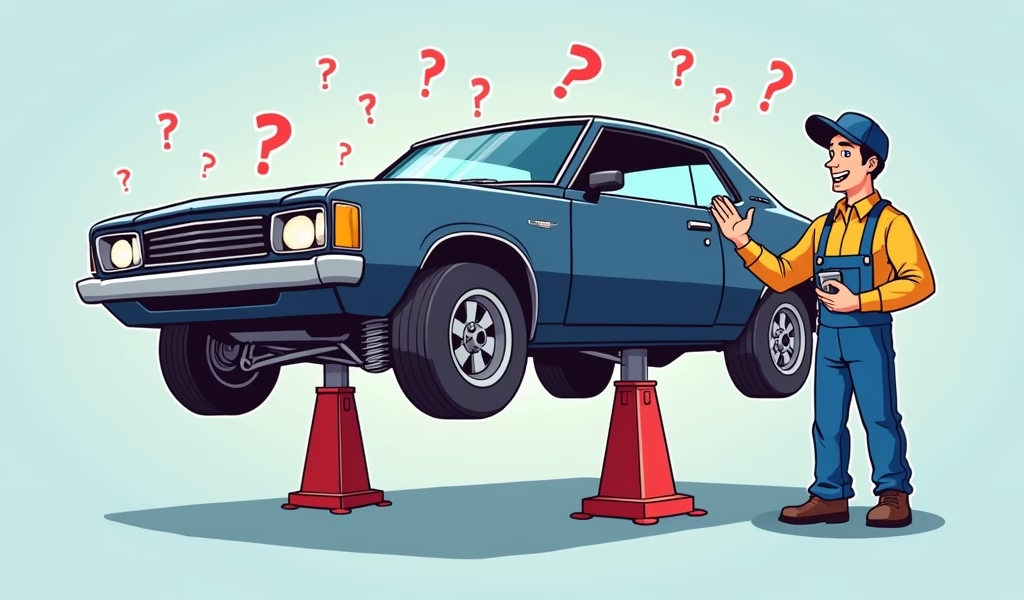
Finding exactly where that annoying squeak is coming from can feel like hunting for a needle in a haystack, but with a methodical approach, you can narrow it down. Let’s walk through how to pinpoint the source of your suspension squeaking before reaching for your wallet.
Start by noting exactly when the noise occurs. Does it happen when turning? Over bumps? During acceleration or braking? Morning squeaks that fade as you drive might indicate dry bushings that quiet down once they warm up and distribute lubricant. Squeaks during specific movements help identify which components are likely involved.
Next, perform a visual inspection. With your vehicle safely supported (never rely solely on a jack!), look for obvious signs of wear or damage. Check for:
- Torn or cracked rubber bushings
- Leaking fluid around shocks or struts
- Excessive rust or corrosion on springs
- Damaged or bent components
- Loose bolts or mounting hardware
The bounce test can reveal a lot about your suspension’s health. Push down firmly on each corner of your vehicle and release. A properly functioning suspension should rebound once and settle. If it continues to bounce or makes noise during this test, you’ve likely found your problem area.
For more precise diagnosis, try the spray test. With your car safely elevated, spray a small amount of silicone-based lubricant on suspected components one at a time. Take a short test drive after each application. If the noise disappears, you’ve identified the squeaky part. Just remember, this is a diagnostic technique, not a permanent fix.
Don’t overlook weight transfer tests. Drive slowly in a circle in an empty parking lot, making gradual turns in both directions. This shifts weight across your suspension system and can help isolate noises to specific corners of the vehicle.
If you’re still struggling to locate the source, consider having a helper watch and listen while you drive slowly over speed bumps or make turns. Sometimes an outside perspective can catch what you might miss from the driver’s seat.
Remember that suspension components work as a system—a failing part in one area can put stress on others. That’s why proper car maintenance checklist adherence is crucial for preventing cascade failures throughout your suspension system.
DIY Fixes for Squeaky Suspension Components
Now that you’ve diagnosed why is my suspension squeaking, let’s talk about fixing it yourself. Many suspension squeaks can be remedied without an expensive trip to the mechanic. I’ll walk you through some proven DIY solutions that could save you hundreds of dollars.
Lubricating dry bushings is often the quickest and easiest fix. Silicon-based spray lubricants work well for rubber bushings, while lithium or graphite grease is better for metal-on-metal contact points. When applying, make sure the area is clean and try to work the lubricant into the joint by moving the component back and forth if possible.
For ball joints, many newer vehicles have “sealed for life” designs, but older models may have grease fittings (also called zerk fittings). If yours has these, use a grease gun loaded with high-quality chassis grease to inject fresh lubricant. You’ll know you’ve added enough when you see clean grease beginning to seep out around the dust boot.
Control arm bushings can benefit from specialized bushing lubricants that won’t degrade the rubber. Apply the product to the exposed sections of the bushing where it meets the metal sleeve. Keep in mind that severely worn bushings won’t be fixed by lubrication alone and will eventually need replacement.
For spring squeaks, a careful application of silicone spray where the springs contact their seats can work wonders. Clean the area thoroughly first and apply with the suspension unloaded (vehicle raised) for best results. Some mechanics recommend specialized coil spring lubricants for longer-lasting relief.
If sway bar links are the culprit, check if the bushings can be tightened or if they need replacement. This is a relatively straightforward job that requires basic tools and can typically be completed in your driveway in under an hour per side.
For shock and strut issues, check if the upper mounts are accessible. Sometimes a shot of lubricant around the mount bushings can quiet things down. However, if there’s fluid leakage, no amount of lubricant will fix the problem—replacement is necessary.
When applying any lubricant, avoid overspray on brake components, which could compromise their function. A piece of cardboard or shop towel can serve as a shield to protect brakes during application.
Remember that these DIY fixes are often temporary solutions that buy you time before a proper repair or replacement is needed. They’re particularly useful for older vehicles where the cost of complete suspension overhauls might exceed the car’s value. Proper essential car maintenance tasks can prevent many of these issues from developing in the first place.
Preventative Maintenance: Keep Those Squeaks Away
An ounce of prevention is worth a pound of cure—especially when it comes to your car’s suspension system. Taking proactive steps now can prevent that annoying “why is my suspension squeaking” question from ever crossing your mind. Let’s explore how to maintain your suspension for maximum longevity and squeak-free operation.
Regular cleaning is your first line of defense. Road grime, salt, and debris can accelerate wear on suspension components. Periodically washing your undercarriage, especially after driving on salted winter roads, removes these corrosive elements. A simple garden hose can work, but a trip through a car wash with undercarriage cleaning is even better.
Scheduled lubrication makes a tremendous difference in suspension longevity. Even if you’re not experiencing squeaks, applying appropriate lubricants to bushings, ball joints, and pivot points every 15,000-30,000 miles can prevent issues before they start. Consider this maintenance like changing your oil—it’s an investment that pays off in the long run.
Pay attention to road conditions and adjust your driving accordingly. While you can’t avoid every pothole, being mindful of road hazards and reducing speed when necessary significantly reduces impact stress on your suspension components. Those few seconds of caution can add years to your suspension’s life.
Weight management matters more than you might think. Consistently overloading your vehicle puts undue strain on all suspension components. Check your vehicle’s maximum payload capacity and stay within those limits. If you frequently carry heavy loads, consider suspension upgrades designed specifically for that purpose.
Maintain proper tire inflation and rotation. Underinflated tires cause your suspension to work harder, while uneven tire wear can indicate alignment issues that stress suspension components. Check your tire pressure monthly and maintain the manufacturer’s recommended inflation levels found on the driver’s door jamb sticker.
According to Car and Driver research, scheduling alignment checks annually or after hitting significant potholes ensures your suspension isn’t being stressed by improper geometry. Misalignment forces components to operate at awkward angles, accelerating wear and often causing those dreaded squeaks.
Consider upgrading to higher-quality components when replacements are needed. While OEM (Original Equipment Manufacturer) parts are designed to meet your vehicle’s specifications, aftermarket options from reputable manufacturers sometimes offer improved materials and longer service life, especially for vehicles driven in harsh conditions.
When to Seek Professional Help
While DIY solutions are great for many suspension issues, there comes a point when asking “why is my suspension squeaking” requires professional expertise. Knowing when to hand over the wrench can save you time, frustration, and potentially even more expensive repairs down the road.
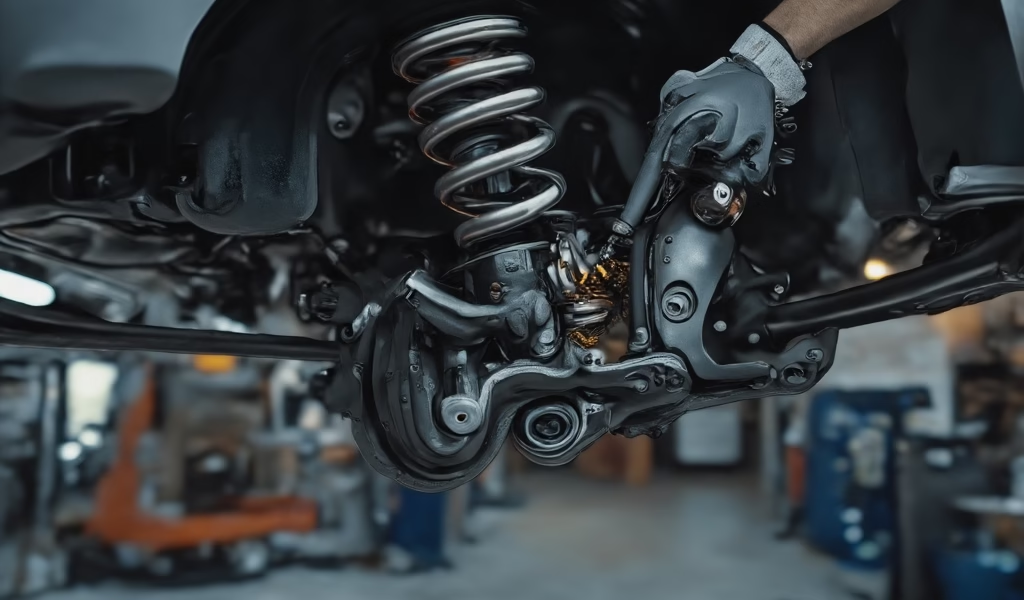
Consider professional help when diagnostic efforts fail to pinpoint the source of the squeak. Modern vehicles have incredibly complex suspension systems with numerous components that could be causing the noise. A professional shop has specialized equipment like lift racks, chassis ears (microphones designed to pinpoint suspension noises), and the expertise to quickly identify elusive problems.
If you’ve identified the issue but lack the necessary tools or workspace, a mechanic might be your best bet. Some suspension repairs require specialized tools like spring compressors, alignment equipment, or hydraulic presses that aren’t practical for most home mechanics to purchase for a single repair.
When safety components are involved, err on the side of caution. Components like ball joints, control arms, and tie rods directly affect your vehicle’s handling and braking. Failure of these parts while driving can lead to loss of control. If you’re unsure about the condition of these critical components, professional assessment is worth every penny.
Repairs requiring alignment afterward should generally be handled professionally. Replacing struts, control arms, or other geometry-affecting components will throw off your alignment. Without proper alignment equipment, you risk uneven tire wear and compromised handling even if you perfectly install the new parts.
Persistent squeaking despite DIY efforts suggests a more complex issue. Sometimes what sounds like a simple bushing problem might actually be frame damage, mounting point fatigue, or multiple failing components creating a combined noise. These situations benefit from a trained eye and diagnostic experience.
When selecting a repair shop, look for specialists with suspension expertise. General repair shops can handle basic suspension work, but dedicated suspension or alignment shops often have more experience with complex issues. Ask about warranties on parts and labor—reputable shops stand behind their work with guarantees.
Remember to get detailed estimates before authorizing work. A good mechanic will explain exactly what needs replacing and why. Don’t be afraid to ask questions—understanding the repair helps you make informed decisions and potentially prevent the same issue in the future.
Cost-Saving Strategies for Suspension Repairs
When dealing with suspension repairs, the question isn’t just “why is my suspension squeaking” but also “how can I fix it without emptying my wallet?” Let’s explore smart strategies to keep your suspension in good shape without breaking the bank.
Compare quotes from multiple repair shops before committing. Prices can vary significantly between dealerships, independent garages, and specialty shops. Sometimes the difference can be hundreds of dollars for identical work. Don’t assume the most expensive quote guarantees the best service—often independent shops offer excellent work at lower rates due to lower overhead costs.
Consider quality aftermarket parts as alternatives to OEM components. Many aftermarket manufacturers produce parts that meet or exceed original specifications at lower price points. Brands like Moog, KYB, and Monroe have established reputations for quality suspension components. Research specific parts for your vehicle make and model to find the sweet spot between quality and affordability.
Bundle repairs when practical to save on labor costs. If your left front control arm bushing is worn, the right side is likely in similar condition. Replacing both during the same visit saves on labor since much of the disassembly/reassembly process only needs to be done once. The same principle applies to shocks, struts, and other paired components.
Learn which repairs you can safely do yourself. With basic mechanical skills and proper research, components like sway bar links, end links, and sometimes even control arms can be DIY projects. Online videos specific to your vehicle make can provide step-by-step guidance. Just remember—never compromise on safety to save money.
Ask about rebuilt or remanufactured options for expensive components. Some suspension parts, particularly electronic struts or air suspension components, can be prohibitively expensive when purchased new. Remanufactured parts are often restored to original specifications at a fraction of the cost.
Maintain preventative care to avoid cascade failures. When one suspension component fails, it often puts additional stress on related parts. Addressing minor issues promptly prevents them from causing damage to other, more expensive components. That squeaky ball joint might seem tolerable, but it could be damaging your control arm or steering knuckle.
Consider your vehicle’s age and value when making repair decisions. For older vehicles with multiple suspension issues, sometimes a practical approach is to address safety-critical components first and manage other noises temporarily with lubrication. There’s little sense in putting $3,000 of suspension work into a vehicle worth $5,000 unless you’re planning to keep it long-term.
Finally, ask about payment plans or financing options for necessary but expensive repairs. Many shops now offer financing solutions that allow you to spread the cost over time rather than delaying critical repairs. Your safety is worth the investment.
Conclusion
When you find yourself wondering “why is my suspension squeaking,” remember that this common issue doesn’t have to lead to expensive repairs. Throughout this guide, we’ve examined the various causes of suspension squeaks, from dry bushings and worn ball joints to aging shocks and struts. We’ve also explored practical diagnostic techniques to pinpoint the exact source of the noise.
The good news is that many squeaking issues can be resolved through DIY maintenance—proper lubrication, basic component replacement, or simple adjustments often do the trick. For more complex issues, knowing when to seek professional help can save you time and prevent further damage to your vehicle.
Prevention remains your best strategy against future squeaks. Regular cleaning, scheduled lubrication, mindful driving habits, and proper tire maintenance all contribute to a longer-lasting, quieter suspension system. Think of these practices as investments that pay dividends in both reduced repair costs and a more comfortable driving experience.
Remember that your car’s suspension isn’t just about comfort—it’s a critical safety system that affects handling, braking distance, and overall vehicle control. Addressing squeaks promptly not only silences annoying noises but also ensures your suspension continues to perform its vital functions properly.
By understanding your suspension system and addressing issues early, you’re taking control of your vehicle’s maintenance needs rather than letting them control your budget. That peace of mind is perhaps the most valuable outcome of all.
Frequently Asked Questions
Is it safe to drive with a squeaking suspension?
Mild squeaking isn’t immediately dangerous, but it indicates wear that could eventually lead to component failure. Have persistent squeaks checked promptly, especially if accompanied by handling changes.
How much does it typically cost to fix a squeaky suspension?
Costs vary widely depending on the cause, from $10 for DIY lubrication to $1,000+ for complete component replacement. Simple bushing or link replacements typically range from $100-300 at a repair shop.
Can weather affect suspension squeaking?
Absolutely. Cold weather can cause lubricants to thicken and rubber components to harden, increasing suspension noise. Similarly, very hot or humid conditions can accelerate bushing deterioration.
How often should suspension components be lubricated?
Most manufacturers recommend lubricating accessible suspension components every 15,000-30,000 miles. Vehicles driven in harsh conditions (extreme temperatures, salted roads, dusty environments) benefit from more frequent lubrication.
Can new suspension components squeak?
Yes, new components sometimes squeak initially as they “break in.” If squeaking persists beyond 100-200 miles, the parts may have been incorrectly installed or might be defective.