

Overview
Just like checking your oil, changing your windshield wipers is a simple five-minute maintenance task that dramatically improves driving safety and prevents costly windshield damage. The guide walks through selecting the right wipers for your vehicle, provides a step-by-step replacement process, and offers practical maintenance tips to extend wiper life across all seasons.
Table of Contents
- Introduction to Windshield Wiper Maintenance
- Why Regular Wiper Maintenance Matters
- Signs You Need to Change Your Windshield Wipers
- What You’ll Need: Tools and Materials
- Buying the Right Replacement Wipers
- Step-by-Step Guide to Changing Windshield Wipers
- Common Problems and Troubleshooting
- Maintenance Tips to Extend Wiper Life
- Seasonal Considerations for Wipers
- Conclusion
- Frequently Asked Questions
Introduction to Windshield Wiper Maintenance
Learning how to change windshield wipers is one of those simple car maintenance tasks that pays big dividends. As a mechanic with 15 years under my belt, I’ve seen how neglected wipers can lead to dangerous driving conditions and even costly windshield repairs. The good news? Replacing your wipers is surprisingly straightforward and takes just a few minutes once you know the basics.
Clear visibility isn’t just a convenience—it’s essential for your safety on the road. Your windshield wipers are your first line of defense against rain, snow, and road debris, yet they’re often the most overlooked component of regular vehicle maintenance. In this comprehensive guide, I’ll walk you through everything you need to know about maintaining and changing your windshield wipers to keep your view crystal clear without breaking the bank.
Whether you’re a first-timer or just need a refresher, this guide will help you master changing your windshield wiper blades with confidence. Let’s get started!
Why Regular Wiper Maintenance Matters
Windshield wipers might seem inconsequential compared to your engine or brakes, but they’re critical safety equipment. When rain starts pouring or snow begins falling, functional wipers make the difference between a clear view and a dangerous guessing game. Poor visibility contributes to thousands of accidents annually, according to the National Highway Traffic Safety Administration.
Beyond safety, regular wiper maintenance protects your windshield itself. Worn wipers with exposed metal components can actually scratch your glass, turning a $20 wiper replacement into a windshield repair costing hundreds. I’ve seen this scenario play out countless times in my shop, and it’s entirely preventable.
Rubber wiper blades naturally deteriorate over time due to exposure to sunlight, extreme temperatures, and environmental contaminants. Even the highest quality blades typically need replacement every 6-12 months. That’s why knowing how to change windshield wipers should be part of your basic car maintenance knowledge.
Many drivers wait until wipers are severely damaged before replacing them, but small performance issues can quickly become major problems. Streaking, skipping, or squeaking wipers aren’t just annoying—they’re warning signs that your visibility could be compromised when you need it most.
Signs You Need to Change Your Windshield Wipers
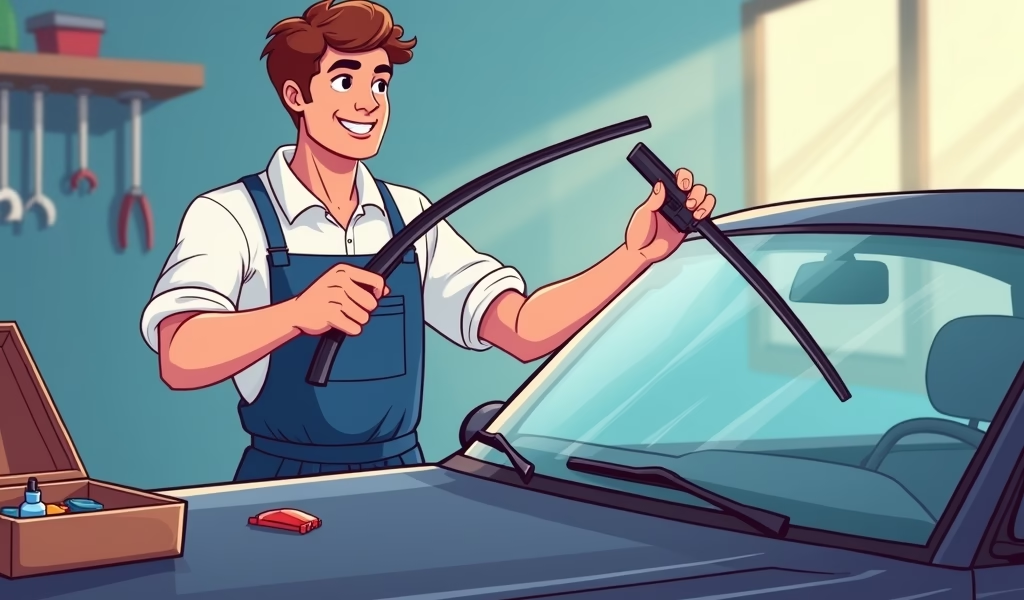
Knowing when to replace your wipers is just as important as knowing how to change windshield wipers. Here are the telltale signs that it’s time for new blades:
- Streaking or smearing across the windshield instead of clean swipes
- Skipping or jumping movements rather than smooth operation
- Squeaking or chattering noises during use
- Visible cracks, splits, or missing pieces in the rubber blade
- Bent or broken wiper frames
- Reduced contact between the blade and windshield
- Poor performance in light rain (you shouldn’t need heavy rain to test functionality)
I always tell my customers that if they notice they’re leaning forward to peer through streaky sections of their windshield, they’ve already waited too long. Ideally, you should replace wipers before they fail completely. Many drivers find success with changing wipers with the seasons, particularly before winter and summer when environmental stresses are highest.
Remember that both front wipers may not wear at the same rate. The driver’s side typically works harder and may need replacement sooner than the passenger side. However, for balanced performance and convenience, I generally recommend replacing both front wipers at the same time. Don’t forget your rear wiper if your vehicle has one—it’s often neglected but just as important for rear visibility.
What You’ll Need: Tools and Materials
One of the beauties of learning how to change windshield wipers is that it requires very few tools. Here’s what you’ll need to get the job done:
- Replacement windshield wiper blades (sized correctly for your vehicle)
- Clean microfiber cloth or paper towels
- Glass cleaner (optional but recommended)
- Owner’s manual (helpful for first-timers)
That’s it! Unlike many automotive repairs, changing wipers requires no specialized tools. Most replacement wipers come with everything needed for installation, and the process is designed to be user-friendly. If your new wipers don’t include detailed instructions, don’t worry—I’ll guide you through the process step by step.
Before starting, I always recommend cleaning your windshield thoroughly. This serves two purposes: it removes debris that could damage your new wipers on their first use, and it gives you a clean surface to properly evaluate your new wipers’ performance after installation. A mixture of water and white vinegar works great for removing stubborn residue and water spots if standard glass cleaner isn’t cutting it.
Buying the Right Replacement Wipers
Selecting the correct replacement wipers is crucial for proper function and fit. Here’s how to make sure you get the right ones:
Size Matters
Wipers aren’t one-size-fits-all. Most vehicles use different lengths for the driver and passenger sides, and getting the wrong size can lead to poor performance or damage. There are several ways to determine the correct sizes:
- Check your vehicle’s owner’s manual (most reliable source)
- Look up your vehicle in the sizing guide at the auto parts store
- Use the parts lookup tool on an auto retailer’s website
- Measure your current blades (from end to end of the rubber portion)
Types of Wiper Blades
You’ll encounter several different types of wiper blades on the market:
- Conventional (Frame) Wipers: The traditional design with a metal frame and multiple pressure points. Typically the least expensive option but less durable in extreme weather.
- Beam (Bracketless) Wipers: Modern, sleek design with no external frame. These provide more consistent pressure, perform better in snow and ice, and generally last longer. They cost more but are worth the investment in most climates.
- Hybrid Wipers: Combine elements of both conventional and beam wipers, with a partial cover over a frame design. A good middle-ground option.
- Winter Wipers: Specially designed with a rubber boot to prevent ice and snow buildup. Useful in cold climates but may be overkill in milder regions.
When selecting wipers, consider your local climate and driving conditions. In regions with severe winters, premium beam blades or dedicated winter blades make sense. In milder climates, conventional blades might be sufficient, though beam blades still offer performance advantages.
Quality matters with wiper blades. I’ve found that ultra-cheap options often need replacement within months, while mid-range and premium blades from reputable manufacturers like Bosch, Rain-X, or PIAA can last significantly longer and provide better performance. The few extra dollars for quality blades is money well spent when you consider the safety benefits and longer replacement intervals.
For those concerned about environmental impact, look into silicone-based wiper blades, which last longer than traditional rubber blades and are more environmentally friendly to produce and dispose of.
Step-by-Step Guide to Changing Windshield Wipers
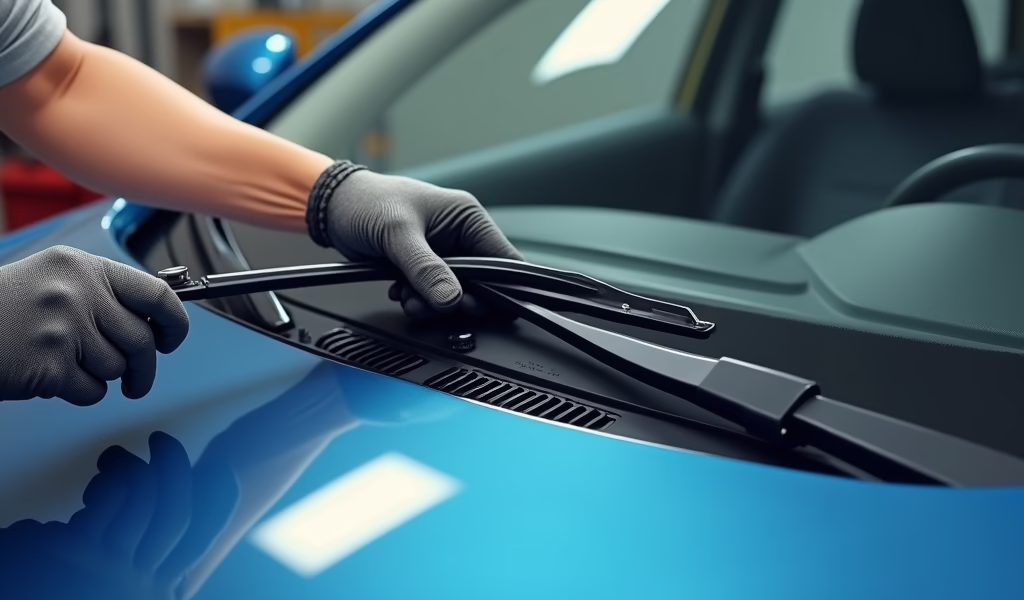
Now for the main event—let’s walk through how to change windshield wipers step by step. The process is similar for most vehicles, though connector types may vary slightly.
Removing the Old Wiper Blades
-
Start with the wipers in the “up” position, away from the windshield. In many cars, you can put the wipers in service position by turning off the engine, then pushing the wiper stalk down for a few seconds.
-
Lift the wiper arm away from the windshield until it stays up on its own (about 90 degrees from its resting position). Be careful—the spring-loaded arm can snap back and potentially crack your windshield if released suddenly.
-
Locate the connection point where the wiper blade meets the wiper arm. There’s typically a small tab, button, or locking mechanism here.
-
Press the release tab while gently pulling the wiper blade downward or to the side (depending on your connection type). Some wipers have a hook-style connection, while others use pin or bayonet attachments.
-
Once released, carefully remove the old blade from the arm. Take a moment to note how it was connected—this will help with installing the new one.
Installing the New Wiper Blades
-
Remove your new wipers from their packaging and check that you have the correct sizes for each side.
-
Most new wiper blades come with multiple adapters to fit different vehicles. Select the adapter that matches your wiper arm connection type, if necessary.
-
Line up the new wiper blade with the wiper arm, making sure it’s oriented in the same direction as the old one.
-
Connect the new blade to the arm until you hear or feel it click into place. You may need to press a tab or slide a locking mechanism to secure it.
-
Gently lower the wiper arm back to the windshield. Never let it snap back on its own!
-
Repeat the process for the other wiper, and don’t forget the rear wiper if your vehicle has one.
Testing Your New Wipers
Before considering the job complete, test your new wipers to ensure proper installation and function:
-
Make sure both wipers are properly lowered onto the windshield.
-
Turn on your ignition (you don’t need to start the engine).
-
Activate your windshield washer to wet the windshield, then run the wipers at various speeds.
-
Check for smooth operation with no streaking, skipping, or unusual noises.
-
Ensure both wipers make full contact with the windshield throughout their sweep.
If you notice any issues, turn off the wipers immediately and recheck your installation. Sometimes minor adjustments to the wiper position can resolve performance problems. If problems persist, you might need to try a different brand or style of wiper blade that better fits your windshield’s curvature.
Congratulations! You’ve just mastered how to replace windshield wipers like a professional. This simple maintenance task typically takes less than 5 minutes once you’re familiar with the process.
Common Problems and Troubleshooting
Even with proper installation, you might encounter some issues with your new windshield wipers. Here are solutions to common problems:
Streaking or Smearing
If your new wipers are streaking, try these fixes:
- Clean your windshield thoroughly—sometimes wax, oil, or tree sap residue causes streaking
- Wipe the rubber blade edge with rubbing alcohol to remove any manufacturing residue
- Check that the blade is making full contact with the windshield curve
- Consider upgrading to a higher quality wiper blade
Skipping or Chattering
When wipers jump or make noise across the glass:
- Check the angle of the wiper arm—it may need adjustment
- Ensure the blade is properly connected to the arm
- Try a different brand or style that better matches your windshield’s curvature
- Apply a small amount of windshield washer fluid for lubrication
Wiper Won’t Stay Attached
If the wiper keeps coming loose:
- Make sure you’re using the correct adapter for your vehicle
- Check that the locking mechanism fully engaged during installation
- Inspect the wiper arm for damage or deformation
- Try a different brand with a more secure connection system
Most wiper problems stem from either a dirty windshield, improper installation, or poor-quality blades. If you’ve ruled out these issues and still have problems, consider having a professional take a look—there could be an issue with your wiper arm tension or alignment.
Maintenance Tips to Extend Wiper Life
Now that you know how to change windshield wipers, let’s talk about making them last longer. With proper care, you can significantly extend the life of your wipers:
-
Clean your windshield regularly. Dirt and debris on the glass accelerate blade wear.
-
Wipe down the rubber blade edges occasionally with a damp cloth to remove accumulated road grime and contaminants.
-
Never use your wipers on a dry windshield—always activate your washer fluid first or wait for rain.
-
In winter, clear snow and ice from your windshield before activating wipers. Using wipers as ice scrapers is a surefire way to damage them.
-
When parked in direct sunlight for extended periods, consider lifting your wipers off the glass to prevent the rubber from baking onto the windshield.
-
In winter, pull wipers away from the windshield when parked to prevent them from freezing to the glass.
-
Use quality washer fluid appropriate for your climate—it helps lubricate the blades during operation.
I also recommend inspecting your wipers briefly during routine stops, like when you’re fueling up. Look for any visible damage or wear. This quick check can help you identify problems before they affect your visibility.
Seasonal Considerations for Wipers
Different seasons present unique challenges for your windshield wipers. Here’s how to adapt your wiper maintenance for each season:
Winter Wiper Care
Winter is particularly harsh on wiper blades. Ice, snow, and road salt all accelerate deterioration. Consider these winter-specific tips:
- Switch to winter-specific wiper blades if you live in a snowy climate
- Use winter-formula washer fluid with antifreeze properties
- Never use wipers to clear ice—always use an ice scraper
- When expecting freezing weather, prop wipers up or cover them with a small cloth
- Start your vehicle and allow the defroster to warm the windshield before using wipers in icy conditions
Summer Wiper Care
Summer brings its own challenges with heat, dust, and occasional heavy thunderstorms:
- Consider beam-style wipers that resist heat warping better than conventional blades
- Use bug-removing washer fluid in summer months
- Park in shade when possible to reduce rubber deterioration from UV exposure
- Clean bug splatter promptly—the acids can deteriorate rubber blade edges
Many drivers find success with a seasonal wiper replacement schedule: new blades at the start of winter and again at the start of summer. This ensures you always have optimal visibility when weather conditions are at their worst.
Conclusion
Learning how to change windshield wipers is one of the simplest yet most important car maintenance skills you can master. In just a few minutes and with minimal investment, you can dramatically improve your driving safety and prevent costly windshield damage.
Remember, visibility isn’t a luxury—it’s a necessity for safe driving. By regularly inspecting your wipers, replacing them at the first signs of wear, and following the maintenance tips outlined in this guide, you’ll ensure clear vision in all weather conditions.
Don’t wait until you’re caught in a downpour with failing wipers. Make wiper inspection part of your routine car checks, alongside tire pressure and fluid levels. Your safety on the road depends on these small but crucial maintenance tasks.
The next time your wipers start streaking or skipping, you’ll have the confidence to handle the replacement yourself quickly and correctly. That’s not just a convenience—it’s peace of mind for you and your passengers, no matter what weather lies ahead.
Frequently Asked Questions
How often should windshield wipers be replaced?
Most experts recommend replacing windshield wipers every 6-12 months. Replace them sooner if you notice streaking, skipping, or damaged rubber.
Can I replace just one wiper blade instead of both?
While possible, it’s generally best to replace both front wipers at the same time. This ensures balanced performance and equal visibility across your windshield.
What size wiper blades do I need?
Wiper sizes vary by vehicle make and model. Check your owner’s manual, measure your current blades, or use the size finder at an auto parts store to determine the correct sizes.
Are expensive windshield wipers worth the extra cost?
Higher-quality wipers typically last longer and perform better in extreme conditions. The additional cost often pays for itself in extended life and better visibility.
Why are my new wipers still streaking?
New wipers may streak if your windshield is dirty, the blades have manufacturing residue, or they’re not making proper contact with the glass. Clean both the windshield and wiper edges with alcohol to resolve this issue.