
Overview
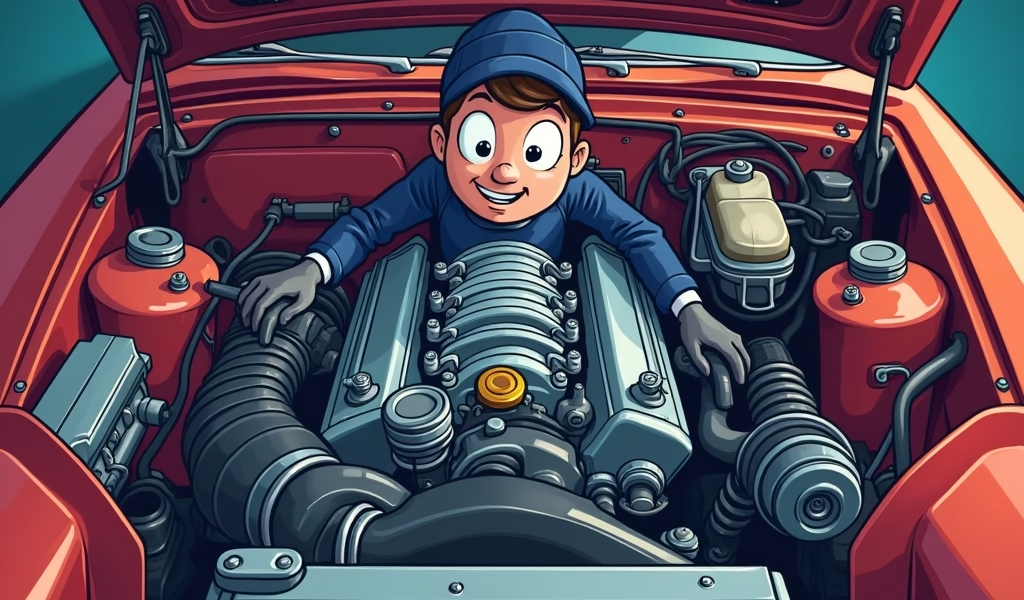
That mysterious knock-knock from your engine isn’t just trying to tell a bad joke—it’s warning you about potential issues ranging from poor fuel quality to serious mechanical problems. The article provides a complete troubleshooting guide for diagnosing engine knocking sounds, offering DIY solutions like using higher octane fuel and proper maintenance, while also helping readers recognize when professional intervention is necessary to prevent catastrophic engine damage.
Table of Contents
- Understanding Engine Knocking: What’s That Noise?
- Common Causes of Engine Knocking
- Diagnosing the Problem: Finding the Source of the Knock
- DIY Solutions for Engine Knocking
- Preventative Measures to Avoid Engine Knocking
- When to Seek Professional Help
- Long-Term Considerations for Engine Health
- Conclusion
- Frequently Asked Questions
Understanding Engine Knocking: What’s That Noise?
That distinctive “knock-knock-knock” sound coming from your engine can send a chill down any driver’s spine. If you’re wondering how to fix engine knocking, you’re in the right place. That ominous tapping or pinging noise is your vehicle’s way of waving a red flag, signaling that something’s not quite right under the hood.
As a mechanic who’s spent over two decades diagnosing these sounds, I can tell you that engine knocking is more than just an annoying noise—it’s your car communicating with you. Think of it as your engine clearing its throat, trying to tell you something important before the problem escalates into a much costlier repair.
Engine knocking (sometimes called detonation or pinging) occurs when the air-fuel mixture in the cylinders ignites incorrectly. Instead of a smooth, controlled burn initiated by your spark plugs, you get multiple flame fronts colliding inside the combustion chamber. These collisions create pressure waves that literally “knock” against the cylinder walls and pistons.
Left untreated, these knocks can lead to serious damage, including broken piston rings, damaged rod bearings, or even catastrophic engine failure. The good news? Many causes of engine knocking can be identified and fixed before they drain your wallet or leave you stranded.
Common Causes of Engine Knocking
When it comes to diagnosing engine knocking, I’ve found that several culprits typically top the list. Understanding these common causes is your first step toward an effective fix.
Low-quality or incorrect fuel octane is perhaps the most frequent offender. Your engine is designed to run on fuel with a specific octane rating. Using fuel with too low an octane rating can cause pre-ignition or knocking because the fuel ignites before it should in the combustion cycle. This is especially common in higher-performance or turbocharged engines that require premium fuel.
Carbon deposits are another usual suspect. Over time, carbon builds up on your pistons, cylinder heads, and valves. These deposits can create hot spots that cause the air-fuel mixture to ignite prematurely, resulting in that familiar knocking sound. Vehicles with higher mileage are particularly susceptible to this issue.
Worn bearings or other mechanical components can also cause a distinctive knocking. Rod knock, for instance, occurs when the bearings that connect the pistons to the crankshaft become worn, creating a deeper, more serious knocking sound that typically worsens under acceleration.
Incorrect ignition timing is yet another potential culprit. Modern cars control timing electronically, but issues with the computer, sensors, or wiring can throw off this delicate balance, resulting in knocking sounds as the spark plugs fire at the wrong moment.
Lastly, a lean air-fuel mixture—where there’s too much air and not enough fuel—can lead to engine knocking. This might happen due to problems with fuel injectors, fuel pumps, or oxygen sensors that aren’t accurately measuring the mixture.
Diagnosing the Problem: Finding the Source of the Knock
Before you can fix engine knocking, you need to pinpoint exactly what’s causing it. As a mechanic, I always recommend a systematic approach to diagnosis, starting with the simplest possibilities before working toward the more complex ones.
Begin by listening carefully to the knock. The character and timing of the sound can offer valuable clues. A light pinging that increases with acceleration might suggest pre-ignition, while a deeper, rhythmic knocking that’s present at idle could indicate rod knock or another mechanical issue. Using a mechanic’s stethoscope for diagnostics can help you isolate exactly where the sound is coming from.
Next, check your fuel. If you’ve recently switched to a lower octane or different brand of fuel, try filling up with a higher-grade gasoline. Many knocking issues resolve themselves after one or two tanks of quality fuel. This is particularly true for vehicles that require premium fuel but have been running on regular.
Don’t overlook your engine oil. Low oil levels or degraded oil can contribute to knocking, especially if the noise is more pronounced when the engine is cold. Check your dipstick to ensure proper oil levels, and examine the oil quality. Dark, gritty oil suggests it’s time for a change.
For a more definitive diagnosis, connect an OBD-II scanner to check for any error codes. Modern vehicles have knock sensors that detect abnormal combustion, and they’ll often trigger a check engine light when they sense a problem. According to CarMD’s Vehicle Health Index, engine knock-related codes are among the top issues that can lead to failed emissions tests.
If you’re comfortable doing so, you might also want to examine your spark plugs. Their condition can tell you a lot about what’s happening inside your combustion chambers. White, chalky deposits might indicate carbon buildup or running too lean, while oil-fouled plugs could point to other issues.
DIY Solutions for Engine Knocking
Now that you understand what might be causing your engine to knock, let’s talk about how to fix engine knocking with some do-it-yourself approaches. Many knocking issues can be resolved without an expensive trip to the mechanic.
Upgrade your fuel quality. As I mentioned earlier, using higher-octane fuel is often the simplest fix for knocking. If your vehicle recommends premium fuel (91-93 octane), don’t try to save money by using regular. The few extra dollars at the pump are far cheaper than engine repairs down the road.
Add a fuel system cleaner to your tank. Products designed to remove carbon deposits can work wonders for resolving knock caused by carbon buildup. Look for cleaners containing polyetheramine (PEA), which is particularly effective at cleaning injectors and combustion chambers. Use these according to package directions, typically every 3,000-5,000 miles.
Change your oil and filter. Fresh, clean oil of the correct viscosity ensures proper lubrication and can often quiet knocking sounds related to worn components or inadequate lubrication. While you’re at it, consider using a high-quality oil specifically formulated to reduce engine deposits and provide better protection against wear.
Adjust your driving habits. Believe it or not, how you drive can contribute to engine knocking. Avoid heavy acceleration from a standstill, particularly in hot weather. Let your engine warm up briefly before driving hard, and try to maintain a consistent speed rather than repeatedly accelerating and decelerating.
Use an octane booster if necessary. If you’re in a pinch and can’t find higher-octane fuel, octane boosters can temporarily increase the octane rating of your fuel. These additives aren’t a long-term solution, but they can help in a pinch while you address the underlying issue.
Check and replace spark plugs if needed. Old or fouled spark plugs can cause incomplete combustion, leading to knocking. Replacing them with fresh plugs of the correct heat range (as specified in your owner’s manual) can sometimes resolve the issue. While you’re at it, check that the spark plug gaps are set correctly using a gap tool.
Preventative Measures to Avoid Engine Knocking
An ounce of prevention is worth a pound of cure, especially when it comes to your engine. Implementing these preventative measures can help you avoid encountering that worrisome knock in the first place.
Stick to a regular maintenance schedule. This might sound obvious, but it’s remarkable how many engine problems stem from delayed or skipped maintenance. Follow your vehicle manufacturer’s recommended service intervals for oil changes, spark plug replacements, and fuel system cleanings. Regular maintenance is the cornerstone of preventing common engine faults.
Use the right fuel consistently. I can’t emphasize this enough—check your owner’s manual and use the recommended octane level for your vehicle. Some engines are more sensitive to fuel quality than others, particularly those with higher compression ratios or turbochargers.
Keep your cooling system in good shape. Overheating can contribute to pre-ignition and knocking. Ensure your coolant is at the proper level and concentration, and have your cooling system flushed according to the maintenance schedule. A properly functioning thermostat and radiator are essential for preventing engine knock.
Consider periodic carbon cleaning. For higher-mileage vehicles or those driven primarily on short trips (which can increase carbon buildup), consider a professional carbon cleaning service every 30,000-50,000 miles. These services can use specialized equipment to remove stubborn deposits that fuel additives might not fully address.
Monitor your engine’s vital signs. Keep an eye on temperature gauges and warning lights. Modern vehicles have sophisticated monitoring systems, but they can only alert you if you’re paying attention. Address any warning signs promptly before they evolve into more serious issues.
When to Seek Professional Help
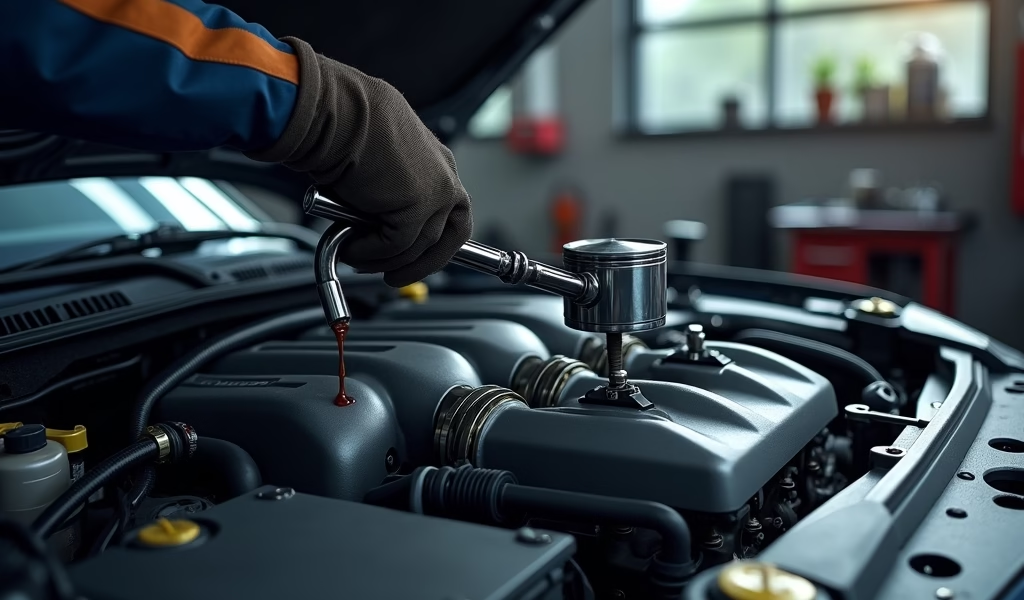
While many engine knocking issues can be resolved with DIY approaches, there comes a point when it’s wisest to call in the professionals. Recognizing when you’re out of your depth can save you time, money, and frustration in the long run.
Seek professional help if the knocking persists after trying the DIY solutions we’ve discussed. Persistent knocking, especially if it’s getting louder or changing in character, suggests a more serious underlying issue that requires specialized tools and expertise to diagnose and fix.
If your check engine light is illuminated along with the knocking, that’s another sign to visit a professional. While consumer-grade OBD-II scanners can read basic codes, professional diagnostic equipment can provide much more detailed information and access manufacturer-specific data that might be crucial to solving the problem.
Mechanical knocking sounds, particularly those that change with engine RPM or load, often indicate internal engine damage that may require partial or complete engine rebuilding. According to AAA’s automotive experts, ignoring these sounds can lead to catastrophic engine failure, potentially turning a moderate repair into a complete engine replacement.
Consider seeking professional help if your vehicle has high mileage (over 100,000 miles) and has never had any major engine work. In these cases, the knocking might be just one symptom of multiple age-related issues that would be best addressed comprehensively by a skilled mechanic who can properly tune your engine.
Finally, if you’re uncomfortable performing any of the DIY fixes mentioned earlier, there’s no shame in delegating to a professional. Engines are complex systems, and sometimes the most cost-effective approach is to have the job done right the first time by someone with the proper tools and training.
Long-Term Considerations for Engine Health
Beyond addressing immediate knocking issues, thinking long-term about your engine’s health can save you from repeated problems and extend your vehicle’s life.
Consider oil quality and change intervals carefully. Conventional wisdom once dictated oil changes every 3,000 miles, but modern engines and oils often allow for longer intervals. However, if you’ve experienced knocking, you might want to err on the side of caution with more frequent oil changes using high-quality synthetic oils that offer better protection against deposits and breakdown.
Pay attention to your driving patterns. Short trips where the engine never fully warms up can increase carbon deposits and moisture in the oil, both of which can contribute to knocking. If most of your driving consists of short hops, consider taking a longer drive occasionally to get the engine thoroughly warm and help burn off deposits.
As vehicles age, their tolerances change. Parts wear, seals shrink, and combustion chambers may develop hot spots. Adjusting your maintenance schedule to account for these changes can help prevent knocking from recurring. This might mean more frequent tune-ups or switching to high-mileage formulations of oil and fuel additives designed for older engines.
Keep comprehensive maintenance records. Tracking exactly what work has been done, when it was performed, and what parts or fluids were used can help identify patterns and prevent future problems. These records are also valuable if you decide to sell the vehicle later.
Finally, consider the environmental factors where you drive. Extreme temperatures, high altitude, or very humid conditions can all affect combustion and potentially contribute to knocking. Understanding these factors can help you make appropriate adjustments to your maintenance routine.
Conclusion
Engine knocking is more than just an annoying sound—it’s a warning that deserves your attention. How to fix engine knocking depends largely on identifying the specific cause, which could range from simple fuel quality issues to more serious mechanical problems.
By following the systematic approach we’ve outlined—from careful diagnosis to appropriate DIY fixes to knowing when to call in professionals—you can address engine knocking effectively and prevent costly repairs down the road. Remember that preventative maintenance remains your best defense against engine knocking and many other automotive issues.
Listen to your vehicle, treat it with care, and respond promptly to any unusual sounds or performance changes. Your engine will thank you with thousands of miles of reliable, knock-free operation. And your wallet will thank you for avoiding those expensive major repairs that could have been prevented with timely intervention.
Whether you’re a seasoned DIY mechanic or someone who prefers to leave the wrench-turning to the professionals, understanding the basics of engine knocking empowers you to make informed decisions about your vehicle’s care. Here’s to smooth, quiet engines and many more miles of trouble-free driving!
Frequently Asked Questions
What is the fastest way to stop engine knocking?
The quickest fix is often switching to higher octane fuel if your engine knocking is fuel-related. For immediate relief, you can also try adding an octane booster to your current tank of gas.
Can engine knocking be fixed without replacing parts?
Yes, if the knocking is caused by carbon deposits or incorrect fuel, it can often be resolved by using fuel system cleaners and higher-quality gas. However, mechanical knocking usually requires part replacement.
How much does it typically cost to repair engine knocking?
Costs vary widely from $10-20 for fuel additives to $2,500-5,000+ for major mechanical repairs like rod bearing replacement. The exact price depends on the underlying cause and your vehicle’s make and model.
Is it safe to drive with an engine knock?
Driving briefly with minor pinging from fuel issues may be okay, but persistent mechanical knocking can cause catastrophic damage. It’s best to address the issue immediately rather than risk extensive damage.
Can old spark plugs cause engine knocking?
Yes, worn or improperly gapped spark plugs can cause incomplete combustion leading to knocking sounds. Replacing spark plugs according to your manufacturer’s schedule can prevent this issue.