

Overview
That sinking feeling when white smoke billows from your exhaust isn’t just bad luck—it’s likely your head gasket failing at its critical job of separating your engine’s combustion, cooling, and lubrication systems. This comprehensive guide walks you through everything from identifying the five tell-tale symptoms and proper diagnostic techniques to understanding repair options ranging from $50 chemical fixes to $4,000+ professional repairs, all while providing practical prevention strategies to protect both your engine and wallet.
Table of Contents
- Understanding Head Gaskets: What They Are and Why They Matter
- 5 Tell-Tale Signs Your Head Gasket Is Blown
- What Causes Head Gasket Failure?
- Diagnosing a Blown Head Gasket: Tests That Don’t Lie
- Repair Options: From DIY Solutions to Professional Fixes
- How to Prevent Head Gasket Problems Before They Start
- Cost Breakdown: What You’ll Pay to Fix That Gasket
- Conclusion: Protecting Your Engine and Your Wallet
- Frequently Asked Questions
Understanding Head Gaskets: What They Are and Why They Matter
Ever had that sinking feeling when white smoke starts billowing from your exhaust, or your temperature gauge shoots into the red zone? That’s often the calling card of one of the most dreaded engine problems: a blown head gasket.
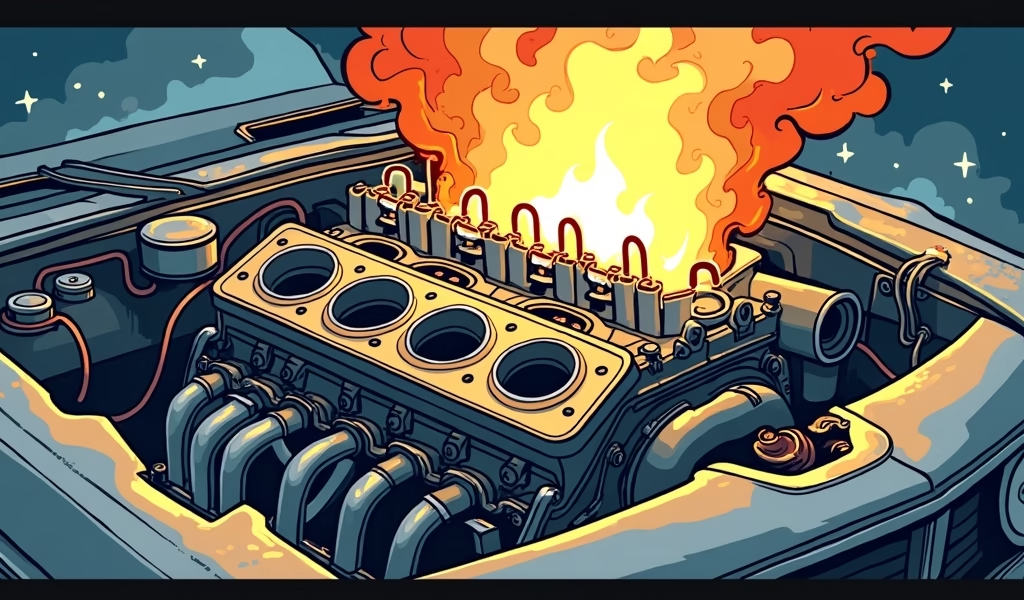
So what exactly is this mysterious component? Think of your head gasket as the critical seal between your engine block (bottom half) and cylinder head (top portion). It’s typically a multi-layer metal and composite sheet that’s precision-designed for your specific engine.
Your head gasket handles an incredibly tough job. It simultaneously seals in combustion pressure (which can exceed 1,000 PSI), contains engine oil, and keeps coolant flowing through dedicated channels – all while enduring temperature swings from freezing cold to over 1,000°F in seconds.
When working properly, you’ll never think about your head gasket. When it fails, it quickly becomes the only thing you can think about.
The critical function of a head gasket is maintaining separation between three vital systems:
- Combustion chambers (where fuel and air explode)
- Cooling passages (where antifreeze circulates)
- Oil pathways (where lubricant flows)
When these systems mix, bad things happen fast. Coolant in your oil creates a frothy milkshake that can’t properly lubricate bearings. Combustion gases in your cooling system cause pressure buildup and overheating. Oil in your coolant reduces heat transfer efficiency.
As a mechanic with 20 years under my belt, I’ve seen engines with various faults that mimic head gasket failure. The key difference is that actual head gasket problems tend to worsen quickly and affect multiple systems simultaneously.
5 Tell-Tale Signs Your Head Gasket Is Blown
Catching head gasket issues early can save your engine and your wallet. Here are the most reliable symptoms to watch for:
1. White Exhaust Smoke
Not all smoke signals trouble, but thick white smoke that doesn’t dissipate quickly is concerning. This happens when coolant leaks into combustion chambers and burns alongside fuel. It typically has a sweet, distinct smell and appears most noticeable during cold starts.
Pro tip: Don’t confuse normal condensation (thin vapor that quickly disappears on cold mornings) with the continuous thick plumes that indicate head gasket failure.
2. Milky Oil
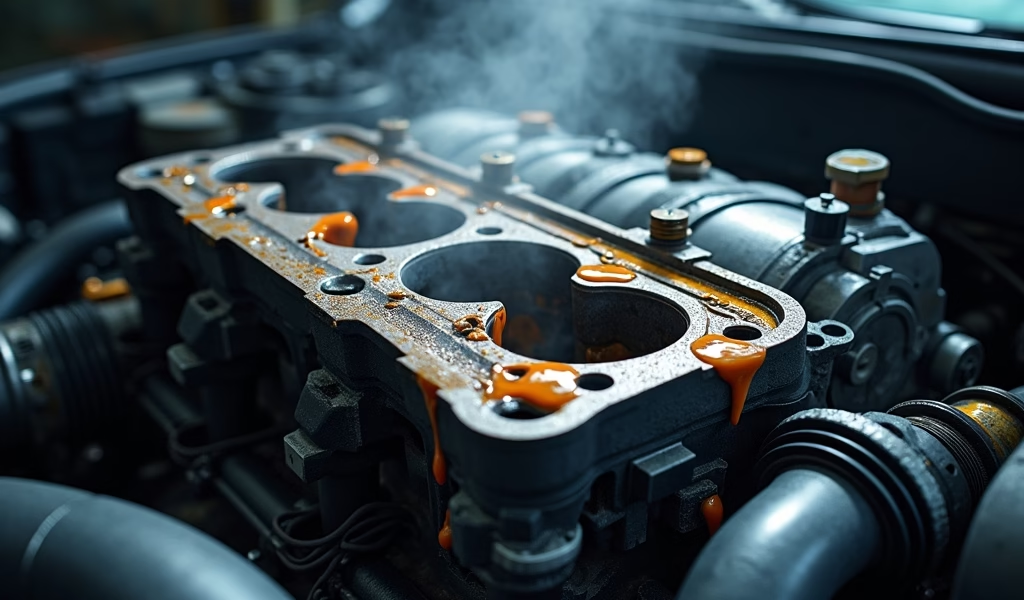
Pop your oil cap or pull your dipstick and look for a light-brown, frothy substance resembling a chocolate milkshake. This happens when coolant mixes with your oil – a classic sign your head gasket isn’t keeping fluids separate.
Even small amounts of this contamination can destroy bearing surfaces, so don’t ignore even minor discoloration when checking your essential fluids.
3. Unexplained Coolant Loss
If you’re constantly topping off your coolant but can’t find any external leaks, suspect your head gasket. The coolant is likely escaping into combustion chambers where it burns off undetectably or seeping into your oil system.
Keep track of how much you’re adding and how often. A healthy cooling system should maintain its level for months between services.
4. Overheating Engine
Repeated overheating episodes often signal head gasket problems. This creates a vicious cycle – overheating damages the gasket further, which causes more overheating. Modern engines shouldn’t run hot during normal driving conditions.
Pay special attention if your vehicle overheats at idle but cools down when driving. This pattern often indicates combustion gases entering the cooling system.
5. Bubbling in Radiator or Overflow Tank
With the engine warm (but not hot!), remove your radiator cap and look for bubbles or pressure buildup. Combustion gases escaping through a failed gasket create this telltale bubbling effect.
According to Car Care Council research, this symptom appears in over 80% of head gasket failures before major breakdown occurs.
What Causes Head Gasket Failure?
Head gaskets don’t typically fail without reason. Understanding the root causes can help prevent recurrence after repair:
Engine Overheating
The primary killer of head gaskets is excessive heat. When engines overheat, metal components expand beyond design limits, crushing and damaging the gasket material. Even a single severe overheating event can permanently damage this critical seal.
Common causes of overheating include coolant leaks, failed water pumps, stuck thermostats, clogged radiators, and malfunctioning cooling fans. Address cooling system issues immediately to protect your head gasket.
Pre-ignition and Detonation
When fuel ignites before it should (pre-ignition) or explodes rather than burns smoothly (detonation), it hammers your head gasket with pressure spikes. These abnormal combustion events typically result from incorrect timing, carbon buildup, or using fuel with inadequate octane rating.
Listen for a distinctive “pinging” sound during acceleration, which often precedes gasket damage.
Design Weaknesses
Some engines have inherent design flaws that predispose them to head gasket issues. Notable examples include certain Subaru EJ25 engines (1996-2009), early Ford Modular V8s, Chrysler 2.7L V6 engines, and various European turbocharged models.
If you own a vehicle with known head gasket vulnerabilities, preventative maintenance becomes even more crucial.
Age and Wear
Even the best-designed head gaskets eventually wear out. Constant thermal cycling (heating up and cooling down) gradually degrades gasket materials. This natural aging process accelerates in engines that frequently run hot or experience extreme temperature variations.
Vehicles approaching 100,000 miles with original head gaskets should be monitored more carefully for early warning signs.
Improper Torque
Head bolts must be tightened to exact specifications in a specific sequence. Overtightening can distort the cylinder head, while undertightening allows movement and eventual gasket failure. This is why proper torque during installation is absolutely critical.
According to the Machine Design Institute, improper torquing accounts for approximately 25% of gasket failures following repairs.
Diagnosing a Blown Head Gasket: Tests That Don’t Lie
Before dropping serious money on repairs, confirm your suspicions with these proven tests:
Cooling System Pressure Test
This non-invasive test uses a specialized tool to pressurize your cooling system while the engine remains cold. A failed head gasket often can’t hold pressure, revealing the problem without extensive disassembly. Most professional shops include this test in their diagnostic routine.
A properly functioning system should maintain pressure for at least 15 minutes without dropping. Any significant pressure loss indicates a leak somewhere in the system.
Combustion Leak Test
A chemical test kit can detect combustion gases in your coolant – a definitive sign of head gasket failure. The test fluid changes color when exposed to exhaust gases, providing visual confirmation of the problem.
For the most accurate results, perform this test when the engine is at normal operating temperature but not overheating.
Cylinder Compression Test
This measures pressure inside each cylinder during the compression stroke. A blown head gasket typically shows low readings in adjacent cylinders or inconsistent results across multiple cylinders.
Modern professional compression testers can even graph the pressure curve, showing exactly where compression is being lost during the cycle.
Cylinder Leakdown Test
The gold standard for diagnosis, this test uses compressed air to pressurize each cylinder individually while listening for where the air escapes. Air bubbling in the radiator or making hissing sounds in adjacent cylinders confirms gasket failure.
This test requires specialized equipment but provides the most definitive diagnosis when performed correctly.
Oil Analysis
Professional oil analysis can detect trace amounts of coolant in your oil before visible contamination appears. This early warning system costs about $30-50 and can catch problems before catastrophic failure occurs.
For high-value engines or vehicles with known head gasket vulnerabilities, regular oil analysis is cheap insurance.
Repair Options: From DIY Solutions to Professional Fixes
Once you’ve confirmed a blown head gasket, you have several repair paths:
Chemical Sealers
Products like BlueDevil and Bar’s Leaks promise to seal head gasket leaks chemically. These work by clogging small leak paths with particles that harden when exposed to the heat of combustion gases.
The reality? They occasionally work for minor coolant-to-air leaks but rarely fix serious failures. Consider these temporary band-aids at best – useful for getting home in an emergency but not permanent solutions.
DIY Replacement
Replacing a head gasket yourself is possible but challenging. You’ll need:
- A factory service manual (not just a Haynes guide)
- Quality torque wrench and specialized tools
- Considerable mechanical experience
- Several days of available time
- A complete gasket set specific to your engine
The procedure involves removing everything attached to the cylinder head, carefully removing the head itself, cleaning all mating surfaces perfectly, and reassembling with precise torque specifications.
Unless you’re experienced with major engine work, this job typically exceeds most DIY mechanics’ capabilities. The consequences of mistakes can be expensive.
Professional Replacement
Most vehicles require 8-15 hours of professional labor for head gasket replacement. The process includes:
- Complete disassembly of the top engine components
- Removal and inspection of the cylinder head
- Machining surfaces if warpage is detected
- Replacement of all affected gaskets and seals
- Precise reassembly following manufacturer specifications
- Thorough testing before returning the vehicle
A quality repair shop will also check for damage to related components like the water pump, thermostat, timing components, and cooling system parts while everything is disassembled.
Engine Replacement
For older vehicles or those with extensive damage, a complete engine replacement sometimes makes more financial sense than repairing the existing engine. This is especially true when:
- The vehicle has high mileage with multiple worn components
- The cylinder head has warped beyond machining limits
- Additional internal engine damage has occurred
- Repair costs approach 50% of the vehicle’s value
Many shops offer remanufactured engine options with warranties that exceed those of partial repairs.
How to Prevent Head Gasket Problems Before They Start
An ounce of prevention is worth pounds of cure when it comes to head gaskets:
Monitor Your Temperature Gauge
Make checking your temperature gauge a regular habit while driving. The needle should stay near the middle mark during normal operation. Any movement toward “H” demands immediate attention.
Modern vehicles shouldn’t run hot during normal driving conditions. If yours does, investigate immediately rather than hoping it will improve.
Maintain Your Cooling System
Regular cooling system maintenance dramatically reduces head gasket failure risk:
- Replace coolant at recommended intervals (typically every 30,000-60,000 miles)
- Use only the manufacturer-specified coolant type
- Check coolant level regularly when checking your coolant levels
- Replace aging hoses before they fail
- Test your radiator cap yearly (it maintains system pressure)
- Consider a cooling system pressure test during routine service
A comprehensive cooling system service costs $100-200 but can prevent $1,500+ in head gasket repairs.
Address Small Problems Immediately
That minor coolant leak? The temperature gauge that occasionally fluctuates? These small issues often precede catastrophic failures. Fixing small problems prevents them from becoming big ones.
Keep this mechanic’s truth in mind: cooling system problems rarely improve with time – they almost always worsen.
Use the Right Fuel
Follow your manufacturer’s octane recommendations. Using lower octane than specified can cause detonation that hammers your head gasket. The small savings at the pump isn’t worth the risk to your engine.
If you hear pinging or knocking during acceleration, upgrade to higher octane fuel immediately.
Consider Preventative Replacement
For vehicles with known head gasket vulnerabilities, some owners opt for preventative replacement during other major service. This approach can actually save money compared to emergency repairs that include towing fees and potential secondary damage.
This strategy makes particular sense for cars like certain Subaru models, where head gasket replacement has become almost a maintenance item rather than a repair.
Cost Breakdown: What You’ll Pay to Fix That Gasket
The financial impact of head gasket repair varies dramatically based on your vehicle and repair approach:
Chemical Sealers
Premium chemical sealers cost $50-100 per bottle. Success rates vary widely depending on the severity and location of the failure. At best, they’re temporary solutions.
The risk? Continued driving with a failed head gasket often leads to more extensive damage that increases your eventual repair bill.
DIY Replacement
If you handle the repair yourself, expect to spend:
- Head gasket kit: $100-300
- Head bolts (required for most engines): $30-100
- Machine shop services (if head needs resurfacing): $100-250
- Coolant, oil, and miscellaneous supplies: $50-100
- Specialty tools (if you don’t already own them): $50-300
Total DIY cost typically ranges from $350-750 plus your time investment.
Professional Repair
Professional head gasket replacement usually falls into these ranges:
- 4-cylinder engines: $1,200-1,800
- 6-cylinder engines: $1,500-2,200
- 8-cylinder engines: $1,800-3,500
- Premium/luxury vehicles: $2,500-4,500+
Labor accounts for 60-80% of these costs. The gasket itself is relatively inexpensive, but accessing it requires substantial disassembly.
Additional repairs often identified during head gasket service (like water pumps or timing components) can increase the total bill but provide better long-term value.
Engine Replacement
Complete engine replacement typically costs:
- Remanufactured engine: $2,500-4,500
- Labor: $1,000-2,000
- Additional parts and fluids: $300-800
Total engine replacement usually ranges from $3,800-7,300 depending on vehicle type.
The advantage? You essentially reset the clock on your entire engine rather than just fixing one component. Many remanufactured engines include warranties of 3 years/36,000 miles or better.
Conclusion: Protecting Your Engine and Your Wallet
Head gasket failure ranks among the most expensive common car repairs, but it’s largely preventable with proper maintenance and prompt attention to warning signs.
Remember these key takeaways:
- Never ignore overheating – even brief episodes can damage your head gasket
- Maintain your cooling system as diligently as you change your oil
- White exhaust smoke, milky oil, and unexplained coolant loss demand immediate attention
- Chemical sealers rarely provide permanent solutions
- The quality of the repair matters – proper torque specifications and surface preparation are crucial
By understanding what a head gasket does and monitoring for early warning signs, you can often avoid the expense and inconvenience of major engine work. When repairs become necessary, choosing a qualified shop with experience in your specific vehicle type provides the best chance for a lasting fix.
Your head gasket may be just a thin piece of engineered material, but its proper function is critical to your engine’s health and your vehicle’s reliability. Treat it with respect, and it will quietly do its job for thousands of trouble-free miles.
Frequently Asked Questions
How long can I drive with a blown head gasket?
You shouldn’t drive at all with a confirmed head gasket failure. Continuing to drive risks catastrophic engine damage through overheating or oil contamination that can turn a $1,500 repair into a $4,000+ engine replacement.
Will a blown head gasket always cause overheating?
Not immediately. Some head gasket failures only affect oil/coolant separation initially and may not cause overheating until the condition worsens. This is why regular fluid checks are essential for early detection.
Can I just add stop-leak products to fix my head gasket?
Chemical sealers occasionally work for minor coolant leaks but rarely fix serious head gasket failures permanently. They’re best used as emergency measures to get you to a repair facility, not as long-term solutions.
How long should a head gasket repair last?
A properly performed head gasket replacement should last for the remaining life of the engine. If the repair fails prematurely, it typically indicates either improper installation or an underlying problem that wasn’t addressed during repair.
Are head gasket repairs covered under warranty?
Most new vehicle warranties (typically 3yr/36,000 miles or 5yr/60,000 miles) cover head gasket failures unless caused by owner neglect. Extended warranties often cover this repair, but read the fine print as some exclude it as a “known issue” for certain vehicle models.