

Overview
Foggy headlights aren’t just unsightly—they’re safety hazards that can reduce visibility by up to 70%, but restoration methods ranging from simple toothpaste techniques to professional services costing $75-150 offer dramatic savings over full replacements that can run $200-700 per headlight. The key to lasting results is applying proper UV sealant after any restoration method, which prevents rapid re-fogging and extends headlight clarity for years rather than weeks, making regular maintenance not just more affordable but fundamentally smarter than premature replacement.
Table of Contents
- Understanding Foggy Headlights: Causes and Concerns
- Why Clear Headlights Matter: Safety and Savings
- DIY Cleaning Methods That Actually Work
- Professional Restoration: When to Consider It
- Preventing Future Fogging: Protection Tips
- Cost Comparison: Restoration vs. Replacement
- Common Mistakes to Avoid When Cleaning Headlights
- Conclusion: Seeing Clearly Without Breaking the Bank
- Frequently Asked Questions
Understanding Foggy Headlights: Causes and Concerns
Every day in my repair shop, I see drivers squinting through yellowed, cloudy headlights, often unaware how severely this affects their nighttime visibility. Those foggy headlights aren’t just an eyesore – they’re a serious safety hazard that reduces your visibility by up to 70% in critical driving situations.
So what exactly causes this frustrating issue? Modern headlight lenses are made of polycarbonate plastic, not glass. While lightweight and durable, this plastic is vulnerable to UV radiation from the sun, which breaks down the factory-applied protective coating over time. Once that protective layer deteriorates, oxidation sets in, creating that characteristic cloudy, yellowish appearance.
Environmental factors accelerate this deterioration. Road salt, chemicals, pollutants, and abrasive debris constantly bombard your headlights. Even regular car washes can contribute to the problem if they use harsh chemicals that strip away protective coatings. Living in hot, sunny climates like Arizona or Florida can dramatically shorten headlight clarity lifespan to just 3-4 years.
The frustrating reality is that headlight fogging is unavoidable without proper maintenance. Most vehicles will show noticeable clouding between years 3-7 of ownership, with severity depending on your driving conditions, parking habits, and climate. The good news? With the right approach, you can restore clarity and avoid costly replacements.
Why Clear Headlights Matter: Safety and Savings
Clear headlights aren’t just about aesthetics – they’re fundamentally about safety. According to National Highway Traffic Safety Administration data, nearly half of all fatal crashes happen at night, despite roads having significantly less traffic. Cloudy headlights can reduce your visibility by 50-80%, giving you precious little time to react to unexpected obstacles.
Beyond safety, foggy headlights can hit your wallet in surprising ways. Many states now include headlight clarity in vehicle inspections, meaning you could fail your annual inspection due to cloudy lenses. When selling your vehicle, clear headlights signal good maintenance to potential buyers, while foggy ones suggest neglect and can reduce resale value by hundreds of dollars.
The financial equation becomes even clearer when comparing restoration to replacement. A complete headlight assembly replacement typically costs between $200-700 per headlight depending on your vehicle (not including labor). Compare that to DIY restoration methods costing under $30 or professional services averaging $75-150 for both headlights. The choice becomes obvious.
As a mechanic who’s replaced countless headlight assemblies, I can tell you that regular maintenance isn’t just cheaper – it’s smarter. Most cloudy headlights can be restored to 85-95% of their original clarity with the right techniques, giving you years of additional service without the hefty replacement cost.
DIY Cleaning Methods That Actually Work
After testing dozens of methods over my 20+ years as a mechanic, I’ve narrowed down the most effective DIY approaches to clean foggy headlights. Each method has its place depending on how severely your headlights are affected.
Method 1: The Toothpaste Technique (For Light Fogging)
This method sounds like an old wives’ tale, but it works remarkably well for mildly foggy headlights. Regular white toothpaste (not gel) contains mild abrasives that effectively remove the thin oxidized layer from your headlight surface.
You’ll need:
- Regular white toothpaste
- Clean microfiber cloths
- Spray bottle with water
- Automotive UV sealant (critical!)
- Masking tape
First, wash your headlights thoroughly with soap and water. Tape around your headlights to protect your paint. Apply a quarter-sized amount of toothpaste to a damp microfiber cloth and rub in firm, circular motions for 5-7 minutes per headlight. Rinse thoroughly, dry completely, then apply a UV-resistant clear coat to prevent rapid reoxidation.
This method typically improves clarity by 40-60% and lasts 3-6 months with proper sealant. Without sealant, cloudiness will return within weeks, sometimes worse than before – so don’t skip that crucial final step!
Method 2: The Baking Soda Paste (For Moderate Fogging)
For headlights with more pronounced yellowing, baking soda provides slightly more abrasive action than toothpaste alone.
Mix baking soda with just enough water to form a thick paste. Apply to your headlights using firm, straight-line motions (not circles) with a microfiber cloth. Continue for 5-7 minutes per headlight, adding paste as needed. Rinse thoroughly, dry completely, and finish with a quality automotive UV sealant.
I’ve seen this method restore 50-70% clarity to moderately fogged headlights. Results typically last 4-8 months with proper sealant application. The paste reaches deeper oxidation layers than toothpaste, making it ideal for headlights that have been neglected for 2-4 years.
Method 3: Commercial Headlight Restoration Kits
For severely yellowed headlights, commercial kits provide the most comprehensive DIY approach. These kits include progressive sandpaper sheets, polishing compound, and proper sealants designed specifically for headlight restoration.
Quality kits like the 3M Headlight Restoration System ($15-25) or Meguiar’s Heavy Duty Headlight Restoration Kit ($25-35) include everything needed for professional-grade results. The multi-stage sanding process removes deeper layers of oxidation that toothpaste or baking soda can’t touch.
Follow the kit instructions precisely, paying special attention to the progression of sandpaper grits. Don’t rush – each stage builds on the previous one. The included drill attachment makes the process more consistent and less labor-intensive. Most importantly, never skip the final sealant application, which protects your restored headlights from rapid refogging.
Commercial kits can restore 70-90% clarity to severely fogged headlights, with results lasting 1-2 years with proper application. They’re worth the extra investment for headlights that have been cloudy for 5+ years or that show deep scratches and pitting.
No matter which method you choose, remember that proper sealing afterward is what makes your results last. A quality headlight sealant is the difference between restoration that lasts for years versus weeks.
Professional Restoration: When to Consider It
Sometimes, DIY just doesn’t cut it. As someone who’s restored thousands of headlights, I can tell you there are definitely situations when professional help makes more sense.
Consider professional restoration when:
- Your headlights have severe yellowing or deep scratches
- Previous DIY attempts haven’t yielded satisfactory results
- You have expensive headlights on a luxury vehicle
- You want guaranteed results with warranty protection
- You lack the time or confidence to tackle a multi-stage restoration
Professional services typically use commercial-grade equipment and materials not available to consumers. We use wet-sanding systems with 6-8 different grit levels (compared to the 2-3 in most DIY kits), professional polishing compounds, and industrial UV sealants that offer superior protection. Many shops also employ heat treatment to temporarily soften the plastic surface, allowing for more aggressive restoration without damage.
The cost for professional headlight restoration typically falls between $50-150 for both headlights. The process usually takes 1-2 hours, and many shops offer warranties ranging from 1-3 years. For severe cases, the results are often dramatically better than DIY methods, with 90-95% restoration of original clarity.
When selecting a professional service, ask about their process, warranty, and the specific UV protection they apply. Request before-and-after photos of previous work. A quality restoration shop will be happy to explain their methods and show examples of their results.
Preventing Future Fogging: Protection Tips
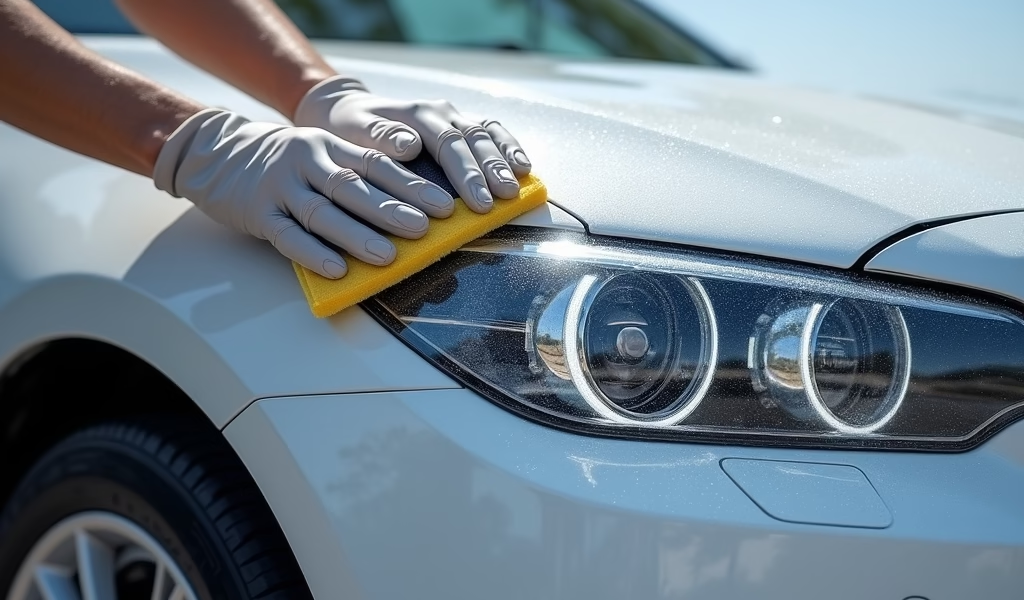
An ounce of prevention is worth a pound of cure, especially with headlights. After restoring your headlights, implementing these preventative measures can extend their clarity for years:
Apply Protective Coatings Regularly
UV protection is the single most important factor in preventing foggy headlights. Apply a quality automotive UV sealant designed specifically for headlights every 3-6 months. Products like Meguiar’s Headlight Protectant or Gtechniq C5 create a sacrificial barrier against UV damage and environmental contaminants.
For maximum protection, consider professional-grade ceramic coatings or PPF (paint protection film) specifically cut for your headlights. While more expensive initially ($100-200 professionally installed), these solutions can provide 2-5 years of protection against UV damage and minor scratches.
Establish a Regular Cleaning Routine
Clean your headlights whenever you wash your car using automotive soap and a microfiber cloth. Avoid automatic car washes with harsh brushes that can microscratch headlight surfaces. For added protection between sealant applications, a thin layer of automotive wax provides temporary UV shielding and makes future cleaning easier.
Remember that proper detailing technique extends beyond just the paint – your headlights deserve the same attention. Use dedicated plastic cleaners rather than all-purpose products, and always dry thoroughly to prevent water spotting.
Smart Parking Strategies
Where you park matters tremendously for headlight longevity. Whenever possible, park in shaded areas or garages to minimize direct sunlight exposure. If you must park outdoors regularly, consider a quality car cover or position your vehicle so the headlights face away from direct sun during peak UV hours.
For vehicles that must endure harsh outdoor conditions, protective films offer the best defense. These clear adhesive films block UV rays while providing physical protection against road debris, effectively extending headlight clarity by years.
Cost Comparison: Restoration vs. Replacement
Let’s talk dollars and sense. As a mechanic, I’ve seen too many customers unnecessarily spend hundreds on replacement headlights when restoration would have solved their problem for a fraction of the cost.
Here’s a realistic cost breakdown:
- DIY toothpaste or baking soda method: $5-10 in materials
- Commercial headlight restoration kit: $15-35
- Professional restoration service: $75-150 for both headlights
- OEM headlight assembly replacement: $200-700 per headlight (parts only)
- Professional installation labor: $80-150 additional
The math becomes even more compelling when you consider luxury vehicles. A Mercedes-Benz E-Class headlight assembly can exceed $1,000 per side, while restoration typically costs the same $75-150 regardless of vehicle make or model.
Insurance rarely covers headlight replacement due to fogging as it’s considered normal wear and tear. Even with comprehensive coverage, your deductible likely exceeds restoration costs. The financial case for maintenance is undeniable – spending $20-30 every 6-12 months on DIY maintenance or $100-150 annually on professional service extends headlight life by 5-10 years.
Beyond direct costs, don’t forget the safety aspect – clear headlights significantly reduce accident risk during night driving. The potential savings from avoiding even a minor accident far outweigh restoration expenses.
Common Mistakes to Avoid When Cleaning Headlights
In my years at the shop, I’ve seen countless DIY headlight restoration attempts gone wrong. Avoid these common pitfalls to ensure your restoration effort succeeds:
Using Harsh Chemicals
Never use household cleaners containing ammonia, bleach, or acetone on headlight lenses. These chemicals can penetrate and weaken the plastic, causing clouding to worsen over time. Glass cleaners are particularly problematic – they’re formulated for glass, not polycarbonate plastic, and can accelerate degradation.
Skipping the Sealant
This is the #1 mistake I see. Without proper UV protection after restoration, headlights begin re-fogging within weeks, sometimes worse than before. The sanding/polishing process removes any remaining factory protection, leaving bare plastic extremely vulnerable to rapid oxidation. Always finish with a proper automotive UV sealant designed for headlights.
Improper Sanding Techniques
When using abrasive methods, always wet-sand in straight lines (not circles) to prevent swirl marks that scatter light. Progress properly through grit levels without skipping – each stage prepares the surface for the next finer grit. Rushing this process creates uneven surfaces that appear cloudy even after polishing.
Similarly, proper polishing technique applies to headlights as much as paint. Work in sections, use appropriate pressure, and ensure complete coverage for consistent results.
Unrealistic Expectations
Severely damaged headlights with deep crazing or internal moisture issues may not respond fully to restoration. If your headlights have cracks, leaking seals, or significant internal condensation, restoration addresses only the exterior surface. In these cases, replacement may be your only option for optimal lighting performance.
Conclusion: Seeing Clearly Without Breaking the Bank
Foggy headlights don’t have to mean expensive replacements or compromised safety. Whether you choose the simple toothpaste method, invest in a commercial kit, or seek professional restoration, taking action now prevents further deterioration and extends the life of your vehicle’s lighting system.
Remember that consistency is the key with headlight maintenance. Small, regular efforts prevent major problems down the road. UV protection after cleaning is absolutely critical – it’s what makes your restoration last months or years instead of days or weeks.
For most vehicles, a comprehensive cleaning every 6-12 months combined with regular protective applications will keep your headlights clear for their entire service life. The safety benefits of proper visibility at night cannot be overstated – clear headlights could literally save your life on a dark road.
Your vehicle is an investment, and your headlights are its eyes on the road. Treat them with the care they deserve, and they’ll serve you well for years to come – no expensive replacements required.
Frequently Asked Questions
How often should headlights be restored?
Most headlights benefit from restoration every 1-2 years, depending on your climate and parking conditions. In sunny, hot regions, increase frequency to annually; in mild climates with garage parking, every 2 years is often sufficient.
Will WD-40 clear foggy headlights?
WD-40 creates only a temporary improvement by filling microscopic scratches with oil, but the effect lasts just days and provides no UV protection. The petroleum distillates in WD-40 may actually accelerate plastic degradation over time.
Can I use household glass cleaner on headlights?
Never use household glass cleaners as they often contain ammonia that damages polycarbonate plastic. Glass cleaners are formulated for glass, not plastic, and can accelerate yellowing and deterioration.
How long does DIY headlight restoration last?
Without proper sealant, DIY restoration lasts only 2-4 weeks; with quality UV sealant, expect 6-12 months of clarity. Professional restoration with industrial sealants typically provides 1-3 years of protection.
Are headlight restoration kits worth the money?
Quality restoration kits are definitely worth the $15-35 investment compared to $200-700+ for headlight replacement. They provide necessary sanding materials and sealants for results that can last 1-2 years with proper application.