
Overview
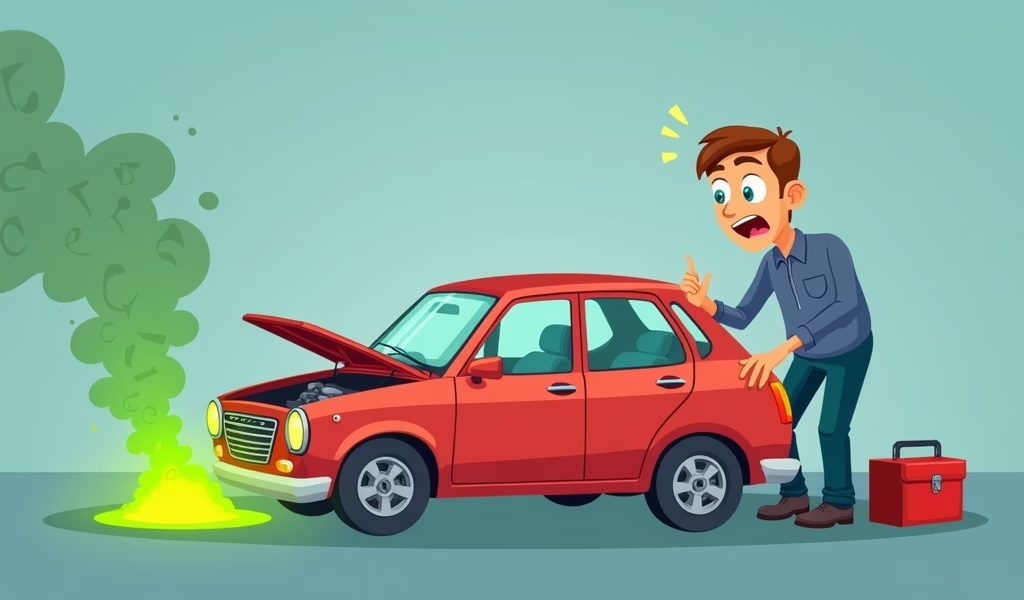
When your car smells like gasoline, it’s not just an unpleasant odor but a potential red flag indicating issues ranging from a loose gas cap to serious fuel leaks that pose safety hazards and waste fuel. Understanding the common causes—whether it’s EVAP system problems, faulty pressure regulators, or deteriorated gaskets—allows you to diagnose the issue properly and determine if it’s a simple DIY fix or requires professional attention before it leads to costly repairs or dangerous situations.
Table of Contents
- Why Does My Car Smell Like Gas? Understanding the Issue
- Common Causes of Gas Smells in Your Vehicle
- Diagnosing the Problem: How to Identify the Source
- DIY Fixes: Addressing Simple Gas Smell Issues
- When to Seek Professional Help
- Prevention Tips: Keeping Your Car Gas-Smell Free
- Safety Concerns: Why You Shouldn’t Ignore Gas Smells
- Conclusion
- Frequently Asked Questions
Why Does My Car Smell Like Gas? Understanding the Issue
That unmistakable whiff of gasoline when you start your car or while driving can be more than just an unpleasant odor—it’s often your vehicle’s way of waving a red flag. If you’re wondering why does my car smell like gas, you’re right to be concerned. As a mechanic with over 15 years of experience, I’ve seen this issue lead to everything from minor repairs to major overhauls when left unchecked.
Gas smells in your vehicle aren’t normal, despite what some might tell you. Fresh gasoline has a strong, distinctive smell that’s hard to miss, and when you notice it inside your cabin or when approaching your parked car, it’s indicating that fuel is escaping from where it should be contained. This isn’t just about an annoying smell—it’s a potential safety hazard and could signal an issue that might be draining your wallet at the pump without you realizing it.
The good news? Many causes of gas smells can be identified and fixed before they turn into expensive repairs. Throughout this guide, we’ll explore why your car might smell like gasoline, how to diagnose the source, when you can fix it yourself, and when it’s time to call in the professionals. Let’s dive into keeping your car smell-free and your repair costs low.
Common Causes of Gas Smells in Your Vehicle
When your car develops that telltale gasoline aroma, several common culprits are usually to blame. Let’s break down the most frequent offenders I encounter in the shop:
Loose Gas Cap
Believe it or not, something as simple as a loose, damaged, or missing gas cap can be the source of your woes. The gas cap creates a seal that prevents fuel vapors from escaping the tank. When it’s not doing its job properly, those vapors find their way out, creating that gas smell especially noticeable near the rear of your vehicle.
A properly functioning fuel system relies on maintaining pressure, and your gas cap plays a crucial role in this. The good news is that this is often the easiest and cheapest fix you’ll encounter.
Fuel Leaks
More concerning are actual fuel leaks, which can occur at various points in your fuel system. These might happen at connection points, in fuel lines, at the fuel rail, or even in the injectors themselves. Age, wear, and tear on rubber components can create small cracks or loose connections where gasoline escapes.
Fuel leaks aren’t just smelly—they’re potentially dangerous and wasteful. Even a small leak can significantly impact your fuel economy while creating a fire hazard underneath your vehicle.
Faulty Fuel Pressure Regulator
The fuel pressure regulator controls how much fuel reaches your engine. When it fails, it can allow too much fuel into the combustion chamber. This excess fuel doesn’t burn completely and exits through your exhaust, creating that gas smell, often most noticeable when accelerating or after turning off your engine.
A failing regulator might also cause rough idling, engine misfires, or decreased fuel efficiency. According to EPA research, fuel system issues can reduce your vehicle’s efficiency by up to 20%, hitting both your wallet and the environment.
Evaporative Emission Control System (EVAP) Issues
The EVAP system prevents fuel vapors from escaping into the atmosphere. When components like the charcoal canister or purge valve malfunction, those vapors might find their way into your vehicle instead. This often triggers a check engine light along with the gas smell.
Modern vehicles have increasingly complex EVAP systems as emissions standards tighten, making these issues more common in newer cars despite their advanced technology.
Gasket or Seal Problems
Various gaskets and seals throughout your engine keep fluids where they belong. Over time, these can deteriorate, especially in older vehicles or those operated in extreme conditions. Failed gaskets around the fuel injector o-rings, fuel pump, or fuel pressure regulator can all allow fuel to leak or vapors to escape.
Rich Fuel Mixture
If your engine is running “rich” (receiving too much fuel relative to air), the unburned fuel exits through the exhaust. This creates a gas smell often most noticeable at the rear of the vehicle or when idling. A rich condition might result from oxygen sensor problems, fuel injector issues, or even a clogged air filter.
Diagnosing the Problem: How to Identify the Source
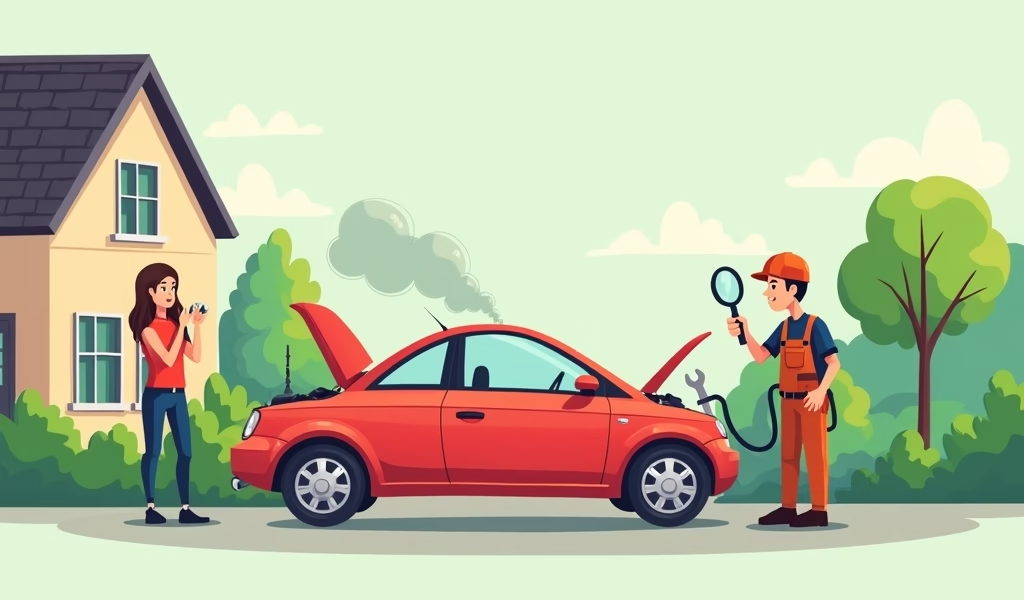
Before you can fix a gas smell, you need to pinpoint where it’s coming from. Here’s my step-by-step approach to diagnosing this common issue:
Start With a Visual Inspection
Begin with the basics—a thorough visual inspection can often reveal obvious problems:
- Check your gas cap first—ensure it clicks securely when tightened
- Examine the ground where you park regularly for wet spots or stains
- Look underneath your vehicle for damp areas or dripping fuel
- Inspect all visible fuel lines for cracks, wetness, or corrosion
Don’t forget to check after your vehicle has been sitting overnight, as small leaks may take time to create visible evidence. Use a flashlight and get a good look at the fuel rail and injectors if accessible—these are common leak points in the fuel injection system.
Use Your Nose
Your sense of smell can be surprisingly accurate in locating the source of a fuel leak:
- If the smell is strongest at the rear of the vehicle, suspect the gas cap, fuel tank, or filler neck
- A strong smell under the hood points to fuel line, injector, or pressure regulator issues
- If the smell is most noticeable inside the cabin through vents, consider EVAP system problems
- A smell that increases during acceleration often indicates an exhaust system leak or rich fuel condition
Check for Error Codes
Modern vehicles are equipped with sensors throughout the fuel system. When something goes wrong, your car’s computer often stores valuable diagnostic information:
- Use an OBD-II scanner to check for any stored error codes
- Look specifically for codes related to the EVAP system, fuel pressure, or oxygen sensors
- Pay special attention to P0440-P0457 codes, which indicate EVAP system issues
Even an inexpensive code reader can provide crucial clues about where to focus your troubleshooting efforts. According to CarMD’s Vehicle Health Index, fuel system issues account for nearly 20% of check engine light activations.
Pressure Test the Fuel System
For more elusive leaks, a fuel system pressure test might be necessary:
- A fuel pressure gauge can identify if your system is maintaining proper pressure
- Falling pressure when the engine is off indicates a leak somewhere in the system
- Abnormal pressure readings while running can point to regulator or pump issues
While this requires specialized tools, many auto parts stores loan or rent these tools for DIY diagnostics.
Smoke Test the EVAP System
For suspected EVAP leaks that aren’t readily visible:
- A smoke test introduces harmless smoke into the fuel system under slight pressure
- Escaping smoke reveals the exact location of even tiny leaks
- This test is particularly effective for finding EVAP system and gas cap seal issues
While smoke testing is typically done by professionals, the results are highly accurate and can save money by targeting repairs precisely.
DIY Fixes: Addressing Simple Gas Smell Issues
Now that you’ve identified the potential source of that gas smell, let’s look at what you can safely fix yourself to avoid costly repair bills:
Gas Cap Replacement
If your inspection revealed a damaged, loose, or missing gas cap, you’re in luck—this is the simplest fix of all:
- Purchase a replacement cap designed specifically for your vehicle make and model
- Remove the old cap and install the new one, ensuring it clicks several times when tightening
- Clear any related check engine codes with an OBD-II scanner
- Drive normally for a few days and check if the smell disappears
A quality gas cap typically costs between $10-30 and can resolve up to 25% of fuel smell issues. Make sure you’re getting an OEM or high-quality replacement cap—cheap alternatives often don’t seal properly.
Fuel Line Inspection and Tightening
Sometimes connections just need a bit of attention:
- Check all accessible fuel line connections for tightness
- Inspect rubber fuel lines for cracks, hardening, or deterioration
- Gently tighten any loose clamps or fittings (but don’t over-tighten)
- Replace any visibly damaged fuel lines with the correct size and type
If you spot deteriorated fuel lines, remember that all fuel system components have specific pressure ratings. Always replace with fuel-rated lines appropriate for your vehicle’s specifications to avoid creating a dangerous situation.
Air Filter Replacement
A clogged air filter can cause your engine to run rich, leading to that gas smell:
- Locate and remove your engine’s air filter (typically in a plastic housing atop the engine)
- Inspect it for excessive dirt, debris, or oil contamination
- Replace with a new filter if it’s dirty (follow manufacturer recommendations for intervals)
- Ensure the housing is properly sealed when reinstalling
This simple maintenance task costs around $15-30 for most vehicles and can improve both the smell and your fuel economy by up to 10% if the filter was significantly clogged.
EVAP Canister Purge Valve Check
For the moderately skilled DIYer with some basic tools:
- Locate the purge valve (consult your owner’s manual for positioning)
- Disconnect the electrical connector and any attached vacuum lines
- Test the valve by applying vacuum and checking if it holds or leaks
- Replace the valve if testing indicates failure
A new purge valve typically costs $30-100 depending on your vehicle, but replacing it yourself can save $100-200 in labor costs. This component is often accessible without extensive disassembly on many vehicles.
O-Ring Replacement
Fuel injector o-rings commonly deteriorate and cause small fuel leaks:
- Locate the fuel injectors (typically visible on top of the engine with electrical connectors)
- Properly relieve fuel system pressure before removal (extremely important for safety)
- Carefully remove the injectors and replace the rubber o-rings
- Apply a light coat of clean oil to the new o-rings before reinstallation
This repair requires intermediate mechanical skills but can resolve persistent fuel smells for the cost of a few dollars in parts. Just remember that working with fuel systems requires careful attention to safety procedures—always relieve pressure first and have a fire extinguisher nearby.
When to Seek Professional Help
While DIY repairs can save money, some fuel system issues require professional expertise. Here’s when to call in the pros:
Hidden or Extensive Fuel Leaks
If you’ve inspected all visible components but still can’t locate the source of the smell, or if you’ve found evidence of leakage in hard-to-reach areas, it’s time for professional help. Technicians have specialized equipment like borescopes and pressure testers that can pinpoint leaks in components tucked away inside the vehicle.
Some fuel system components are buried under intake manifolds or require partial disassembly of the engine to access properly. In these cases, a professional shop has both the tools and expertise to make repairs safely and efficiently.
Fuel Pump Issues
When diagnosing points to a failing fuel pump, professional service is usually the wisest choice. The fuel pump is typically located inside the fuel tank and requires specialized tools and procedures to replace safely. Attempting this repair without proper equipment creates unnecessary fire risks and can result in improper installation.
Additionally, many common engine faults related to fuel delivery require precise diagnostic equipment to differentiate between pump, regulator, or filtration issues. A professional can conduct pressure and volume tests that aren’t feasible for most home mechanics.
Persistent Check Engine Lights
If your vehicle keeps throwing fuel system codes despite your DIY efforts, a professional scan with advanced diagnostic equipment can often reveal underlying issues that basic code readers miss. Modern vehicles have sophisticated adaptive fuel management systems that sometimes require professional-grade equipment to properly diagnose.
Technicians can access manufacturer-specific codes and data that generic scanners can’t read, providing crucial information for an accurate diagnosis. This is particularly important for newer vehicles with complex emissions control systems.
EVAP System Complexities
The evaporative emissions system in modern vehicles consists of multiple valves, sensors, and control modules that work together to manage fuel vapors. When this system malfunctions, professional diagnosis with specialized equipment like smoke machines can precisely identify failure points without costly guesswork.
According to data from the Bureau of Labor Statistics, emissions system repairs have become increasingly specialized, with technicians now requiring specific training for these complex systems.
After an Accident or Impact
If you notice gas smells after your vehicle has been in an accident or struck an object, immediate professional inspection is warranted. Impact can damage fuel lines, tanks, and connections in ways that aren’t immediately visible but could pose serious safety hazards.
Even minor impacts can shift fuel system components or create pinhole leaks that worsen over time. Professional inspection can identify these issues before they develop into more serious problems.

Prevention Tips: Keeping Your Car Gas-Smell Free
An ounce of prevention is worth a gallon of cure—especially when it comes to fuel system issues. Here’s how to keep gas smells from becoming a problem in the first place:
Maintain a Regular Service Schedule
Preventive maintenance remains your best defense against developing fuel system problems:
- Follow manufacturer-recommended maintenance intervals for fuel system service
- Replace fuel filters according to your vehicle’s maintenance schedule
- Have fuel injectors professionally cleaned every 30,000-60,000 miles
- Keep your engine properly tuned to prevent rich running conditions
Regular maintenance might seem like an expense, but it’s significantly cheaper than major repairs. A simple fuel system cleaning service typically costs $100-200 but can prevent issues that might cost ten times as much to fix later.
Use Quality Fuel
Not all gasoline is created equal, and your choice at the pump matters:
- Purchase fuel from reputable stations with high turnover
- Use the octane rating recommended for your specific vehicle
- Consider using Top Tier detergent gasolines that help keep fuel systems cleaner
- Avoid gas stations that appear poorly maintained or have recently received fuel deliveries (which can stir up sediment)
Higher quality fuels typically contain better detergent packages that help keep your fuel system clean. While they might cost slightly more per gallon, the long-term benefits for system longevity often outweigh the minor price difference.
Check for Leaks Regularly
Make fuel system checks part of your routine vehicle inspection:
- Periodically inspect the area where you park for fuel spots or stains
- Take a moment to visually check fuel lines and connections when changing oil or performing other maintenance
- Pay attention to any changes in fuel economy, which can indicate developing problems
- Investigate any fuel smells immediately rather than allowing them to persist
Early detection of small issues can prevent them from developing into major problems. Many catastrophic fuel system failures begin as minor leaks that would have been simple to address if caught early.
Proper Refueling Habits
How you fill your tank can affect your fuel system’s health:
- Always tighten the gas cap until it clicks several times
- Avoid overfilling your tank beyond the automatic shutoff
- Don’t “top off” the tank after the pump stops
- Be careful not to spill fuel on your vehicle during refueling
Overfilling can overwhelm the EVAP system and lead to activated charcoal saturation, eventually causing system failure and gas smells. The few extra cents of fuel aren’t worth the potential repair costs.
Safety Concerns: Why You Shouldn’t Ignore Gas Smells
While we’ve focused on diagnostics and repairs, it’s crucial to understand why addressing gas smells promptly is so important for your safety:
Fire and Explosion Risk
Gasoline vapors are highly flammable and can ignite with minimal provocation. A fuel leak near hot engine components, electrical connections, or the exhaust system creates a serious fire hazard. Even small leaks can vaporize and accumulate in confined spaces like engine compartments or underneath vehicles.
The ignition temperature of gasoline is approximately 495°F (257°C), well below the operating temperature of many engine components. This means even a small leak near a hot exhaust manifold could potentially trigger a vehicle fire.
Health Concerns
Extended exposure to gasoline fumes can cause health problems ranging from headaches and dizziness to more serious respiratory issues. Benzene, a component of gasoline, is a known carcinogen that can pose long-term health risks with repeated exposure.
Children, elderly individuals, and those with respiratory conditions are particularly vulnerable to the effects of fuel vapors. Never drive with persistent gas smells, especially with these sensitive passengers on board.
Environmental Impact
Beyond personal safety, fuel leaks have environmental consequences. Spilled gasoline can contaminate soil and water systems, causing ecological damage and potentially affecting groundwater supplies. Even small leaks, when multiplied across many vehicles, contribute significantly to environmental pollution.
The EPA estimates that evaporative emissions from vehicles contribute significantly to ground-level ozone, a key component of smog that affects air quality in many urban areas.
Vehicle Performance Issues
A fuel leak or vapor problem doesn’t just create smell issues—it often impacts your vehicle’s performance. You might experience:
- Reduced fuel economy as your money literally evaporates away
- Engine hesitation or rough running due to improper fuel delivery
- Hard starting or stalling if fuel pressure cannot be maintained
- Check engine light activation and potential for additional damage
These performance issues can leave you stranded or create unsafe driving conditions, especially in high-speed or heavy traffic situations where reliable acceleration is critical for safety.
Conclusion
When your car smells like gas, it’s sending you an important message that shouldn’t be ignored. From simple fixes like tightening a gas cap to more complex issues requiring professional intervention, addressing the source of fuel odors promptly can save you money, protect your safety, and prevent more serious problems down the road.
Remember that many gas smell issues have relatively simple solutions when caught early. By understanding the common causes, performing basic diagnostics, and knowing when to seek professional help, you can approach this problem methodically rather than panic at the first whiff of gasoline.
Regular maintenance remains your best defense against developing fuel system issues in the first place. Cultivating good habits—like using quality fuel, checking for leaks regularly, and following manufacturer service schedules—can significantly reduce your chances of experiencing gas smells and the repairs that come with them.
Whether you’re a DIY enthusiast or prefer to leave fuel system work to the professionals, being an informed vehicle owner allows you to make smart decisions that protect both your wallet and your safety. After all, that gas smell isn’t just an inconvenience—it’s your vehicle trying to tell you something important.
Frequently Asked Questions
Is it dangerous to drive a car that smells like gas?
Yes, it can be dangerous as fuel leaks create fire hazards and health risks from fume inhalation. If the smell is strong or persistent, have the vehicle towed to a repair facility rather than driving it.
How much does it typically cost to fix a gas smell issue?
Repairs range from $15 for a gas cap to over $1,000 for major fuel system components. Early diagnosis typically results in less expensive repairs.
Can a gas smell mean something other than a fuel leak?
Yes, it could indicate an EVAP system problem, rich fuel mixture, or even spilled gasoline on exterior surfaces. Not all gas smells indicate active leaks.
Will my check engine light always come on if there’s a fuel leak?
Not necessarily. Some leaks occur in areas without sensors, particularly physical cracks in lines or connections. Never ignore a gas smell even without warning lights.
How long after fixing a fuel leak will the smell go away?
The smell should dissipate within 1-2 days after a proper repair. If it persists longer, you likely have additional leaks or spilled fuel that hasn’t evaporated yet.