
Overview
That mysterious EGR valve illuminating your dashboard actually serves as your engine’s environmental guardian, reducing harmful emissions by recirculating exhaust gases to lower combustion temperatures. When it fails—often due to carbon buildup—you’ll notice symptoms like rough idling and decreased performance, requiring either cleaning or replacement to restore proper function and prevent more expensive damage down the road.
Table of Contents
- What is an EGR Valve?
- How Does an EGR Valve Work?
- Signs of a Failing EGR Valve
- Causes of EGR Valve Failure
- Diagnosing EGR Valve Problems
- Repair or Replace: What’s Your Best Option?
- Preventing EGR Valve Issues
- Cost of EGR Valve Replacement
- Conclusion
- Frequently Asked Questions
What is an EGR Valve?
That check engine light just illuminated your dashboard, and now your mechanic is talking about something called an “EGR valve.” If you’re scratching your head wondering what this mysterious component is and why it might cost hundreds to fix, you’re not alone.
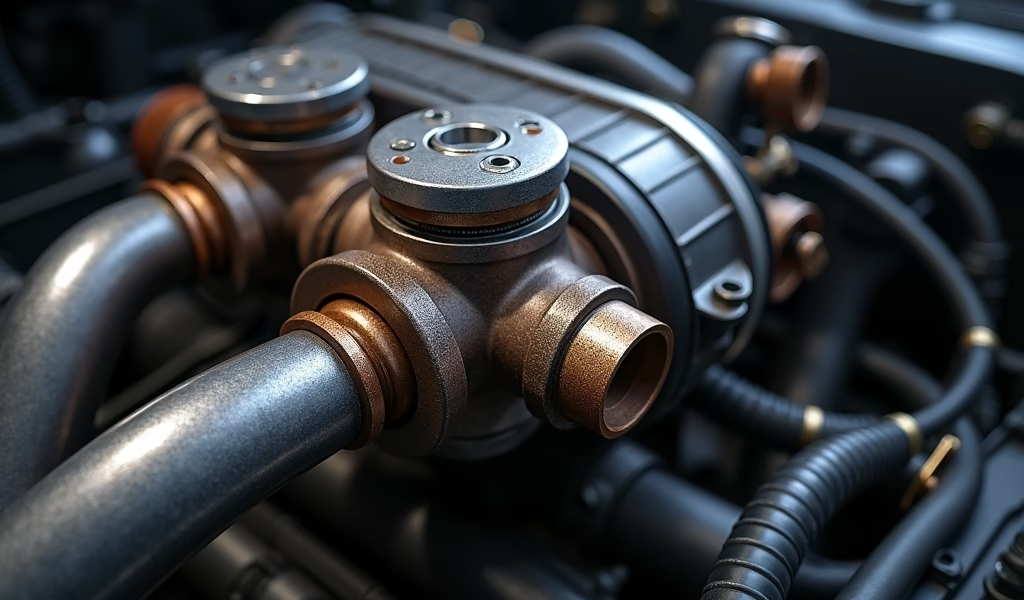
An EGR valve, or Exhaust Gas Recirculation valve, is a crucial emissions control device found in most modern vehicles. It’s designed to reduce nitrogen oxide (NOx) emissions, those nasty pollutants that contribute to smog and air quality problems. Think of it as your car’s way of being environmentally responsible while still delivering the performance you expect.
Located somewhere between your engine’s intake and exhaust manifolds, this small but mighty component works by redirecting a portion of exhaust gases back into the combustion chamber. By doing this, it lowers the combustion temperature inside your engine, which is key to reducing those harmful NOx emissions.
There are two main types of EGR valves you’ll encounter:
- Vacuum-operated EGR valves (found in older vehicles)
- Electronic EGR valves (common in modern vehicles)
The vacuum-operated versions are simpler mechanical devices controlled by engine vacuum, while electronic EGR valves use sophisticated solenoids and sensors controlled by your vehicle’s computer for more precise operation. As car engines have evolved over the years, so too has EGR valve technology.
How Does an EGR Valve Work?
The magic of an EGR valve lies in its elegant simplicity. During combustion, your engine typically burns a mixture of fuel and fresh air. When temperatures get too high (around 2500°F/1370°C), nitrogen in the air reacts with oxygen to form nitrogen oxides – those pollutants we’re trying to avoid.
Here’s where the EGR valve steps in. By recirculating a small amount of exhaust gas (which doesn’t burn) back into the combustion chamber, it essentially dilutes the air-fuel mixture. This clever dilution lowers the combustion temperature below the threshold where NOx forms, typically to around 2000°F (1093°C).
Your car’s computer is constantly calculating exactly how much exhaust gas to recirculate. During idle or low-speed driving, the valve remains mostly closed since NOx production is already low. But during steady cruising or moderate acceleration, the valve opens more to provide maximum emission benefits.
Modern electronic EGR systems are remarkably sophisticated, using various sensors to monitor:
- Engine temperature
- Engine load
- Throttle position
- Vehicle speed
This data allows for precise control of the valve position, optimizing both emissions control and performance. According to the Environmental Protection Agency, properly functioning EGR systems can reduce NOx emissions by up to 50%, which is why maintaining your EGR valve is both an environmental and legal necessity.
Signs of a Failing EGR Valve
Your vehicle has ways of telling you when the EGR valve isn’t happy, and knowing these warning signs can save you from more expensive repairs down the road. Here’s what to watch for:
First and foremost, that annoying check engine light. Modern vehicles monitor EGR function closely, and when something’s amiss, your dashboard will let you know. Specific trouble codes like P0400-P0409 typically point to EGR-related issues.
Notice your car idling roughly when you’re stopped at traffic lights? A stuck-open EGR valve allows too much exhaust gas into the combustion chamber at idle, causing that distinctive rough or surging idle. In severe cases, your engine might even stall completely.
If you’ve been making more frequent trips to the gas station, a failing EGR valve might be the culprit behind your decreased fuel efficiency. Improper exhaust gas recirculation throws off the optimal air-fuel ratio that your fuel injection system is designed to maintain.
That knocking or pinging sound during acceleration isn’t just annoying – it’s your engine telling you something’s wrong. When the EGR valve fails to open properly, combustion temperatures rise, potentially causing that metallic knocking sound, especially when climbing hills or accelerating.
Failed emissions tests are another telltale sign. If your vehicle recently flunked its emissions check with high NOx readings, your EGR system is a prime suspect. This is particularly common in areas with strict emissions testing.
Perhaps the most obvious sign is poor performance. A malfunctioning EGR valve can cause hesitation during acceleration, reduced power output, and that frustrating feeling that your car just isn’t driving like it used to.
Causes of EGR Valve Failure
EGR valves don’t fail randomly – there are specific culprits that lead to their demise. Understanding these causes can help you prevent problems before they start.
Carbon buildup is the number one enemy of EGR valves. Over time, carbon deposits from exhaust gases accumulate on the valve and in the passages, restricting or blocking flow. This is especially problematic in vehicles driven primarily for short trips that never fully warm up.
Mechanical failures happen too. The valve can become physically stuck in either the open or closed position due to damaged components within the valve assembly. This is more common in older vehicles or those with high mileage.
For electronic EGR valves, electrical issues are a frequent cause of malfunction. Damaged wiring, corroded connections, or failed sensors can prevent proper operation even when the mechanical parts are fine. These electrical gremlins can be particularly tricky to diagnose.
Vacuum line problems plague older systems with vacuum-operated EGR valves. Cracked, disconnected, or clogged vacuum lines prevent proper valve actuation. A visual inspection of these lines can often reveal issues.
Poor maintenance practices accelerate EGR valve failure. Skipping regular oil changes, using low-quality fuel, or ignoring manufacturer-recommended service intervals all contribute to premature EGR system problems.
According to CarMD’s Vehicle Health Index, EGR-related issues consistently rank among the top 10 causes of check engine lights, highlighting just how common these problems are in modern vehicles.
Diagnosing EGR Valve Problems
Before you rush to replace that EGR valve, it’s worth taking some diagnostic steps to confirm it’s actually the culprit. Here’s how professionals approach the problem:
Start with a proper code scan if your check engine light is on. While generic code readers from auto parts stores can give you basic information, a professional-grade scanner provides much more detailed data about how the EGR system is functioning. Specific codes like P0401 (insufficient EGR flow) or P0402 (excessive EGR flow) point directly to EGR issues.
A visual inspection can tell you a lot. Remove the EGR valve (if accessible) and check for visible carbon buildup or damage. A properly functioning valve should move freely when actuated and show no signs of excessive carbon deposits.
For electronic EGR valves, measuring electrical resistance with a multimeter can help determine if the solenoid is functioning correctly. Most valves have a specific resistance range (typically between 8-13 ohms) that indicates proper operation.
A vacuum test works well for older-style EGR valves. By applying vacuum to the valve with a hand pump, you can observe if the valve opens and holds vacuum as designed. If it doesn’t hold vacuum or fails to open, replacement is likely necessary.
Sometimes, what seems like an EGR problem might actually be caused by related components. Diagnosing engine faults requires a systematic approach. Check for clogged EGR passages, damaged gaskets, faulty temperature sensors, or problems with the vehicle’s computer before condemning the valve itself.
Repair or Replace: What’s Your Best Option?
You’ve diagnosed an EGR valve problem – now comes the big question: should you clean it, repair it, or replace it entirely? The answer depends on several factors.
Cleaning is often worth trying first, especially when dealing with carbon buildup. For moderate deposits, specialized EGR cleaners can dissolve carbon without requiring valve removal. More stubborn buildup might require removing the valve and cleaning it manually with appropriate solvents. Just be careful not to damage any electronic components or gasket surfaces in the process.
Mechanical issues usually call for replacement rather than repair. Unfortunately, most EGR valves are not designed to be repaired internally, and attempting to do so often results in more problems. If the valve is physically damaged or stuck, replacement is typically your best bet.
For electronic EGR valves, sometimes the issue lies in the electrical connections rather than the valve itself. Check for corroded terminals, damaged wiring, or loose connections before replacing the entire valve assembly. Simple electrical repairs are much less expensive than full replacement.
When weighing your options, consider the age and value of your vehicle. For older cars with high mileage, investing in a premium OEM valve might not make financial sense. In these cases, a quality aftermarket replacement often provides the best value. Conversely, for newer vehicles you plan to keep long-term, OEM parts typically offer the best performance and durability.
According to the American Automobile Association, preventative maintenance like timely EGR valve service can reduce overall vehicle ownership costs by preventing more extensive damage – something to consider before putting off that repair.
Preventing EGR Valve Issues
An ounce of prevention is worth a pound of cure, especially when it comes to EGR valves. Here’s how you can extend the life of this crucial component:
Regular maintenance is your first line of defense. Follow your manufacturer’s recommended service intervals for EGR system inspection and cleaning. This is typically every 30,000 to 50,000 miles, though it varies by vehicle.
Your driving habits significantly impact EGR valve health. Short trips where the engine never fully warms up accelerate carbon buildup. Try to combine errands into longer trips when possible, and occasionally take your vehicle for a good highway run to help clean out the system.
Fuel quality matters more than you might think. Premium fuels typically contain more detergents that help keep your engine and EGR system cleaner. While you don’t need premium all the time, using it occasionally can help reduce carbon accumulation.
Consider periodic use of quality fuel system cleaners that are specifically designed to reduce carbon deposits. These products can help maintain not just your EGR system but your entire engine. Just be sure to follow the product instructions carefully.
Don’t ignore early warning signs. If you notice your engine running rough or your check engine light illuminates, addressing the issue promptly can prevent a simple cleaning job from turning into a full replacement.
Keep your engine properly tuned. A well-maintained engine with properly functioning ignition components and fuel injectors produces fewer carbon deposits, reducing stress on your EGR system.
Cost of EGR Valve Replacement
Let’s talk money – what should you expect to pay for EGR valve service or replacement? The cost varies widely depending on your vehicle make, model, and where you have the work done.
For a professional cleaning service, expect to pay between $70-$200. This service typically includes removing the valve, cleaning it thoroughly, and reinstalling it with new gaskets. It’s a good value if your valve is merely dirty but not mechanically damaged.
Replacement costs are more substantial. The part itself ranges from $70-$490, with luxury and European vehicles typically at the higher end of that spectrum. Diesel EGR valves are also generally more expensive than their gasoline counterparts.
Labor adds another $50-$350, depending on your vehicle’s design and how difficult the valve is to access. Some valves can be replaced in under an hour, while others require significant disassembly of surrounding components.
DIY replacement can save you the labor costs if you’re mechanically inclined. However, it requires proper tools, the ability to access the valve, and confidence in working with potentially sensitive electronic components. The complexity varies dramatically by vehicle model.
The real cost to consider, though, is what happens if you ignore EGR problems. Potential consequential damages include:
- Catalytic converter failure ($600-$2,500)
- Increased engine wear from higher combustion temperatures
- Failed emissions tests leading to registration problems
- Decreased fuel economy
When viewed in this light, timely EGR valve maintenance or replacement becomes a wise investment rather than an unwelcome expense.
Conclusion
Your EGR valve might seem like an obscure part tucked away in your engine bay, but its impact on your vehicle’s performance, efficiency, and environmental footprint is significant. Understanding what this component does and recognizing the signs of trouble can save you from costly repairs and headaches down the road.
Remember, proper maintenance is key. Regular cleaning, quality fuel, and addressing problems early can extend your EGR valve’s life considerably. Whether you choose DIY maintenance or professional service, staying proactive about EGR health is always the wisest approach.
When replacement becomes necessary, weigh your options carefully. Consider the age and value of your vehicle, the quality of replacement parts available, and the potential consequences of cutting corners. Sometimes spending a bit more upfront for quality parts and proper installation saves money in the long run.
As vehicles continue to evolve with more stringent emissions standards, EGR systems will remain a critical component of engine design. Taking care of this small but mighty valve isn’t just about avoiding repair bills – it’s about keeping your vehicle running cleanly, efficiently, and reliably for years to come.
Frequently Asked Questions
What happens if I ignore a failing EGR valve?
Ignoring a failing EGR valve can lead to reduced fuel economy, failed emissions tests, and potential engine damage. You may also experience rough idling, stalling, and decreased power.
How often should an EGR valve be cleaned?
Most mechanics recommend cleaning your EGR valve every 30,000 to 50,000 miles. Vehicles driven primarily in stop-and-go traffic may need more frequent cleaning.
Can I clean my EGR valve without removing it?
Yes, you can clean an EGR valve without removal using specialized EGR cleaning sprays. However, severe carbon buildup will typically require removal for proper cleaning.
How long does an EGR valve typically last?
Most EGR valves last between 50,000 to 80,000 miles under normal conditions. Driving habits, maintenance, and fuel quality all affect this lifespan.
Will a bad EGR valve cause my check engine light to come on?
Yes, a malfunctioning EGR valve will typically trigger the check engine light. Modern engine management systems monitor EGR function and detect when it’s not working properly.