

Overview
Like having a car with two hearts, hybrid engines combine a conventional gasoline engine with an electric motor to deliver better efficiency while requiring specialized but often less frequent maintenance than traditional vehicles. Modern hybrids seamlessly switch between power sources, capture energy through regenerative braking, and with proper care can provide hundreds of thousands of reliable miles—though finding a mechanic familiar with hybrid technology remains an important consideration for owners.
Table of Contents
- Understanding Hybrid Engines: The Basics
- How Hybrid Engines Work: A Mechanic’s Explanation
- Types of Hybrid Systems: Which One Is Right for You?
- Hybrid Maintenance Tips: Keeping Your System Running Smoothly
- Common Hybrid Issues and How to Avoid Them
- Hybrid Battery Care: Extending Lifespan and Avoiding Expensive Replacements
- Hybrid vs. Conventional Engines: Maintenance Differences
- Conclusion: Are Hybrid Engines Worth It?
- Frequently Asked Questions
Understanding Hybrid Engines: The Basics
When customers ask me “what is a hybrid engine?” I always start with the basics. A hybrid engine combines two power sources: a conventional gasoline engine and an electric motor powered by a battery pack. This combination delivers the best of both worlds – the reliable power and range of a gas engine with the efficiency and reduced emissions of an electric motor.
As a mechanic with 15 years of experience working on both conventional and hybrid vehicles, I’ve watched hybrid technology evolve from a niche curiosity to mainstream transportation. The beauty of a hybrid system is how it seamlessly switches between power sources or uses them simultaneously depending on driving conditions.
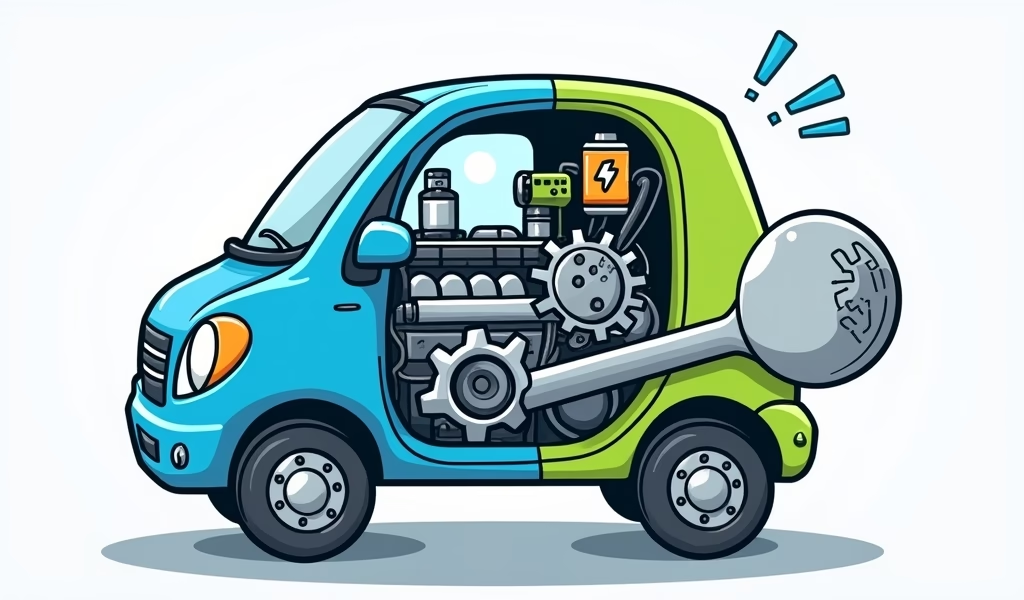
Think of a hybrid engine as having two hearts. When you need quick acceleration or are climbing hills, both the gasoline engine and electric motor work together to provide power. During steady highway cruising, the gas engine does most of the work. And in stop-and-go traffic, many hybrids can operate on electric-only power, saving fuel and reducing emissions.
The technology behind how hybrid and electric powertrains work has become incredibly sophisticated, yet remarkably reliable. In my shop, we typically see fewer mechanical issues with hybrids compared to conventional vehicles, though the repairs can be more specialized when they do occur.
How Hybrid Engines Work: A Mechanic’s Explanation
Let me break down how hybrid engines work in everyday terms. The system constantly makes decisions about which power source to use based on driving conditions, battery charge, and your driving style. It’s like having a smart assistant managing your car’s energy use in real time.
The gas engine in a hybrid is generally smaller and more efficient than in conventional cars. It works in partnership with an electric motor (or sometimes multiple motors) that provides supplemental power when needed. This setup allows the gas engine to operate in its most efficient range more often.
One of the most ingenious aspects of hybrid technology is how regenerative braking works. When you slow down or brake in a hybrid, the electric motor works in reverse, acting as a generator to capture energy that would otherwise be lost as heat. This energy gets stored in the battery for later use, essentially recycling your car’s momentum.
The power management system is truly the brain of the operation. It controls when to use the gas engine, when to use the electric motor, when to use both, and when to charge the battery. Modern hybrids make thousands of calculations per second to optimize efficiency, something that researchers at the Department of Energy have studied extensively.
Another key component is the hybrid transmission. Unlike conventional automatic transmissions with fixed gear ratios, many hybrids use continuously variable transmissions (CVTs) or specialized hybrid transmissions that optimize the power delivery from both the engine and motor. This contributes significantly to the smooth, quiet ride that hybrid drivers appreciate.
Types of Hybrid Systems: Which One Is Right for You?
Not all hybrid engines are created equal. Over the years, manufacturers have developed different approaches to hybrid technology, each with distinct advantages. Understanding these differences can help you choose the right system for your driving needs and avoid potential maintenance headaches down the road.
Parallel Hybrids
The most common type, parallel hybrids can power the wheels with the gas engine and electric motor simultaneously. Toyota’s Hybrid Synergy Drive (found in the Prius and other models) is a well-known example. These systems are generally very reliable and have been refined over many generations.
Series Hybrids
In a series hybrid, the gasoline engine never directly powers the wheels. Instead, it acts solely as a generator to produce electricity for the electric motor that drives the car. The Chevrolet Volt (in certain driving modes) and BMW i3 with range extender operated this way. These systems excel in stop-and-go driving but can be less efficient at highway speeds.
Plug-in Hybrids (PHEVs)
Plug-in hybrids feature larger battery packs that can be charged from an external power source, allowing for extended electric-only driving (typically 20-50 miles) before the gas engine activates. The Ford Escape PHEV and Toyota RAV4 Prime are popular examples. These systems offer excellent fuel economy for drivers who can charge regularly, but the additional complexity means more components that could potentially need service.
Mild Hybrids
Mild hybrids have smaller electric motors and batteries that can’t power the car independently. Instead, they provide supplemental power during acceleration and enable automatic start-stop systems. Honda’s early Integrated Motor Assist and many modern vehicles with 48-volt systems fall into this category. These systems are generally less expensive but offer more modest fuel economy improvements.
When choosing a hybrid, consider your typical driving patterns. For mostly city driving with frequent stops, a strong parallel or series hybrid excels. For mixed driving with access to charging, a plug-in hybrid offers the most flexibility. And if you’re primarily a highway driver, a mild hybrid might provide adequate efficiency without the extra cost.
In my shop, we’ve found that Toyota and Honda parallel hybrids tend to have the fewest reliability issues, while some early plug-in hybrids faced more complex repair scenarios. That said, all major manufacturers have made significant strides in hybrid reliability in recent years.
Hybrid Maintenance Tips: Keeping Your System Running Smoothly
Maintaining a hybrid vehicle properly is your best defense against costly repairs. The good news is that in some ways, hybrids are actually easier to maintain than conventional vehicles. Here are my top tips after working on hundreds of hybrid vehicles:
- Follow the manufacturer’s maintenance schedule religiously. Hybrid-specific components often have different service intervals than conventional cars.
- Don’t skimp on brake fluid changes. Even though hybrids use their brakes less thanks to regenerative braking, the hydraulic system still needs fresh fluid every 2-3 years to prevent corrosion.
- Keep the cooling system in top shape. Hybrids often have separate cooling systems for the engine and the electric components, and both need proper maintenance.
- Use the correct hybrid-specific transmission fluid when needed. Some hybrids use special fluids that help protect the unique transmission components.
- Monitor your 12-volt auxiliary battery. Even with all the advanced battery technology, hybrids still rely on a conventional 12-volt battery for starting and systems operation.
One maintenance advantage of hybrids is reduced wear on braking components. Thanks to learning how hybrid engines save energy through regenerative braking, many hybrid owners report their brake pads lasting two to three times longer than in conventional vehicles.
Regular software updates are also important for hybrids. Manufacturers periodically release updates that can improve efficiency, fix minor issues, and even extend battery life. Most dealers will check for updates during regular service, but it’s worth asking specifically about them.
Finally, don’t neglect the gasoline engine just because it runs less often. In fact, because the engine may start and stop more frequently in hybrid operation, using high-quality fuel and keeping up with oil changes is particularly important.
Common Hybrid Issues and How to Avoid Them
While hybrids are generally reliable, certain issues tend to crop up more frequently. Based on my years in the shop, here are the most common hybrid-specific problems and how to avoid them:
Hybrid Battery Degradation
The high-voltage battery pack will gradually lose capacity over time, just like your phone battery. While modern hybrids have impressive battery longevity, extreme temperatures and aggressive driving can accelerate degradation. To minimize this, park in moderate temperatures when possible and avoid letting the battery stay at very low charge levels for extended periods.
Inverter/Converter Issues
The power inverter converts DC power from the battery to AC power for the electric motors. It’s a sophisticated component that can occasionally fail, especially in earlier hybrid models. Regular cooling system maintenance helps prevent overheating that can damage these components.
Transmission Peculiarities
Hybrid transmissions often behave differently than conventional automatics, which can sometimes be mistaken for problems. What feels like “slipping” might actually be the system transitioning between power sources. However, genuine transmission issues do occur. Using the proper transmission fluids and having unusual noises or behaviors checked promptly can prevent minor issues from becoming major expenses.
12V Battery Failures
Surprisingly, one of the most common hybrid repairs involves the small, conventional 12V battery. Because the main engine runs less often, the 12V battery may not charge as consistently as in conventional cars. Consider using a trickle charger during long periods of disuse, and be aware that 12V battery failure can cause numerous seemingly unrelated electrical symptoms.
According to Consumer Reports reliability data, modern hybrids generally experience fewer overall problems than their conventional counterparts. The key to avoiding costly repairs is addressing small issues before they become big ones. Unusual noises, warning lights, or performance changes should be investigated promptly by a technician familiar with hybrid systems.
Hybrid Battery Care: Extending Lifespan and Avoiding Expensive Replacements
The high-voltage battery pack is typically the most expensive component in a hybrid vehicle, with replacement costs ranging from $2,000 to $8,000 depending on the model. Fortunately, with proper care, these batteries can last 150,000 miles or more. Here’s how to maximize your hybrid battery’s lifespan:
Drive Regularly
Hybrid batteries don’t like sitting unused for long periods. If possible, drive your hybrid at least once a week. This helps maintain proper charge levels and prevents battery cell imbalance that can occur during extended storage.
Avoid Extreme Battery States
Try not to routinely run the battery extremely low or keep it at 100% charge for extended periods. The battery management system helps prevent this, but your driving patterns make a difference. Moderate use is best for longevity.
Manage Temperature Extremes
Extreme heat is particularly hard on hybrid batteries. Whenever possible, park in shade or garages during hot weather. Similarly, in very cold climates, a garage helps maintain better operating temperatures for the battery system.
Consider Battery Conditioning
Some specialized hybrid service centers offer battery conditioning services that can rejuvenate aging battery packs by balancing cells and removing sulfation. While not inexpensive (typically $500-$1,000), this service can extend battery life and is far cheaper than replacement.
It’s worth knowing that if you do eventually need a battery replacement, you have options beyond the dealership. Refurbished battery packs with warranties are available from third-party specialists at roughly half the cost of new OEM batteries. I’ve had many customers successfully use these alternatives with good results.
For older hybrids approaching the 10-year or 150,000-mile mark, having the battery diagnostically tested annually can help identify potential issues before they lead to roadside failures. Most hybrid-certified shops can perform this test for a reasonable fee.
Hybrid vs. Conventional Engines: Maintenance Differences
As someone who works on both hybrid and conventional vehicles daily, I often get asked about the maintenance differences. Here’s what hybrid owners should know:
What’s Often Easier with Hybrids:
- Brake maintenance is typically reduced due to regenerative braking putting less wear on friction components
- Engine oil changes may be needed less frequently (though you should still follow manufacturer recommendations)
- Starter issues are rare in full hybrids since they often use the electric motor for starting
- Spark plugs and ignition components often last longer due to optimized engine operation
What’s Different (But Not Necessarily Harder):
- Hybrid-specific components require specialized tools and knowledge for service
- High-voltage safety protocols must be followed during certain repairs
- Diagnostic procedures often require hybrid-specific equipment
- Cooling system service might involve multiple systems
One maintenance myth I’d like to dispel is that hybrids always cost more to maintain. Department of Energy studies have shown that over the vehicle’s lifetime, many hybrids actually cost less to maintain than their conventional counterparts, primarily due to reduced wear on friction components and optimized engine operation.
The key difference is that hybrid maintenance requires more specialized knowledge. Finding a shop with hybrid experience or sticking with dealers for service is particularly important during the first few years of hybrid ownership. As these vehicles become more common, more independent shops (like mine) have invested in the training and equipment needed to properly service them.
From a long-term perspective, the hybrid components (battery, motors, inverters) have proven remarkably reliable. While repair costs can be higher if these components fail, the failure rate is quite low compared to many conventional powertrain components.
Conclusion: Are Hybrid Engines Worth It?
After years of working on both conventional and hybrid vehicles, my professional assessment of what is a hybrid engine comes down to this: for most drivers, hybrid technology offers a compelling blend of efficiency, reliability, and reduced environmental impact with fewer maintenance headaches than many assume.
The upfront premium you pay for a hybrid is increasingly offset by fuel savings, potential tax incentives, and often stronger resale value. While specialized repairs can be more expensive when needed, the reduced wear on conventional components like brakes and starters tends to balance the maintenance equation over the vehicle’s lifetime.
Modern hybrid batteries are lasting well beyond their warranty periods, and the market for quality refurbished replacements has helped bring down what was once the biggest financial concern of hybrid ownership. Meanwhile, the driving experience has improved dramatically, with performance that often matches or exceeds conventional alternatives.
If you’re considering a hybrid, do your homework on the specific model you’re interested in. Some manufacturers have more refined and proven hybrid systems than others. And remember that your driving patterns matter – hybrids deliver their best efficiency in mixed and city driving rather than pure highway use.
Finally, finding a mechanic who understands hybrid technology is important. As these vehicles become more mainstream, more shops are gaining the necessary expertise, but it’s still worth asking about hybrid experience specifically.
Hybrid engines represent a thoughtful intermediate step in automotive evolution – combining the best aspects of conventional and electric technology while we transition toward an increasingly electrified transportation future. With proper care and maintenance, today’s hybrids can provide hundreds of thousands of efficient, low-emission miles.
Frequently Asked Questions
What is the difference between a hybrid and a regular car?
A hybrid car combines a gasoline engine with an electric motor and battery, while a regular car relies solely on a gasoline or diesel engine. Hybrids can switch between power sources or use them together to optimize efficiency and performance.
How long do hybrid batteries typically last?
Most modern hybrid batteries last between 150,000-200,000 miles or about 10-15 years of normal use. Many manufacturers offer warranties of 8-10 years on hybrid battery components.
Are hybrid cars more expensive to maintain?
Hybrids often have lower routine maintenance costs due to reduced brake wear and optimized engine operation. While specialized components can be more expensive to repair when they fail, these failures are relatively uncommon.
Can I jump-start a hybrid vehicle?
Yes, hybrid vehicles can be jump-started using their 12V auxiliary battery, similar to conventional vehicles. The high-voltage hybrid battery is a separate system that doesn’t directly affect the starting procedure.
Do hybrid cars charge themselves?
Yes, standard hybrids charge their batteries through regenerative braking and using the engine as a generator. Only plug-in hybrids require external charging to fully replenish their larger battery packs.