

Overview
That mysterious check engine light might just be your mass airflow sensor begging for a simple 30-minute cleaning—a DIY fix that could save you hundreds in unnecessary repair costs. This guide walks you through diagnosing a dirty MAF sensor (which measures airflow for proper fuel mixture), provides step-by-step cleaning instructions, and explains how this small maintenance task can dramatically improve engine performance, fuel economy, and vehicle longevity.
Table of Contents
- The Check Engine Mystery: Could It Be Your Mass Airflow Sensor?
- What Is a Mass Airflow Sensor and What Does It Do?
- 7 Warning Signs Your MAF Sensor Needs Cleaning
- Why Your MAF Sensor Gets Dirty (And How to Prevent It)
- The Benefits of Cleaning Your MAF Sensor
- Step-by-Step Guide to Cleaning Your MAF Sensor
- Common Mistakes to Avoid When Cleaning Your MAF Sensor
- When Cleaning Isn’t Enough: Signs You Need to Replace Your MAF Sensor
- DIY vs. Professional Cleaning: Cost Comparison
- Conclusion: Breathe New Life Into Your Engine
- Frequently Asked Questions
The Check Engine Mystery: Could It Be Your Mass Airflow Sensor?
That dreaded check engine light just popped on, and your car isn’t running quite right. Before you hand over a stack of hard-earned cash to your mechanic, let me share a little secret from my 20+ years in the garage: many times, these symptoms point to a dirty mass airflow sensor.
This small but mighty component often flies under the radar during routine maintenance, yet when it gets dirty, it can mimic serious engine problems. The good news? Cleaning a mass airflow sensor is something you can handle yourself in about 30 minutes with minimal tools, potentially saving you hundreds in repair costs.
I’ve seen countless drivers come into my shop panicking about poor acceleration, rough idling, or stalling – only to discover their MAF sensor just needed a simple cleaning. This guide will walk you through everything you need to know to diagnose, clean, and maintain this crucial component properly.
What Is a Mass Airflow Sensor and What Does It Do?
Think of your mass airflow sensor as your engine’s respiratory specialist. This sophisticated electronic device monitors exactly how much air is entering your engine at any given moment. It’s typically located between your air filter and intake manifold, where it can accurately measure incoming airflow.
The MAF sensor contains a heated element (usually a wire or film) that works on an ingenious principle: as air flows over this heated element, it cools down. The sensor measures how much electrical current is needed to maintain the element’s temperature, which directly correlates to the amount and density of air passing through.
Why does your engine care so much about airflow? Because achieving the perfect air-to-fuel ratio is critical for efficient combustion. Most gasoline engines aim for a 14.7:1 air-to-fuel ratio (the “stoichiometric” ratio). Too much fuel creates a “rich” condition that wastes gas and increases emissions. Too little fuel creates a “lean” condition that reduces power and can potentially damage your engine.
Your engine’s computer (the ECU) uses data from the MAF sensor to calculate precisely how much fuel to inject. Without accurate airflow readings, your engine can’t maintain that perfect balance, leading to all sorts of performance issues. As vehicle sensors go, this one’s a heavy hitter in the importance department.
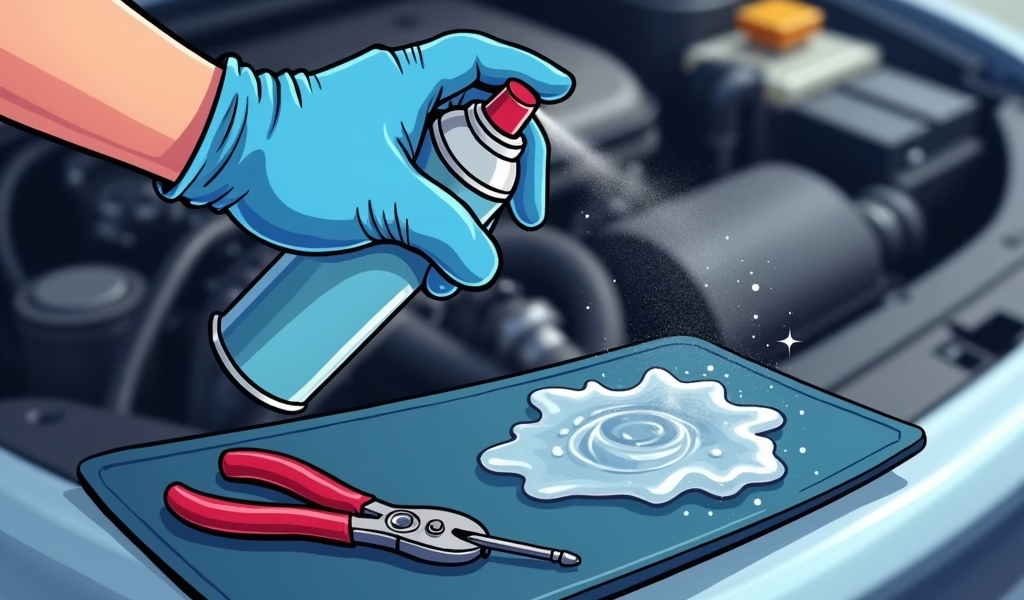
7 Warning Signs Your MAF Sensor Needs Cleaning
After thousands of diagnoses, I’ve found these symptoms consistently point to MAF sensor issues. If you’re experiencing any of these, your mass airflow sensor might be begging for attention:
- Rough idling: Your engine shudders, vibrates, or fluctuates RPM when you’re sitting at a stoplight
- Hesitation during acceleration: You press the gas pedal and there’s a noticeable lag before the car responds
- Stalling: Your engine unexpectedly shuts off, especially when idling or during quick transitions between accelerating and braking
- Poor fuel economy: Your MPG drops noticeably for no apparent reason
- Check engine light: Particularly with codes P0100-P0104 (MAF circuit issues) or P0171-P0174 (fuel trim too lean/rich)
- Engine surging: RPMs rise and fall unexpectedly without changes in throttle position
- Hard starting: Your engine takes multiple attempts to start, especially when warm
What makes diagnosis tricky is that these symptoms can mimic other issues. That’s why understanding car diagnostics is valuable – it helps you distinguish between similar-looking problems. If you’re experiencing several symptoms from this list, especially after driving in dusty conditions or changing your air filter, the MAF sensor should be high on your suspect list.
According to the CarMD Vehicle Health Index, MAF sensor issues consistently rank among the top 10 check engine light triggers, with an average repair cost of $336 when handled professionally.
Why Your MAF Sensor Gets Dirty (And How to Prevent It)
Despite its importance, your MAF sensor is surprisingly vulnerable to contamination. Here’s what causes it to get dirty:
- Normal airborne particles: Even with a quality air filter, microscopic dust and debris eventually make their way past the filter and onto the sensor
- Oil from aftermarket air filters: Some performance filters use oil that can migrate to the sensor, creating a sticky surface that attracts more contaminants
- Environmental conditions: Driving in dusty areas, construction zones, or heavily polluted regions accelerates contamination
- Leaks in the intake system: Cracks or loose connections in your air intake can allow unfiltered air to bypass the air filter
- Oil vapors from the PCV system: In vehicles with worn engine seals or PCV issues, oil vapors can contaminate the sensor
Prevention is always easier than cure. To extend the life of your MAF sensor:
Replace your air filter according to schedule (typically every 15,000-30,000 miles), but check it more frequently if you drive in dusty conditions. Don’t wait until it looks completely clogged – even a partially dirty filter allows more contaminants through.
If you use a reusable performance air filter, be extremely careful during cleaning and re-oiling. Apply only the minimum amount of oil recommended by the manufacturer, and allow it to dry completely before reinstallation.
Periodically inspect your entire air intake system for cracks, loose clamps, or damaged gaskets that might allow unfiltered air to bypass your air filter. This simple check can prevent accelerated contamination.
Consider cleaning your MAF sensor preventively every other time you change your air filter. This maintenance rhythm helps catch contamination before it affects performance.
The Benefits of Cleaning Your MAF Sensor
Taking 30 minutes to clean your MAF sensor can deliver impressive results. Based on hundreds of before-and-after comparisons in my shop, here’s what you can typically expect:
- Improved fuel economy: Many drivers see a 5-15% improvement in MPG after cleaning a dirty MAF sensor
- Restored power and acceleration: Your engine can finally get the correct fuel mixture throughout the RPM range
- Smoother idle: The annoying vibrations and fluctuations disappear as your engine receives consistent air-fuel delivery
- Fewer emissions: A properly functioning MAF sensor helps your engine run cleaner, potentially helping you pass emissions tests
- Extended engine life: Correct air-fuel ratios reduce stress on engine components and help prevent premature wear
- Significant cost savings: Spending $10 on cleaner can save you $300+ in unnecessary parts and labor
The performance difference can be genuinely dramatic. I’ve had customers describe it as “like driving a new car” after we cleaned their heavily contaminated sensors. While results vary depending on how dirty your sensor was to begin with, most drivers notice at least some improvement immediately.
Research from the Department of Energy confirms that maintaining proper air-fuel ratios through clean sensors and filters can improve fuel economy by up to 10%, which means your small investment in MAF sensor cleaning pays for itself quickly.
Step-by-Step Guide to Cleaning Your MAF Sensor
Let’s roll up our sleeves and get that sensor clean. Follow these steps carefully to avoid damaging this sensitive component:
What You’ll Need:
- MAF sensor cleaner spray (specifically designed for this purpose)
- Basic screwdriver set
- Clean, lint-free cloth
- Disposable gloves (optional but recommended)
Step 1: Preparation
Start with a cool engine – never attempt this with a hot engine. Turn off the ignition and remove your keys. For extra safety, disconnect the negative battery terminal to prevent any electrical issues during the process.
Step 2: Locate the MAF Sensor
On most vehicles, the MAF sensor is located between the air filter housing and the throttle body. It typically has an electrical connector attached to it and is secured to the air intake tube. If you’re having trouble finding it, check your owner’s manual or look up your specific vehicle model online.
Step 3: Remove the Sensor
Carefully disconnect the electrical connector by pressing the release tab and pulling it straight out (never pull by the wires). Then, loosen the clamps or remove the screws that secure the MAF sensor housing to the air intake. Gently remove the entire sensor assembly.
Step 4: Clean the Sensor
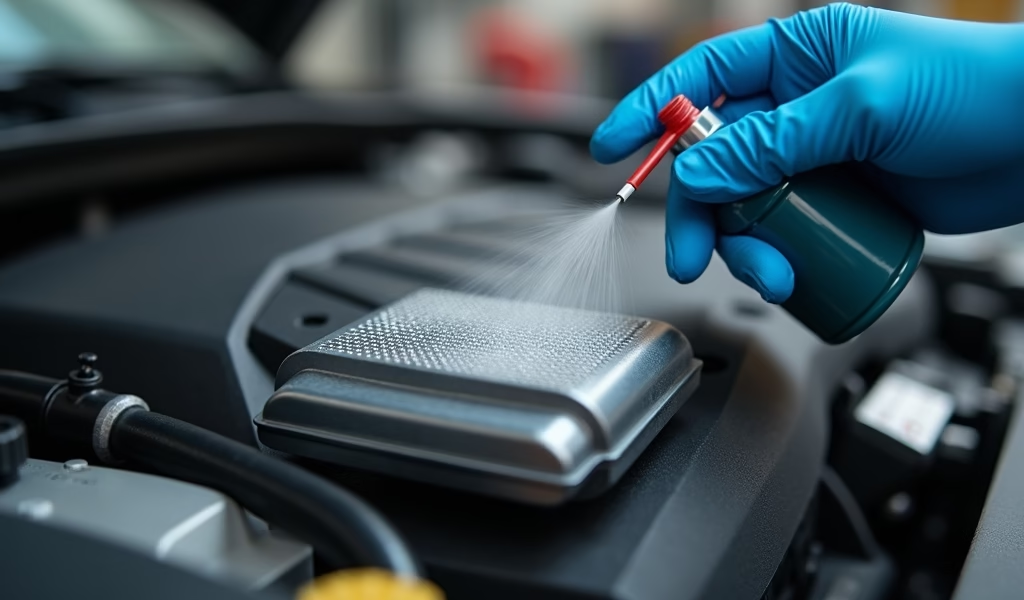
Hold the sensor by its housing only, being extremely careful not to touch any of the internal components. With the sensor facing downward (electrical connector up), spray the MAF cleaner onto the sensing elements with short bursts. The cleaner will dissolve contaminants and evaporate quickly. Never touch the sensing elements with anything – not your fingers, not a cloth, not a brush – as they’re extremely delicate.
Step 5: Dry and Reinstall
Allow the sensor to air dry completely for at least 20 minutes. Never use compressed air or attempt to speed drying with heat. Once completely dry, carefully reinstall the sensor in the reverse order of removal, making sure all clamps are tight and the electrical connector clicks firmly into place.
Step 6: Test Your Work
Reconnect the battery if disconnected. Start your engine and let it run for a few minutes. It may run slightly rough at first while the ECU adapts to the clean sensor. Take it for a short test drive to see if the symptoms have improved.
If you’ve cleaned the sensor properly, you should notice immediate improvements in how the engine runs. However, some vehicles may need to complete several drive cycles before the ECU fully adapts to the newly cleaned sensor. If symptoms persist after several days of driving, you may be dealing with a failed sensor rather than just a dirty one.
This process is similar to cleaning fuel injectors – both are relatively simple maintenance tasks that can have dramatic effects on performance when done correctly.
Common Mistakes to Avoid When Cleaning Your MAF Sensor
In my years at the shop, I’ve seen plenty of DIY cleaning attempts go wrong. Avoid these common pitfalls:
- Using the wrong cleaner: Never use brake cleaner, carburetor cleaner, or household products on your MAF sensor. These can leave residues or damage the sensitive components. Only use cleaner specifically labeled for MAF sensors.
- Touching the sensing elements: The wire or film element inside your MAF sensor is incredibly delicate. Even the oils from your fingerprints can affect its operation. Always handle the sensor by its plastic housing only.
- Scrubbing the sensor: Unlike some engine components, MAF sensors should never be scrubbed, brushed, or wiped. The cleaner is designed to dissolve contaminants without mechanical agitation.
- Rushing the drying process: Reinstalling a wet sensor can cause short circuits or damage. Always allow the full recommended drying time, regardless of how dry it appears.
- Ignoring related components: While you have things apart, inspect your air filter, air intake tubing, and connections. A dirty air filter or leaking intake system will just contaminate your newly cleaned MAF sensor quickly.
The most expensive mistake I see is using the wrong cleaning product. Household cleaners might save you $5-10 initially but can cost hundreds in replacement parts when they damage the sensor. The specialized MAF cleaner is worth every penny for its safe formulation and complete evaporation.
When Cleaning Isn’t Enough: Signs You Need to Replace Your MAF Sensor
Sometimes cleaning just won’t do the trick. Here’s how to recognize when replacement is necessary:
- Visible damage: If you can see bent or broken sensing elements, corrosion on electrical contacts, or melted plastic, replacement is your only option
- Temporary improvements: If cleaning temporarily fixes the issue but symptoms return within days or weeks, the sensor is likely failing internally
- No change after cleaning: If a thorough cleaning produces absolutely no improvement in symptoms, the sensor’s electronic components may have failed
- Oil contamination: If the sensor is contaminated with oil (appears wet or greasy), cleaning may not fully restore functionality
- Age: Most MAF sensors last 10-15 years under normal conditions – if yours is beyond this age, replacement might be more cost-effective than repeated cleanings
When replacement is necessary, consider using OEM (Original Equipment Manufacturer) parts or high-quality aftermarket equivalents from reputable brands. The price difference is usually small, but the quality and longevity difference can be substantial. Cheap sensors often require replacement far sooner than quality units.
Remember that a new MAF sensor may require an adaptation period. Your vehicle’s ECU needs to “learn” the characteristics of the new sensor, so drive patterns may take a few days to return to normal. Some vehicles may need to be reset using a scan tool after MAF sensor replacement to clear adaptation values.
DIY vs. Professional Cleaning: Cost Comparison
Let’s break down the numbers to see why DIY cleaning makes so much financial sense:
Professional Service Costs:
- MAF sensor cleaning at a shop: $75-150 (labor and materials)
- MAF sensor replacement at a shop: $250-500 (parts and labor)
- Diagnostic fee if you’re unsure what’s causing your symptoms: $75-150
DIY Cleaning Costs:
- MAF sensor cleaner: $8-15 per can (enough for multiple cleanings)
- Your time: Approximately 30-45 minutes
DIY Replacement Costs (if cleaning doesn’t work):
- New MAF sensor: $40-250 (depending on vehicle make/model)
- Your time: Approximately 30-60 minutes
The potential savings are substantial: up to $140 for a cleaning and up to $300 for a replacement compared to professional service. Beyond the monetary savings, there’s the convenience of not having to schedule a shop visit and wait for your vehicle.
Of course, if you’re uncomfortable working on your vehicle or can’t locate the MAF sensor, professional service remains a valid option. Some luxury or complex vehicles have MAF sensors that are difficult to access without specialized tools or knowledge. In these cases, the professional fee might be worth the expertise.
Conclusion: Breathe New Life Into Your Engine
Cleaning your mass airflow sensor is one of those rare car maintenance tasks that offers tremendous returns for minimal effort. In just 30 minutes with a $10 can of cleaner, you can potentially resolve performance issues that mimic much more serious problems.
Remember that your engine is essentially a precision air pump, and the MAF sensor is its respiratory measurement system. Keeping this component clean ensures your engine can breathe properly, maintaining the perfect air-fuel balance for optimal performance, efficiency, and longevity.
Make MAF sensor cleaning part of your regular maintenance routine – particularly when you change your air filter or notice early performance symptoms. This proactive approach can prevent more serious issues and help you avoid those dreaded check engine lights.
If you’re dealing with persistent issues even after cleaning, don’t hesitate to dig deeper. Sometimes what seems like a MAF sensor problem might be related to other components in the air intake or fuel system. The diagnostic journey is part of becoming more familiar with your vehicle’s needs.
Your car will thank you with smoother operation, better fuel economy, and fewer trips to the repair shop. And there’s something genuinely satisfying about solving a car problem with your own two hands – even if those hands never touched the actual sensing element!
Frequently Asked Questions
How often should I clean my mass airflow sensor?
For most drivers, cleaning every 25,000-30,000 miles or when changing your air filter is sufficient. If you drive in dusty environments or notice performance issues, you might need more frequent cleaning.
Can I use rubbing alcohol to clean my MAF sensor?
No, never use rubbing alcohol, household cleaners, or other automotive cleaners on your MAF sensor. Only use cleaners specifically formulated for MAF sensors to prevent residue and damage.
Will cleaning the MAF sensor reset the check engine light?
Sometimes the light will reset itself after several drive cycles with the clean sensor. If it doesn’t turn off within a few days, you may need to clear it with a code reader or have other issues that need addressing.
Can a dirty MAF sensor damage my engine?
While a dirty MAF sensor itself won’t cause immediate damage, the incorrect air-fuel mixture it creates can stress engine components over time. Extended driving with a severely malfunctioning MAF sensor could potentially damage your catalytic converter.
Do I need special tools to clean my MAF sensor?
No special tools are required beyond basic screwdrivers and MAF sensor cleaner. The most important “tool” is patience – allowing proper drying time and handling the sensor carefully.