

Overview
After hitting that pothole last month, your car might be trying to tell you something through uneven tire wear and a slight pull to the left—it needs a wheel alignment, which isn’t actually about adjusting the wheels but fine-tuning suspension angles that affect safety, performance, and your wallet. Proper alignment maintenance saves hundreds in premature tire replacements and improves fuel economy by up to 10%, making the $80-200 service one of the smartest investments for your vehicle, especially after suspension work, accidents, or when purchasing new tires.
Table of Contents
- Understanding Wheel Alignment
- Why Proper Alignment Matters
- Signs Your Car Needs an Alignment
- Common Causes of Wheel Misalignment
- How Long Should Wheel Alignment Last?
- Proper Wheel Alignment Maintenance
- When Is Wheel Alignment Necessary?
- Cost of Wheel Alignment Services
- DIY vs. Professional Wheel Alignment
- Common Wheel Alignment Mistakes
- Conclusion
- Frequently Asked Questions
Understanding Wheel Alignment
Let’s clear something up right away – what is wheel alignment? Despite its name, wheel alignment isn’t actually about adjusting the wheels themselves. As a mechanic who’s spent 20 years under cars, I can tell you it’s about adjusting the angles of your suspension components that control how your wheels make contact with the road.
Think of alignment as fine-tuning your car’s stance. When your vehicle left the factory, engineers had precisely calculated the perfect position for your wheels based on your specific make and model. Over time and through regular use, these carefully calibrated angles drift away from their optimal positions.
During an alignment service, we focus on three primary angles:
Camber is the inward or outward tilt of your wheels when viewed from the front. If the top of your wheel tilts outward, that’s positive camber. If it tilts inward, that’s negative camber. Improper camber leads to wear on either the inside or outside edge of your tires.
Caster affects your steering stability and cornering. It’s the forward or backward tilt of your steering axis when viewed from the side. Good caster alignment helps your vehicle maintain straight-line stability and helps your steering wheel return to center after turns.
Toe refers to how much your wheels turn inward or outward when viewed from above. Toe-in means the fronts of the wheels point toward each other, while toe-out means they point away. Incorrect toe alignment is the most common cause of premature tire wear I see in my shop.
Alignment is entirely different from wheel balancing, which addresses weight distribution around the wheel and tire assembly to prevent vibration. You can have perfectly balanced wheels that are severely misaligned, or vice versa.
Every vehicle has its own specific alignment settings based on its design and intended use. A Honda Civic has completely different alignment specs than a Ford F-150 pickup or a Porsche 911. These factory specifications ensure your vehicle handles properly, wears tires evenly, and achieves the best possible fuel economy.
Why Proper Alignment Matters
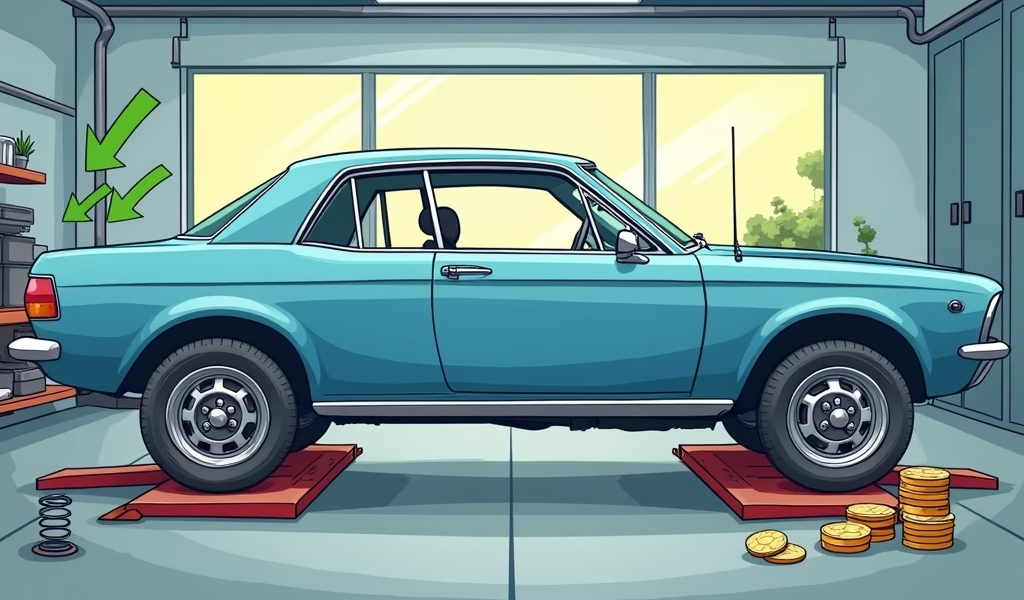
I’ve seen it countless times in my shop – customers who ignored alignment issues until they were forced to replace tires thousands of miles prematurely. Proper wheel alignment isn’t just about a smooth ride; it’s about your safety, your vehicle’s performance, and your wallet.
When your wheels are properly aligned, your vehicle responds predictably to steering inputs. This predictability becomes crucial during emergency maneuvers when split-second reactions matter. Misalignment can cause your car to pull to one side or respond unpredictably, compromising your ability to avoid hazards quickly.
The impact on your tires is where you’ll feel the financial sting most immediately. Tires are designed to contact the road evenly across their tread surface. When alignment is off, certain portions bear excessive pressure, creating uneven wear patterns. I regularly see misalignment reduce tire life by 30-50%, turning what should be a 60,000-mile tire into a 30,000-mile expense.
With today’s tires often costing $150-300 each, that premature replacement adds up fast. I’ve had customers save over $600 in tire costs over the life of their vehicle simply by maintaining proper alignment – significantly more than what they spent on alignment services.
Your fuel economy suffers too. When your wheels fight against each other due to poor alignment, your engine works harder to push the car forward. According to the U.S. Department of Energy, this increased rolling resistance can reduce fuel economy by up to 10%. For the average driver, that’s like pouring a few hundred dollars of gas onto the pavement each year.
Beyond these direct effects, misalignment creates a cascade of expensive vehicle issues. Your suspension components experience additional stress as they try to compensate for improper geometry. Ball joints, tie rods, steering components, and bearings all wear faster – and these repairs can easily run into the thousands.
Perhaps most significant is how alignment affects overall vehicle performance. A properly aligned vehicle corners more effectively, stops more quickly, and generally responds better to driver inputs. These performance differences might seem subtle during regular driving but become critical in emergency situations.
Signs Your Car Needs an Alignment
After working with thousands of vehicles, I’ve developed a keen eye for alignment issues. Here are the telltale signs I tell my customers to watch for:
Uneven tire wear is the most definitive indicator I see. Take a penny and run it across your tire tread. If you notice more wear on the inside or outside edges compared to the center, that’s a classic alignment red flag. This wear pattern doesn’t lie – your tires are literally showing you where the excessive pressure is being applied.
Vehicle pulling to one side is another common symptom. On a straight, level road, briefly (and safely) release your grip on the steering wheel. Does your car drift left or right instead of continuing straight? That’s your alignment speaking to you. Some pulls are subtle, requiring you to pay close attention during everyday driving.
Off-center steering wheel often surprises my customers. If you’re driving straight but your steering wheel is crooked, your alignment (typically the toe angle) needs correction. Your wheel should be level when traveling in a straight line.
Loose or wandering steering feel can indicate alignment issues affecting your caster angle. Your car should track confidently down the road without requiring constant small corrections. If steering feels vague or the car seems to wander between lane lines, get your alignment checked.
Return-to-center issues are another subtle but important sign. After completing a turn, your steering wheel should naturally begin returning to center. Poor alignment can interfere with this self-centering action, requiring you to manually straighten the wheel.
Squealing tires during normal turns (not aggressive cornering) often means your wheels aren’t tracking properly due to alignment problems. Your tires shouldn’t protest during gentle everyday maneuvers.
Excessive road noise or vibration sometimes stems from uneven tire wear caused by long-term alignment issues. While vibration has multiple potential causes, when combined with other symptoms on this list, alignment should be investigated.
The best approach is to be proactive. If you notice any of these symptoms, have your alignment checked before you’ve worn through expensive rubber. Most alignment issues can be corrected before they cause significant tire damage if caught early.
Common Causes of Wheel Misalignment
In my years as a mechanic, I’ve traced alignment problems back to numerous causes. Understanding what throws your wheels out of alignment helps you prevent issues before they drain your wallet.
Hitting potholes or curbs tops the list of alignment killers. That jarring impact you felt last month when you couldn’t avoid a pothole? It likely altered your alignment to some degree. Even a single significant impact can jolt your suspension components out of their precise settings. The deeper the pothole or the harder the hit, the more damage it can cause.
I’ve seen customers who can pinpoint exactly when their car started pulling – “right after I hit that massive pothole on Main Street.” Modern suspension systems are sophisticated but delicate in their geometry.
Normal suspension wear gradually affects alignment even with careful driving. Bushings, ball joints, and control arms develop play over time, allowing alignment angles to drift. This natural deterioration is inevitable but accelerates with rough driving conditions. Vehicles with higher mileage require more frequent alignment checks as these components age.
Minor accidents often cause alignment problems that go unnoticed initially. Even a seemingly insignificant fender bender can bend suspension components or shift their mounting points. Sometimes these changes are subtle enough that you won’t notice handling differences immediately, but they’ll still cause accelerated tire wear.
Vehicle modifications almost always require alignment adjustments. I regularly see customers who’ve installed lowering springs, lift kits, or significantly different tire sizes without addressing the resulting alignment changes. These modifications alter your vehicle’s suspension geometry and require professional alignment to restore proper angles.
Environmental factors play a significant role too. Regions with harsh winters and road salt experience accelerated suspension component deterioration, which affects alignment. Similarly, those living on unpaved roads or in areas with poor road maintenance will need more frequent alignment service.
Even everyday driving takes a toll. Speed bumps taken too quickly, driveway entrances with steep angles, and rough terrain all contribute to gradual alignment drift. The best defense is regular inspection and maintenance – addressing small issues before they become expensive problems.
How Long Should Wheel Alignment Last?
This is one of the most common questions I get in the shop, and the honest answer is: it depends. Under ideal conditions with gentle driving on smooth roads, a wheel alignment should last 2-3 years or approximately 20,000-30,000 miles. But let’s be realistic – how many of us drive exclusively on perfectly maintained roads?
The real-world lifespan of your alignment depends on several key factors:
Driving environment makes an enormous difference. I have customers whose alignments stay true for years because they primarily drive on smooth highways. Others need alignment service every 10,000 miles because their daily commute includes pothole-riddled city streets or gravel country roads. A single significant impact can instantly undo a perfect alignment.
Vehicle type and design influence alignment longevity. Vehicles with sophisticated independent suspension systems may provide better handling, but they often have more components that can wear or shift. Heavier vehicles typically experience faster alignment drift than lighter ones due to increased stress on suspension components.
Your driving style plays a crucial role too. Aggressive drivers who take corners at high speeds, frequently drive over curbs, or navigate obstacles at higher speeds will need alignment service more often. Gentle drivers who proactively avoid road hazards typically enjoy longer-lasting alignments.
Several factors can significantly reduce alignment lifespan:
- Frequent driving on rough, unpaved roads
- Living in areas with freeze-thaw cycles that damage roadways
- Regular heavy loading or towing that stresses suspension
- Prior accident damage that wasn’t fully repaired
- Aging suspension with worn bushings or mounting points
For most daily drivers, I recommend having your alignment checked annually or with every other oil change. However, if you fall into any high-risk categories, consider more frequent checks—perhaps every 6 months. The cost of an alignment check is minimal compared to premature tire replacement.
Pay particular attention after any “trauma” to your vehicle. This includes hitting major potholes, minor fender benders, or having any suspension work performed. These events warrant an immediate alignment check regardless of when your last service was completed.
Proper Wheel Alignment Maintenance

Maintaining proper wheel alignment doesn’t require complicated procedures, but it does demand awareness and proactive care. Here are the maintenance practices I recommend to my customers:
Schedule regular checks, even without symptoms. For most vehicles under normal driving conditions, annual alignment checks provide a good balance between maintenance costs and preventing excessive tire wear. This preventive approach often catches minor alignment drift before it causes noticeable tire damage.
Many drivers find it convenient to have their alignment checked with every other oil change or during seasonal tire changeovers. This creates a regular schedule that’s easy to remember. Some shops offer free alignment checks with other services – take advantage of these opportunities.
Adopt protective driving habits that extend alignment longevity:
- Slow down before hitting unavoidable potholes
- Approach speed bumps and driveway entrances at appropriate angles
- Reduce speed on rough roads to minimize suspension impacts
- Take wider turns around obstacles rather than sharp turns
- Distribute heavy loads evenly throughout your vehicle
Insist on alignment checks after suspension work. After any suspension repair—no matter how minor—make sure alignment verification is included. Components like struts, shocks, control arms, tie rods, and ball joints all affect alignment angles. Even replacing a single component typically necessitates a complete alignment service.
Consider seasonal alignment. In regions with harsh winters, spring is an ideal time for alignment checks as roads are often damaged by freeze-thaw cycles and plowing. The beginning of road trip season is another smart time to verify your alignment before putting extensive miles on your vehicle.
Monitor your tire pressure. While not directly related to alignment, proper inflation helps your tires wear evenly and makes alignment issues more noticeable before they cause significant damage. I recommend checking pressure monthly and before long trips.
Document all alignment services in your vehicle maintenance records. This history helps identify patterns of premature alignment issues that might indicate underlying problems requiring attention. It also demonstrates proper maintenance if you eventually sell your vehicle.
Remember, alignment maintenance is about prevention rather than reaction. The modest cost of regular alignment checks pales in comparison to the expense of premature tire replacement and component wear.
When Is Wheel Alignment Necessary?
Beyond regular maintenance intervals, several specific situations make wheel alignment service particularly important. Here’s my professional guidance on when alignment is necessary:
After purchasing new tires is the perfect time for alignment service. Those fresh treads represent a significant investment, and proper alignment ensures they wear evenly from day one. Many of my customers make alignment part of their new tire purchase package – some shops even offer discounted alignment with the purchase of a complete tire set.
I always tell customers: “You wouldn’t put fresh paint on a wall without fixing the cracks first.” The same principle applies here – don’t put new tires on a misaligned vehicle.
Following any suspension work, alignment isn’t just recommended—it’s absolutely necessary. Even minor suspension repairs change the geometric relationships between components. Common repairs that necessitate alignment include:
- Replacing struts or shocks
- Control arm or bushing replacement
- Tie rod or ball joint service
- Steering rack repairs
- Spring replacement
After accidents, even minor ones, alignment should be verified. The forces involved in a collision can bend components or shift mounting points in ways that aren’t visually obvious. I’ve seen even parking lot fender benders cause alignment changes that, left unchecked, led to premature tire wear.
When experiencing any alignment symptoms like uneven tire wear, pulling, or a crooked steering wheel, don’t delay. These symptoms indicate damage is already occurring to your tires and potentially your suspension components. Prompt attention prevents further wear and more extensive repairs.
After vehicle modifications that affect ride height or suspension geometry, professional alignment is essential. This includes installing lowering springs or lift kits, switching to significantly different tire sizes, or adding accessories that permanently change weight distribution.
When purchasing a used vehicle, an alignment check provides valuable information about the car’s condition. Severe alignment issues might indicate previous accident damage or neglected maintenance – important factors in evaluating your purchase.
The bottom line? Alignment is both preventive and corrective maintenance. The cost of alignment service is minimal compared to premature tire replacement or addressing damage to suspension components that occurs from prolonged misalignment.
Cost of Wheel Alignment Services
Let’s talk dollars and cents. As a mechanic who’s worked in shops across the country, I can give you the inside scoop on what alignment should cost and when you’re getting good value.
For a standard four-wheel alignment on most passenger vehicles, expect to pay between $80 and $200. This price varies based on your location, vehicle type, and the service provider. This standard service includes adjustment of all adjustable angles to manufacturer specifications and a comprehensive alignment report.
Some shops still offer two-wheel alignment (front wheels only) at a lower cost, typically $50-$100. However, I generally don’t recommend this partial service for modern vehicles with independent rear suspension. Even on vehicles with solid rear axles, four-wheel alignment ensures all angles are verified.
Several factors can affect alignment pricing:
- Luxury, performance, or specialty vehicles often command $25-75 more due to their sophisticated suspension systems and tighter specifications
- Dealerships typically charge 20-40% more than independent shops for identical service
- Vehicles requiring specialized equipment or extensive disassembly for proper adjustment
- Geographic location – prices tend to be higher in metropolitan areas
When alignment reveals worn or damaged suspension components, additional repair costs may apply before successful alignment can be achieved. Common parts that might need replacement include:
- Tie rod ends ($150-300 per side including labor)
- Ball joints ($200-400 per joint)
- Control arm bushings ($250-500 per control arm)
- Struts or shocks ($200-600 per corner)
While these repair costs might seem substantial, consider the long-term savings. A typical set of all-season tires costs $500-800, and premature wear from misalignment can reduce their lifespan by 30% or more. That translates to potentially wasting $150-240 per tire set due to preventable wear.
Many service providers offer alignment warranties, typically ranging from 6-12 months. These guarantees often include free rechecks and adjustments if alignment shifts during the coverage period. These warranty programs provide excellent value, especially if you drive in challenging conditions.
My professional advice? Don’t shop for alignment based solely on price. The cheapest service often uses outdated equipment or rushes through the procedure. Quality alignment requires time, expertise, and proper equipment – factors that influence cost but deliver better long-term value.
DIY vs. Professional Wheel Alignment
As someone who started as a weekend mechanic before becoming a professional, I understand the appeal of DIY vehicle maintenance. But wheel alignment presents unique challenges that make professional service the better choice for most drivers.
You can perform basic alignment checks at home to identify potential issues:
- Visual tire inspection for uneven wear patterns
- String tests to roughly check toe angle
- Measuring ride height at each wheel
- Testing for vehicle pull on a level road
These preliminary assessments can help you determine if professional service is needed, but they can’t provide the precision measurements necessary for proper adjustment. Professional alignment requires sophisticated equipment that costs tens of thousands of dollars, including computer-assisted alignment machines with precision sensors and manufacturer specification databases.
During a professional alignment, here’s what typically happens:
- The technician performs a test drive to identify handling concerns
- The vehicle is positioned on the alignment rack with sensors attached to each wheel
- Current alignment angles are measured and compared to specifications
- The technician inspects suspension components for wear or damage
- Adjustments are made to bring all angles within specification
- A final measurement verifies the corrections
- A detailed report documents before and after conditions
Professional alignment provides critical benefits beyond just adjusting angles:
- Comprehensive inspection of suspension components by trained eyes
- Detection of worn parts that could cause alignment to shift again quickly
- Documentation of before/after measurements for your records
- Expert interpretation of unusual wear patterns or handling issues
To verify that a professional alignment was performed correctly, ask for a printed report showing the before and after measurements. These reports typically use color coding (red for out of spec, green for within spec) to easily identify what was corrected.
While DIY alignment tools exist, they lack the precision and reference data of professional equipment. For the cost of decent DIY alignment tools (several hundred dollars), you could pay for multiple professional alignments with guaranteed results.
My advice? Use DIY checks to identify potential issues, then trust the precise work to professionals with the right equipment and expertise. Your tires, handling, and wallet will thank you.
Common Wheel Alignment Mistakes
After decades in the automotive repair business, I’ve witnessed plenty of costly alignment mistakes. Being aware of these common pitfalls can save you significant money and hassle:
Ignoring early warning signs is perhaps the most expensive mistake. Subtle indicators like a slightly off-center steering wheel or minor pulling tend to worsen gradually, making them easy to overlook. By the time many drivers notice severe symptoms, significant tire damage has already occurred. Those early signs are your vehicle’s way of asking for help before major damage sets in.
Choosing alignment service based solely on price often leads to disappointing results. The least expensive providers may use outdated equipment, employ less experienced technicians, or rush through the procedure. I’ve seen customers need to pay twice after a bargain alignment failed to correct their issues properly.
Skipping alignment after suspension repairs is like putting new batteries in a flashlight but never checking if the bulb works. Even minor suspension work changes the geometric relationships between components. Without proper alignment following these repairs, you’re essentially paying to fix one problem while creating another.
Assuming tire rotation addresses alignment needs reflects a fundamental misunderstanding I often have to clarify for customers. While both services extend tire life, they address entirely different issues. Rotation equalizes wear across all tires but does nothing to correct the alignment angles causing uneven wear patterns.
Focusing only on front wheels when alignment issues appear neglects the interconnected nature of modern suspension systems. Rear wheel misalignment can cause handling problems that manifest as front-end symptoms. Four-wheel alignment ensures all angles work together properly.
Not addressing underlying suspension issues before alignment guarantees the alignment will shift again quickly. Worn components like ball joints, tie rods, and bushings cannot hold proper alignment angles. Proper diagnosis should always precede alignment service.
Modifying suspension without professional alignment is particularly common among enthusiasts. Lowering springs, lift kits, or even switching to significantly different wheel sizes changes suspension geometry, requiring professional alignment to prevent rapid tire wear and handling problems.
Neglecting to check alignment after significant impacts such as hitting potholes or minor accidents allows alignment problems to cause damage for extended periods. These events can instantly alter alignment angles, regardless of when your last alignment was performed.
The bottom line? Proper alignment requires attention to detail, appropriate timing, and addressing the complete suspension system. Cutting corners on alignment inevitably leads to higher costs down the road.
Conclusion
Understanding what wheel alignment is and why it matters isn’t just mechanical knowledge—it’s financial wisdom. Throughout this guide, we’ve explored how those seemingly minor alignment angles dramatically impact your vehicle’s safety, performance, and your wallet.
Proper wheel alignment extends tire life, improves fuel economy, enhances safety, and prevents premature wear on expensive suspension components. The cost of regular alignment service is minimal compared to the expenses created by neglecting this crucial maintenance.
Remember those key warning signs: uneven tire wear, vehicle pulling, crooked steering wheel, and unusual handling characteristics. Catching alignment issues early prevents them from escalating into costly problems.
Whether you’re driving a family sedan, a rugged SUV, or a performance vehicle, alignment fundamentals remain the same—though specifications differ. Every vehicle deserves proper alignment to perform as designed.
I encourage you to incorporate alignment checks into your regular maintenance schedule. Consider alignment service after purchasing new tires, following suspension repairs, after significant impacts, or when experiencing any alignment symptoms.
Your vehicle is one of your most significant investments. Protecting that investment with proper wheel alignment maintenance is one of the smartest decisions you can make as a vehicle owner. Your tires, your wallet, and your future self will thank you for it.
Frequently Asked Questions
How often should I get a wheel alignment?
For most vehicles under normal driving conditions, have your alignment checked annually or every 15,000-20,000 miles. If you frequently drive on rough roads or have hit substantial potholes, schedule more frequent checks.
How much does a wheel alignment typically cost?
A standard four-wheel alignment typically costs between $80 and $200, depending on your location, vehicle type, and service provider. Luxury or specialty vehicles may cost more due to their sophisticated suspension systems.
Can I align my wheels myself?
While you can perform basic alignment checks at home, proper alignment requires specialized equipment costing thousands of dollars. Professional alignment service provides precision adjustments that DIY methods cannot match.
How do I know if my car needs an alignment?
Watch for uneven tire wear, your vehicle pulling to one side, a crooked steering wheel when driving straight, or unusual handling characteristics. Any of these symptoms indicates it’s time for an alignment check.
Is wheel alignment the same as wheel balancing?
No, they’re entirely different services. Alignment adjusts the angles of your wheels relative to the road and each other, while balancing ensures weight is evenly distributed around each wheel to prevent vibration.