

Overview
That clicking sound when you turn your key might be your car battery’s final goodbye, but with the right tools and knowledge—from recognizing warning signs to following proper safety protocols—you can confidently replace it yourself in under 30 minutes. This practical guide walks you through the entire process of car battery replacement, from preparation and installation to testing and maintenance, empowering you to save money and avoid being stranded by one of the most common vehicle failures.
Table of Contents
- Understanding Car Batteries: When It’s Time for a Change
- Signs of Battery Failure You Shouldn’t Ignore
- Tools and Materials Needed for Battery Replacement
- Safety Precautions Before You Begin
- Step-by-Step Battery Replacement Guide
- Testing Your New Battery and Ensuring Proper Function
- Battery Maintenance Tips to Extend Life
- Handling Emergency Situations: What If You’re Already Stranded?
- Conclusion
- Frequently Asked Questions
Understanding Car Batteries: When It’s Time for a Change
Learning how to replace a car battery is one of the most valuable skills you can develop as a vehicle owner. I’ve been a mechanic for over 15 years, and I can tell you that few things are more frustrating than turning your key only to hear that dreaded clicking sound—or worse, complete silence. Car batteries typically last 3-5 years, but various factors like extreme temperatures, electrical system issues, and driving habits can significantly impact their lifespan.
Modern vehicles are increasingly dependent on stable electrical systems. From sophisticated engine management computers to entertainment systems and safety features, your car’s battery works harder than ever before. Understanding when and how to install a car battery properly isn’t just about preventing inconvenience—it’s about protecting your vehicle’s complex electronic systems and ensuring your safety on the road.
Let’s dive into everything you need to know about replacing your car battery, from recognizing the warning signs to performing a successful installation that will keep you moving for years to come.
Signs of Battery Failure You Shouldn’t Ignore
Batteries rarely fail without warning. Paying attention to these telltale signs can help you replace your battery before you’re left stranded:
- Slow engine crank: When starting your vehicle takes longer than usual and the engine turns over sluggishly before catching.
- Dimming headlights and electrical issues: Headlights that appear dimmer than normal or electrical components that function intermittently.
- Dashboard warning light: Many modern vehicles have a battery warning light that illuminates when the charging system has a problem.
- Swollen battery case: Heat can cause the battery case to swell or bloat, indicating internal damage.
- Rotten egg smell: A sulfurous odor often indicates a battery that’s leaking or overcharging.
- Old age: If your battery is over 3 years old, consider testing your car battery’s voltage regularly to ensure optimal performance.
Battery issues tend to become more noticeable in extreme weather conditions. During winter months, a battery’s chemical reactions slow down, reducing its ability to provide sufficient power. Similarly, summer heat accelerates internal corrosion and water evaporation from the electrolyte solution. If you notice any combination of these symptoms, particularly if your battery is approaching the 3-year mark, it’s time to consider a replacement.
According to AAA’s battery service data, battery failures are one of the top reasons for roadside assistance calls, with most failures occurring with little warning. Being proactive about battery replacement can save you significant hassle and potential safety concerns.
Tools and Materials Needed for Battery Replacement
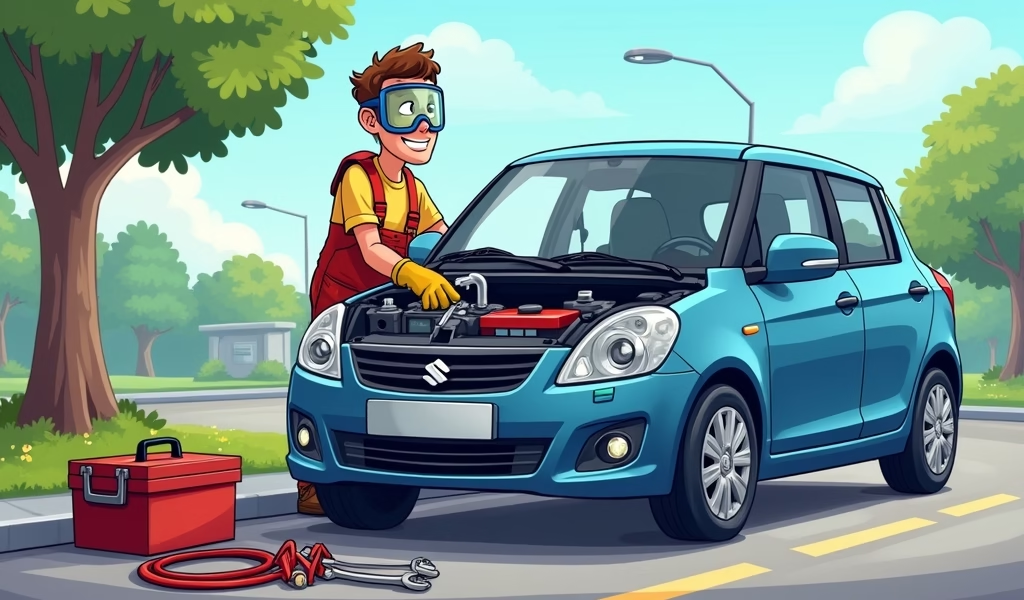
Before you begin to replace a car battery, gather these essential tools and materials. Having everything ready will make the process smoother and help avoid potential complications:
- The correct replacement battery (check your vehicle’s manual or the existing battery for specifications)
- Adjustable wrench or socket set (typically 10mm or 13mm)
- Battery terminal cleaner brush or wire brush
- Baking soda and water solution in a small container
- Protective gloves and safety glasses
- Battery terminal protector spray or petroleum jelly
- Battery carrying strap (optional but helpful, as batteries are heavy)
- Memory saver (optional, to preserve electronic settings)
When selecting a replacement battery, ensure it matches your vehicle’s requirements. Look for the group size, cold cranking amps (CCA), and reserve capacity ratings that match or exceed your manufacturer’s specifications. The group size ensures the battery will physically fit in your vehicle’s battery tray, while the CCA rating indicates how much starting power it delivers in cold temperatures.
Quality matters when it comes to batteries. While it might be tempting to save money on a budget option, premium batteries from reputable manufacturers typically offer better performance and longer warranties. Consumer Reports tests have consistently shown that higher-quality batteries provide more reliable service, especially in extreme conditions.
Having a memory saver (a small device that plugs into your car’s 12V outlet or OBD-II port to maintain power to the electronic systems) can prevent the loss of radio presets, seat positions, and other electronic memory settings. While not essential, it can save you time reprogramming these settings after the battery change.
Safety Precautions Before You Begin
Safety should always be your priority when working with car batteries. These power units contain sulfuric acid and can generate hydrogen gas, making proper precautions essential:
- Park on a level surface and engage the parking brake.
- Turn off the ignition and all electrical components (lights, radio, air conditioning).
- Wear safety glasses and gloves to protect against acid and accidental sparks.
- Remove jewelry, especially rings and metal watches that could contact battery terminals.
- Work in a well-ventilated area to disperse any hydrogen gas that might be released.
- Never smoke or have open flames near the battery.
Before touching anything under the hood, familiarize yourself with your vehicle’s battery location. While most are found in the engine compartment, some manufacturers place batteries in the trunk, under seats, or in wheel wells. Your owner’s manual will provide the exact location and any special considerations for your specific vehicle model.
Remember that batteries are heavy—typically 40-60 pounds. Prepare yourself for lifting this weight and consider having a helper if you have any physical limitations. A battery carrying strap can make handling much easier and safer.
If you’re working on a hybrid or electric vehicle, exercise extreme caution. These vehicles have high-voltage systems that require specialized knowledge. The National Highway Traffic Safety Administration recommends having professionals handle battery work on these vehicles unless you have specific training.
Step-by-Step Battery Replacement Guide
Now that you’re prepared, let’s walk through the process of how to replace a car battery step by step:
1. Identify the Battery Terminals
Locate the positive (+) and negative (-) terminals on your battery. The positive terminal is typically red and marked with a plus sign, while the negative terminal is usually black with a minus sign. This identification is crucial as incorrect connections can damage your vehicle’s electrical system or cause dangerous sparks.
2. Disconnect the Battery
Always start with the negative terminal first. This reduces the risk of short circuits since the negative cable connects to the vehicle’s body (ground). Loosen the nut on the negative terminal clamp using your wrench, then gently twist and pull the connector off the post. Move the cable aside where it can’t accidentally touch the terminal.
Next, disconnect the positive terminal using the same technique. Some vehicles have terminal covers that you’ll need to slide back before accessing the connection. If the terminals are corroded or stuck, you may need to use a terminal puller tool to safely remove them without damaging the battery posts.
3. Remove Battery Hold-Down Clamp or Bracket
Most vehicles secure the battery with a hold-down clamp or bracket to prevent movement during driving. Locate the fasteners for this device and remove them, setting the hardware aside in a safe place. The bracket design varies widely between vehicles—some use a single bolt while others have more complex arrangements.
4. Remove the Old Battery
With the terminals disconnected and the hold-down removed, you can now lift the old battery out of its tray. Remember that car batteries are heavy, so use proper lifting technique—bend at the knees and keep your back straight. If available, use a battery carrying strap for added safety and convenience.
5. Clean the Battery Tray and Terminals
This step is often overlooked but is critical for a proper installation. Inspect the battery tray for corrosion, damage, or debris and clean thoroughly. For the terminals, mix a solution of baking soda and water (about a tablespoon of baking soda to a cup of water) and use your terminal brush to clean both the cable ends and clamps. The baking soda neutralizes any acid residue and improves electrical contact. Rinse with clean water and dry completely before proceeding.
6. Install the New Battery
Place the new battery in the tray, ensuring it’s oriented correctly with the terminals aligned as they were in the original installation. Batteries are designed to fit in a specific orientation, and attempting to force them in backwards can damage the cables or prevent proper connections.
7. Secure the Battery
Reinstall the hold-down bracket or clamp to secure the battery in place. Tighten the fasteners to the manufacturer’s specifications—enough to prevent movement but not so tight as to damage the battery case. A properly secured battery prevents damage from vibration and movement.
8. Reconnect the Terminals
Now, reconnect the terminals—but in reverse order from removal. Start with the positive terminal, placing the clamp over the post and tightening the nut until snug. Then connect the negative terminal. This sequence minimizes the risk of shorts during installation. Apply a small amount of battery terminal protectant spray or petroleum jelly to the connections to prevent future corrosion.
With the car battery replacement guide completed, your vehicle should be ready to start. Turn the key and ensure everything functions properly before considering the job complete.
Testing Your New Battery and Ensuring Proper Function
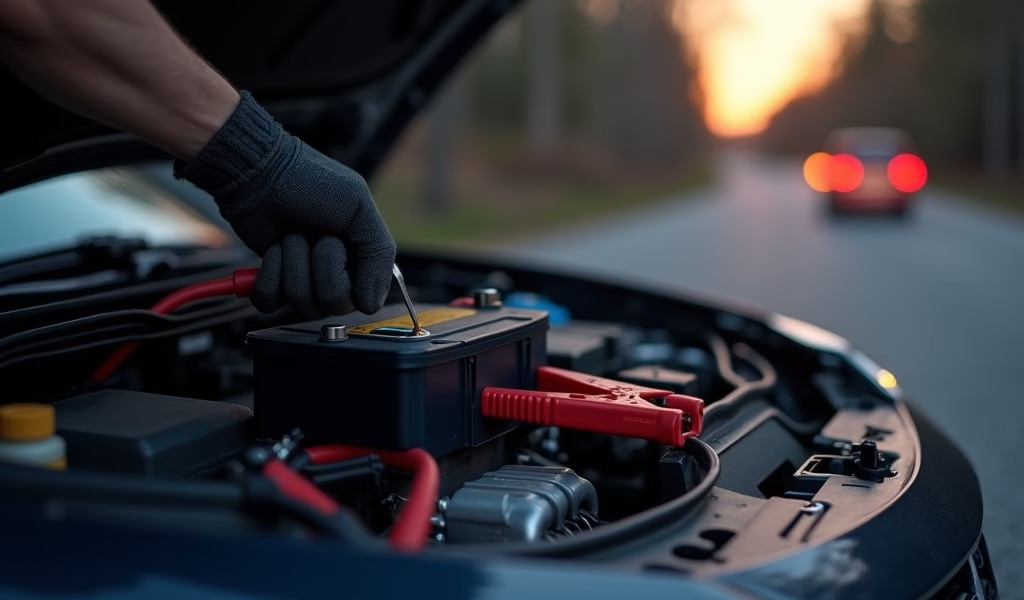
After installing your new battery, it’s important to verify that everything is working correctly. Here’s how to test your handiwork:
- Start the engine and listen for smooth operation. A properly installed battery should provide quick, consistent starting power.
- Check all electrical systems including headlights, interior lights, windshield wipers, radio, and power accessories.
- Look for any warning lights on the dashboard that might indicate electrical system issues.
- Inspect the connections for any signs of sparking, smoking, or excessive heat.
If you have a multimeter, you can perform a more thorough evaluation. With the engine off, a healthy new battery should show approximately 12.6 volts. With the engine running, this reading should increase to 13.7-14.7 volts, indicating that the alternator is charging properly. Readings outside these ranges might indicate problems with your charging system that should be addressed promptly.
Pay attention to any unusual behavior in the days following your battery replacement. If you notice dimming lights, difficulty starting, or electronic glitches, have your electrical system professionally evaluated. Sometimes a failing battery masks deeper issues with the alternator or voltage regulator that become apparent only after installing a new battery.
Battery Maintenance Tips to Extend Life
Now that you know how to replace a car battery, let’s discuss how to make your new investment last longer. Regular maintenance can significantly extend battery life and prevent premature failure:
- Keep terminals clean: Check terminals every 6 months and clean any corrosion with the baking soda solution mentioned earlier.
- Secure connections: Ensure terminals remain tight, as loose connections can cause starting problems and damage.
- Limit short trips: Frequent short drives don’t allow the battery to fully recharge. Try to take longer drives periodically.
- Manage parasitic drain: Turn off lights and accessories when exiting the vehicle to prevent unnecessary drain.
- Consider a battery tender: If your vehicle sits unused for extended periods, a quality battery tender or maintainer can preserve battery life.
- Keep it charged: A battery that remains in a partially discharged state will sulfate and lose capacity permanently.
Environmental factors play a major role in battery life. If you live in an area with extreme temperatures, consider a battery with specifications appropriate for your climate. In very cold regions, a battery with higher CCA ratings provides better cold-weather starting. In hot climates, look for batteries specifically designed to resist heat damage.
Battery performance naturally degrades over time. After 3 years, begin testing your battery regularly, especially before extreme weather seasons. Many auto parts stores offer free battery testing services that can help you determine when replacement becomes necessary before you’re left stranded.
Handling Emergency Situations: What If You’re Already Stranded?
Despite our best efforts, sometimes batteries fail unexpectedly. If you find yourself stranded with a dead battery, here are your options:
- Jump-starting: Using jumper cables and another vehicle can provide temporary power to get you home or to a repair shop. Always connect in the correct sequence (positive to positive, negative to engine block) and follow safety precautions.
- Portable jump starters: These compact devices have become more affordable and effective in recent years. Keeping one in your vehicle provides peace of mind for emergency situations.
- Roadside assistance: Services like AAA, insurance-provided assistance, or manufacturer programs can bring help directly to you.
- Call a mobile mechanic: Many areas have mobile battery replacement services that come to your location.
If you must jump-start your vehicle, remember that this is only a temporary solution. A jumped battery should be fully charged as soon as possible, either by driving continuously for at least 30 minutes or using a battery charger. Then, have the battery and charging system tested to determine the root cause of the failure.
Emergency situations remind us why learning how to replace a car battery properly is so valuable. With this knowledge, you can often avoid being stranded entirely through proactive maintenance and timely replacement.
Conclusion
Learning how to replace a car battery is an essential skill that empowers you as a vehicle owner. By understanding the signs of battery failure, gathering the right tools, following proper safety procedures, and executing a methodical replacement process, you can save money, time, and the frustration of unexpected breakdowns.
Remember that battery replacement isn’t just about the mechanical process—it’s about being proactive with maintenance and vigilant about warning signs. A well-maintained battery system is your first line of defense against being stranded and can prevent damage to sensitive electronic components in modern vehicles.
Whether you’re a DIY enthusiast or someone who simply wants to understand their vehicle better, the ability to replace your own battery provides valuable independence. That said, if you’re ever uncertain about any step in the process, don’t hesitate to seek professional assistance. Your safety always comes first.
With the knowledge you’ve gained from this guide, you’re now equipped to handle one of the most common automotive maintenance tasks with confidence. Here’s to many miles of trouble-free driving with your newly installed battery!
Frequently Asked Questions
How long does it take to replace a car battery?
For most vehicles, replacing a car battery takes 15-30 minutes. The process may take longer if you encounter corrosion or if the battery is in a difficult location.
Can I replace a car battery myself if I’ve never done it before?
Yes, battery replacement is one of the more straightforward DIY car maintenance tasks. Just follow safety procedures and make sure to disconnect the negative terminal first and reconnect it last.
Do I need to reprogram anything after replacing my car battery?
Some vehicles may require radio code entry or clock resetting after battery replacement. Using a memory saver device during the swap can prevent the loss of settings.
How do I dispose of my old car battery?
Auto parts stores and repair shops typically accept old batteries for recycling, often offering a core deposit refund. Never dispose of batteries in regular trash as they contain hazardous materials.
Will replacing my battery fix all electrical problems in my car?
Not necessarily. While many electrical issues stem from weak batteries, problems could also be caused by the alternator, starter, or wiring harness.